

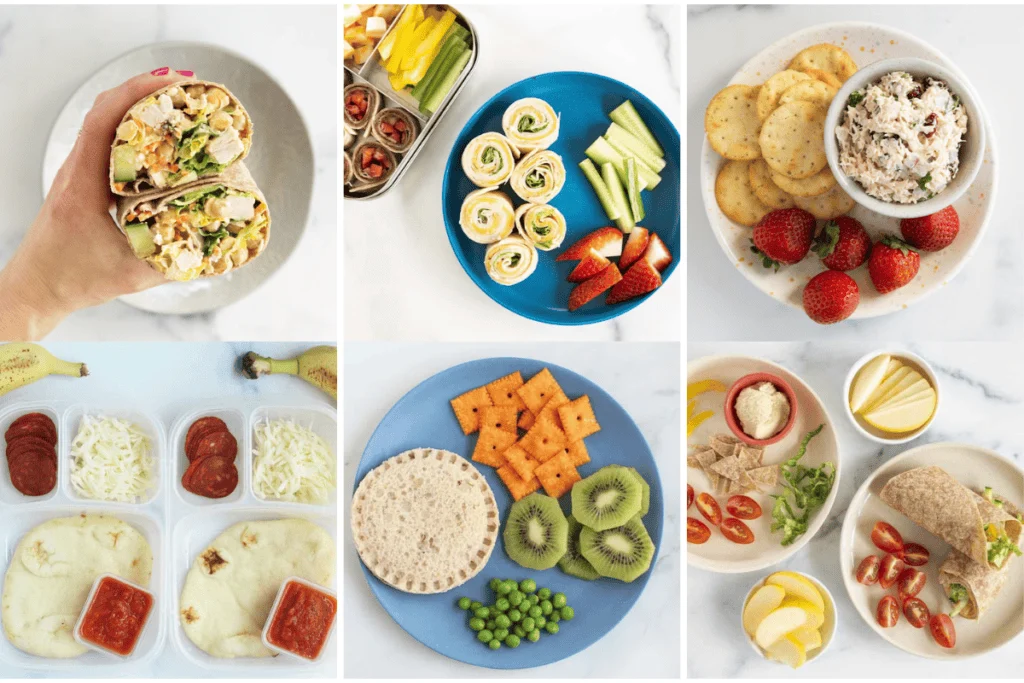
The logistical challenge of providing daily, nutritious mid-day meals for children has become a focal point of modern domestic management, as parents balance nutritional guidelines with the constraints of professional and academic schedules. Whether preparing for daycare, traditional school environments, summer camps, or weekend excursions, the demand for "no-cook" solutions has surged. These meals, defined by their lack of heat-based preparation at the point of assembly, offer a strategic advantage by reducing morning preparation time while maintaining the integrity of essential macronutrients. This report examines the most effective no-cook lunch strategies, the economic and health-based drivers behind their popularity, and the technical considerations required for safe food storage and allergy mitigation.
The Shift Toward No-Cook Nutritional Frameworks
Historically, school lunches were divided between hot cafeteria meals and standard brown-bag sandwiches. However, data from nutritional science and consumer behavior studies indicate a shift toward "snack-style" or "deconstructed" meals. This transition is driven by several factors: the rise of the "bento box" culture, which encourages variety and portion control; an increased awareness of food additives in pre-packaged processed meals; and the necessity for time-efficiency in dual-income households.

Pediatric nutritionists emphasize that a successful lunch must provide a steady release of energy to support cognitive function throughout the afternoon. This requires a balance of complex carbohydrates, lean proteins, and healthy fats. No-cook lunches are uniquely positioned to meet these needs because they often rely on fresh, whole ingredients—such as fruits, vegetables, and pre-cooked or canned proteins—that retain their nutritional density better than items subjected to repeated reheating.
Chronology of the Morning Lunch Preparation Routine
The efficacy of the no-cook lunch is best measured by the "prep-to-pack" timeline. Observations of household routines suggest that the window for lunch preparation typically occurs between 6:30 AM and 7:45 AM. During this period, the primary goal is to minimize appliance usage and cleanup.

- 0–2 Minutes: Protein Selection. Utilizing shelf-stable options such as canned chicken, wild-caught salmon, or pre-made hummus allows for immediate assembly.
- 2–4 Minutes: Structural Assembly. This involves the use of tortillas, whole-grain bread, or crackers to provide a delivery mechanism for the protein.
- 4–5 Minutes: Accessory Integration. Adding pre-washed fruits (berries, grapes) or sliced vegetables (cucumbers, bell peppers) completes the dietary profile.
- Final Minute: Packaging. Securing the meal in insulated containers with cold packs to ensure food safety.
Strategic Recipe Analysis and Nutritional Profiles
Fruit-Based Entrees: The Banana Sushi Model
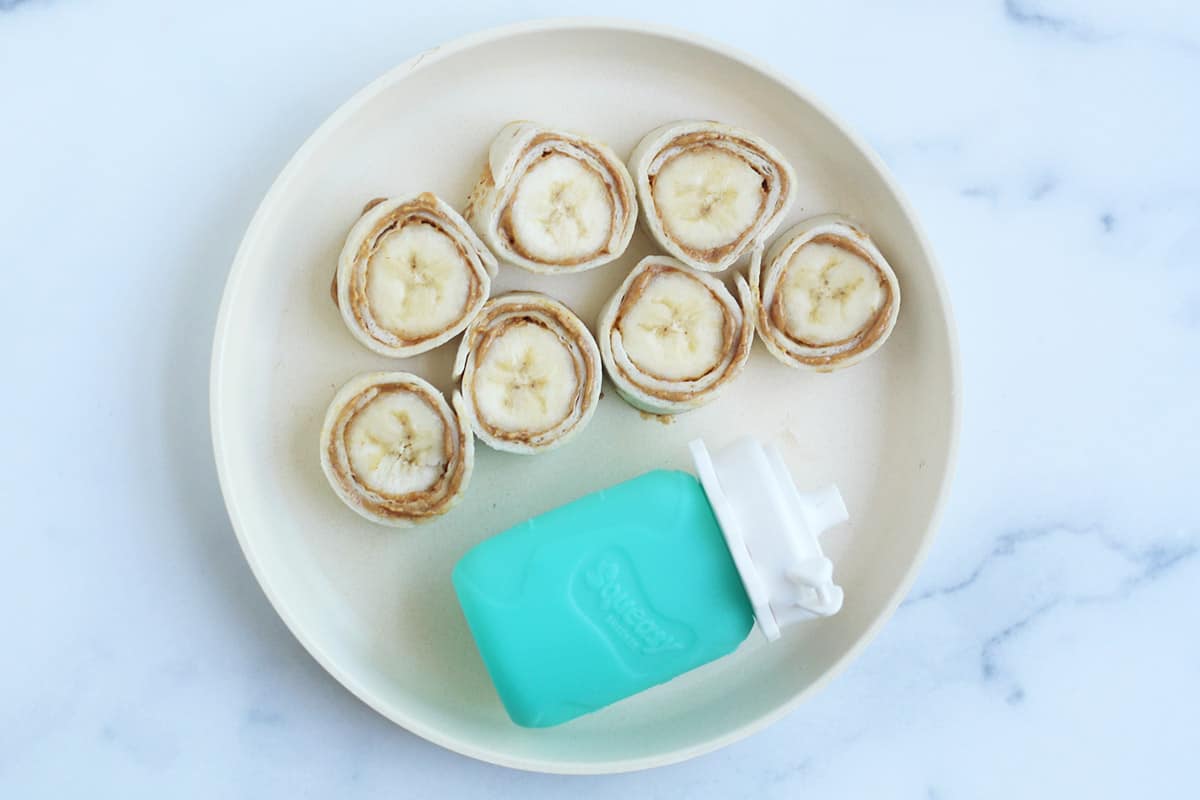
Banana Sushi represents a paradigm shift in how fruit is presented as a main component of a meal. By utilizing three core ingredients—a banana, a spread (such as sunflower butter or cream cheese), and a coating (such as hemp seeds or crushed cereal)—this meal provides immediate potassium and sustained fiber. The assembly takes less than five minutes and avoids the common issue of bread becoming soggy over time, a frequent complaint among students.
Canned Protein Innovations: Chicken and Salmon Salads
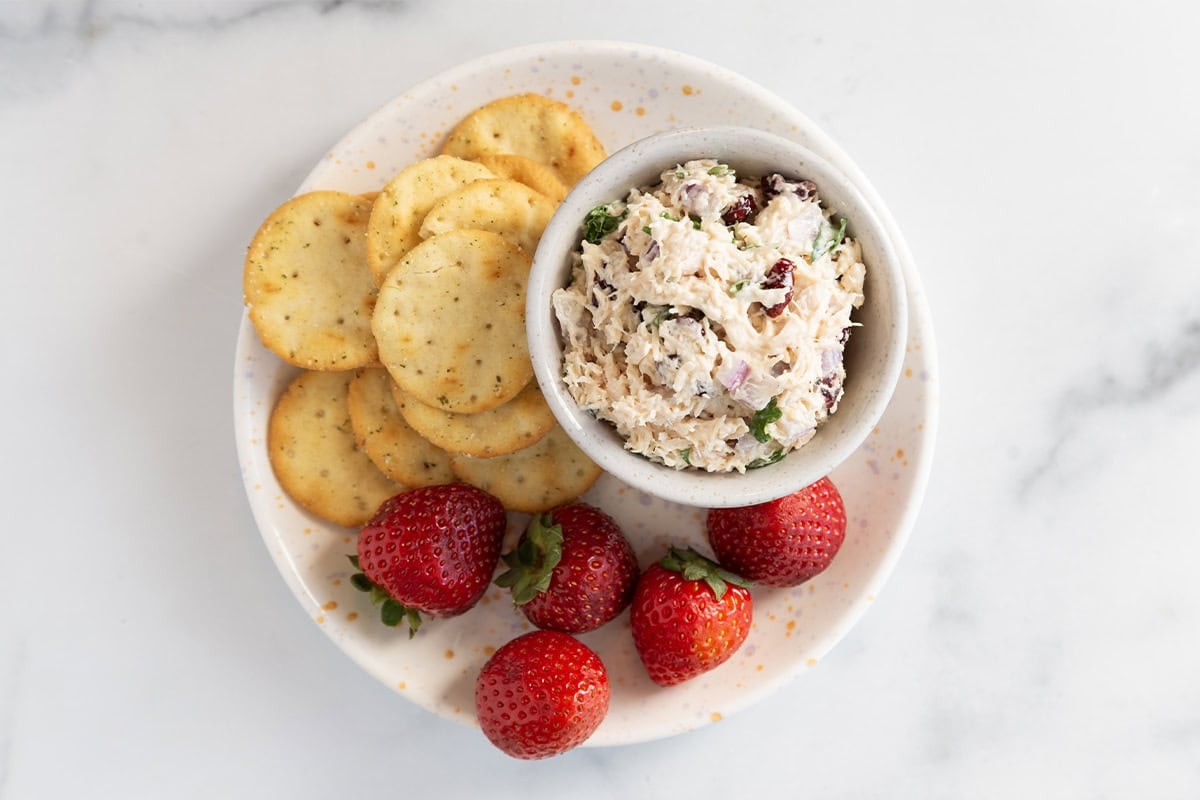
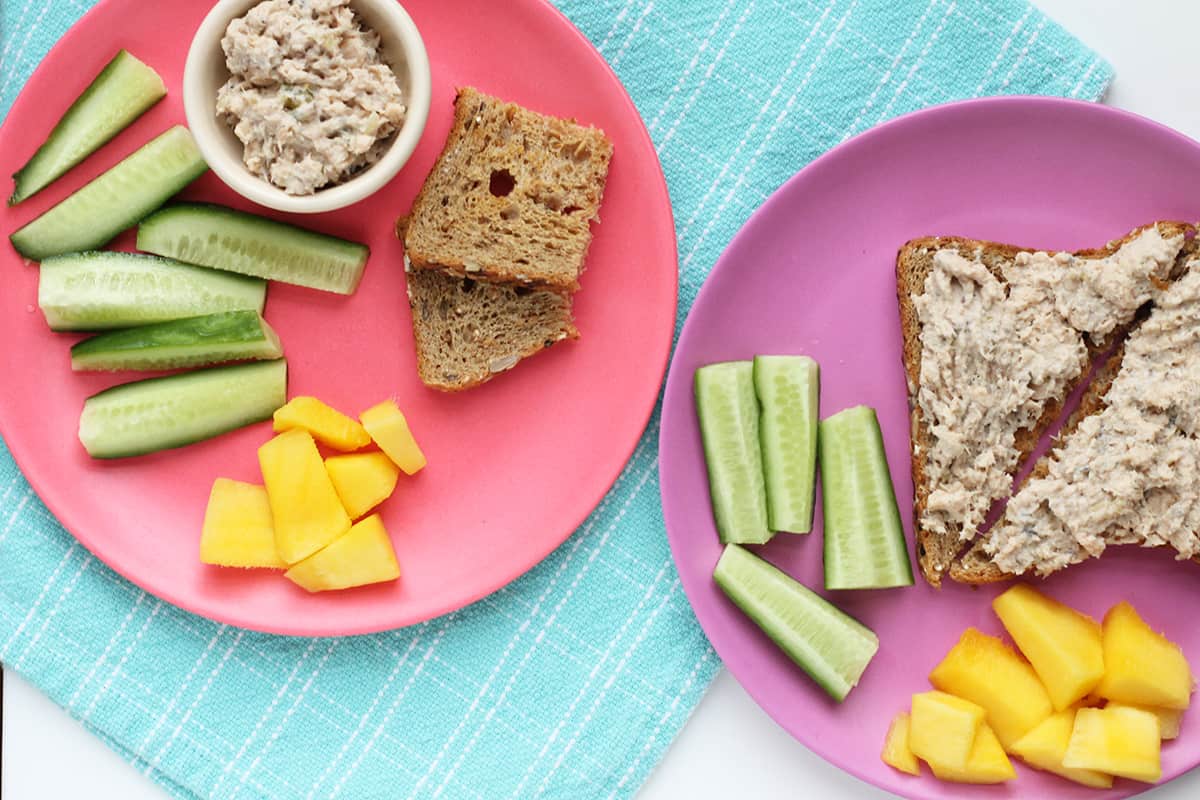
The use of canned proteins is a cost-effective and safe method for introducing high-quality amino acids into a child’s diet. Modern chicken salad recipes have evolved to include Greek yogurt as a substitute for mayonnaise, increasing protein content while reducing saturated fat. Similarly, salmon salad provides essential Omega-3 fatty acids, which are critical for neurological development. These salads serve a dual purpose as both sandwich fillings and dips for whole-grain crackers, catering to various sensory preferences.
The Rise of the Homemade "Lunchable"
The commercial "Lunchable" has long been a staple of American school cafeterias, but recent health audits have raised concerns regarding sodium and preservative levels. The DIY (Do-It-Yourself) Lunchable allows parents to replicate the appeal of the segmented meal while controlling ingredient quality. By combining lean deli meats, high-quality cheeses, and whole-grain crackers, parents can reduce the cost per serving by approximately 40% compared to store-bought counterparts. Furthermore, this format allows for easy customization for children with gluten sensitivities or dairy allergies.

Tortilla-Based Delivery Systems: Wraps and Pinwheels
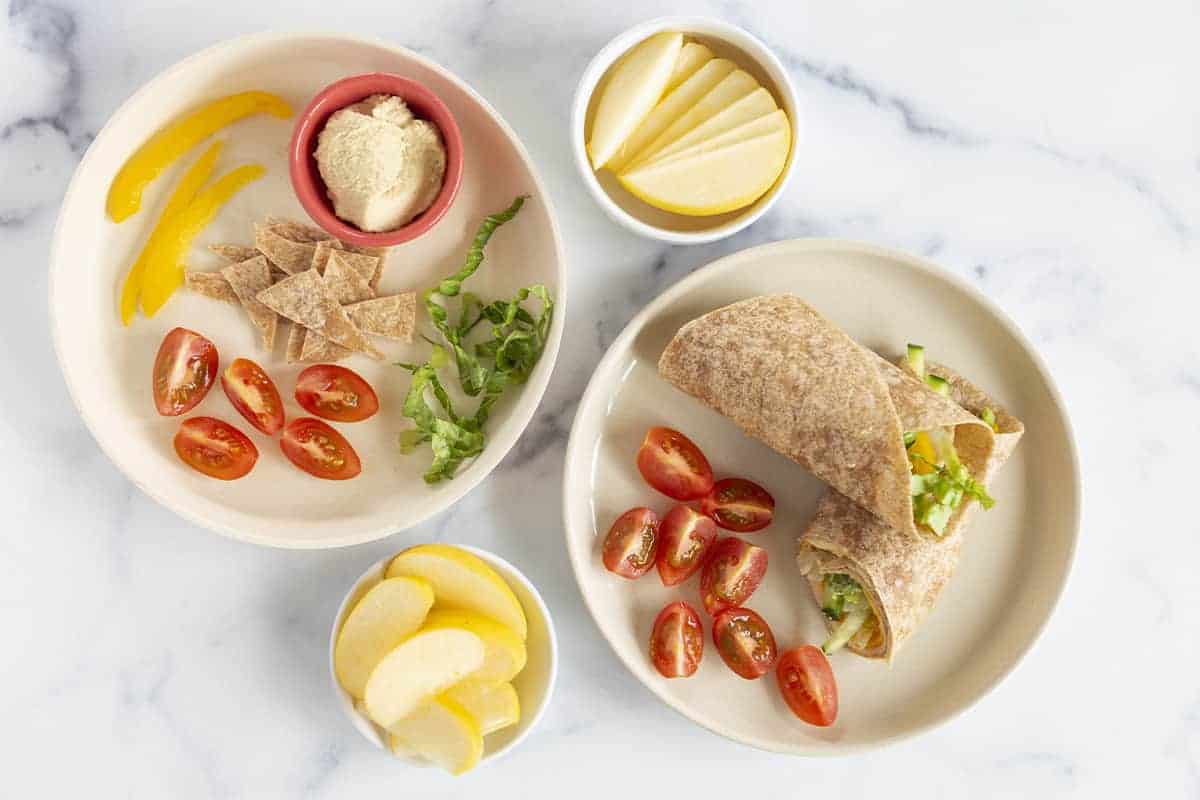
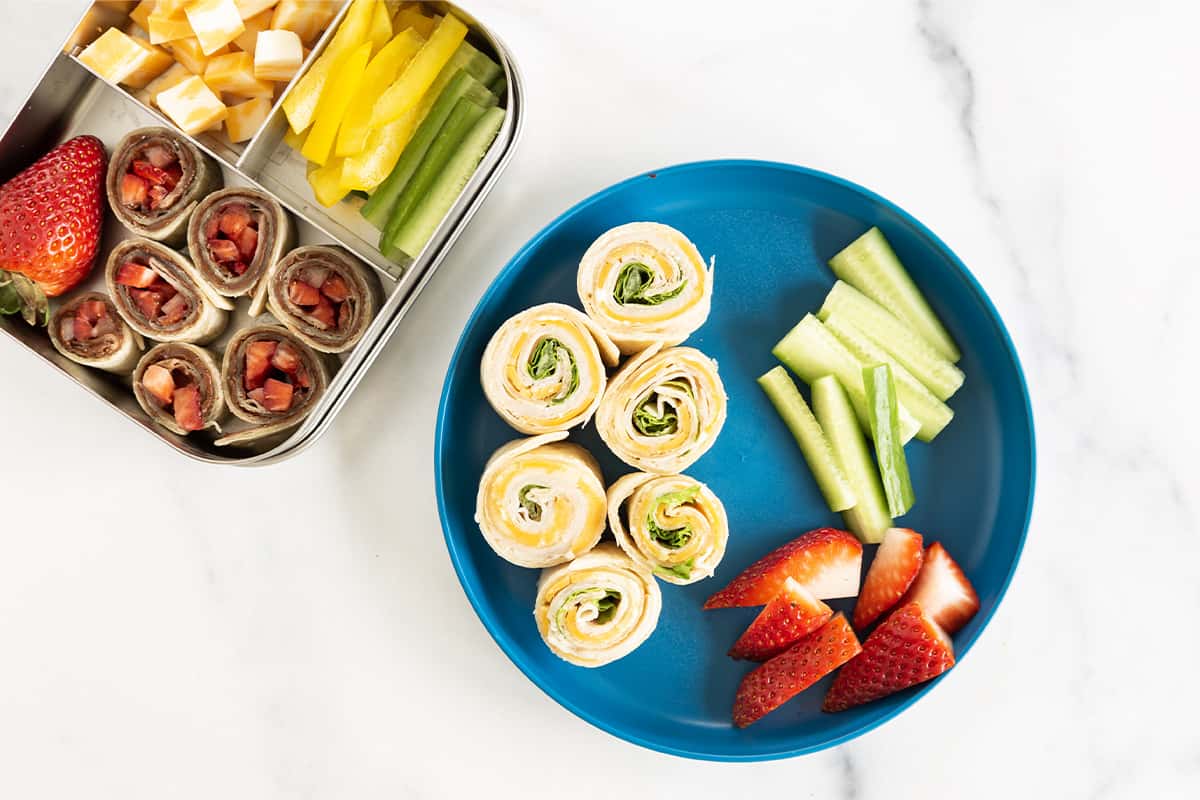
Wraps and pinwheels offer a structural advantage over traditional sliced bread. They are less prone to compression in a lunchbox and can be tightly rolled to prevent ingredients from falling out.
- Hummus Wraps: Provide a vegetarian-friendly source of iron and fiber.
- Turkey Wraps: A classic lean protein option that pairs well with leafy greens.
- Salad Wraps: Incorporate a variety of textures, from crunchy vegetables to creamy dressings, ensuring a high volume of micronutrients.
The Freezer-Friendly "Uncrustable"
The homemade "Uncrustable" addresses both convenience and food waste. By using a sandwich sealer to remove crusts and crimp edges, parents can create batches of peanut butter (or seed butter) and jelly sandwiches that are freezer-stable. These sandwiches act as an additional cold pack in the lunchbox, thawing by the time the lunch bell rings. This method eliminates the need for daily assembly and ensures a consistent product that appeals to children who are sensitive to bread textures.
Economic Impact and Cost Analysis
The economic implications of shifting to homemade no-cook lunches are significant. According to market research, the average cost of a pre-packaged lunch kit ranges from $2.50 to $4.00 per unit. In contrast, a homemade version using bulk-purchased ingredients typically costs between $1.10 and $1.50. Over a 180-day school year, this represents a potential savings of over $450 per child. Furthermore, the reduction in single-use plastic packaging associated with homemade lunches contributes to a lower household carbon footprint, aligning with broader sustainability trends.

Safety and Allergy Management in Institutional Settings
As food allergies affect approximately 1 in 13 children in the United States, the no-cook lunch must be adaptable. Many schools have moved to "nut-free" zones, necessitating the use of alternatives such as:
- Sunflower Seed Butter: A direct substitute for peanut butter with a similar flavor profile.
- Soy-Based Spreads: High in protein and safe for nut-allergic populations.
- Chickpea-Based Hummus: A versatile spread that provides creaminess without dairy or nuts.
Food safety is another critical component. The "Danger Zone" for bacterial growth is between 40°F and 140°F. Since no-cook lunches often involve perishables like meat and dairy, the use of high-quality insulated lunch bags and frozen gel packs is mandatory. Analysis suggests that a dual-gel pack system can maintain a safe temperature for up to six hours, covering the duration from morning departure to the lunch hour.
Stakeholder Perspectives and Institutional Responses
Education professionals and pediatricians have noted the correlation between meal quality and classroom performance. Statements from the American Academy of Pediatrics (AAP) suggest that children who consume balanced meals with low sugar content exhibit better focus and fewer behavioral disruptions.

School administrators have also responded to the trend of homemade lunches by providing more designated storage areas and encouraging "trash-free" lunch days. This institutional support validates the efforts of parents to move away from processed convenience foods toward the more thoughtful, nutrient-dense no-cook options outlined in this report.
Broader Implications for Modern Parenting
The move toward no-cook lunches is more than a culinary trend; it is a response to the "time-poverty" experienced by modern families. By leveraging accessible ingredients and fast assembly methods, parents can reclaim time without sacrificing their children’s health. The versatility of these recipes—ranging from the elegance of tea sandwiches for a special occasion to the ruggedness of a turkey wrap for a hiking trip—ensures that they remain a permanent fixture in the domestic repertoire.
In conclusion, the strategic implementation of no-cook lunches provides a multifaceted solution to the challenges of child nutrition. By focusing on ingredient quality, assembly efficiency, and safety protocols, caregivers can ensure that children are well-nourished and prepared for the demands of their day, while simultaneously managing the economic and logistical realities of the household.
