

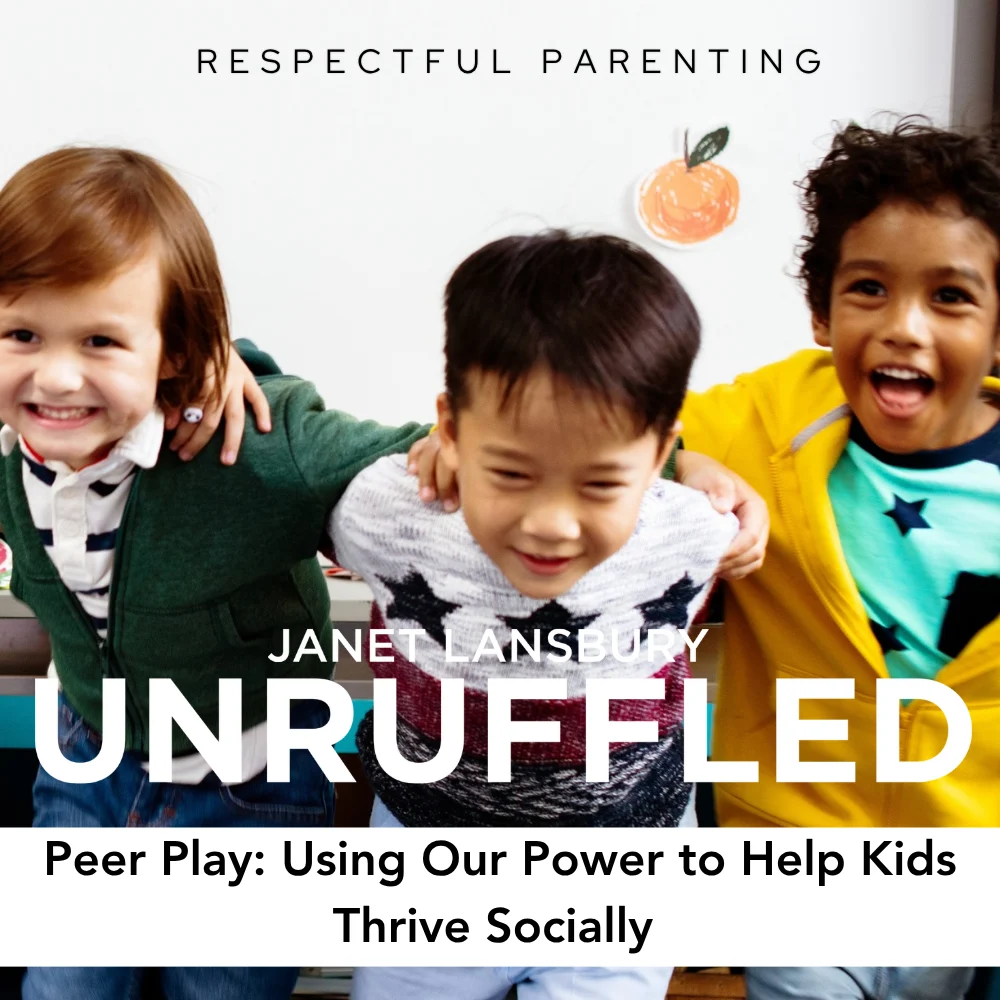
A prominent parenting expert, Janet Lansbury, has offered insightful guidance on navigating common childhood social challenges, emphasizing the significant, often underestimated, role parents play in fostering their children’s social development. Lansbury, known for her "Unruffled" podcast and respectful parenting approach, addressed three distinct scenarios in a recent broadcast, highlighting how parental responses to children’s struggles with peer interaction can either hinder or promote the development of crucial social skills, resilience, and confidence.
The core of Lansbury’s message revolves around the idea that while direct modeling of positive social behaviors is important, the most impactful avenues for teaching children how to navigate social landscapes lie in two less direct, yet more potent, areas: the assertive establishment and consistent enforcement of parental boundaries, and the unwavering trust in a child’s individual developmental process. This perspective challenges conventional parenting advice that often leans towards direct instruction or immediate intervention when children face social difficulties.
Addressing Specific Social Hurdles in Early Childhood
Lansbury’s discussion was prompted by three specific parental inquiries, each illustrating a different facet of childhood social dynamics.
The Director’s Dilemma: When Pretend Play Becomes a Power Struggle
The first case involved a parent of a four-year-old girl deeply immersed in imaginative play. This child, while highly creative, struggled when her friends did not adhere precisely to her elaborate play scenarios. The scenario described a situation where the child would dictate roles and dialogue, becoming distressed and frustrated when playmates deviated even slightly. This rigidity led to tears and strained friendships, with the parent observing a year-long pattern of exclusion or conflict, despite attempts to model more flexible play.
Lansbury posited that this child’s behavior, while seemingly about play direction, was a signal for the parent to establish firmer boundaries. She argued that the child’s insistence on exact compliance was not necessarily a reflection of her enjoyment or understanding of fun, but rather a subconscious bid for parental guidance in setting limits.
"When something seems so unreasonable in terms of the way we’re playing with our child or engaging with our child or what they’re asking of us, then there’s a very good chance that what our child is really asking for is for us to have a reasonable boundary," Lansbury explained. She emphasized that parents are the primary models for relationships, and by allowing a child to dictate terms in play, they inadvertently teach that others should always comply with their wishes. This can lead to frustration and difficulty in peer interactions where such absolute control is not possible.
The implications of this dynamic extend beyond the immediate playdate. Children who are accustomed to having their directives followed by parents may struggle to adapt to the more fluid and negotiated nature of peer relationships. Research from the field of developmental psychology consistently points to the importance of social reciprocity and compromise in forming healthy friendships. Studies, such as those published in the Journal of Child Psychology and Psychiatry, indicate that children who exhibit rigid control in play may experience difficulties with peer acceptance and social inclusion over time.
Lansbury suggested that instead of trying to "fix" the child’s play by complying with her demands, parents should offer a clear, calm boundary. This might involve stating, "I don’t want to play that way right now," or "This is your pretend play, and I’m not going to follow all your directions." The crucial element is allowing the child to experience the natural consequences of her rigidity, including frustration or disappointment, within the safety of the parent-child relationship. This, Lansbury contended, provides a vital learning opportunity, teaching the child that not everyone will conform to her expectations and that navigating these differences is a key social skill.
Navigating Group Dynamics: Exclusion and the Nuances of "Bullying"
The second inquiry addressed a four-and-a-half-year-old girl who was being excluded from a group of friends at the playground. The other girls, who were a year older and reportedly more advanced in social-emotional development, would sometimes pretend she was a "monster" and run away, or simply leave her out of their games. The parent, while generally advocating for children to resolve their own conflicts, was concerned about the repetitive nature of the exclusion and the label of "bullying" being considered by some of the parents involved.
Lansbury cautioned against the immediate application of the term "bullying" to this age group and scenario. She differentiated between deliberate, pervasive malice and the natural, albeit sometimes unkind, social dynamics that emerge among young children, particularly when there are developmental age differences.
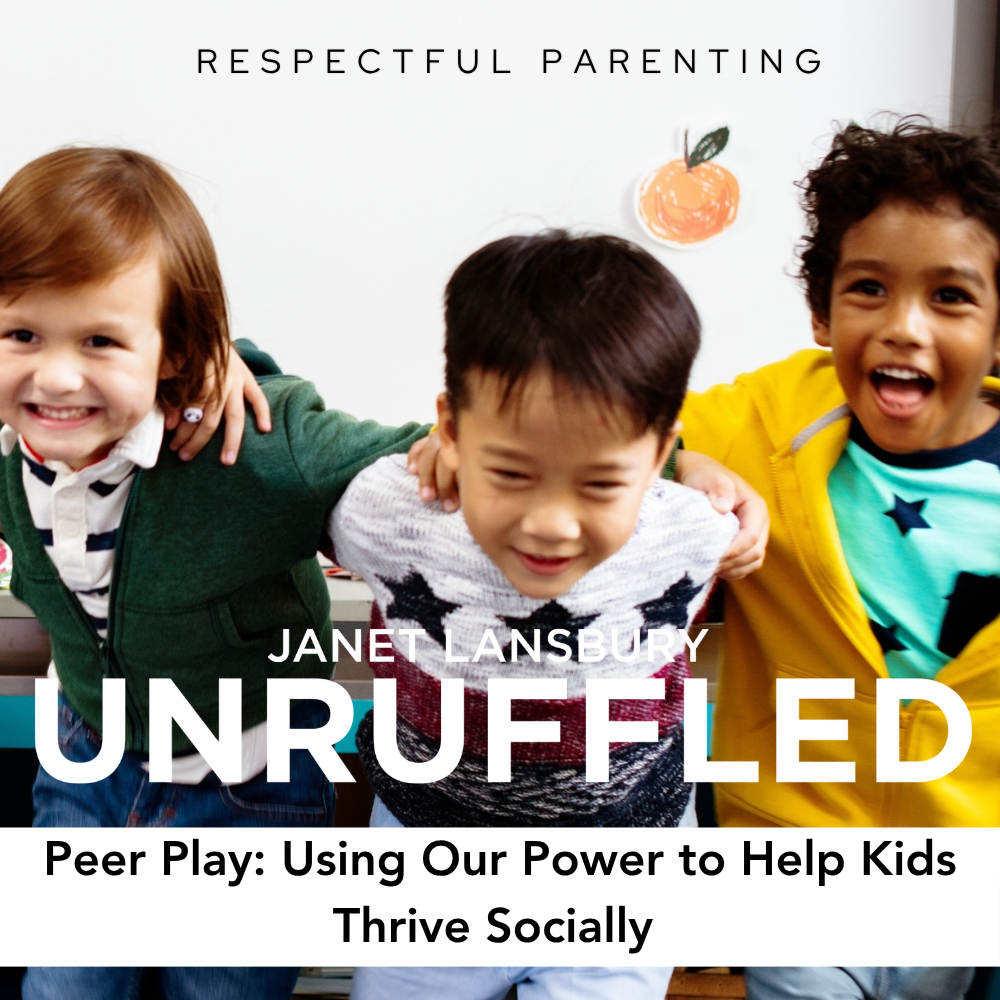
"This word gets thrown around a lot these days, ‘bullying,’ and I don’t think it applies to children this age at all," Lansbury stated. She suggested that the exclusion, while upsetting for the child, was more likely a result of the older girls operating on a different developmental wavelength, making it challenging for the younger child to integrate seamlessly into their group play.
This perspective aligns with sociological observations of group formation and exclusion. In peer groups, particularly among younger children, differences in developmental stages, interests, and social strategies can naturally lead to some individuals being perceived as "different" or less able to participate in the group’s current activities. The "monster" play, while potentially upsetting, could be interpreted as a form of imaginative exploration by the older children that the younger child did not understand or was not yet equipped to engage with.
Lansbury advised the parent to reframe the situation not as bullying, but as a challenging social scenario that the child could learn to navigate. She recommended supporting the child’s feelings of disappointment or sadness, but without pity or an urge to "fix" the situation by forcing inclusion. The parent’s role, according to Lansbury, is to trust the child’s ability to manage these experiences and to be a supportive listener.
The intervention of one father, who mandated that his daughter play with the other girl to avoid leaving, while well-intentioned, was seen by Lansbury as a temporary solution that bypassed the child’s opportunity to learn self-advocacy and resilience. Instead, Lansbury suggested that parents could help their children by setting realistic expectations. "Do you want to go there? I think it’s going to be all the girls there and they might not play with you today. Do you want to do it?" This approach empowers the child to make informed decisions and prepares them for potential disappointment, fostering a sense of agency.
The Reserved Child: Trusting the Pace of Social Comfort
The third query, a brief question from Instagram, focused on helping a reserved three-year-old become more comfortable around other people. Lansbury’s response to this was consistent with her broader philosophy: trust the child’s process.
She argued that pushing, coaxing, or attempting to "make" a reserved child comfortable can be counterproductive. Children, she explained, are on their own timelines for social engagement. A three-year-old who is reserved may simply need more time, a slower introduction, or a secure base (like a parent’s presence) to feel safe enough to explore social interactions.
"This is a path that a child is on, and some children just take longer or they only feel comfortable when it’s a certain way. That’s not for us to manage," Lansbury stated. She advocated for parents to be a steady, comfortable presence, setting their own boundaries (e.g., "I’ll be here, but I won’t follow you around") while trusting the child to engage at their own pace. This trust, she believes, builds a child’s internal confidence and self-assurance, which are the foundations for genuine social comfort.
The Power of Parental Boundaries and Trust
Lansbury’s overarching message is that parents possess significant power to influence their children’s social development, not through direct instruction or intervention, but through their own relational approach. This power is wielded through:
- Assertive Boundaries: When parents consistently and respectfully set boundaries, they model healthy self-care and teach children that relationships involve mutual respect, not absolute control. This is crucial for children who struggle with rigidity in play or demand compliance from peers.
- Trust in the Child’s Process: Allowing children to navigate social challenges, experience rejection, and find their own way to comfort builds resilience and self-efficacy. This requires parents to resist the urge to fix, rescue, or manage every social situation, and instead, to trust their child’s capacity to learn and grow.
The implications of Lansbury’s approach are significant. By shifting the focus from immediate problem-solving to fostering internal capacities, parents can equip their children with the long-term skills needed for healthy social relationships. This perspective acknowledges that social development is not a linear process that can be fast-tracked with quick fixes, but rather an organic journey that flourishes with parental support rooted in trust and clear, consistent boundaries. As Lansbury concluded, "This is all within your grasp. You can help your child more than you might think, but maybe not in the ways that we generally think."
