

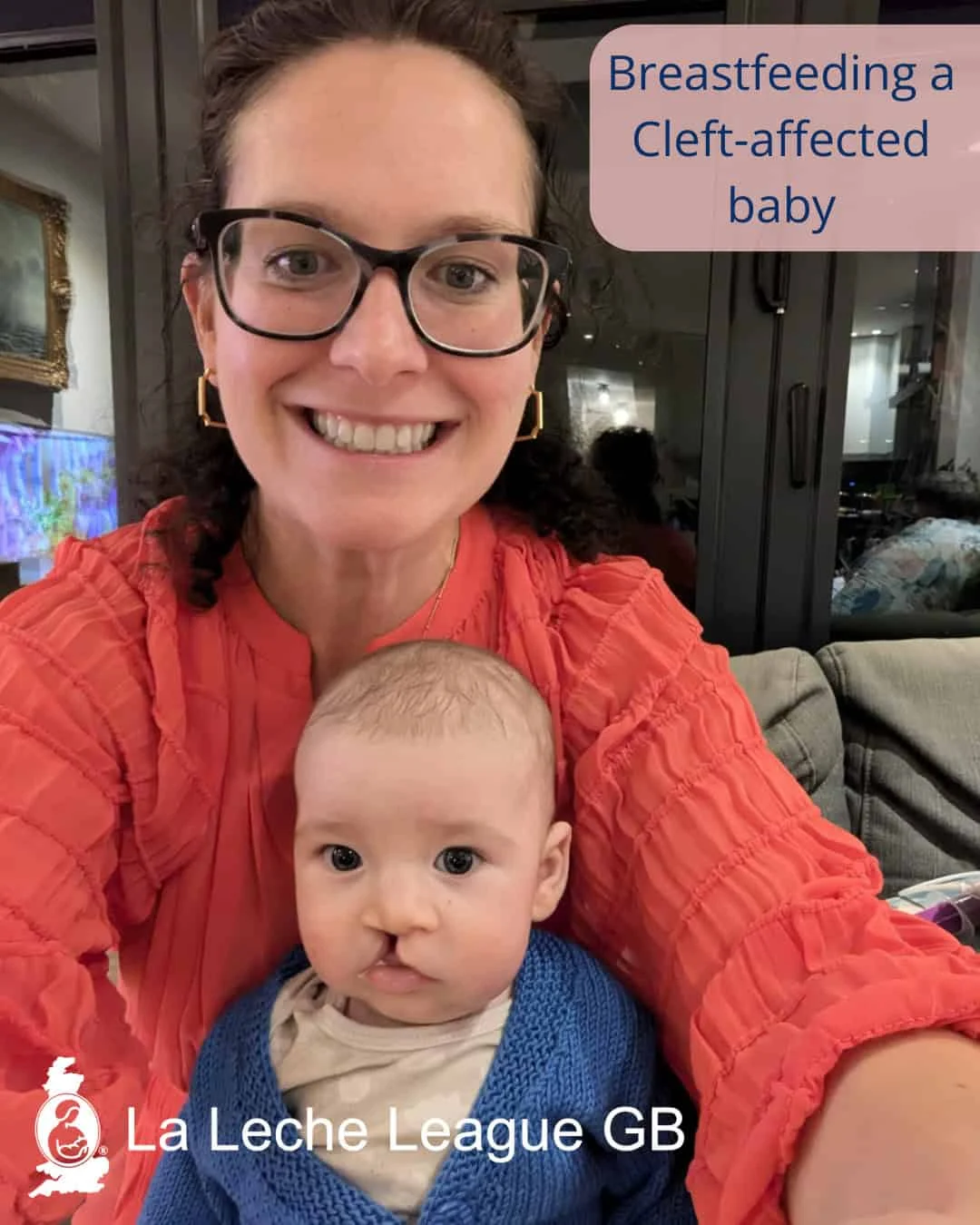
London, UK – A cleft lip or palate, a condition where the structures forming the baby’s upper lip or the roof of the mouth fail to fuse during prenatal development, affects approximately 1 in 700 babies globally, making it one of the most common birth differences. While babies with a cleft lip often adapt to breastfeeding with specific techniques, those with a cleft palate typically cannot generate the necessary suction pressure to effectively remove milk from the breast until surgical repair. This distinction underscores the complex journey many families face, highlighting the critical need for comprehensive support and adaptive feeding strategies to ensure optimal infant nutrition and maternal bonding.
Understanding Cleft Conditions and Their Impact on Feeding
Cleft lip and palate are congenital conditions that can occur independently or together, varying in severity. A cleft lip involves a split in the upper lip, which can range from a small notch to a complete separation extending into the nose. A cleft palate, a gap in the roof of the mouth, can affect the hard palate (bony front part), the soft palate (fleshy back part), or both. These anatomical variations directly impede a baby’s ability to create the necessary vacuum for successful breastfeeding. Without a complete seal around the nipple and areola, suction is compromised, making milk transfer inefficient or impossible.
The diagnosis of a cleft condition can occur prenatally through ultrasound scans, offering families valuable time for preparation, research, and consultation with specialist teams. For others, the diagnosis comes at birth, presenting an immediate need for information and support. Regardless of when the diagnosis is made, parents often experience a range of emotions, from shock and anxiety to determination to provide the best care for their child. The initial uncertainty surrounding feeding, particularly breastfeeding, is a common concern that requires sensitive and expert guidance.
The Indispensable Value of Human Milk for Cleft-Affected Infants

Despite the significant challenges, breastfeeding remains a highly recommended option for cleft-affected babies. The unique immunological, nutritional, and developmental benefits of human milk are even more crucial for these infants, who often face multiple medical interventions, including surgery. Breast milk provides vital antibodies that protect against infections, particularly ear infections and upper respiratory tract infections, which cleft-affected babies are more susceptible to due to the open connection between the mouth and nasal cavity. It also aids in tissue healing and recovery post-surgery, offering a natural and gentle source of nourishment.
Beyond the biological advantages, the act of breastfeeding fosters a deep bond between mother and child, promoting emotional well-being for both. For parents grappling with the emotional weight of a cleft diagnosis, the ability to breastfeed, even with adaptations, can be profoundly empowering, offering a sense of normalcy and connection.
A Chronology of Support: From Diagnosis to Post-Surgical Feeding
The feeding journey for a cleft-affected baby is often a structured, multi-stage process that benefits immensely from early intervention and sustained professional support.
-
Prenatal Diagnosis and Initial Planning: If a cleft is identified during pregnancy, expectant parents are typically connected with a multidisciplinary cleft team. This team, comprising plastic surgeons, pediatricians, audiologists, speech and language therapists, and specialist nurses, provides anticipatory guidance. Lactation consultants or breastfeeding specialists are integral to this team, discussing potential feeding challenges and strategies, including expressing milk, alternative feeding methods, and the possibility of direct breastfeeding with adaptations. Researching and planning in advance can significantly reduce stress and improve outcomes.
-
Immediate Post-Natal Period (Days 0-7): Establishing Milk Supply: The first few hours and days after birth are critical for establishing the mother’s milk supply, regardless of whether the baby can latch directly. Medical professionals strongly advise initiating milk expression within hours of birth. The breasts respond to frequent and effective milk removal by increasing production. For mothers whose babies cannot breastfeed efficiently, an electric hospital-grade double breast pump is often recommended as the most effective tool. Expressing 8-12 times in 24 hours during the initial weeks is crucial to signal the body to produce a full supply. This period is often intensive and demanding, requiring significant practical and emotional support for the mother.

-
Early Days Feeding (Weeks 1-4): Adapting and Supplementing: In the first days, babies consume small amounts of colostrum. If direct breastfeeding is not fully effective, supplemental feeding becomes necessary. Various methods exist, ranging from syringes and teaspoons for very small volumes to specialized bottles and nursing supplementers for larger feeds. Cleft specialist nurses can guide parents on suitable bottles and teats designed to bypass the suction issue, often featuring softer materials or one-way valves. The goal is to ensure the baby receives adequate nutrition while minimizing energy expenditure.
-
Pre-Surgical Phase (Weeks/Months 1-6): Maintaining Direct Latch and Supply: For babies with cleft lips, direct breastfeeding with adaptations (e.g., specific positioning, sealing the cleft with a finger) is often possible. For those with cleft palates, who rely heavily on expressed milk, maintaining some form of ‘at-the-breast’ activity, such as comfort nursing or using a nursing supplementer, is invaluable. This helps the baby "remember" the breast and strengthens the mother-infant bond, keeping the door open for full direct breastfeeding post-surgery. This period is marked by perseverance and continuous adjustment of feeding techniques as the baby grows.
-
Post-Surgical Recovery (Months 6-12+): Re-establishing Direct Breastfeeding: Cleft lip repair typically occurs around 3-6 months, and palate repair between 6-12 months. After palate surgery, babies often gain the ability to create suction for the first time. However, the transition to direct breastfeeding can still be challenging. Babies need to relearn how to use their newly repaired oral anatomy, build strength, and adjust to the sensation. Mothers are advised to maintain their milk supply by expressing during this period. The immune and healing properties of breast milk are especially beneficial during recovery. Patience and consistent support from lactation professionals are vital as the baby builds confidence and skill at the breast over several weeks or even months.
Strategies for Successful Breastfeeding with a Cleft-Affected Baby
Success in breastfeeding a cleft-affected baby often hinges on a combination of robust milk production, adaptive feeding techniques, and strong support networks.
-
Maintaining Milk Production: This is paramount. Consistent and effective milk removal, ideally using a hospital-grade double electric breast pump if direct feeding is limited, ensures a steady supply. Mothers are encouraged to pump frequently, mimicking a newborn’s feeding pattern (8-12 times in 24 hours), especially in the early weeks. Over time, many mothers find they can reduce pumping frequency while maintaining output.

-
Adaptive Feeding Methods in the Early Days:
- Syringe/Teaspoon Feeding: Suitable for colostrum in the first day or two.
- Specialized Bottles: Bottles designed for cleft-affected babies often have elongated teats, a softer material, or features that control milk flow without requiring strong suction (e.g., Dr. Brown’s Specialty Feeding System, Haberman Feeder). Your cleft specialist nurse will advise on the best option.
- Cup Feeding: A gentle method suitable for small amounts of milk, avoiding nipple confusion.
-
The Nursing Supplementer: Bridging the Gap: A nursing supplementer (also known as a supplemental nursing system or lactation aid) is a powerful tool. It allows a baby to latch onto the breast and receive supplemental milk (expressed breast milk, donor milk, or formula) through a thin tube taped next to the nipple. This system offers numerous benefits:
- Stimulates Milk Supply: The baby’s sucking at the breast helps stimulate maternal milk production.
- Promotes Bonding: Facilitates skin-to-skin contact and the intimate experience of nursing.
- Develops Oral Motor Skills: Encourages the baby to practice latching and sucking, even if suction is limited.
- Psychological Benefits: For mothers, it provides the profound satisfaction of breastfeeding their baby directly.
Nursing supplementers come in various forms (bag, bottle, or syringe-based systems). For babies with cleft palates, where suction is impaired, milk often needs to be delivered rather than solely sucked. This can involve gently squeezing a bag/bottle or using a syringe to push milk through the tube. Mastering the supplementer requires practice and perseverance, but the reward of direct nursing can be immense. Support from an experienced lactation consultant is highly recommended for proper setup and technique.
-
Optimal Feeding Positions: Finding a comfortable and effective position is highly individualized. Key considerations for cleft-affected babies include:
- Upright Positioning: Keeping the baby in a more upright or semi-upright position can help prevent milk from escaping through the nose and facilitate swallowing.
- Cross-Cradle Hold: Allows the mother to support the baby’s head and neck effectively, guiding the breast into the baby’s mouth.
- Football Hold: Provides excellent head control and allows the mother to see the baby’s mouth clearly.
- Supporting the Cleft: For a cleft lip, gently sealing the opening with a finger or breast tissue can sometimes improve the latch and suction.
- Frequent Burping: Cleft-affected babies may swallow more air during feeds, necessitating more frequent burping.
The Indispensable Role of Specialist Teams and Support Networks
The journey of breastfeeding a cleft-affected baby is rarely undertaken alone. Multidisciplinary cleft teams, typically found in specialized hospitals, are the cornerstone of care. These teams provide coordinated medical, surgical, and therapeutic interventions. Within this framework, lactation consultants and specialist nurses play a crucial role, offering individualized feeding plans, demonstrating techniques, and providing ongoing troubleshooting.

Beyond clinical support, peer support groups and organizations like La Leche League (LLL) offer invaluable emotional and practical assistance. Connecting with other mothers who have successfully nursed their cleft-affected babies provides encouragement, shared experiences, and a sense of community. Testimonials, such as Sarah’s story about nursing her son Russ, powerfully illustrate the dedication and triumph involved in these journeys. These narratives normalize the challenges and celebrate the achievements, fostering hope and resilience among new parents.
Broader Impact and Implications
The successful feeding of cleft-affected infants, particularly through human milk, has far-reaching implications.
- Health Outcomes: Reduced incidence of ear infections, improved respiratory health, and enhanced gastrointestinal development contribute to fewer hospitalizations and better overall health for these vulnerable infants.
- Developmental Benefits: The oral motor stimulation from breastfeeding or using supplementers can contribute positively to jaw and facial development, potentially influencing speech outcomes later on.
- Psychological Well-being: For mothers, the ability to breastfeed can significantly reduce feelings of guilt or inadequacy, fostering a strong maternal bond and improving mental health outcomes. For the baby, the comfort and security of nursing are invaluable.
- Economic Impact: While challenging initially, successful breastfeeding can reduce healthcare costs associated with formula feeding, recurrent infections, and prolonged hospital stays.
- Societal Awareness: Greater public and professional awareness of the possibilities and benefits of breastfeeding cleft-affected babies can lead to improved support systems and more inclusive healthcare practices.
Future Outlook
Ongoing research continues to refine surgical techniques, improve early diagnostic capabilities, and develop more sophisticated feeding aids. Emphasis is increasingly placed on holistic, family-centered care that integrates feeding support as a core component from the moment of diagnosis. The goal is to empower families with the knowledge, tools, and emotional resilience needed to navigate this unique journey successfully, ensuring every cleft-affected baby receives the best possible start in life, supported by the profound benefits of human milk and maternal love.
References (Inferred from original article and common knowledge in the field):
- La Leche League International and La Leche League GB resources on breastfeeding and cleft conditions.
- World Health Organization (WHO) and UNICEF guidelines on infant feeding.
- Medical literature on cleft lip and palate care and outcomes.
- Specialist cleft care guidelines from national health services.
