

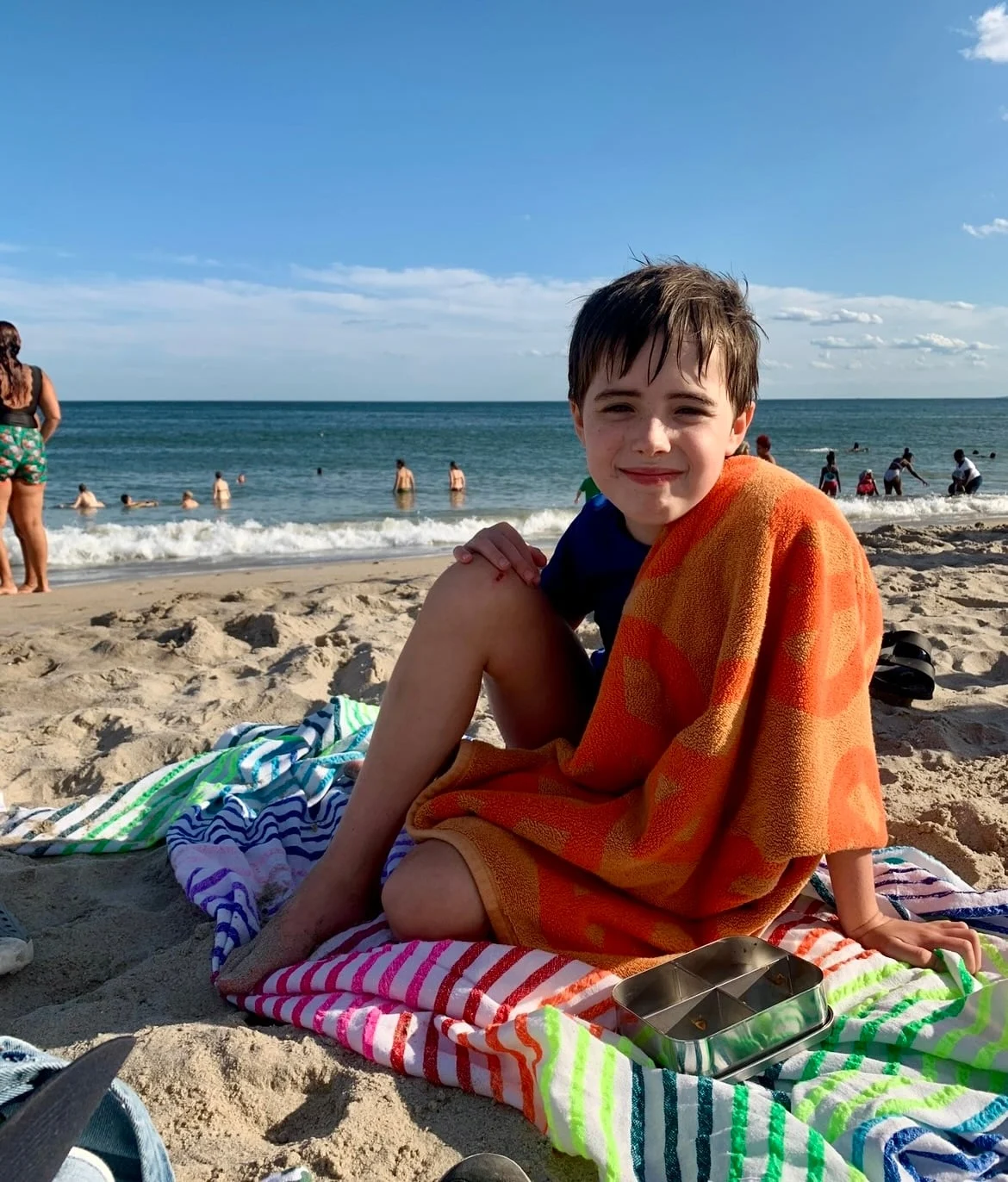
The perennial challenge of maintaining engagement and safety for children during coastal excursions while ensuring parental relaxation has long been a subject of discussion among family travel experts. For many families frequenting urban coastal destinations like Rockaway Beach in Queens, New York, the transition from a stressful outing to a rejuvenating experience often hinges on a singular, overlooked logistical detail. Recent observations and anecdotal evidence from seasoned travelers suggest that the traditional reliance on lightweight, plastic sand toys is being superseded by a more robust approach: the introduction of heavy-duty, adult-grade shovels into the family beach kit. This shift in equipment reflects a broader trend in "slow parenting" and open-ended play, where durable tools facilitate deeper immersion in the environment, thereby reducing the restlessness often associated with younger children in high-sensory settings.
The Evolution of Coastal Leisure and the "Shovel Hack"
The logistical difficulties of beach travel are well-documented. Parents often report a phenomenon where the initial excitement of the seaside is quickly replaced by heat-induced irritability and a lack of sustained activity for children. In the case of frequent visitors to the New York City coastline, the environment of Rockaway Beach—characterized by its vast stretches of sand and rhythmic Atlantic surf—presents both an opportunity for play and a challenge for supervision.
The strategy of utilizing a high-quality shovel, rather than the standard "flimsy" toy variants, reportedly originated from a communal exchange of parental wisdom. Observers have noted that the structural integrity of a heavy-duty shovel allows for more ambitious engineering projects, such as the construction of elaborate sandcastles with functioning moats or deep excavations that interact with the tide. This level of engagement serves a dual purpose: it provides children with a focused, long-term project that requires physical exertion and creative problem-solving, and it allows guardians to maintain a "watchful but relaxed" posture, often permitting time for personal leisure activities like reading.
Geographical Context: The Significance of Rockaway Beach
Rockaway Beach serves as a critical case study for this behavioral shift. As the largest urban beach in the United States, stretching over 170 acres, it is a primary destination for residents of the New York metropolitan area. The beach’s unique geography, which includes both tranquil areas and active surfing zones, necessitates a versatile approach to family entertainment.
Historically, Rockaway has undergone significant transformations, particularly following the reconstruction efforts after Hurricane Sandy in 2012. The modernization of the boardwalk and the influx of diverse concessions have made it a premier site for "day-tripping" families. However, the intensity of the sun and the density of the crowds can exacerbate the restlessness of children. The adoption of the "shovel strategy" in this specific environment highlights the need for high-engagement activities that can be performed within a limited square footage of sand, keeping children occupied without requiring them to roam far from their home base.

The Psychology of Open-Ended Play and Child Development
Child development specialists often categorize sand play as a form of "open-ended play," which is defined by a lack of set rules or a specific "correct" way to use a toy. Unlike electronic devices or structured games, a shovel and sand offer infinite possibilities. According to pedagogical theories, such as those championed by the Montessori and Waldorf methods, providing children with "real" tools—even in a play setting—fosters a sense of responsibility and enhances fine and gross motor skills.
Data from educational psychology suggests that when children are given tools that are functional and durable, their "play-work" becomes more intentional. A heavy-duty shovel allows a child to move larger volumes of sand, facilitating the creation of structures that can withstand the elements for longer periods. This sense of accomplishment is linked to increased dopamine levels and sustained attention spans. Furthermore, the collaborative nature of large-scale sand projects often attracts other children, fostering spontaneous social interaction and the development of communal problem-solving skills without direct adult intervention.
Supporting Data: The Economics of Durable Goods in Leisure
The shift toward higher-quality beach equipment also mirrors broader consumer trends in the United States. According to market research on the "Experience Economy," modern consumers are increasingly prioritizing "fewer, better" items that enhance the quality of their leisure time.
- Durability vs. Waste: The traditional plastic beach toy market is estimated to contribute significantly to seasonal plastic waste. A single heavy-duty shovel, often made of reinforced polymers or metal with a wooden handle, can last for a decade, whereas cheap plastic sets frequently break within a single afternoon.
- Parental Productivity: Internal surveys among travel-focused communities indicate that parents who provide high-engagement tools for their children report a 40% increase in their own "perceived relaxation time" during outings.
- The "Prop Effect": The presence of a substantial tool acts as a social anchor. In crowded environments like Rockaway, a large-scale digging site provides a clear physical boundary for a family’s space, reducing the likelihood of territorial disputes with other beachgoers.
Comparative Analysis of Beach Equipment
While the shovel is the primary catalyst for a successful beach day, a comprehensive kit often includes secondary items that support varied energy levels. Journalistic observation of successful family excursions identifies a hierarchy of equipment:
- Primary (High Energy): Heavy-duty shovels and buckets for structural engineering.
- Secondary (Social/Low Energy): Portable card games such as Uno, which provide a transition during the high-heat hours of midday when physical exertion is less desirable.
- Tertiary (Active/Mobile): Aerodynamic discs (frisbees) and nets for exploring tide pools, which encourage movement along the shoreline.
The synergy of these items allows for a "rhythmic" beach day, alternating between high-intensity building and low-intensity cognitive play. This variety is essential for managing the diverse needs of multiple children, as seen in the cases of siblings with differing temperaments.
Official Responses and Safety Considerations
While the "shovel hack" is widely praised for its entertainment value, safety experts emphasize the importance of responsible excavation. The National Park Service and various coastal management organizations have previously issued guidelines regarding sand digging to prevent accidents.

- Hole Depth: Safety protocols suggest that sand holes should never be deeper than the knees of the smallest person in the group to prevent "sand-in" accidents or collapses.
- Refilling: It is a standard "Leave No Trace" principle to refill all holes before departing the beach. This prevents injuries to other pedestrians, emergency vehicles, and nesting wildlife, such as sea turtles.
- Tool Safety: Heavy-duty shovels should be used under supervision to ensure they are not used in a manner that could cause injury to the child or others nearby.
When these safety measures are observed, the use of professional-grade tools is generally regarded as a positive enhancement to the outdoor experience.
Broader Implications for Family Travel and Well-being
The adoption of the "shovel strategy" is more than a simple travel tip; it represents a micro-adjustment in the philosophy of family leisure. By shifting the focus from "entertaining" children to "equipping" them, parents are able to reclaim their own leisure time, transforming the beach from a site of labor-intensive supervision into a shared space of restorative rest.
This approach aligns with the growing "low-key summer" movement, which advocates for reducing the complexity of vacation planning in favor of high-quality, repeatable rituals. The simplicity of a good shovel, a deck of cards, and a book represents a return to foundational play. As families look toward future travel seasons, the emphasis on durable, multi-functional tools is expected to grow, reflecting a collective desire for sustainability, efficiency, and genuine relaxation in an increasingly fast-paced world.
In conclusion, the success of a beach outing—whether at Rockaway or any other coastal destination—is frequently determined by the tools provided. The transition from flimsy, short-lived toys to substantial, purposeful equipment serves as a catalyst for deeper engagement, better social dynamics among children, and a significantly improved experience for parents. This "riddle" of beach travel, once solved, offers a blueprint for more harmonious family interactions in nature.
