

The traditional American breakfast, long dominated by high-sugar cereals and refined carbohydrates, is undergoing a significant transformation as families increasingly prioritize portable, nutrient-dense alternatives that do not sacrifice convenience. Among the most prominent entries in this shifting culinary landscape is the "breakfast cookie," a format that recontextualizes the nutritional profile of a standard bowl of oatmeal into a handheld, shelf-stable unit. These cookies have emerged as a staple for households seeking to balance the demands of morning schedules with the physiological needs of growing children and busy adults. By utilizing a foundation of whole grains, fiber-rich fruits, and plant-based proteins, the modern breakfast cookie serves as a case study in how meal-prepping strategies can mitigate the "time poverty" often associated with early-hour nutrition.
The Macronutrient Profile and Nutritional Foundation
At the core of the breakfast cookie’s appeal is its specific macronutrient distribution, which is designed to provide sustained energy release rather than the rapid glucose spikes associated with traditional baked goods. According to nutritional data, a single serving of a high-quality breakfast cookie typically contains approximately 157 calories, 4 grams of protein, and 4 grams of dietary fiber. This balance is critical for pediatric nutrition, where blood sugar stability is directly linked to cognitive performance and behavioral regulation in a classroom setting.
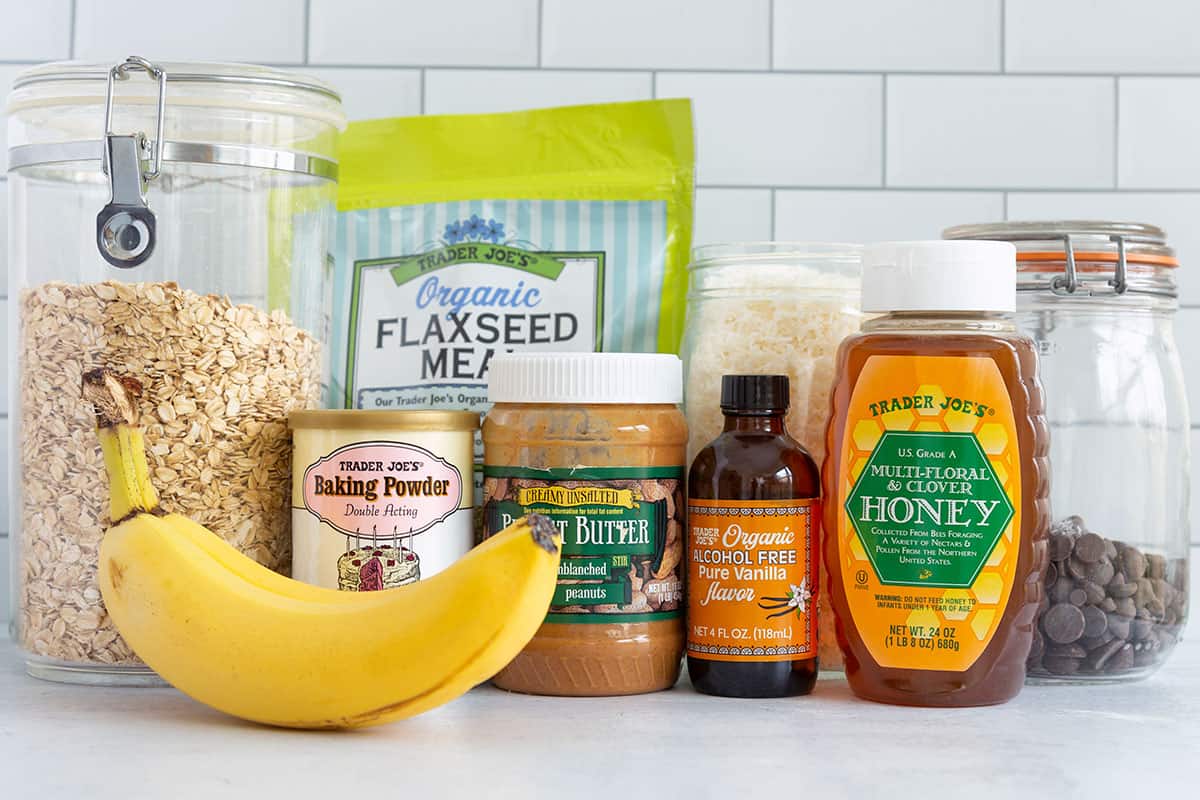
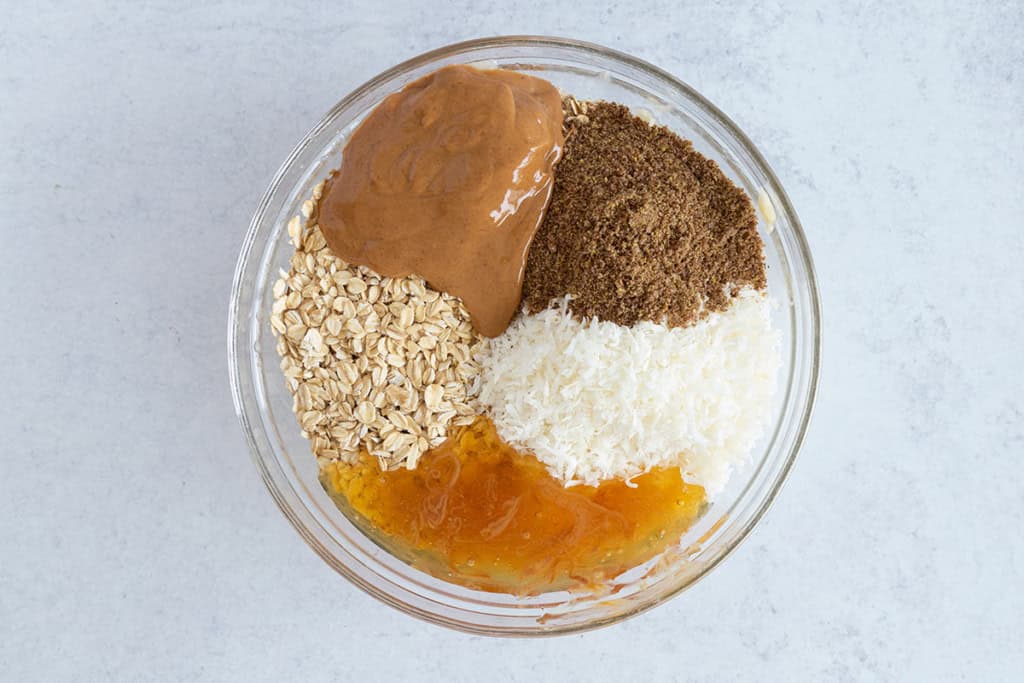
The use of mashed bananas serves a dual purpose: it acts as a natural sweetener, reducing the reliance on refined sugars, and provides a significant source of potassium and Vitamin C. When combined with rolled oats, the cookies offer a high concentration of beta-glucan, a type of soluble fiber known to support heart health and improve digestion. The inclusion of healthy fats, often derived from nut butters or sunflower seed butter, ensures that the cookies have a high satiety index, keeping consumers full until their next meal. This is particularly relevant for postpartum mothers and athletes who require dense caloric intake in a compact form.
A Decade of Recipe Evolution: A Chronology
The development of the contemporary breakfast cookie is not a recent phenomenon but the result of over a decade of iterative refinement by home cooks and nutritional advocates. The timeline of this recipe’s evolution reflects broader trends in the health food industry:
- 2014–2016: The Rise of Whole Food Substitutes. During this period, there was a marked shift toward "clean eating," where processed flours began to be replaced by whole-grain oats and almond meal.
- 2017–2019: Emphasis on Allergen-Friendly Options. As awareness of pediatric allergies grew, the recipe was adapted to include nut-free alternatives like sunflower seed butter and gluten-free certified oats, making it a viable option for school environments.
- 2020–2022: The Meal-Prep Revolution. The global pandemic led to an increase in home baking and a focus on "bulk cooking." The breakfast cookie became a favorite for its ability to be frozen and stored for up to three months without losing its structural integrity or flavor profile.
- 2023–Present: Functional Nutrition. Modern iterations now often include "boosters" such as chia seeds, flaxseed, or protein powders, aligning the cookie with the functional food movement that views every meal as an opportunity for physiological optimization.
Structural Integrity and the Science of Batch Baking
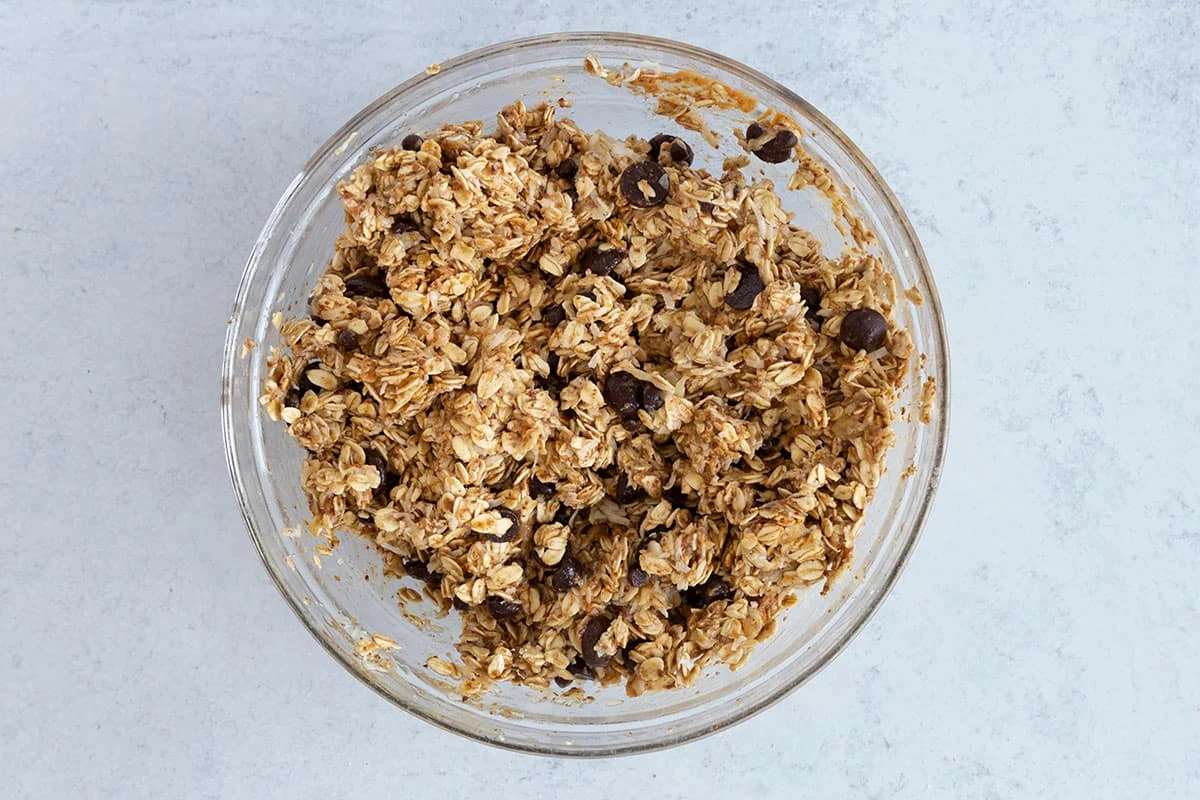
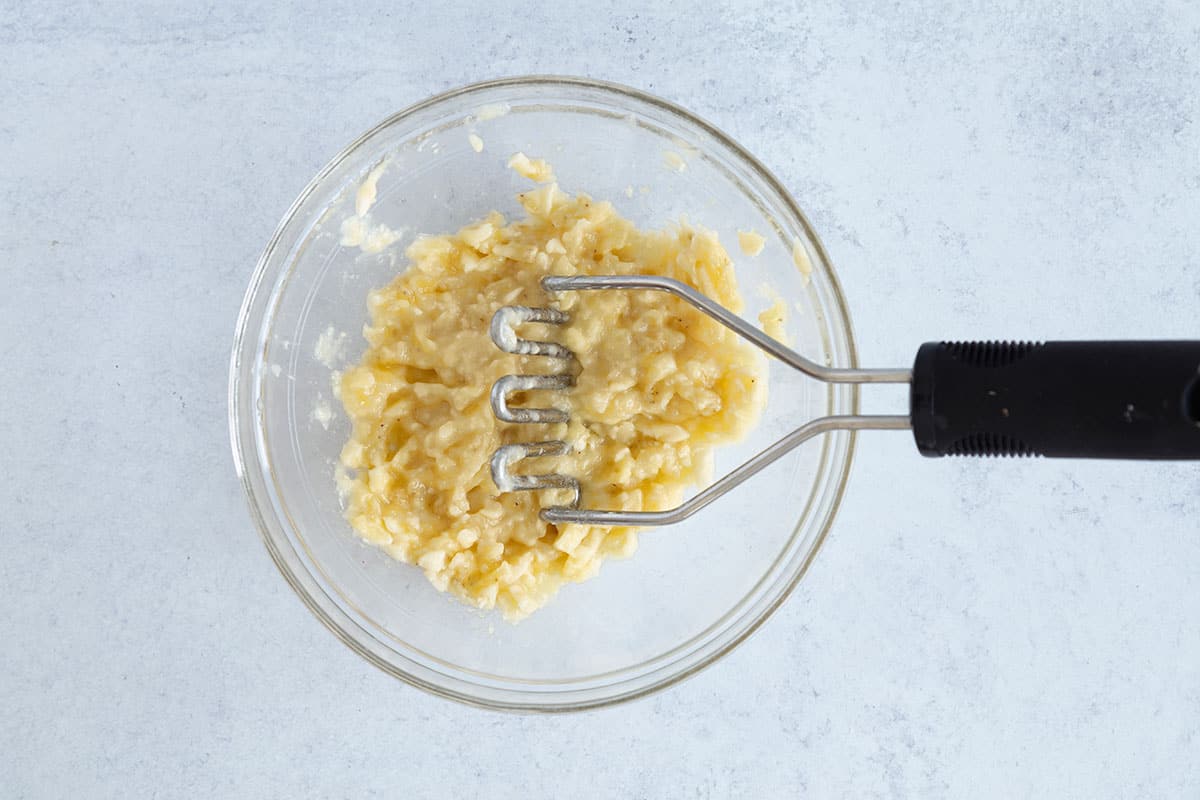
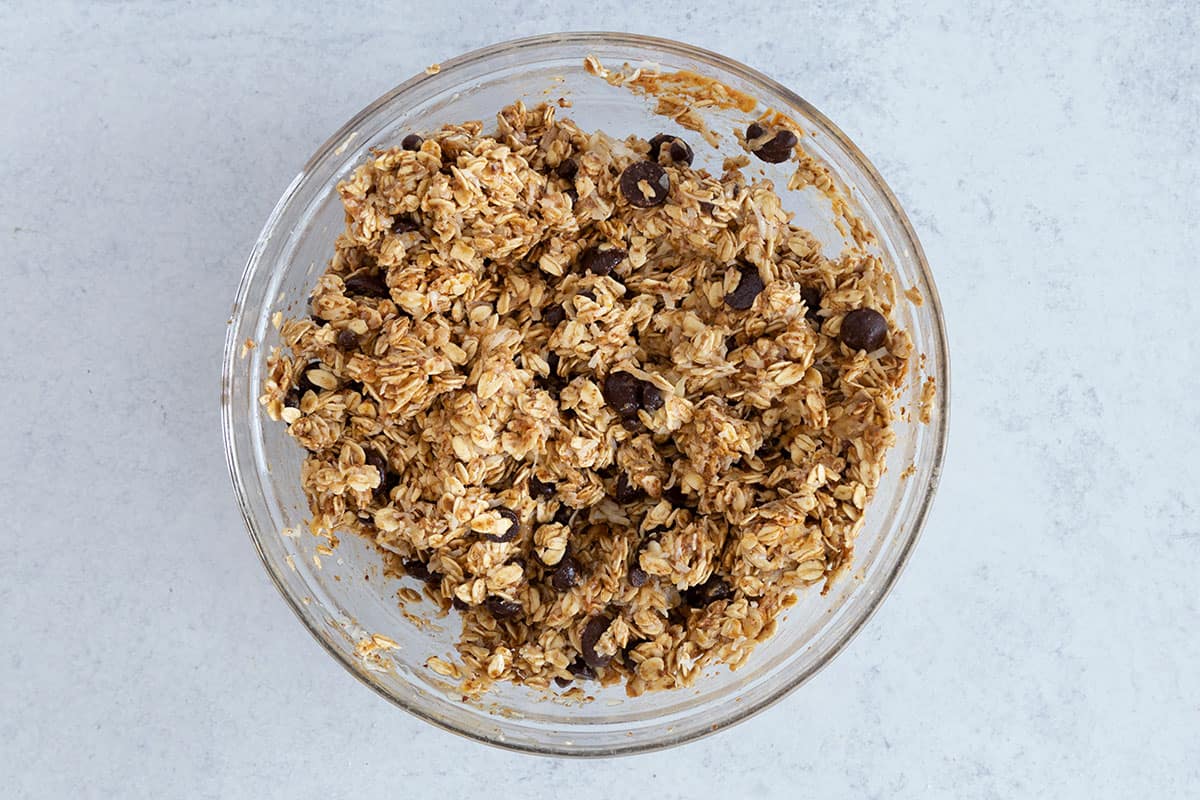
The process of creating a successful breakfast cookie relies on the chemical interaction between wet and dry ingredients without the use of traditional binders like large quantities of butter or eggs. The methodology involves mashing bananas to a smooth consistency, which provides the moisture necessary to hydrate the oats. This hydration process is essential; as the oats absorb the moisture from the bananas and the chosen sweetener—typically honey or maple syrup—they soften, creating a chewy texture that mimics a traditional cookie while maintaining the density of a granola bar.
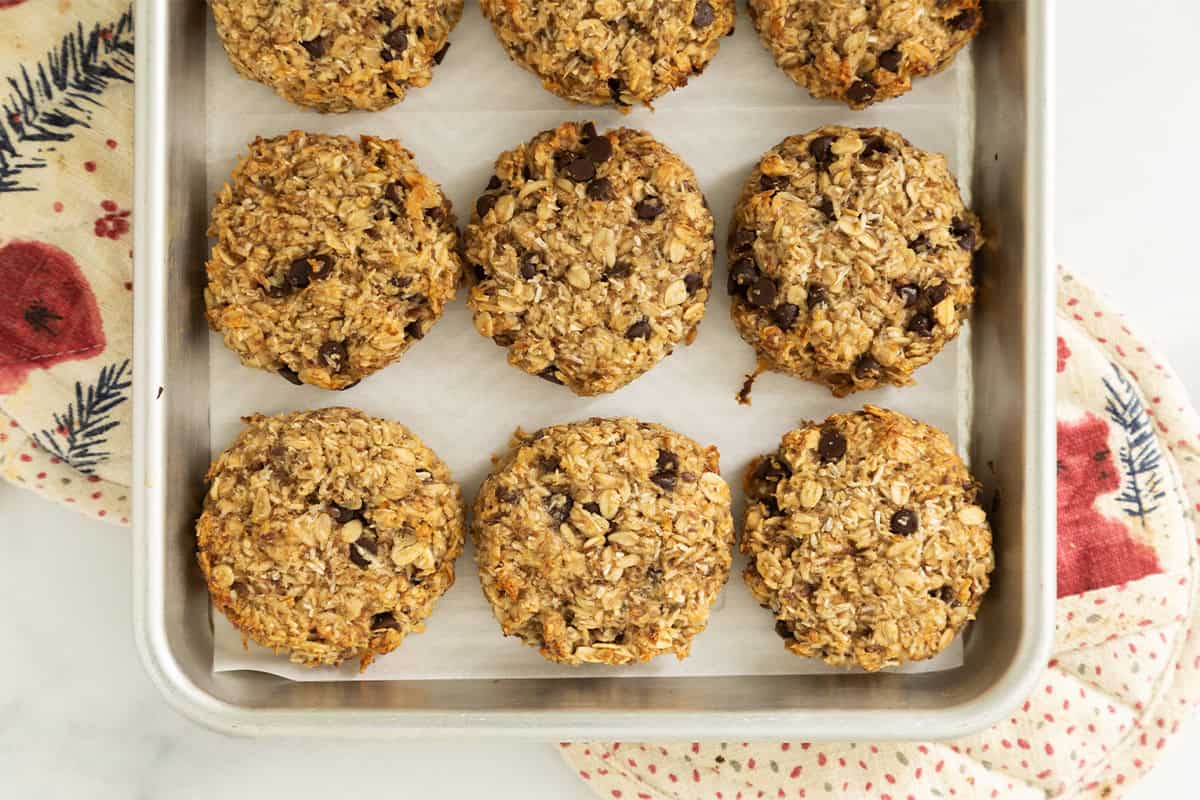
The baking process itself is streamlined for efficiency. A standard yield of 12 cookies can be produced in less than 30 minutes, including preparation time. This efficiency is a primary driver for the recipe’s popularity among parents. By scooping 1/4-cup portions onto a lined baking sheet and flattening them before baking, cooks ensure even heat distribution, resulting in a product that is firm enough to be portable but soft enough for toddlers to consume safely.
Addressing Dietary Diversity and Allergen Management
One of the most significant challenges in modern food preparation is the high prevalence of dietary restrictions. The breakfast cookie has been praised by nutritionists for its inherent flexibility. For families dealing with peanut allergies, the substitution of almond butter or sunflower seed butter provides a seamless transition without compromising the fat content required for satiety.
Furthermore, the transition from honey to maple syrup allows the recipe to become entirely vegan, catering to the growing demographic of plant-based households. The "add-in" culture surrounding the recipe also allows for micro-adjustments based on nutritional needs or taste preferences. While dark chocolate chips are a popular choice for increasing antioxidant intake and child appeal, they can be easily replaced with raisins, dried cranberries, or snipped dried mango for those seeking to avoid caffeine or processed chocolate.
Storage Logistics and Economic Implications
From a household economics perspective, the breakfast cookie represents a cost-effective alternative to pre-packaged granola bars or "on-the-go" breakfast sandwiches. The primary ingredients—oats, bananas, and nut butters—are shelf-stable staples that can be purchased in bulk.
The storage capabilities of the cookies further enhance their value proposition:
- Room Temperature: Suitable for up to three days, making them ideal for short-term consumption.
- Refrigeration: Extends shelf life to one week, maintaining moisture levels.
- Freezing: Provides a long-term solution for up to 90 days, allowing families to bake in massive quantities once a month to cover 20-30 breakfast cycles.
This "bake once, eat for a week" model reduces the daily labor of breakfast preparation, which experts suggest can lower morning stress levels for parents and improve the likelihood that children will actually eat a meal before leaving for school.
Expert Analysis: The Impact of Portable Nutrition
Pediatric dietitians have noted that the format of a "cookie" can have a positive psychological impact on "picky eaters." By presenting a nutrient-dense meal in a familiar, treat-like format, parents can bypass the power struggles often associated with traditional porridges or vegetable-heavy breakfasts.
"The breakfast cookie is essentially a delivery vehicle for complex carbohydrates and healthy fats," states one nutritional analyst. "When you look at the data—40mg of calcium, 1mg of iron, and 206mg of potassium per serving—you see a profile that rivals many fortified cereals but without the high sodium or artificial preservatives."
The inclusion of fiber is particularly noteworthy. With 4 grams of fiber per cookie, a child consuming two cookies for breakfast would meet nearly half of their daily fiber requirement before 9:00 AM. This has significant implications for long-term metabolic health and the prevention of childhood obesity, as high-fiber diets are linked to better weight management and insulin sensitivity.
Broader Societal Impact and Future Trends
As the lines between "snack food" and "meal food" continue to blur, the breakfast cookie is positioned at the intersection of several major consumer trends: the demand for transparency in ingredients, the rise of the "prosumer" (consumers who produce their own food), and the prioritization of gut health.
Looking forward, the evolution of the breakfast cookie is likely to incorporate more ancient grains—such as quinoa flakes or amaranth—and savory variations that utilize seeds and spices to reduce sugar content even further. The success of this format suggests that the future of the American breakfast is not found in a box on a grocery store shelf, but in versatile, homemade solutions that can be adapted to the specific health profiles of individual family members.
In conclusion, the breakfast cookie is more than a culinary trend; it is a functional response to the complexities of modern life. By combining the nutritional rigor of a traditional cooked breakfast with the convenience of a snack, it provides a sustainable path forward for health-conscious families. As more households adopt these meal-prepping strategies, the impact on public health—starting with the youngest members of society—could be substantial, fostering a new generation that views healthy eating as both accessible and enjoyable.
