

The snack food industry has undergone a radical transformation over the last decade, shifting away from processed, high-sugar commodities toward nutrient-dense, "clean label" alternatives that prioritize whole-food ingredients. At the forefront of this movement is the "bliss ball"—a spherical, no-bake snack typically composed of dried fruits, nuts, and seeds. Among the various iterations of this format, the Chocolate Bliss Ball has emerged as a particularly significant development in pediatric and maternal nutrition. By utilizing a minimalist profile of five primary ingredients—dates, cashews, cocoa powder, vanilla, and water—this snack addresses the growing demand for food products that provide high satiety and caloric efficiency without the inclusion of refined sugars or synthetic preservatives.
The Biochemical Foundation of Date-Based Sweetening
The primary structural and sweetening component of Chocolate Bliss Balls is the date, typically the Medjool or Deglet Noor variety. From a nutritional science perspective, dates serve as a sophisticated alternative to sucrose. While high in natural sugars, dates possess a low-to-moderate glycemic index (GI), largely due to their high fiber content. This fiber slows the absorption of glucose into the bloodstream, preventing the rapid insulin spikes associated with traditional confectionery.
Data from the USDA National Nutrient Database indicates that dates are a rich source of essential minerals, including potassium, magnesium, and copper. In the context of a toddler’s diet, these micronutrients are critical for bone development and neurological function. Furthermore, dates contain a variety of antioxidants, such as flavonoids, carotenoids, and phenolic acid, which have been studied for their potential to reduce inflammation and support cellular health. In the preparation of bliss balls, the fibrous texture of the date acts as a natural binder, eliminating the need for corn syrup or other industrial adhesives common in commercial snack bars.
Structural Integrity and Lipid Profiles: The Role of Cashews
The inclusion of cashews—or sunflower seeds for nut-free protocols—provides the lipid and protein framework necessary for a balanced nutritional profile. Cashews are predominantly composed of monounsaturated fats, specifically oleic acid, which is associated with cardiovascular health. For the pediatric demographic, these healthy fats are essential for brain development and the absorption of fat-soluble vitamins (A, D, E, and K).
In the mechanical process of creating bliss balls, the cashews undergo a "soaking and pulsing" chronology. Soaking the nuts serves a dual purpose: it softens the cellular walls to facilitate a smoother emulsion in the food processor and, according to some nutritional theories, may reduce the presence of phytates, thereby increasing the bioavailability of minerals. When processed, the oils within the nuts are released, creating a cohesive batter that allows the final product to maintain its shape at room temperature or under refrigeration.
A Chronology of the No-Bake Snack Movement
The rise of the Chocolate Bliss Ball can be traced through a specific timeline of culinary and health trends:
- The Early 2000s (The Processed Era): Commercial "energy bars" dominated the market, often containing upwards of 20 ingredients, including high-fructose corn syrup and soy protein isolates.
- 2010-2015 (The Raw Food Revolution): The "Paleo" and "Raw Food" movements popularized the use of dates and nuts as a base for snacks. This period saw the birth of the "energy ball" in boutique health cafes.
- 2016-2020 (Pediatric Integration): Nutritionists began advocating for "sugar-free" childhoods, leading parents to seek homemade alternatives to packaged fruit snacks and cookies. The term "Bliss Ball" gained traction as a more palatable, kid-friendly descriptor.
- 2021-Present (Functional Specialization): Recipes became refined for specific life stages, such as pregnancy and postpartum. The Chocolate Bliss Ball became a recommended "lactation snack" or "toddler bridge meal" due to its balance of fats, fiber, and protein.
Technical Specifications and Production Workflow
The creation of Chocolate Bliss Balls follows a standardized culinary protocol designed to maximize texture and flavor while minimizing preparation time. The process is characterized by four distinct phases:
Phase I: Hydration and Softening
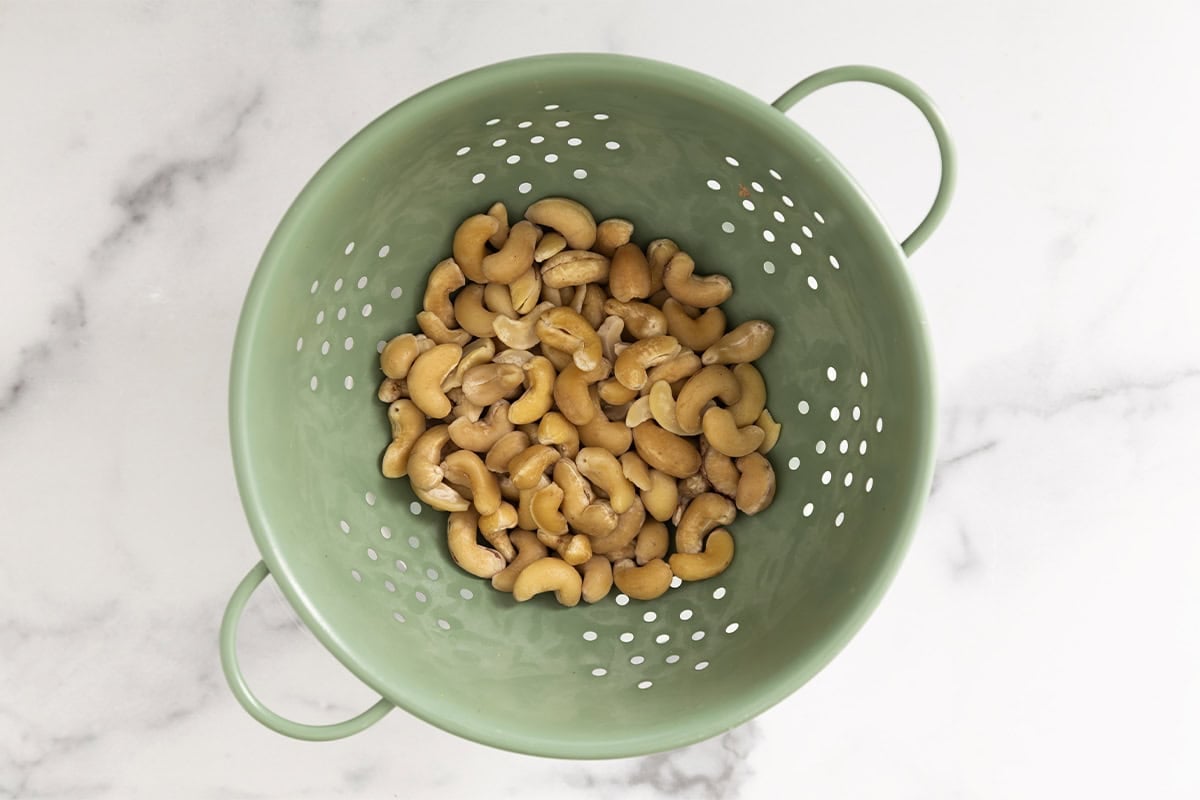
The raw cashews are submerged in water for a predetermined period. This hydration phase is critical for achieving a "fudge-like" consistency. Without this step, the resulting snack would be granular and potentially difficult for younger children to masticate.
Phase II: Emulsification
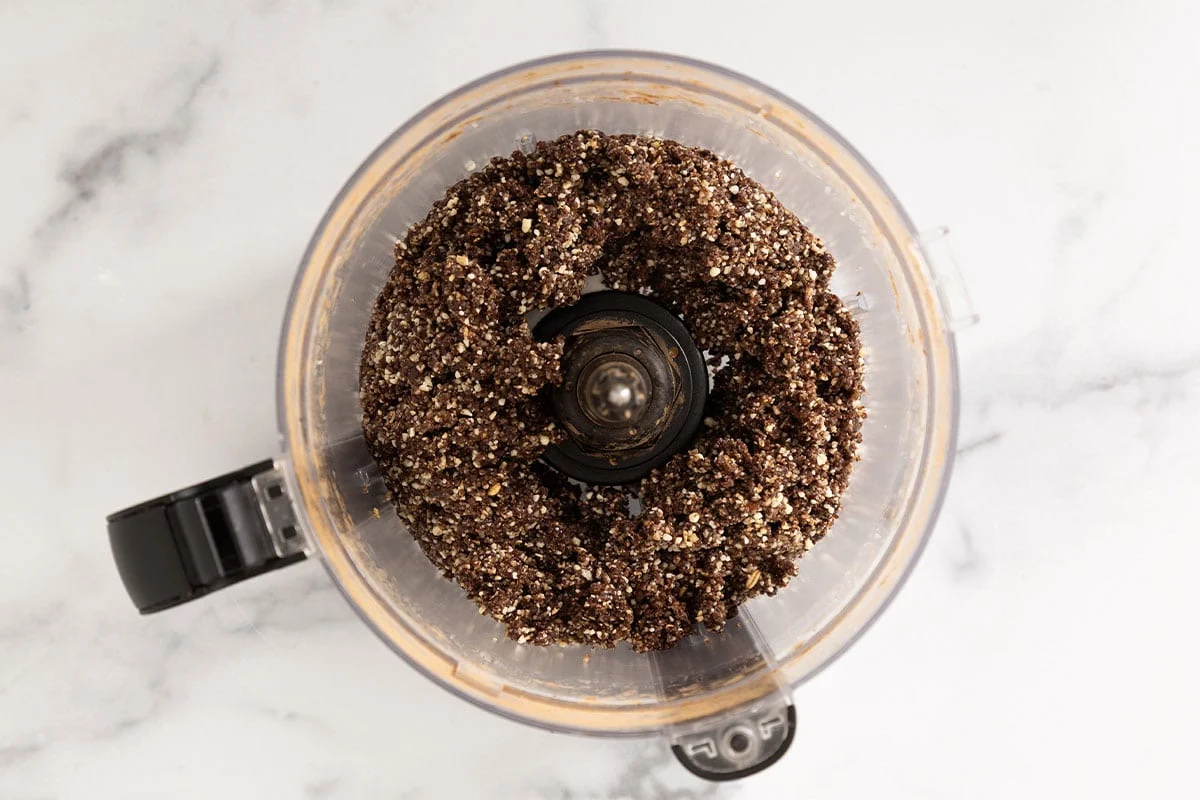
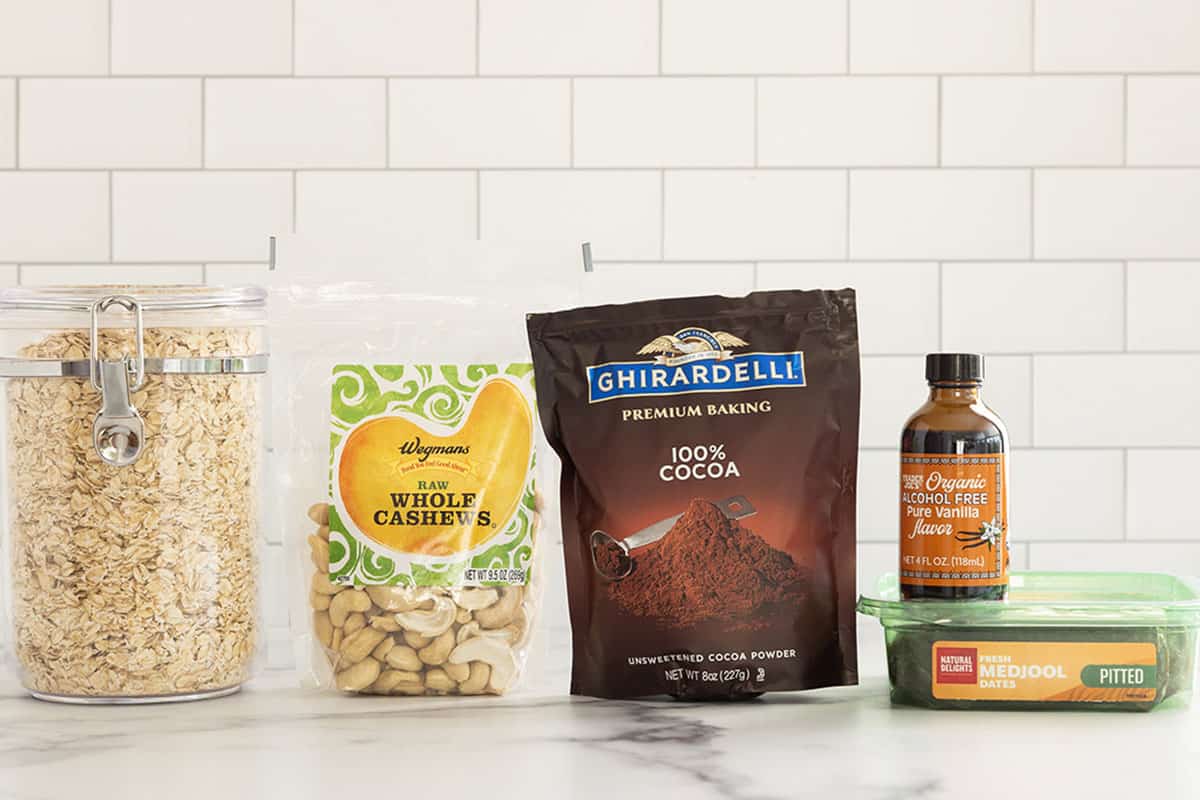
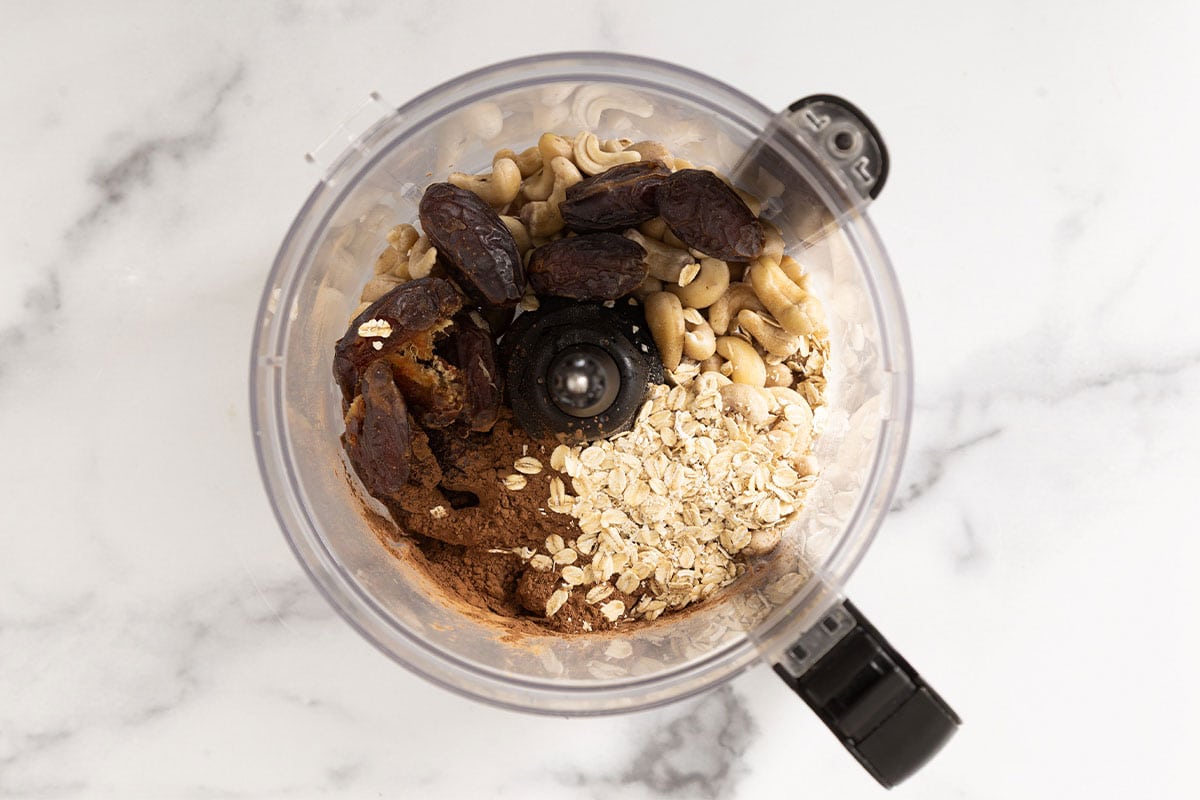
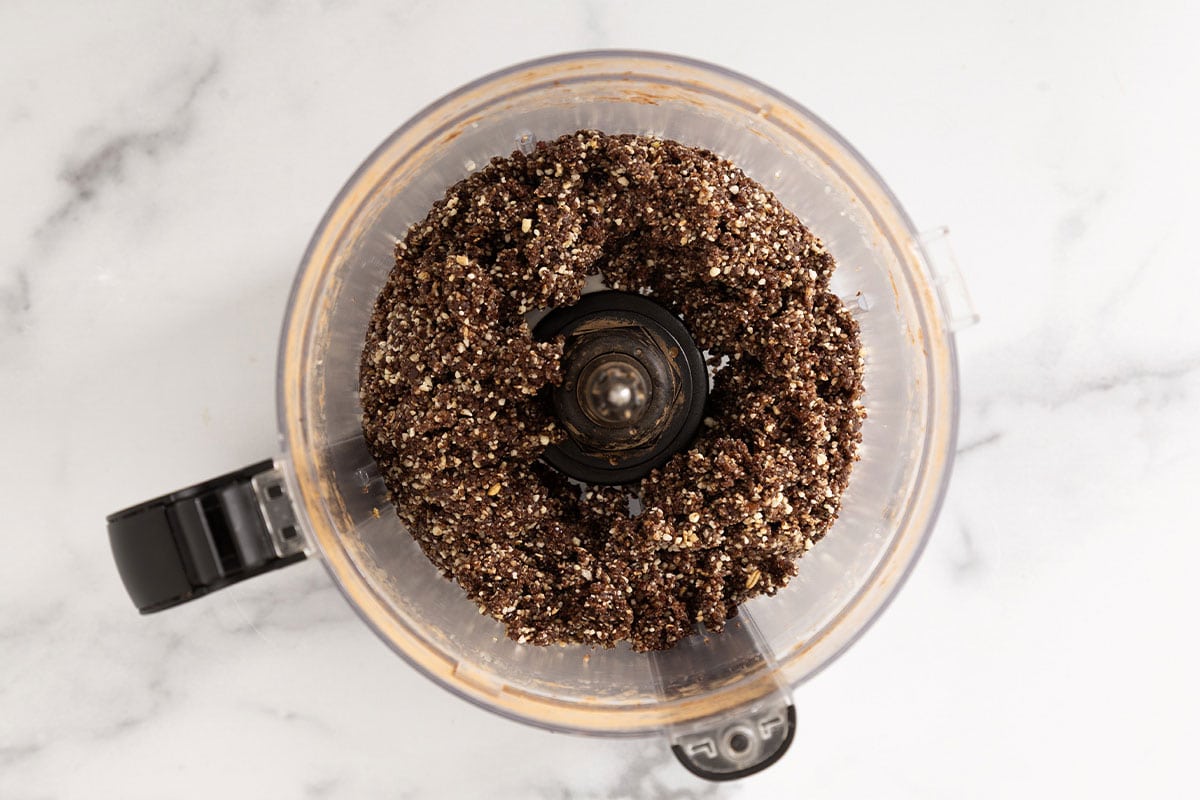
The hydrated nuts are combined with pitted dates, unsweetened cocoa powder, and vanilla extract within a high-speed food processor. The mechanical action of the blades creates a homogenous mixture. Professional culinary standards suggest pulsing rather than continuous blending to prevent the oils from separating and making the batter overly greasy.
Phase III: Geometric Formation
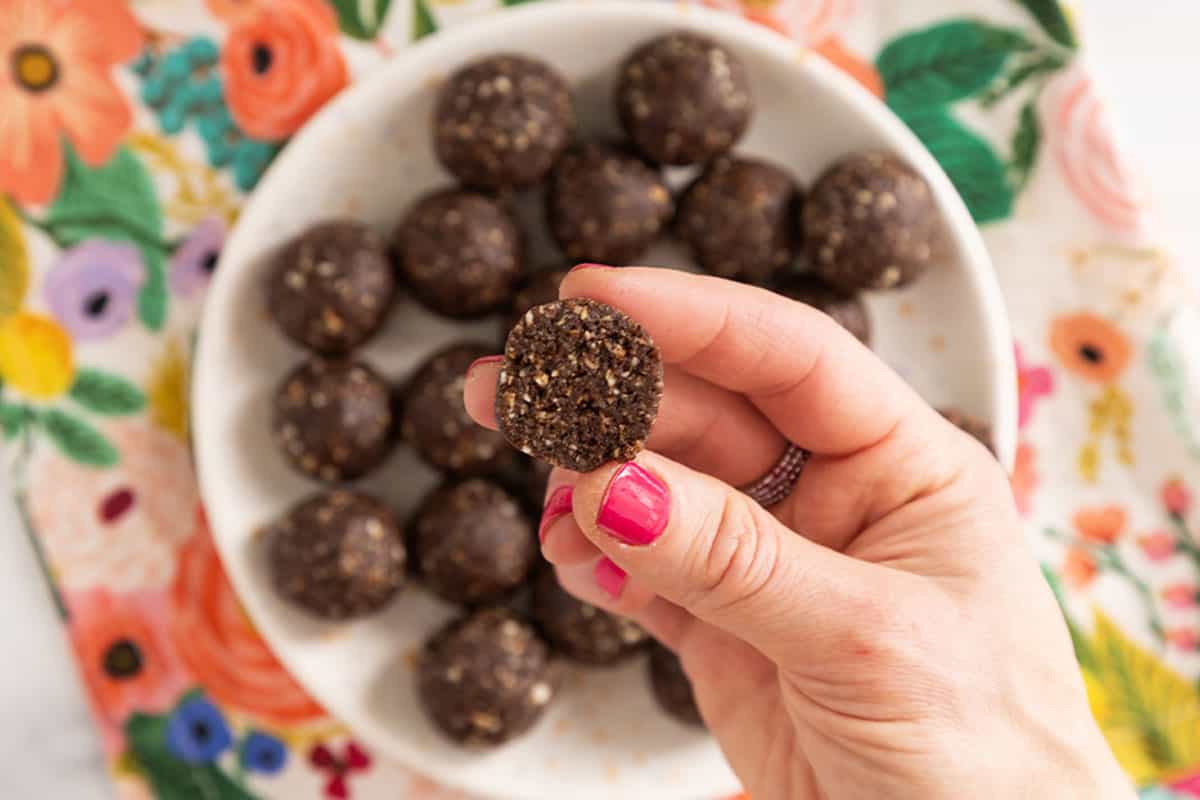
The batter is portioned into spherical units. Industry best practices often involve the use of a mini ice cream scoop or a mechanical portioner to ensure uniformity. This consistency is not merely aesthetic; it allows for precise caloric tracking, with a standard serving of two balls yielding approximately 135 calories.
Phase IV: Stabilization and Storage
Once formed, the balls require a period of refrigeration to stabilize the fats and fibers. This ensures the product remains "no-bake" while possessing the structural durability of a baked good.
Implications for Maternal and Pediatric Health
Medical professionals and registered dietitians have increasingly recognized the utility of date-based snacks in clinical and domestic settings. In the context of pregnancy, the high fiber content of Chocolate Bliss Balls (approximately 2 grams per serving) assists in mitigating common gastrointestinal issues such as constipation. Additionally, the presence of iron and potassium supports the increased blood volume requirements of the gestational period.
For toddlers and preschool-aged children, the snack serves as a "hidden" source of nutrients. The cocoa powder provides a familiar chocolate flavor profile, which increases compliance among "picky eaters," while the cashew and date base delivers protein and complex carbohydrates.
"The shift toward whole-food snacks like bliss balls represents a significant move away from the ’empty calorie’ model of childhood nutrition," states a consensus of pediatric nutritionists. "By providing a snack that is shelf-stable under refrigeration and free from added sugars, parents are able to maintain better control over the glycemic load of their children’s diets."
Comparative Nutritional Analysis
To understand the impact of the Chocolate Bliss Ball, it must be compared to traditional snack options. A standard chocolate chip granola bar often contains 10-12 grams of added sugar and a long list of emulsifiers. In contrast, the Chocolate Bliss Ball contains 9 grams of sugar, all of which are naturally occurring within the fruit fiber of the date.
Nutritional Breakdown per Serving (2 Balls):
- Calories: 135 kcal
- Total Fat: 8g (predominantly monounsaturated)
- Protein: 3g
- Carbohydrates: 15g
- Fiber: 2g
- Sodium: 3mg (negligible)
- Potassium: 218mg
This data illustrates a favorable nutrient density, particularly the high potassium-to-sodium ratio, which is beneficial for maintaining healthy blood pressure levels in adults and supporting growth in children.
Market Trends and Consumer Behavior
The popularity of the Chocolate Bliss Ball is also a reflection of broader economic and social trends. As the cost of premium, organic packaged snacks continues to rise, consumers are pivoting toward "DIY" (Do-It-Yourself) health foods. The 5-ingredient simplicity of this recipe reduces the "barrier to entry" for busy parents. Furthermore, the ability to substitute ingredients—such as using sunflower seeds for a nut-free school environment—aligns with the increasing prevalence of food allergies in educational settings.
The storage capacity of these snacks also addresses the modern need for "prep-ahead" meals. With a refrigerator shelf life of up to 14 days, the Chocolate Bliss Ball fits the "batch cooking" lifestyle adopted by many working families.
Safety Protocols and Consumption Guidelines
While Chocolate Bliss Balls are highly nutritious, pediatric safety guidelines must be observed. For children under the age of two, the texture of the balls should be monitored. While the soaking of the nuts reduces the risk of hardness, it is recommended that the balls be halved or quartered for younger toddlers to prevent choking. Additionally, while dates are a natural sweetener, their sticky consistency requires parents to be mindful of dental hygiene, as dried fruit can adhere to tooth enamel.
Conclusion: The Future of Whole-Food Snacking
The Chocolate Bliss Ball is more than a culinary trend; it is a manifestation of a more informed approach to nutrition that bridges the gap between indulgence and health. By leveraging the natural properties of dates and nuts, this snack provides a template for future developments in the no-bake food sector. As research continues to highlight the importance of the gut microbiome and the dangers of ultra-processed foods, the reliance on simple, five-ingredient formulations is likely to become the standard for the next generation of health-conscious consumers. The integration of such snacks into the daily routines of toddlers, pregnant women, and busy professionals underscores a global shift toward a more sustainable and biologically appropriate diet.
