

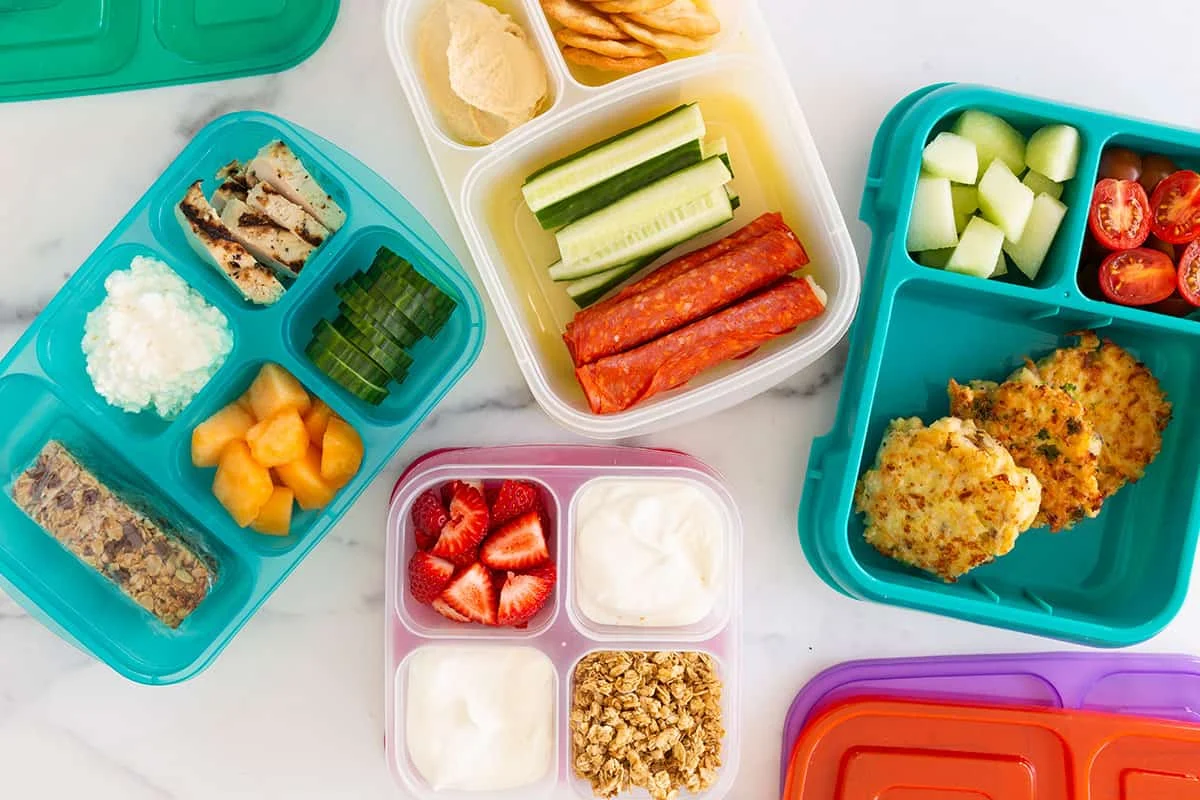
The Seasonal Transition and the Kindergarten Milestone
The month of August typically marks the peak of "back-to-school" preparations, a period characterized by increased consumer spending on school supplies and a strategic shift in household routines. For parents of new kindergarten students, the transition is not merely academic but also physiological. Unlike many daycare centers that provide hot meals as part of their tuition, elementary schools often require students to bring a packed lunch or navigate the National School Lunch Program (NSLP).
The anxiety surrounding this shift is often rooted in the "lunchbox duration" factor—the several-hour gap between morning preparation and midday consumption. Research into pediatric nutrition suggests that the quality of a child’s midday meal directly correlates with their cognitive performance and emotional regulation in the afternoon hours. Consequently, the pressure to provide a meal that is both palatable and safe after four hours in a locker has become a primary concern for modern parents.
Technical Food Management: Safety and Temperature Retention
A critical component of successful lunch packing involves the mastery of thermal retention. The United States Department of Agriculture (USDA) Food Safety and Inspection Service (FSIS) notes that perishable foods must stay out of the "danger zone"—temperatures between 40°F and 140°F—to prevent the rapid growth of bacteria. For parents, this necessitates a technical understanding of insulation.
The use of a vacuum-insulated thermos is a common solution for hot meals, such as pasta or soup. However, many parents report failure in maintaining heat. Expert recommendations suggest a "pre-heating" protocol: filling the thermos with boiling water and allowing it to sit for five to ten minutes before discarding the water and adding the hot food. This process primes the stainless steel interior, significantly extending the heat retention window. Conversely, for cold items, the integration of dual ice packs—one above and one below the food container—is considered the industry standard for maintaining a safe internal temperature within an insulated lunch bag.
The Evolution of School Food Policies: The Nut-Free Landscape
Over the past two decades, the prevalence of food allergies among children has increased significantly. According to data from Food Allergy Research & Education (FARE), approximately one in 13 children in the U.S. has a food allergy. This medical reality has led to the widespread adoption of "nut-free" policies in elementary schools and daycare facilities.
For parents accustomed to the convenience of peanut butter as a primary protein source, these restrictions necessitate a reimagining of the lunchbox. The YTF Community and similar nutritional advocacy groups have highlighted the rise of "seed-based" alternatives, such as sunflower butter, and the utilization of legumes, such as chickpeas and edamame, to meet protein requirements without violating school safety protocols. This shift reflects a broader trend in pediatric nutrition toward diverse protein sources and allergen-aware meal planning.
Chronology of the Daily Lunch Cycle
The success of a school lunch program within a household is often determined by the chronological efficiency of the "prep-to-consumption" cycle.
- Preparation Phase (The Night Before): Experts suggest that 80% of lunch preparation should occur the evening prior to the school day. This includes portioning fruits, vegetables, and non-perishables.
- Assembly Phase (Morning): Hot items are heated and placed in pre-warmed thermoses, while cold items are moved from the refrigerator to insulated bags.
- The "Gap" Period: Food remains in the child’s locker or cubby for approximately 3.5 to 4.5 hours.
- Consumption Window: Most elementary schools allot between 20 and 30 minutes for lunch, a timeframe that includes transit to the cafeteria and cleanup. This limited window requires parents to pack "accessible" foods—items that do not require complex peeling or adult assistance to open.
- Post-School Recovery: The "after-school hunger" phenomenon is a documented metabolic dip. Providing a protein-rich snack immediately following dismissal is recommended to stabilize blood sugar levels before dinner.
Data Analysis: The Economic and Nutritional Impact of Home-Packed Lunches
The decision to pack a lunch versus participating in the National School Lunch Program involves both economic and nutritional considerations. While the NSLP has undergone significant nutritional reforms following the Healthy, Hunger-Free Kids Act of 2010, many parents prefer the control afforded by home-packing.
Economic data suggests that the average cost of a home-packed lunch ranges from $2.50 to $4.00, depending on the inclusion of organic produce and pre-packaged convenience items. In contrast, school-provided meals are often subsidized or free for eligible families, though the average full-price meal sits within a similar $3.00 to $3.75 range. The primary "cost" of the home-packed lunch is time; parents spend an average of 15 to 20 minutes per day per child on meal preparation. This has led to the rise of the "membership model" for meal planning, where parents pay for curated lists and prep strategies to reclaim time and reduce decision fatigue.
Expert Reactions and Community Support Systems
The YTF Community’s recent initiative to offer discounted yearly memberships and bonus ebooks is a response to the documented "burnout" experienced by parents by late October. "The goal is to move from a state of daily crisis to a state of routine," notes the community’s outreach materials.
Feedback from parents, such as Sarah, whose child is entering kindergarten, reflects a broader societal need for reassurance. The transition to elementary school is often the first time a parent loses total visibility into their child’s dietary intake. This "black box" of the school cafeteria can lead to over-packing—a common mistake where parents provide 50% more food than the child can realistically consume in a 20-minute period. Nutritional experts advocate for "right-sizing" portions to match the child’s actual stomach capacity and the limited time available.
Broader Implications for Pediatric Health
The long-term implications of school lunch habits extend beyond immediate satiety. The habits formed during the elementary years regarding fruit and vegetable consumption, hydration, and portion control are foundational to adult health. The focus on "prep and freeze" items—such as homemade muffins, bean burritos, or protein waffles—allows parents to provide high-quality nutrition that mimics the convenience of ultra-processed commercial snacks.
Furthermore, the emphasis on fiber-rich foods in the lunchbox is a strategic response to the sedentary nature of the school day. Fiber aids in sustained energy release, preventing the mid-afternoon "slump" that can hinder classroom engagement. As schools continue to prioritize academic rigor, the role of the lunchbox as a "fueling station" becomes increasingly central to the educational mission.
Conclusion: Navigating the New Normal
As the YTF Community continues to provide resources for the current school year, the overarching theme is one of simplification. By addressing the technical aspects of food safety, the logistical challenges of nut-free environments, and the metabolic needs of developing children, parents can transform a high-stress chore into a manageable routine. The availability of structured meal plans and peer-supported communities indicates a shift in modern parenting—away from isolated struggle and toward a collective sharing of practical, evidence-based strategies. For families like Sarah’s, the journey from "lost" to "prepared" is facilitated by a combination of the right equipment, realistic expectations, and a supportive network of information.
