


The rising demand for efficient, nutritionally dense breakfast solutions has led to a resurgence in traditional grain preparation, specifically through the optimization of overnight steel cut oats. As modern households grapple with the dual challenges of time scarcity and the desire for high-quality nutrition, this specific method of preparing steel cut oats has emerged as a primary strategy for meal prep enthusiasts. By utilizing a simple yet effective technique that balances minimal heat with extended hydration, the resulting meal provides a creamy, pudding-like consistency that is exceptionally high in iron, protein, and dietary fiber. This approach not only addresses the texture issues often associated with raw-soaked steel cut oats but also offers a versatile canvas for various flavor profiles, making it a sustainable choice for both adults and young children.
The Evolution of the Simmer-Soak Methodology
The development of the current "simmer-soak" method for overnight steel cut oats represents a significant departure from standard overnight oat recipes, which typically utilize rolled or "old-fashioned" oats. Traditional overnight oats require no heat, as rolled oats are pre-steamed and flattened during processing, allowing them to absorb liquid easily at refrigerator temperatures. However, steel cut oats—also known as Irish or Scottish oats—are the least processed form of the oat groat, consisting of the whole grain cut into two or three pieces by steel blades.
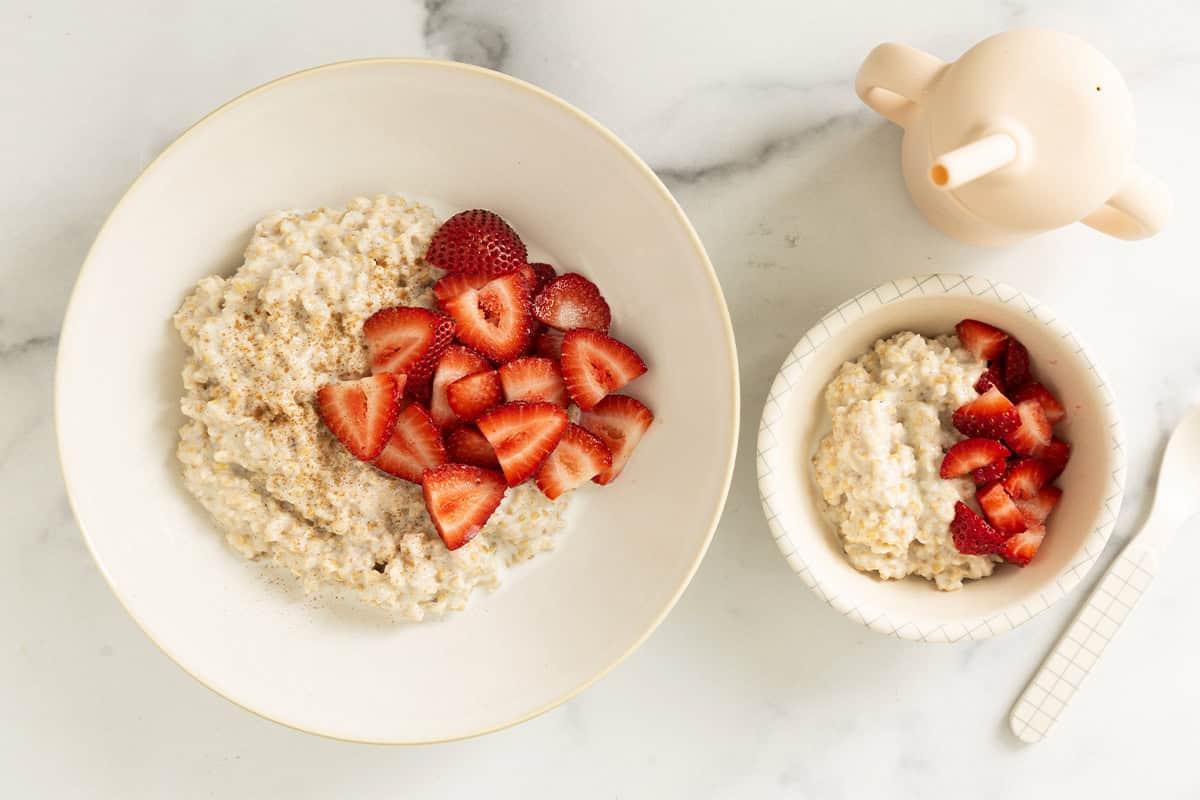
Historically, consumers have faced a trade-off: the superior texture and lower glycemic index of steel cut oats required a 20-to-30-minute stovetop cooking process, which is often unfeasible during busy weekday mornings. Early attempts to adapt steel cut oats to the "no-cook" overnight method frequently resulted in a product that remained excessively tough and difficult to digest.
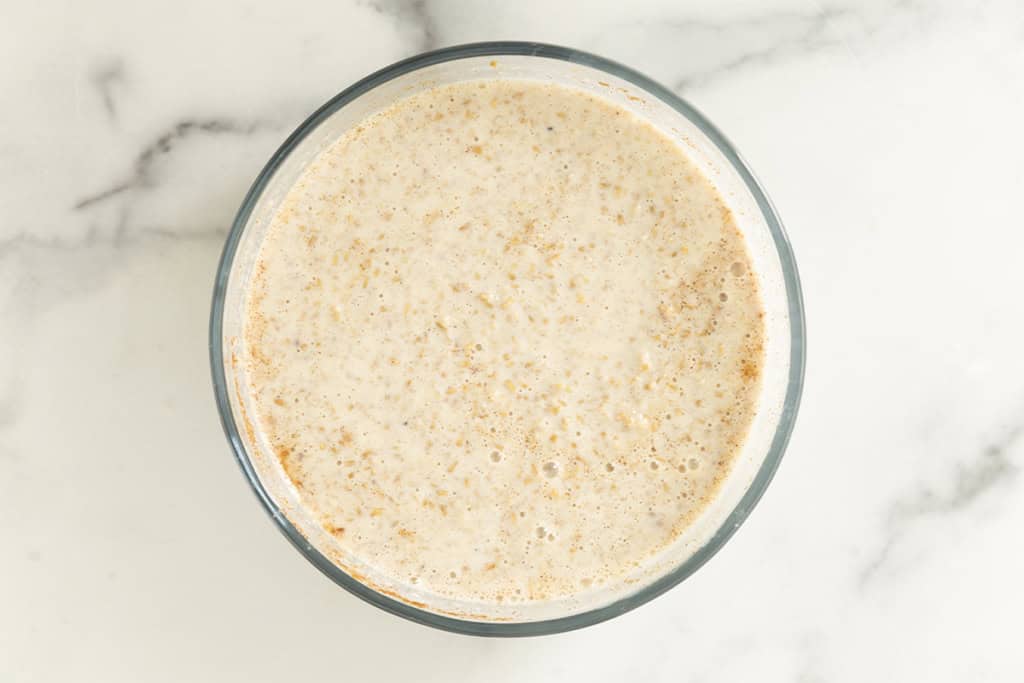
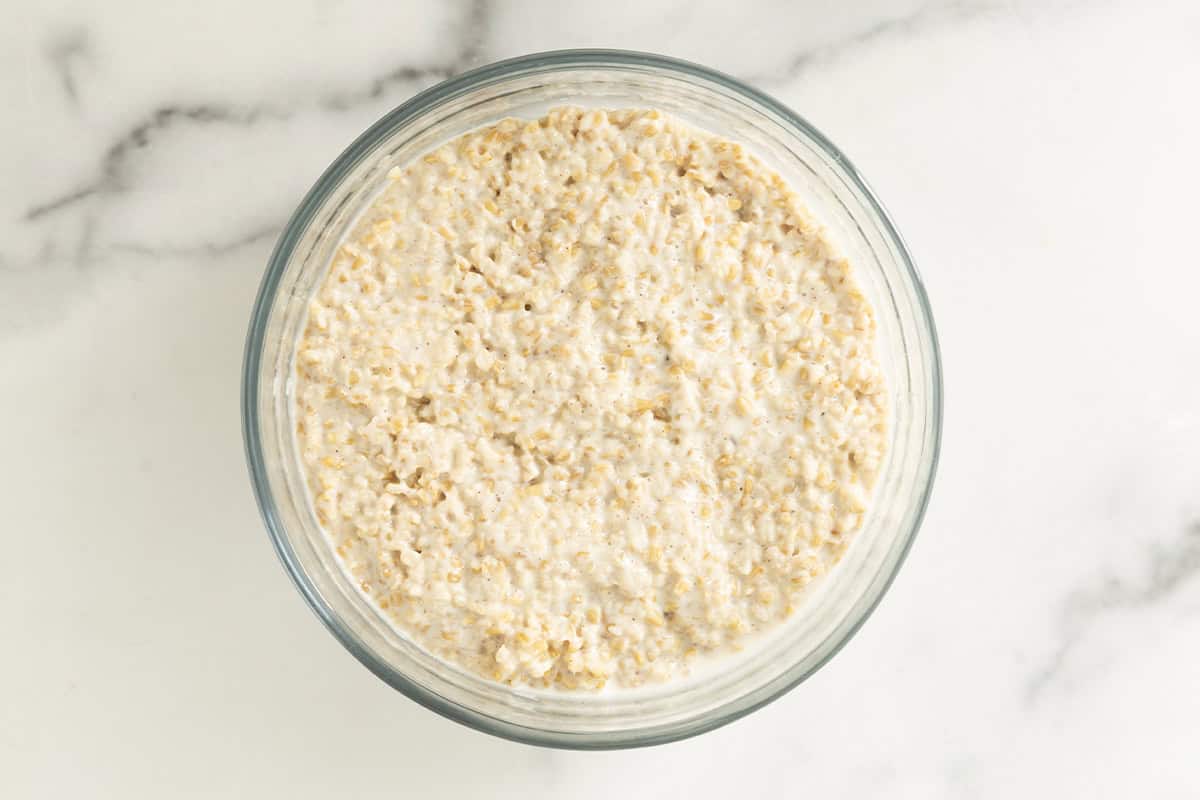
The optimized chronology for successful preparation now involves a brief initial simmer. By bringing the oats and milk to a simmer before turning off the heat and allowing them to soak overnight, the outer bran of the oat is sufficiently softened to allow for a palatable texture while maintaining the "chew" that distinguishes steel cut varieties. This hybrid approach ensures that the grain is fully hydrated and the starches are partially gelatinized, resulting in a creamy consistency similar to rice pudding.
Comprehensive Nutritional Data and Analysis
From a nutritional standpoint, steel cut oats are widely regarded by dietitians as a powerhouse of slow-release energy. The specific recipe outlined in recent culinary data provides a robust profile for a single serving:
- Energy and Macronutrients: Each serving contains approximately 257 calories, 10 grams of protein, and 6 grams of fat. With 42 grams of total carbohydrates, the meal is designed to provide sustained satiety.
- Fiber Content: A standout feature is the 6 grams of dietary fiber per serving. This includes a high concentration of beta-glucan, a soluble fiber known to lower LDL cholesterol and improve heart health. For children, this high fiber content supports digestive regularity, a common concern in pediatric nutrition.
- Micronutrients: The recipe is particularly rich in iron, providing 3 mg per serving, which is essential for oxygen transport in the blood and cognitive development in toddlers. Additionally, it offers 202 mg of calcium and 275 IU of Vitamin A, contributing to bone health and immune function.
- Glycemic Response: Because steel cut oats are less processed, they have a lower glycemic index (GI) compared to instant or rolled oats. This results in a slower rise in blood glucose levels, preventing the "sugar crash" often associated with processed breakfast cereals.
Strategic Ingredients and Customization
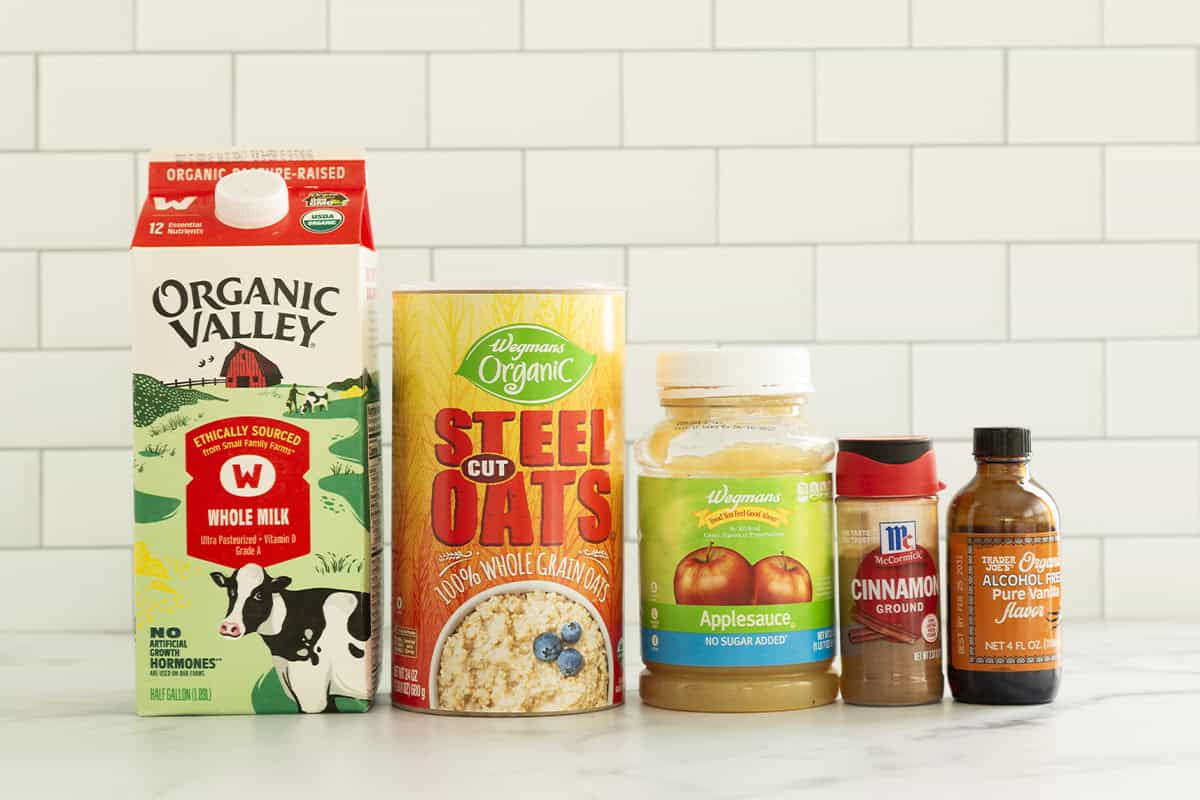
The efficacy of this meal prep option lies in its reliance on pantry staples, which enhances its economic viability for the average household. The core components include:
- Steel Cut Oats: The primary structural element, providing texture and complex carbohydrates.
- Milk or Milk Alternatives: The hydrating agent. While dairy milk provides additional protein and calcium, coconut milk or almond milk can be substituted for those with dietary restrictions.
- Aromatic Enhancements: Vanilla extract and ground cinnamon are utilized to provide a naturally sweet flavor profile without the necessity of high levels of added sugar.
- Optional Additions: The inclusion of chia seeds can further boost the omega-3 fatty acid content, while nut butters or fresh fruits like strawberries allow for seasonal and nutritional variety.
The versatility of the base recipe allows it to serve as a foundation for various dietary trends, including vegan, gluten-free (when certified gluten-free oats are used), and high-protein diets.
The Role of Meal Prepping in Modern Household Economics
The shift toward preparing overnight steel cut oats is part of a broader economic trend in domestic food management. As the cost of pre-packaged "on-the-go" breakfast items continues to rise, bulk preparation of grains offers a significant cost-saving advantage.

Industrial analysts note that a single container of steel cut oats, when purchased in bulk, can provide up to 30 servings at a fraction of the cost of individual yogurt cups or fast-food breakfast sandwiches. Furthermore, the ability to store these oats in the refrigerator for up to five days reduces food waste, as portions can be adjusted based on daily requirements. The use of airtight glass jars for storage not only preserves freshness but also aligns with the growing consumer preference for plastic-free food storage solutions.
Pediatric Nutrition and Sensory Development
For parents and caregivers, overnight steel cut oats represent a strategic tool in managing "picky eating" and sensory processing in young children. Nutritionists often recommend steel cut oats because of their unique "mouthfeel." Unlike the mushy consistency of overcooked rolled oats, steel cut oats provide a distinct, pleasant texture that encourages chewing, an important developmental milestone for toddlers.
Statements from pediatric nutrition experts suggest that introducing complex textures early in childhood can lead to a more diverse palate in later years. The ability to blend these oats for a smoother consistency or serve them with various colorful fruit toppings allows parents to gradually transition children toward whole-grain consumption.
Implementation and Storage Best Practices
To achieve the best results, the following technical steps are recommended by culinary professionals:
- Temperature Control: The initial simmer is critical. It should be a gentle simmer rather than a rolling boil to prevent the milk from scorching or the oats from becoming overly gummy.
- Hydration Ratio: A consistent ratio of liquid to oats is necessary to ensure the final product is neither too dry nor too liquid. The standard recommendation is a 3:1 or 4:1 ratio of liquid to steel cut oats, depending on the desired thickness.
- Refrigeration: The mixture must be cooled slightly before being placed in the refrigerator to maintain food safety standards and prevent the growth of bacteria.
- Serving Suggestions: While designed to be eaten cold, the oats can be gently reheated with an additional splash of milk if a warm breakfast is preferred.
Broader Impact and Health Implications
The widespread adoption of high-fiber, protein-rich breakfasts like overnight steel cut oats has significant implications for public health. Chronic conditions such as Type 2 diabetes and obesity are often linked to high-sugar, low-fiber diets. By promoting a breakfast option that is naturally low in sodium (57 mg) and high in satiety-inducing nutrients, health advocates aim to reduce the prevalence of lifestyle-related diseases.
Furthermore, the environmental impact of this dietary choice is lower than that of animal-heavy breakfast options. Oats are a relatively sustainable crop, requiring less water than many other grains and contributing to soil health through crop rotation.
In conclusion, the optimization of overnight steel cut oats is more than a simple culinary trend; it is a calculated response to the needs of the modern consumer. By combining the nutritional integrity of whole grains with the convenience of meal prep, this method provides a scalable, affordable, and health-conscious solution for breakfast. As research continues to highlight the importance of fiber and stable blood sugar levels, the role of steel cut oats in the daily diet is likely to expand, cementing its place as a staple of the contemporary kitchen.
