

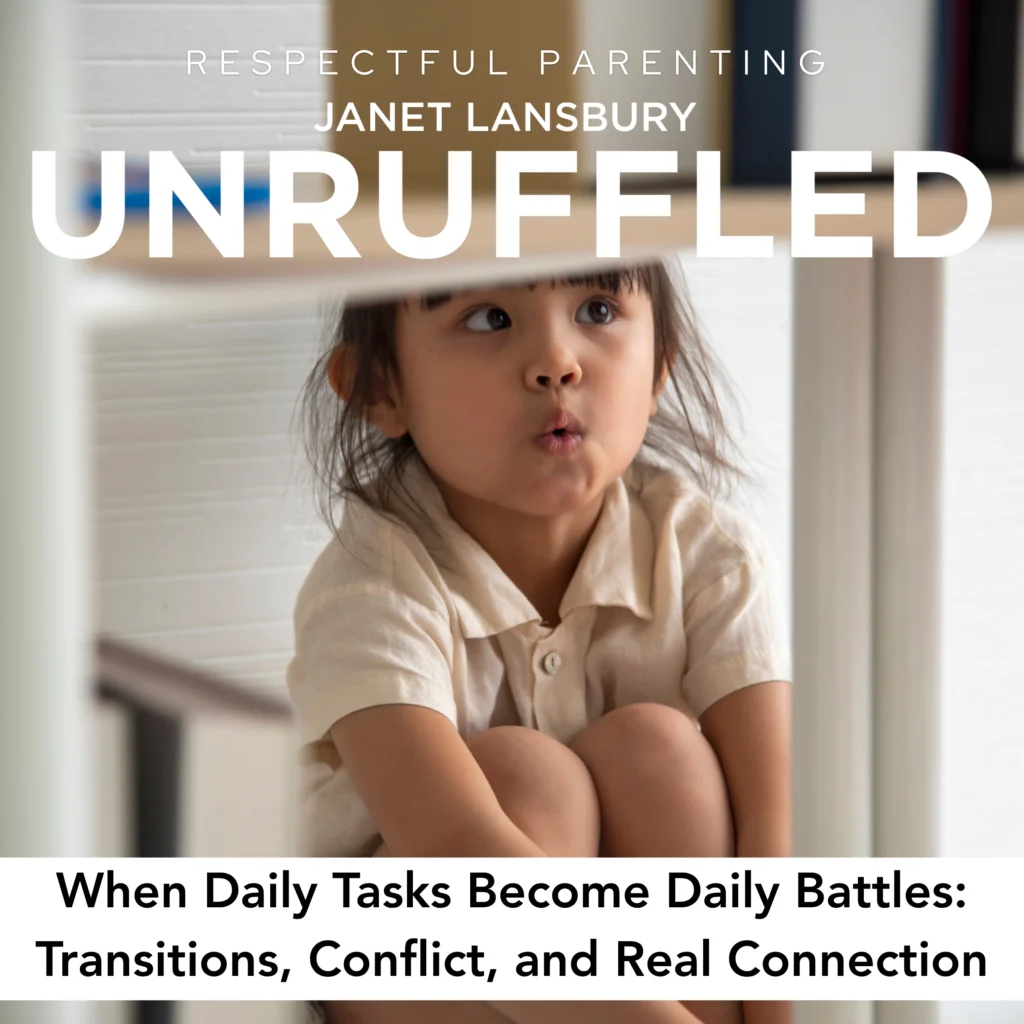
A concerned parent’s plea for guidance regarding persistent resistance from her five-year-old child during essential daily routines has ignited a broader discussion about effective parenting strategies, particularly concerning transitions and conflict resolution. The parent, identified as seeking anonymous advice, described a recurring scenario where simple tasks such as dressing, hair brushing, bathing, and dental hygiene devolve into protracted struggles, often leaving both parent and child exhausted and the task incomplete. This situation, common in early childhood development, highlights the complexities of fostering cooperation and independence in young children.
The parent detailed a comprehensive array of methods she has already employed, including the use of timers, countdowns, reward charts, playful diversions, and even punitive measures. Despite these varied and well-intentioned interventions, the core issue of resistance remains unresolved. This lack of success underscores a common challenge faced by many caregivers: the difficulty in finding strategies that genuinely resonate with a child’s developmental stage and emotional needs, rather than merely enforcing compliance.
The article, originally published by parenting expert Janet Lansbury on June 23, 2026, delves into the underlying reasons why such common parenting tactics might inadvertently hinder genuine connection and cooperation. Lansbury’s analysis reframes these daily struggles, suggesting they may represent a child’s unarticulated needs or a developmental phase requiring a different approach from the caregiver.
The Escalation of Daily Routines into Conflict
The parent’s account paints a vivid picture of the emotional toll these daily battles take. "What starts as a simple transition can turn into an hour-long battle," she wrote, expressing the sentiment of many parents who experience similar frustrations. The goal of ensuring a child’s hygiene and readiness for the day is overshadowed by the escalating conflict, creating a cycle of stress and overwhelm. This is not an isolated incident but rather a prevalent issue across households with young children. Statistics from the American Academy of Pediatrics indicate that approximately 60-70% of children between the ages of 3 and 6 exhibit some form of resistance to daily routines, with toileting and dressing being among the most common areas of contention. This widespread occurrence suggests that the parent’s experience is representative of a significant segment of the parenting population.
The parent’s exhaustive efforts to implement various disciplinary and motivational techniques reflect a deep commitment to her child’s well-being and development. Her attempts to utilize external motivators like reward charts are aligned with behavioral approaches often recommended in parenting literature. Similarly, employing countdowns and timers seeks to introduce predictability and structure, concepts generally seen as beneficial for young children. The incorporation of "silly games" points to an understanding of the importance of making routines enjoyable, a strategy often advised by child development specialists. However, the persistent failure of these methods raises critical questions about their efficacy when applied in a context of significant resistance.
Re-evaluating Conventional Parenting Strategies
Janet Lansbury’s commentary, as presented in the original article, offers a crucial re-evaluation of these conventional strategies. She posits that when well-meaning attempts to manage behavior lead to sustained conflict, it may indicate a disconnect between the caregiver’s approach and the child’s actual developmental and emotional state. The core of her argument suggests that an overemphasis on immediate compliance and the use of external motivators or punishments can, paradoxically, undermine the intrinsic motivation and self-regulation that parents aim to foster.
Lansbury’s perspective aligns with a growing body of research in child psychology that emphasizes the importance of a child’s sense of autonomy and agency. When children feel coerced or controlled, their natural inclination might be to resist, particularly if they perceive the tasks as imposed rather than collaboratively undertaken. This resistance, from this viewpoint, is not necessarily defiance but a signal of a need for a different kind of interaction.
The Underlying Needs Behind Resistance
According to Lansbury’s analysis, the child’s resistance to daily tasks might be an expression of several underlying needs:
- A Need for Control and Autonomy: At five years old, children are developing a stronger sense of self and a desire to exert control over their environment and their bodies. Being told what to do, especially in a rigid manner, can feel disempowering.
- Sensory Sensitivities: For some children, certain aspects of daily routines can be overwhelming. The feel of a toothbrush, the texture of clothing, or the sensation of water during a bath can be a source of discomfort or anxiety.
- Difficulty with Transitions: Young children often struggle with shifting from one activity to another. The abruptness of a transition can be jarring, leading to emotional distress and resistance.
- Seeking Connection: In some instances, children may resist routines as a way to prolong interaction with a parent. If daily tasks are often rushed or devoid of positive connection, the child might inadvertently create opportunities for more focused attention, even if it’s through conflict.
- Testing Boundaries and Expectations: This is a normal part of development. Children are learning about social rules and what is expected of them. Resistance can be a way of exploring these boundaries.
A Shift Towards Connection and Confidence
Lansbury proposes a fundamental shift in perspective: viewing these daily struggles not as battles to be won through superior tactics, but as opportunities for deeper connection and understanding. Instead of focusing on immediate task completion, the emphasis moves towards acknowledging the child’s feelings and validating their experience, even if the behavior itself is undesirable.
This approach involves:
- Empathic Listening: Acknowledging the child’s feelings ("I see you don’t want to get dressed right now," "It sounds like you’re not enjoying brushing your teeth"). This does not mean agreeing with the resistance, but rather showing understanding of their emotional state.
- Offering Choices (Within Limits): Providing limited, acceptable choices can restore a sense of control. For instance, "Would you like to wear the blue shirt or the red shirt?" or "Do you want to brush your teeth before or after putting on your pajamas?"
- Involving the Child: Where possible, making the child an active participant in the task. This could involve letting them choose their own outfit (from a pre-selected set), letting them hold the toothbrush themselves (under supervision), or letting them help pour water for their bath.
- Respecting Their Pace: Recognizing that some children need more time to process and transition. Rushing a child can exacerbate their anxiety and resistance.
- Focusing on the Relationship: Prioritizing the parent-child relationship over immediate task completion. This means approaching these moments with patience, calm, and a genuine desire to connect, rather than with frustration or a focus on winning.
Implications for Child Development and Parenting
The implications of this shift in approach extend beyond resolving immediate conflicts. By responding with empathy and respect, parents can foster a child’s:
- Self-Esteem and Confidence: When children feel heard and respected, their confidence grows. They learn that their feelings are valid and that they can navigate challenges with support.
- Intrinsic Motivation: Instead of relying on external rewards or punishments, children can develop an internal drive to cooperate and participate, understanding the purpose and benefits of these routines.
- Emotional Regulation: By observing their parents manage difficult situations with calm and understanding, children learn valuable skills in managing their own emotions.
- Cooperative Spirit: A foundation of trust and mutual respect encourages children to be more cooperative in the long run, viewing parents as allies rather than adversaries.
The parent’s situation, while specific to her child, highlights a universal challenge in raising young children. The insights offered by Janet Lansbury suggest that a reorientation from a compliance-focused model to a connection- and understanding-focused model can transform daily struggles into opportunities for growth, not just for the child, but for the entire family dynamic. This perspective encourages parents to see their children not as adversaries to be managed, but as developing individuals whose resistance offers valuable clues about their inner world and their evolving needs. The ultimate goal, as implied, is to build a foundation of trust and mutual respect that supports a child’s healthy development and fosters lasting positive relationships.
