

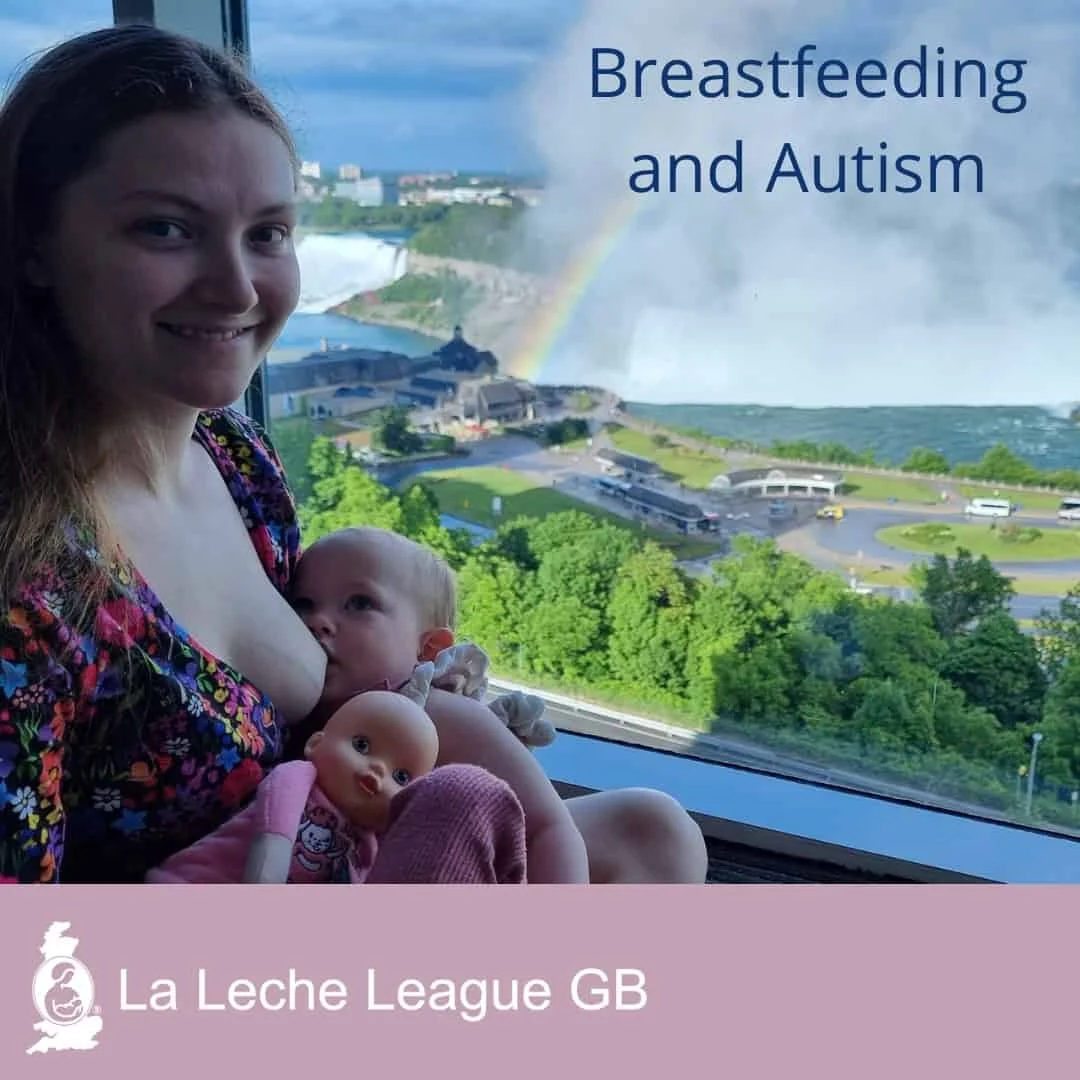
Autism, a pervasive neurodevelopmental difference, shapes an individual’s experience of the world and communication. Often described as neurodivergent, autistic people exhibit a wide spectrum of abilities and challenges, which can fluctuate significantly based on situational context. As societal understanding evolves, there is a growing recognition that autism affects diverse populations, including women and parents, many of whom choose to breastfeed. Concurrently, a substantial number of breastfed children are also on the autism spectrum. This intersection creates a nuanced landscape, presenting both unique strengths and specific challenges for autistic parents, as well as for parents who are breastfeeding autistic children. Navigating this landscape requires individualized, empathetic, and informed support that moves beyond conventional approaches.
Autism: A Shifting Understanding and Underserved Population
Historically, autism was predominantly associated with male presentation, leading to significant underdiagnosis in women and gender-diverse individuals. Early diagnostic criteria, largely shaped by observations in boys, often overlooked the nuanced ways autism can manifest, such as through "masking" – the conscious or subconscious suppression of autistic traits to conform to neurotypical social expectations. This phenomenon contributes to the stark statistic that while an estimated 0.82% of the population of England is formally diagnosed as autistic, a staggering up to 72% of the autistic population in England is believed to be undiagnosed [1]. This considerable gap means that many autistic women and parents embark on their parenting and breastfeeding journeys without the benefit of a diagnosis, potentially struggling to articulate their needs or understand their experiences within a neurotypical-centric healthcare system.
The concept of neurodiversity, which views neurological differences like autism as natural variations of the human brain rather than deficits, is crucial to this discussion. It emphasizes celebrating diverse ways of thinking, learning, and interacting. For autistic parents, embracing a neurodiversity-affirming perspective can be empowering, allowing them to recognize their unique strengths rather than solely focusing on perceived challenges. However, the prevailing medical model often fails to adequately accommodate these differences, creating systemic barriers to accessing appropriate maternity care and breastfeeding support.
Breastfeeding for Autistic Parents: Unveiling Challenges and Strengths
The decision to breastfeed, and the journey itself, can be profoundly different for autistic parents. While the fundamental biological processes remain the same, the sensory, communication, and social aspects can introduce significant hurdles.

The Positives: Finding Calm and Empowerment
Despite potential difficulties, many autistic women find breastfeeding to be a deeply positive and empowering experience. The act itself can provide a sense of calm and quiet, offering a protected time for rest and connection. For individuals who often navigate overwhelming sensory environments or complex social interactions, the intimate, predictable rhythm of breastfeeding can be a valuable regulatory tool. Furthermore, autistic individuals often exhibit a remarkable capacity for focused research and independent learning, particularly when pursuing a special interest. This translates into many autistic parents being exceptionally well-informed about breastfeeding, often possessing a high degree of determination and resilience in their feeding goals [4]. This dedication can be a significant asset in overcoming early challenges.
Navigating Sensory Differences
Sensory processing differences are a hallmark of autism, impacting how an individual experiences sight, sound, touch, taste, and smell. These differences can be heightened or reduced, leading to unique challenges during breastfeeding. For example:
- Touch: Some autistic parents may experience hypersensitivity to touch, making skin-to-skin contact uncomfortable or even painful, despite its physiological benefits. The sensation of a baby latching, suckling, or even the feeling of milk let-down could be intensely unpleasant. Conversely, some might seek strong tactile input and find certain positions or textures soothing.
- Sound: Hospital environments, breastfeeding clinics, or even a baby’s cries can be overwhelming for those with auditory sensitivities. Loud noises, repetitive sounds, or general background chatter can make it difficult to focus, relax, or communicate effectively.
- Smell: The natural scents of a newborn, breast milk, or even the products used in a healthcare setting could trigger sensory overload.
- Interoception: This refers to the ability to sense internal bodily states, such as hunger, thirst, pain, or bladder fullness. Autistic individuals frequently experience interoception difficulties, which can significantly impact breastfeeding. A parent might struggle to recognize their own hunger or thirst cues, leading to dehydration or insufficient caloric intake, which can, in turn, affect milk supply. They might also have difficulty discerning when their breasts feel full or when a let-down is imminent, making it harder to anticipate and manage feeding. Similarly, pain from a poor latch might not be registered in the typical way, leading to prolonged discomfort or nipple damage.
Communication Barriers and Support Gaps
Communication differences are another critical area. Some autistic individuals may experience situational mutism, where they are unable to speak in certain stressful or overwhelming environments, even if they are typically verbal. This poses a significant challenge when seeking support in a medical setting or even a public breastfeeding group. The reliance on verbal communication in most support services, including national helplines, can inadvertently exclude autistic parents. Difficulties with phone calls due to auditory processing, social anxiety, or the need for precise, unambiguous information can act as major deterrents.
Furthermore, autistic parents may find it difficult to ask for additional support, often due to social anxiety, a history of negative experiences, or a tendency to mask their struggles. Many already feel a lack of control over their bodies and experiences, particularly after childbirth, and may be hesitant to assert their needs. This vulnerability is compounded by higher rates of Post-Traumatic Stress Disorder (PTSD) within the autistic community compared to neurotypical individuals [5], often stemming from traumatic medical experiences.

Supporting Autistic Parents: Towards Inclusive Care
Effective breastfeeding support for autistic parents necessitates a paradigm shift towards individualized, flexible, and neurodiversity-affirming care.
- Tailored Communication: Offering a range of communication methods is vital, including written information, visual aids (e.g., picture cards demonstrating latch), and the option to communicate via text or email (as exemplified by LLLGB’s Help Form). Healthcare providers should offer clear, direct, and literal explanations, avoiding jargon or subtle social cues that might be misinterpreted.
- Sensory-Aware Environments: Support groups and clinics should strive to create calming spaces. This might involve dim lighting, reduced noise, absence of strong scents, and comfortable, predictable seating arrangements. Offering pre-visit information, including photos of the venue and staff, can help reduce anxiety.
- Trauma-Informed Approach: Recognizing the higher prevalence of PTSD, healthcare providers must prioritize consent, bodily autonomy, and gentle, respectful interactions. This means explaining every step of an examination or intervention, ensuring the parent feels in control, and providing options for comfort and privacy.
- Flexible Access to Support: For parents who struggle with group settings or phone calls, options like one-on-one appointments, home visits, or online/written support are crucial. Allowing a trusted support person to accompany the parent to appointments can also significantly ease anxiety.
- Understanding Masking: Support providers must be aware that an autistic parent may appear to be coping well, even when they are struggling internally. It’s important to look beyond outward presentation and proactively offer support in a non-judgmental way.
Breastfeeding an Autistic Child: Nurturing Unique Connections
While adult autism often goes undiagnosed, diagnosis rates in children are increasing [7], highlighting the importance of understanding how autism can influence infant and child feeding. The World Health Organization recommends breastfeeding for two years and beyond, with the natural age of weaning estimated between 2.5 and 7 years [8]. For an autistic child, or one suspected of being neurodivergent, breastfeeding can hold profound significance.
Sensory Differences in Autistic Children
Just as with autistic adults, autistic children process sensory input differently, which can significantly impact their breastfeeding journey:
- Regulation through Feeding: Many autistic children use breastfeeding as a primary tool for sensory regulation. When overwhelmed by a busy, loud, or unfamiliar environment, seeking the familiar comfort and predictable sensory input of nursing can help them calm and re-regulate their nervous system. This may manifest as very frequent feeding, especially in challenging situations.
- Aversions and Sensitivities: Conversely, sensory differences can also lead to feeding difficulties. A child might be highly sensitive to the temperature of the room, the texture of their mother’s clothing, certain sounds during feeding, or even the taste or flow of milk. Such sensitivities can cause them to refuse the breast or feed less often. Identifying and modifying these environmental or tactile triggers is key to facilitating successful feeding.
- Oral Sensory Seeking: Some autistic children may seek intense oral stimulation, which breastfeeding can provide. This might lead to prolonged or very frequent nursing sessions, not necessarily driven by hunger but by a need for sensory input.
High Needs Babies and Interoception

Many autistic children are described as "high needs," exhibiting an intense and often constant need for closeness to their primary caregiver. While all babies thrive on proximity, this need can be particularly pronounced in neurodivergent children, who may rely on their parent for co-regulation. This can be physically and emotionally demanding for parents, underscoring the vital importance of self-care and a robust support network of family, friends, and like-minded communities.
Interoception difficulties are also common in autistic children. They may struggle to recognize internal cues of hunger, thirst, or fullness. This can result in two contrasting feeding patterns:
- Infrequent Feeding: A child might not recognize hunger cues, leading to long stretches between feeds and potential undernourishment.
- Constant Feeding: Conversely, a child might not register fullness cues, or they might seek the sensory comfort of breastfeeding irrespective of hunger, leading to very frequent or prolonged nursing sessions.
Feeding Patterns, Boundaries, and Weaning
The journey of feeding, setting boundaries, and eventually weaning can be particularly complex with an autistic child. Parents often report difficulties with frequent feeding into toddlerhood and beyond, highlighting a significant need for specialized information on weaning.
- Weaning Challenges: Weaning an autistic child can be more challenging due to their reliance on breastfeeding for sensory input, comfort, communication, and regulation. The predictability and familiarity of nursing can be a crucial anchor in their world.
- Benefits of Extended Breastfeeding: Continuing to breastfeed into toddlerhood and beyond offers numerous benefits, providing essential nutrients that a child might be missing if they have a limited diet due to sensory-based food aversions (e.g., struggles with textures, tastes, or smells of solid foods). It also continues to offer immune support and a vital source of comfort.
- Setting Boundaries: While many mothers continue to breastfeed responsively until their child self-weans, some parents choose to set gentle boundaries to manage the frequency or duration of feeds. This can be challenging when communication issues are involved. Support from an LLL Leader or other knowledgeable lactation professionals can be invaluable in exploring options such as:
- Using visual schedules or social stories to prepare the child for feeding times.
- Offering alternative forms of comfort or sensory input.
- Gradually reducing the number or length of feeds.
- Establishing specific times or places for nursing.
Implications and the Path Forward
The unique interplay between autism and breastfeeding highlights a critical need for enhanced awareness, training, and resources within healthcare systems and support organizations. The data on undiagnosed autism in adults underscores that many parents are navigating these complexities without the self-understanding or formal support that a diagnosis could provide.
Organizations like La Leche League Great Britain (LLLGB) and the Maternity Autism Research Group (MARG) are at the forefront of advocating for and developing more inclusive support models. Their efforts represent a vital step towards ensuring that all parents, regardless of their neurotype or that of their child, receive the informed, compassionate care they deserve. By embracing a neurodiversity-affirming approach, healthcare providers and support networks can empower autistic parents to breastfeed successfully, celebrating their strengths and providing tailored strategies to overcome challenges. This not only benefits individual families but also fosters a more inclusive and understanding society for neurodivergent individuals at every stage of life. Continued research, policy development, and professional training are essential to bridge existing gaps and create a truly supportive environment for all breastfeeding journeys.

Further Reading
- Dysphoric Milk Ejection Reflex (D-MER)
- Still Nursing after 1 year
- Supporting a breastfeeding mother
- Weaning from the breast
Online Information
- Maternity Autism Research Group (MARG)
References
[1] O’Nions, E. et al., 2023
[2] Hampton, S. et al., 2021
[3] Hampton, S. et al., 2021
[4] Grant, A. et al. 2022
[5] Rumball, F., Happé, F. and Grey, N., 2020
[6] Grant, A. et al., 2022
[7] Crane, L. et al., 2018
[8] Dettwyler, K.A., 1999
Copyright LLLGB 2023
