

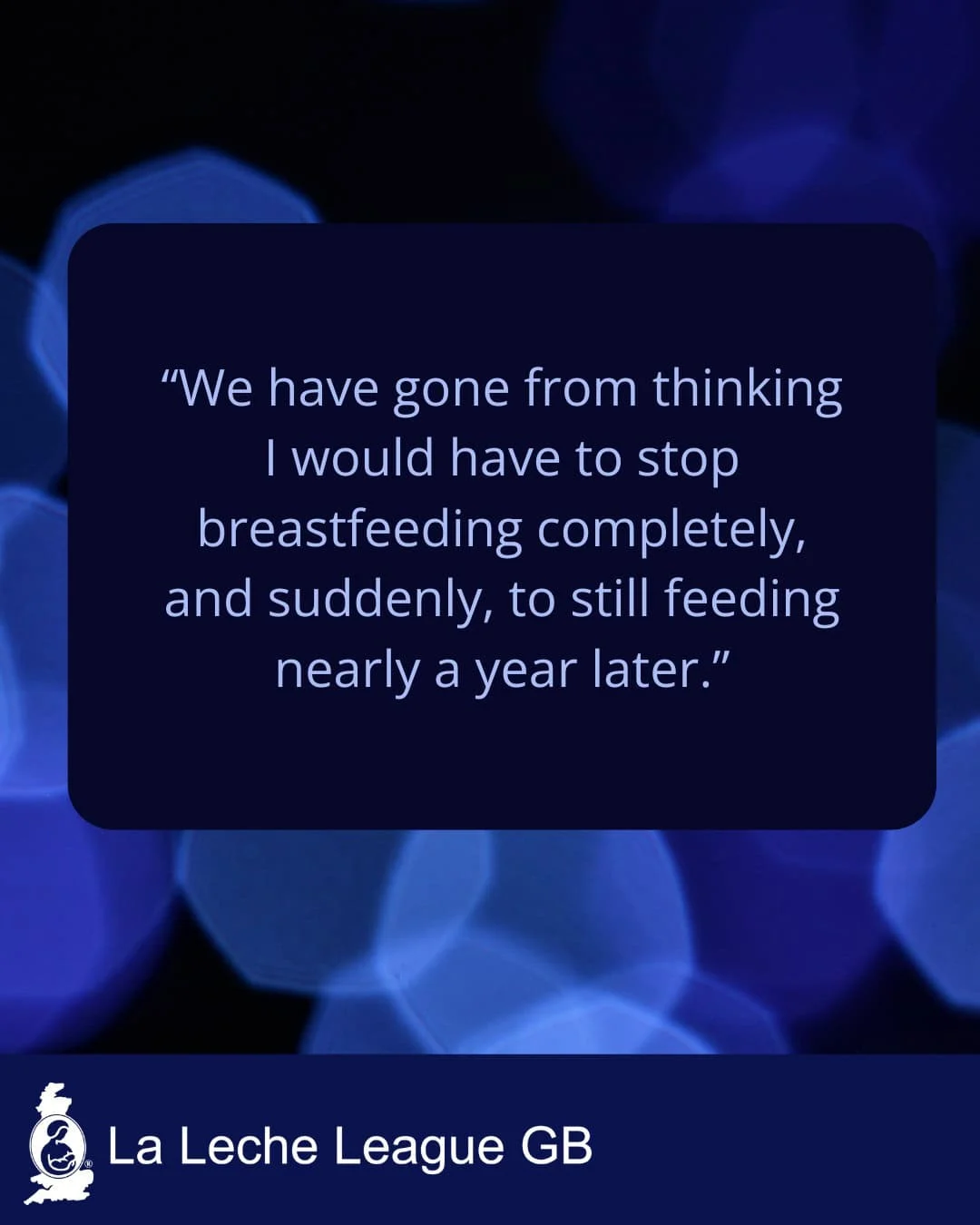
A mother from Yorkshire has shared a compelling account of her determined efforts to continue breastfeeding her six-month-old daughter following a severe breast injury sustained in a car accident. The incident, which saw her seatbelt crush one of her breasts, initiated a challenging medical journey marked by pain, multiple procedures, and the threat of forced weaning, yet ultimately culminated in successful continued breastfeeding, albeit with adaptations. This personal story highlights critical intersections of road safety, maternal health, and the resilience of breastfeeding mothers, offering valuable insights for both healthcare professionals and individuals facing similar unforeseen circumstances.
The Traumatic Incident: A Routine Journey Interrupted
The accident occurred when the mother, who prefers to remain anonymous, was travelling in the back seat of a car with her six-month-old daughter, who was exclusively breastfed. Her partner was driving. The vehicle was travelling on a national speed limit road when another driver unexpectedly turned across their path, leading to a violent collision. The front airbags deployed, protecting the driver, but no airbags were present in the rear of the vehicle. Consequently, the mother’s seatbelt became her sole protection, effectively restraining her but exerting immense force on her upper body.
While the seatbelt undeniably saved her from more severe, potentially life-threatening injuries, it delivered a concentrated impact that resulted in significant trauma to one of her breasts. The immediate aftermath saw the breast rapidly swell, becoming acutely painful and deeply bruised. Miraculously, her infant daughter, secured in a rear-facing car seat, appeared largely unharmed, suffering only a minor bruise from her car seat belt. The partner driving also escaped with relatively minor injuries, primarily a burn from the deploying airbag. Despite the severity of the crash, the family expressed profound gratitude for their overall safety, acknowledging the far worse outcomes that could have transpired.
This incident underscores the dual role of seatbelts in accident safety. While indispensable for preventing ejection and distributing impact forces, they can, in certain high-velocity collisions, cause specific localized injuries. According to the National Highway Traffic Safety Administration (NHTSA), seatbelts reduce the risk of moderate to critical injuries by 50% and fatalities by 45%. However, blunt trauma to the chest, including breast injuries, is a recognized although less common consequence of seatbelt usage, particularly in women. The effectiveness of the rear-facing car seat in protecting the infant further reinforces established safety guidelines, which advocate for children to remain in rear-facing seats for as long as possible, typically until they outgrow the height or weight limits of the seat, often well beyond their first birthday.
Immediate Medical Response and Initial Challenges
Following the crash, the mother was taken to Accident & Emergency (A&E) where medical staff immediately assessed her injuries. The crushed breast presented a pressing concern, not only due to the visible swelling and bruising but also because of its implications for her ongoing breastfeeding relationship with her daughter. Recognizing the exclusivity of her daughter’s breastfeeding, the A&E team promptly arranged for a breast pump to be brought from the maternity ward.
The initial attempt to pump milk from the injured breast yielded alarming results: very little milk emerged, and what did was bright red, indicative of fresh blood. This observation suggested significant internal trauma and potential damage to the delicate network of milk ducts and blood vessels within the breast. Fortunately, her other breast, though slightly bruised, continued to function normally, offering a glimmer of hope for maintaining some level of milk supply. Medical advice at this stage was to continue pumping the damaged breast, a recommendation aimed at preventing engorgement, stimulating circulation, and potentially clearing any blockages, despite the initial lack of success.
A few days later, an ultrasound scan was performed. The initial scan, however, did not reveal any immediate, actionable medical interventions, leaving the mother to contend with intense pain and discomfort. The subsequent weeks were described as "extremely painful," with the swollen breast feeling as though it was constantly burning, particularly with movement. This period of recovery severely limited her ability to care for her daughter, making it difficult to pick her up or hold her, confining them both indoors for an extended period. The physical agony was compounded by the emotional distress of being unable to fully engage in the nurturing aspects of motherhood during a critical developmental stage for her infant.
Navigating Complex Medical Interventions and Uncertainties
The persistence of severe pain and swelling led to a referral to a specialist breast clinic by her General Practitioner (GP). At the clinic, a more detailed ultrasound scan revealed a substantial accumulation of fluid within the injured breast. This fluid, likely a combination of blood (hematoma) and serous fluid (seroma) resulting from the trauma, was compressing tissues and causing much of the discomfort. A medical needle was used to drain over a pint of this liquid, which a nurse light-heartedly described as resembling a "latte" due to its colour and consistency, a detail that provided a momentary, albeit grim, anecdote amidst the seriousness of the situation.
The relief from pain following this procedure was immediate and profound. However, the consultant delivered a sobering warning: should the swelling return, the mother might need to cease breastfeeding entirely from the injured breast, or even altogether, to halt milk production and allow the tissue to heal without the additional physiological stress of lactation. This advice was consistent with the limited information the mother had found online regarding similar cases, specifically one where a woman was advised to stop breastfeeding her newborn after a car crash due to the same injury. The prospect of suddenly depriving her daughter of breast milk, a primary source of both nutrition and comfort, was deeply upsetting and created significant emotional distress.

A Cycle of Drainage and Gradual Recovery
Within days, the swelling, though not to its previous extent, did return. This necessitated a second drainage procedure, again performed with a needle, and she was prescribed antibiotics, likely as a prophylactic measure against infection in the compromised tissue. Crucially, at this juncture, the consultant adopted a "wait-and-see" approach, agreeing that the mother could continue breastfeeding for the time being while monitoring whether the fluid buildup would naturally reduce. This decision proved pivotal, offering the mother a lifeline to continue her breastfeeding journey.
The following months established a challenging routine: the mother returned to the hospital every few days for repeated drainage procedures. Each time, however, progressively less liquid was extracted, indicating a gradual resolution of the fluid accumulation. Throughout this period, she steadfastly continued to pump from the damaged side every few hours. Initially, the milk produced was pinkish, a persistent sign of residual blood or inflammation, but as the breast healed, the colour slowly returned to normal.
Eventually, after several months of consistent effort and medical oversight, there was no longer any fluid left to drain. The small amount of milk being produced from the injured breast finally turned white, signifying a return to more normal lactation processes. With this improvement, the mother was able to resume directly feeding her daughter from the damaged breast, eliminating the need for constant pumping—a significant milestone in her recovery. The pain substantially subsided, and the breast began to regain a more normal appearance, though a noticeable ridge where the seatbelt had pressed remained as a permanent physical reminder of the accident.
Long-Term Adaptations and Lingering Questions
Approximately nine months after the accident, the mother continues to breastfeed her daughter on both sides. The injured breast, while still providing comfort, produces very little milk. This reduced output is largely compensated by the unaffected breast, which has seemingly increased its production to meet the demands of the growing infant. As her daughter has also begun eating solids, the mother’s concerns about her nutritional intake have further diminished.
The mother suspects that the trauma likely caused damage to the milk ducts in the injured breast, preventing milk from reaching the nipple and ultimately leading to a significant reduction or cessation of milk production in that part of the breast. This hypothesis is medically plausible; blunt trauma can indeed sever or damage milk ducts and surrounding glandular tissue, impairing their function. Consultants have been unable to definitively state whether full supply will ever return to the damaged side, and the mother herself believes it is unlikely.
A common physiological response to trauma or reduced demand in one breast is for the other breast to compensate, a phenomenon known as compensatory hypertrophy. This allows for continued adequate milk supply even if one breast’s function is compromised. This adaptation highlights the incredible plasticity of the lactating body.
The physical outcome of this prolonged ordeal is a noticeable asymmetry, with one breast having borne the brunt of nearly all the feeding for the past nine months. However, the mother reflects on this outcome with a sense of triumph. Her journey transitioned from a grim prognosis of having to abruptly cease breastfeeding to successfully continuing for nearly a year post-accident, a testament to her perseverance and the supportive medical approach.
Broader Implications: Maternal Health, Road Safety, and Breastfeeding Support
This extraordinary case offers several critical takeaways:
- Road Safety and Seatbelt Trauma: While seatbelts are life-saving devices, this incident highlights that severe localized trauma can occur. Public awareness campaigns often focus on the importance of wearing seatbelts, but less frequently discuss the potential for specific injuries, which, while secondary to survival, can significantly impact quality of life and maternal functions. Further research into seatbelt design modifications or positioning for pregnant and lactating individuals could be beneficial.
- Breastfeeding Resilience: The story powerfully illustrates the resilience of the breastfeeding dyad and the lactating body. Despite severe trauma and reduced function in one breast, the ability to maintain supply through the unaffected breast allowed the continuation of breastfeeding, emphasizing the importance of supporting mothers through such challenges.
- Medical Management of Breast Trauma in Lactation: The consultant’s "wait-and-see" approach proved crucial. In cases of breast trauma, particularly in lactating individuals, aggressive interventions that immediately cease breastfeeding may not always be necessary or beneficial. A more conservative, supportive approach that allows for natural healing and adaptation, while managing symptoms like fluid buildup and infection risk, can preserve the breastfeeding relationship. This approach aligns with best practices from leading lactation organizations, which advocate for minimal interruption to breastfeeding unless medically critical.
- Psychological Impact: Beyond the physical pain, the emotional toll of facing the cessation of breastfeeding, the inability to hold her child, and the uncertainty of recovery would have been immense. This underscores the need for comprehensive psychological support for mothers experiencing trauma during lactation.
- Information Gap: The mother’s difficulty in finding similar cases online points to a potential gap in documented medical literature or patient resources regarding breast trauma during lactation. Sharing such experiences, as this anonymous mother has done, is vital for building a body of anecdotal evidence that can inform both patients and healthcare providers.
Conclusion: A Message of Hope and Perseverance
The anonymous mother’s journey stands as a beacon of hope for others who might face similar injuries. Her experience demonstrates that despite the initial bleak outlook and the profound challenges presented by severe breast trauma, continued breastfeeding can be a viable and successful outcome with appropriate medical management and unwavering determination. Her gratitude for her consultant’s patient, adaptive approach underscores the importance of individualized care that respects a mother’s desire to continue breastfeeding whenever safely possible.
This narrative not only enriches the understanding of trauma’s impact on lactation but also serves as a powerful reminder of the deep bond between mother and child, a bond that can persevere and adapt even in the face of significant adversity. It advocates for a holistic view of maternal health that encompasses physical recovery, emotional well-being, and the preservation of crucial aspects of the mother-child relationship, such as breastfeeding.
