

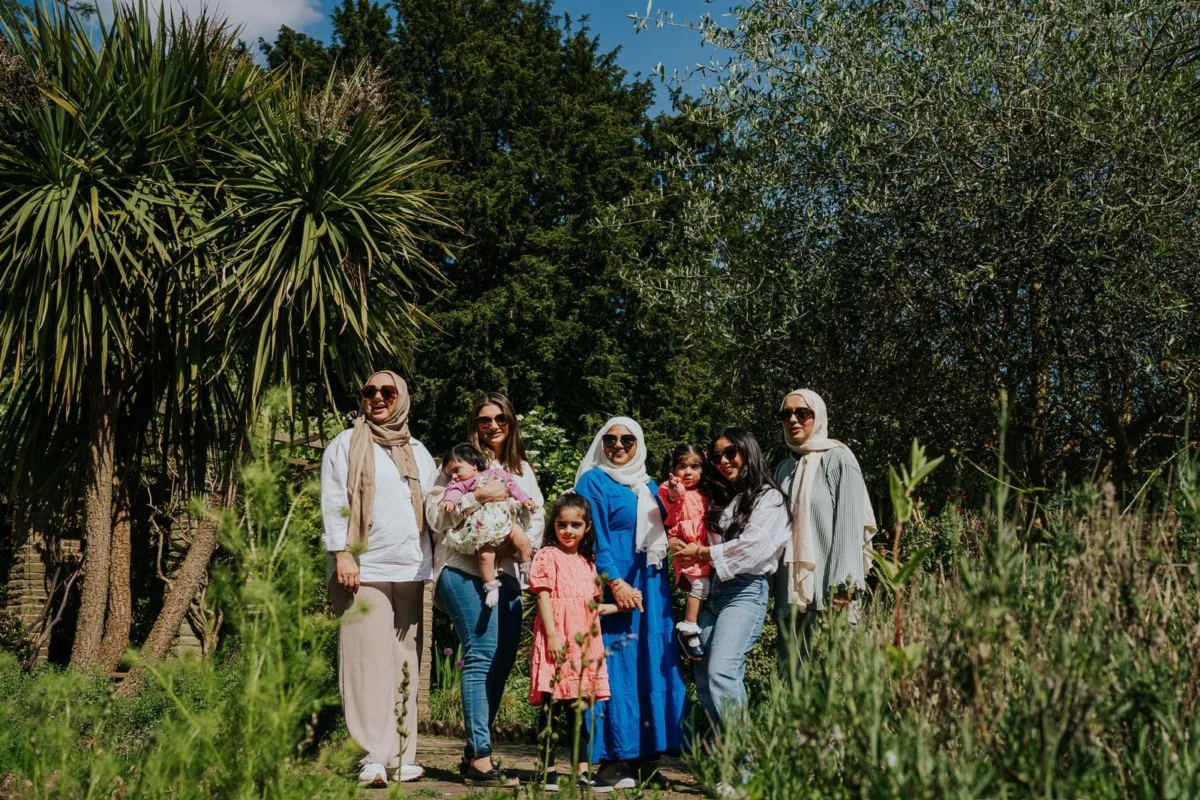
Zarina Ayyub’s profound journey from a young, unsupported mother to a dedicated breastfeeding peer supporter and doula illuminates the persistent challenges and transformative power of advocacy within South Asian communities in the UK. Her story, spanning decades and generations, highlights systemic issues in maternal healthcare, deeply ingrained cultural perceptions, and the vital role of culturally sensitive support in normalizing breastfeeding. Born in Birmingham to Pakistani immigrant parents, Ayyub’s personal experiences mirror broader societal shifts and enduring cultural barriers that continue to impact maternal and infant health outcomes.
A Mother’s Traumatic Legacy and Early Healthcare Deficiencies
The roots of Zarina Ayyub’s advocacy can be traced back to her mother’s harrowing experience in the late 1960s. As one of the first Pakistani women in her Birmingham community to give birth in England, Ayyub’s mother faced immense isolation and a healthcare system ill-equipped to support her cultural needs or breastfeeding aspirations. In an era when formula feeding was heavily promoted by medical institutions, often at the expense of natural lactation, Ayyub’s mother was reportedly given formula and medication to suppress her milk in the hospital, a practice she never forgot. Compounding this, she lived in a multi-generational household with her husband’s family, where cultural norms and the presence of male relatives created an environment unreceptive to breastfeeding. The prevailing sentiment was that colostrum was "dirty," a belief common in certain traditional South Asian practices, with an alternative concoction of boiled water, fennel, and seeds often administered to newborns instead. This cultural directive, coupled with the lack of privacy and support, rendered her breastfeeding attempts painful and ultimately unsuccessful, leaving her with lasting trauma.
This historical context is crucial. In the mid-20th century, Western medical advice often undermined traditional breastfeeding practices. Hospitals frequently separated mothers and babies, limiting early skin-to-skin contact and opportunities for successful latching. The global rise of formula milk, aggressively marketed as a modern and superior alternative, further eroded breastfeeding rates across many communities. For immigrant women like Ayyub’s mother, navigating a new country’s healthcare system while adhering to deeply held cultural beliefs, the challenges were amplified. Without culturally competent care or peer support, many felt compelled to conform to hospital practices or familial expectations, often sacrificing their own maternal instincts.
Zarina’s Own Struggle: A Cycle of Systemic Neglect
Zarina Ayyub’s entry into motherhood at the tender age of 20, just days after her own birthday on November 1st, mirrored aspects of her mother’s ordeal, despite the passage of time. Her first baby, born prematurely at 4 lbs 13 oz, was immediately whisked away to a special nursery and fed formula via a tube, leaving Ayyub isolated and uninformed in her own room. The lack of explanation regarding her baby’s low birth weight or her placenta’s function left indelible scars. "No one in the hospital explained anything to me or gave me any choices," she recalls, highlighting a systemic failure to adequately educate and empower young mothers. She was unaware of colostrum’s vital importance or how to express it, knowledge that could have significantly altered her initial experience. This lack of information, coupled with her mother’s traumatic warnings against breastfeeding due to pain, created an environment of fear and uncertainty.
When her daughter was finally brought to her on day three, Ayyub was severely engorged. Her attempts to breastfeed were met with physical discomfort and a distressing lack of gentle guidance. A midwife’s forceful intervention to "grasp her breast and force her baby onto me" left her in tears, a stark illustration of insensitive care. Her mother, witnessing her distress, again urged her to abandon breastfeeding for a bottle, prioritizing an end to her daughter’s perceived suffering. This period underscored a critical gap in empathetic and culturally informed postnatal care, particularly for young mothers who might lack self-advocacy skills or familial support for their breastfeeding choices. Studies consistently show that early, skilled support is paramount for successful breastfeeding initiation, and its absence often leads to early cessation.
Navigating Cultural Expectations and Societal Pressures
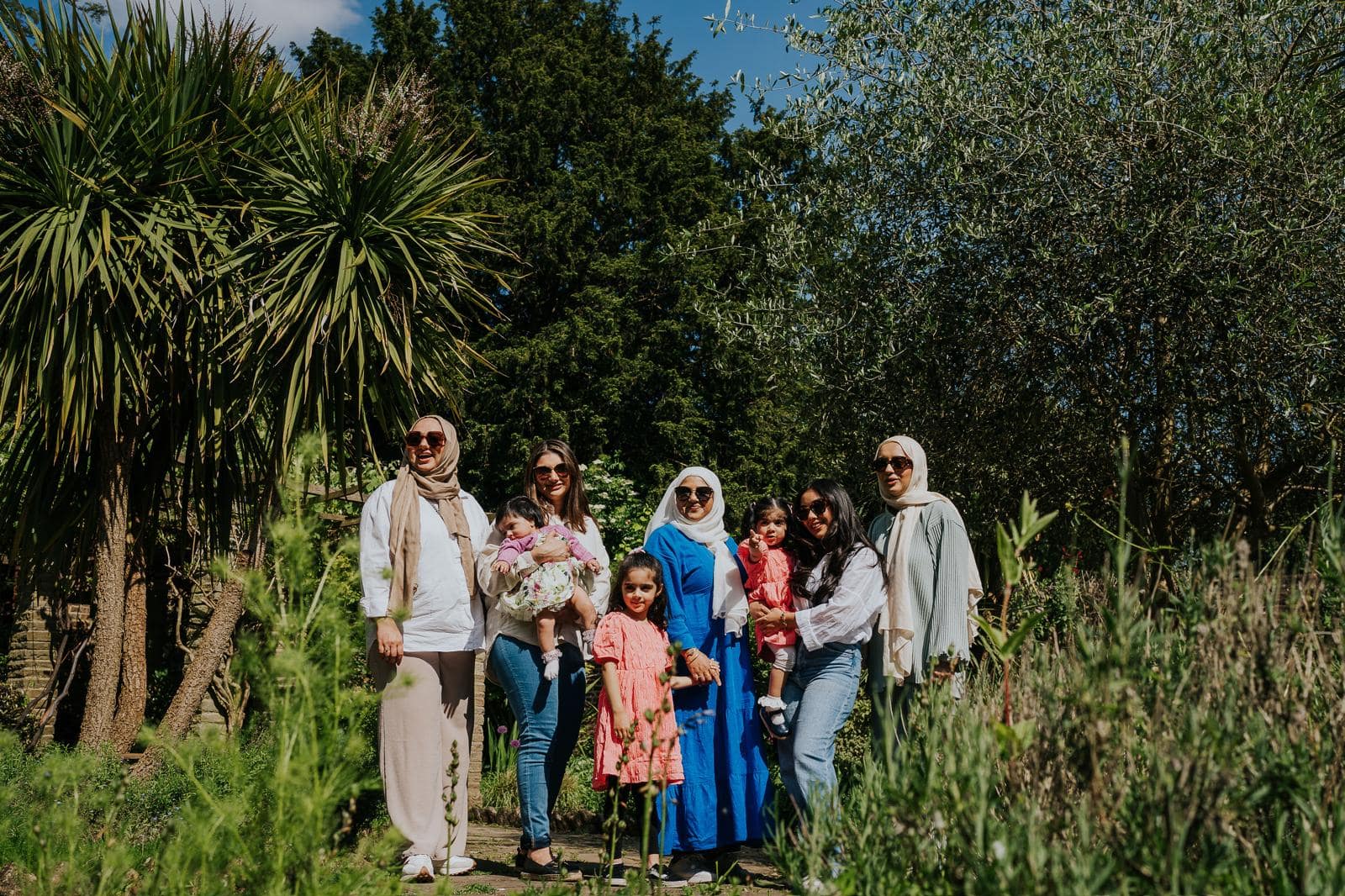
Upon returning home, Ayyub’s struggles intensified. Her nipples became severely sore, cracked, and bleeding, a common consequence of poor latch without proper guidance. The initial nights were fraught with distress, highlighting the immediate need for accessible postnatal support, which was scarce in Birmingham at the time. Her husband’s efforts to find a hand pump or a suitable dummy in the late hours reflect the desperation many new parents face when confronted with infant crying and perceived feeding difficulties.
Moving to London and establishing her own flat with her husband brought a different set of challenges. While offering a degree of independence, the cultural expectation of hosting newly arrived relatives from the UK meant Ayyub was constantly busy with household chores. This created an environment where "sitting to feed" was often perceived as laziness by her in-laws, who prioritized a spotless home and contribution to the family. Even her mother-in-law, who had breastfed her own sons, struggled to understand Ayyub’s fervent desire to breastfeed, comparing her unfavorably to another daughter-in-law who chose formula to maintain a pristine home. This highlights the complex interplay of cultural values, gender roles, and the devaluation of maternal care in certain community contexts.
Furthermore, Ayyub faced pressure from her husband and other family members who compared her smaller, breastfed babies to larger, formula-fed children within the extended family, often implying that "bottle milk" was necessary for healthy growth. This pervasive misconception, where infant size is equated with health, often undermines breastfeeding confidence and is a significant barrier for many mothers globally. These pressures forced Ayyub to develop an intuitive understanding of her baby’s needs for touch and closeness, picking her up when she cried, despite the societal judgment. This period of intense cultural and familial scrutiny reinforced her burgeoning conviction in the innate connection between mother and child, laying the groundwork for her future advocacy.
A Turning Point: Education and Empowerment
The pivotal shift in Zarina Ayyub’s journey came with her third child. By this time, her household had expanded to include her husband’s mother and two brothers, intensifying the domestic and cultural pressures. Yet, something within her solidified her resolve. "There was something inside me that just knew what to do," she reflects. This inner conviction was powerfully amplified when she discovered The Womanly Art of Breastfeeding from her local library. For nine months, she immersed herself in its pages, absorbing critical information that debunked myths (like colostrum being dirty) and offered practical solutions (like relactation). This access to evidence-based knowledge was revolutionary. "I felt that now I had all this information, no one was going to mess with me!" she declared, embodying a newfound empowerment. Armed with this understanding, she breastfed her third child for two full years, a remarkable feat against a backdrop of continuous critical comments.
Her encounter with mastitis, a common but painful breastfeeding complication, led her to a La Leche League (LLL) group in Wimbledon. This experience, while initially awkward due to her traditional shalwar kameez attire and feeling like the "only woman wearing shalwar kameez," marked her first step into a supportive community. The initial discomfort, however, underscores the need for more inclusive and culturally sensitive spaces within mainstream breastfeeding support groups. The feeling of not fitting in can be a significant deterrent for women from diverse backgrounds seeking help.
From Personal Struggle to Community Leadership: The Peer Supporter and Doula
Even from the birth of her first child, Ayyub harbored a nascent desire to support other mothers. Just weeks after her own traumatic birth, she found herself assisting her sister-in-law with engorged breasts, recognizing a shared struggle within a similar unsupportive household environment. She also became a crucial support for her younger sister, helping her successfully breastfeed all her children. These early acts of informal peer support gradually normalized breastfeeding for her own mother, who eventually became a supportive advocate for Ayyub’s later breastfeeding journeys. This generational shift within her own family demonstrated the profound impact of peer example and consistent advocacy.
The formalization of her passion came after her fifth child. Despite a more positive birth experience, this baby, born at 35 weeks with severe reflux, presented new breastfeeding challenges. Disappointed by poor advice from a breastfeeding counselor, Ayyub found renewed courage to attend a local breastfeeding café. It was there she discovered an advertisement for La Leche League’s 12-week peer supporter training course, run by the NHS. This was a turning point. "Thank God I came today!" she recalls thinking, feeling a strong determination to provide proper, informed support to other mothers. Her graduation from the course, complete with a pink knitted "boob" (a common teaching aid), symbolized her official entry into a role she was destined for.
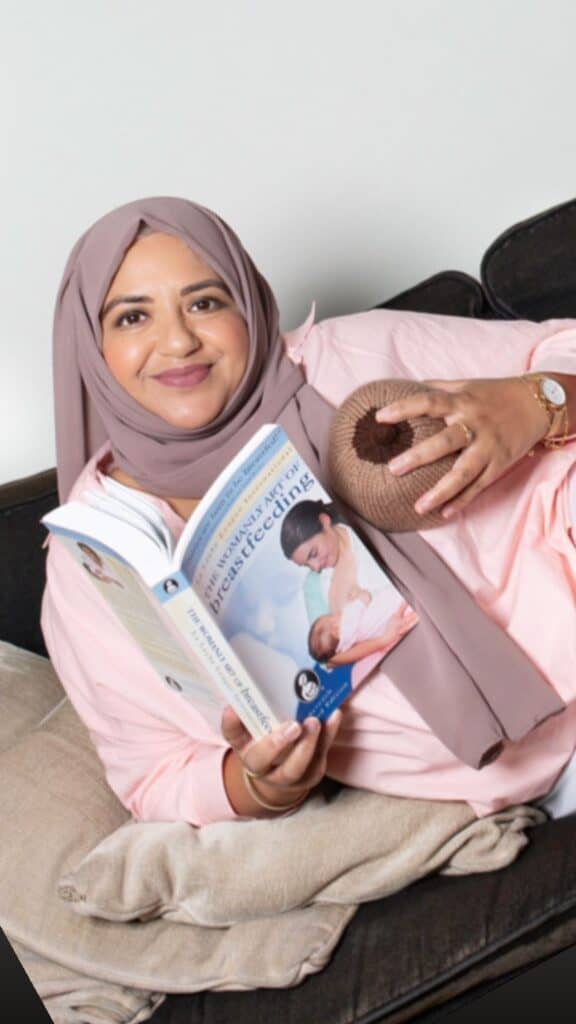
For two to three years, Zarina Ayyub served as a peer supporter, often the sole Muslim woman in her role. She observed the scarcity of Asian women attending mainstream groups, recognizing that even without a language barrier, a lack of shared cultural background could be a deterrent. Her presence, however, offered a vital bridge, allowing many mothers, both within and outside the Asian community, to feel understood and supported. Her impact was such that many mothers "wanted to take me home with them!" a testament to the deep trust and connection she fostered.
Today, Ayyub works as a doula, extending her support to mothers throughout birth and the postnatal period. Her extensive experience and deep empathy make her an invaluable resource, particularly as her own children are now grown. She remains actively involved in initiatives aimed at supporting ethnic minority families, such as The Raham Project in Peterborough and the charity BLISS, contributing her birth stories and experiences to improve neonatal intensive care units and support for premature babies. Her willingness to share these often painful memories underscores her commitment to systemic change.
A Legacy of Change: Intergenerational Impact and Future Directions
Zarina Ayyub’s enduring influence is most vividly seen in her own family. Her five children, now aged 18 to 34, are a testament to her trailblazing efforts. Her daughters, in particular, embody a generational shift. One daughter has successfully breastfed her first two children for two years, tandem-fed, and continues to breastfeed her youngest at eight months. This stands in stark contrast to Ayyub’s own initial struggles and her mother’s traumatic experience. Crucially, her daughter benefits from the supportive presence of her husband, who has embraced breastfeeding despite initial discomfort from his own family. Ayyub has also extended her support to her daughter’s sister-in-law, who has had a successful breastfeeding journey, demonstrating the ripple effect of informed advocacy.
This intergenerational success is not confined to breastfeeding. Ayyub’s constant, open discussions about topics previously considered taboo, such as breastfeeding and periods, have normalized these conversations within her family. Her influence has spread to her children’s spouses and friends, creating a more open and supportive environment. A truly remarkable shift is the willingness of her other daughters to explore home births, a significant departure from traditional norms within their community, where hospital births are often the default. This signifies a profound re-evaluation of maternal autonomy and choice within the South Asian context.
Despite these positive changes, Ayyub emphasizes that "there is still a lot of shame surrounding breastfeeding in the Asian community." Many families remain "quite prudish," and cultural barriers continue to prevent South Asian women from accessing breastfeeding support as readily as other groups. The discomfort with public feeding or lifting tops in mixed-gender or even women-only groups is a cultural, not religious, issue. As Ayyub rightly points out, "The Muslim faith teaches that the baby has a right to be breastfeed for however long they wish." The confusion of cultural norms with religious tenets often creates unnecessary barriers.
Zarina Ayyub’s work, and that of organizations like La Leche League and The Raham Project, underscores the critical need for culturally competent breastfeeding support. Building relationships of trust, providing privacy, and dispelling myths are essential steps to address fears and normalize breastfeeding within these communities. Her story is a powerful reminder that breastfeeding is not merely a biological act but a deeply personal, cultural, and societal one. By continuing to advocate for open dialogue, informed choice, and accessible, sensitive support, individuals like Zarina Ayyub are paving the way for a future where breastfeeding is universally recognized and supported as a natural and beneficial way of life for all mothers and babies. Her participation in initiatives like the "Breastfeeding Matters LLLGB Podcast," where she discusses the "fourth trimester" and the need for safe, supportive environments, further solidifies her role as a vital voice in this ongoing movement.
