

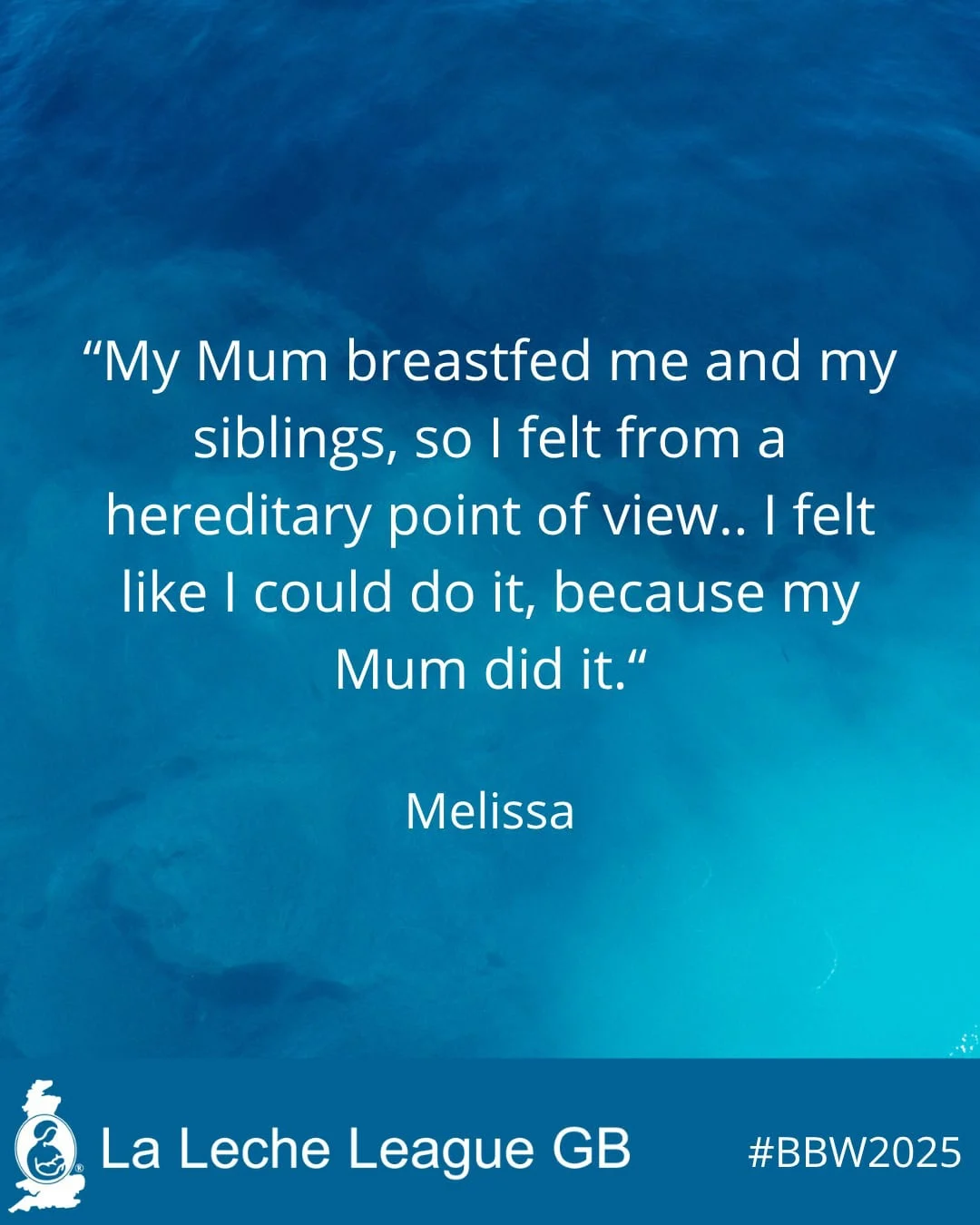
Black Breastfeeding Week, observed annually during the last week of August, stands as a pivotal moment to address the historical underrepresentation and systemic inequities faced by Black women in their breastfeeding journeys. This dedicated week aims to amplify Black women’s voices, validate their lived experiences, and foster a supportive environment crucial for improving health outcomes. In a powerful testament to the significance of shared narratives, Melissa, a mother from London, recently contributed her personal reflections to La Leche League, offering invaluable insights into the joys and challenges of breastfeeding while navigating the daily rhythms of motherhood. Her story, recorded in audio notes as she walked her five-month-old to sleep, illuminates the profound need for "likeminded community" and comprehensive support systems for Black mothers.
The Genesis and Imperative of Black Breastfeeding Week
The establishment of Black Breastfeeding Week in 2012 by Kimberly Seals Allers, Kiddada Green, and Anayah Sangodele-Ayoka was a direct response to stark racial disparities in breastfeeding rates and the pervasive lack of culturally sensitive support for Black mothers. While breastfeeding is widely recognized for its myriad health benefits for both parent and child, Black women in many Western countries, including the UK and the US, consistently exhibit lower rates of breastfeeding initiation and duration compared to their white counterparts. Data from Public Health England, for instance, has highlighted disparities in breastfeeding rates across different ethnic groups, indicating that while initiation rates can vary, the duration of exclusive breastfeeding often sees a more significant drop among Black mothers. This disparity is not merely statistical; it is rooted in a complex tapestry of historical, social, economic, and systemic factors that have profoundly impacted Black families.
Historically, the trauma of slavery and the forced wet-nursing of enslavers’ children created a deep-seated disconnect from breastfeeding within the Black community. Post-slavery, the aggressive marketing of infant formula, particularly in Black communities, further eroded breastfeeding practices, often without adequate information on its health implications. Fast forward to the present day, and these historical legacies intertwine with contemporary challenges such as a lack of paid parental leave, insufficient workplace accommodations for pumping, inadequate access to culturally competent lactation support, and implicit bias within healthcare systems. Black Breastfeeding Week serves as a crucial platform to counteract these historical and ongoing adversities, reclaim narratives, and advocate for equitable resources and support. It emphasizes the importance of representation, celebrating Black lactating parents, and building robust community networks that understand and address their unique needs.
La Leche League: Championing the Power of Shared Stories
At the heart of organizations like La Leche League lies the fundamental belief that "stories matter." This philosophy posits that sharing personal experiences fosters connection, builds empathy, and empowers individuals by demonstrating that they are not alone in their journeys. For mothers, particularly those from marginalized communities, this connection to a "global community of mothers and peers" is indispensable. It provides a safe space for learning, mutual support, and validation, often filling gaps left by formal healthcare systems or immediate family networks. By offering a platform for voices like Melissa’s, La Leche League actively contributes to the broader mission of Black Breastfeeding Week, underscoring the universal truth that every mother’s story holds power and potential to inspire and inform.
The very act of sharing, as Melissa did through her audio notes, transforms individual struggle into collective strength. It dismantles the isolation that many new mothers experience and offers practical wisdom gleaned from real-life situations. This peer-to-peer model of support is especially critical for Black mothers who may face additional layers of cultural misunderstanding or systemic barriers when seeking professional lactation assistance. By hearing from someone who shares similar cultural backgrounds or experiences, mothers can find reassurance, practical advice, and a sense of belonging that is often absent in mainstream narratives about infant feeding.
Melissa’s Journey: Navigating Perceptions, Barriers, and the Quest for Community
Melissa’s candid reflections offer a microcosm of the broader challenges and triumphs experienced by Black mothers in their breastfeeding journeys. Her audio notes, captured amidst the gentle rhythm of walking her five-month-old to sleep, reveal a deeply personal narrative that resonates with many.
The Personal Significance of Breastfeeding: For Melissa, breastfeeding transcends mere infant nutrition; it embodies a profound connection and a sense of empowerment. Many mothers, particularly Black mothers, view breastfeeding as an act of reclaiming health, culture, and agency. It’s an opportunity to provide optimal nourishment and foster an intimate bond, often in defiance of historical narratives that sought to diminish or exploit Black women’s bodies and their capacity to nurture. The health benefits, both immediate and long-term, for both mother and child are often a primary motivator, coupled with the desire to give her child the best possible start in life.
Pre-Conceptions and Family Influences: Melissa’s journey likely began with a landscape of varying perceptions regarding breastfeeding. Prior to having her own children, her understanding might have been shaped by the prevalence of formula feeding in her immediate or extended family, a common scenario influenced by historical trends and formula marketing. Many Black families, due to generations of systemic influences, may have fewer living examples of successful, sustained breastfeeding, leading to a perception that formula is the norm or even preferable. This lack of visible, multi-generational breastfeeding support can create a vacuum of knowledge and practical guidance for new mothers, making their initiation into breastfeeding a more solitary endeavor. The absence of familial role models can also mean less inherent understanding or encouragement from close relatives, requiring mothers to seek out information and support independently.
Family and Friends’ Attitudes: The attitudes of friends and family can be a significant determinant of a mother’s breastfeeding success. For Melissa, these attitudes likely presented a mixed bag. While some family members might have offered encouragement, others could have expressed skepticism, discomfort, or even subtle pressure to formula feed, perhaps out of concern for the mother’s convenience or a lack of understanding about breastfeeding’s benefits. Societal norms, often reinforced by media portrayals that normalize bottle-feeding, can also contribute to an environment where breastfeeding, especially in public, is not always fully accepted or celebrated. Navigating these external pressures requires resilience and a strong internal conviction, which is often bolstered by external support.
Unforeseen Challenges and Barriers: Melissa’s reflections on what she wished she had known before embarking on her feeding journey and the barriers she faced are particularly poignant. Common barriers include latch difficulties, nipple pain, engorgement, concerns about milk supply, and the sheer exhaustion that accompanies round-the-clock nursing. Beyond the physical, mothers often contend with a lack of confidence, societal judgment, and the practical demands of balancing breastfeeding with work or other responsibilities. For Black mothers, these barriers are often compounded by the aforementioned systemic issues: a healthcare system that may not adequately address their specific needs, a lack of diverse lactation consultants, and workplaces that may not offer sufficient accommodations or understanding. The emotional toll of these challenges can be immense, making accessible and culturally competent support not just beneficial, but essential.
Sources of Support and Building Community: Identifying useful sources of help and support was a critical element of Melissa’s journey. These likely included lactation consultants, healthcare professionals, online forums, and crucially, peer support groups like those offered by La Leche League. These sources provide not only practical advice on latch, positioning, and milk supply but also emotional reassurance and validation. However, the most profound aspect of Melissa’s experience, and one that she explicitly highlighted, was the construction of her "supportive community." This isn’t merely about receiving help; it’s about finding individuals who truly understand and empathize with her journey. This likeminded community offers a sense of belonging, a space where experiences are normalized, and where collective wisdom can be shared without judgment. For Black mothers, such communities are vital in countering feelings of isolation and providing a protective buffer against societal pressures and systemic barriers.
Official Responses and Advocacy for Equity
Organizations like La Leche League and various public health bodies are increasingly recognizing the specific needs of Black mothers and are working to implement more inclusive and equitable support systems. La Leche League, through initiatives like encouraging stories for its "Breastfeeding Matters" publication and hosting inclusive meetings, actively works to diversify the voices represented in its network. This commitment extends to ensuring that their leaders and resources reflect the diverse communities they serve, aiming to provide culturally congruent care and support.
Beyond individual stories, there is a growing movement to address the systemic issues that create disparities. This includes advocating for policy changes such as extended paid parental leave, mandatory lactation accommodations in workplaces, and increased funding for diverse lactation consultant training programs. Public health campaigns are also striving to normalize and celebrate Black breastfeeding, challenging stereotypes and promoting positive imagery. The aim is not just to increase breastfeeding rates but to ensure that every Black mother has the agency, information, and support to make informed feeding choices for her family without encountering unnecessary barriers.
Broader Impact and Future Implications
Melissa’s story, amplified during Black Breastfeeding Week, contributes to a much larger narrative of health equity and social justice. By giving voice to individual experiences, these stories collectively illuminate systemic issues, compelling healthcare providers, policymakers, and communities to confront and dismantle the barriers that prevent Black women from achieving their breastfeeding goals. The implications are far-reaching:
- Improved Health Outcomes: Increased breastfeeding rates among Black mothers can lead to significant improvements in maternal and infant health, reducing the incidence of chronic diseases, infections, and certain cancers.
- Empowerment and Advocacy: Sharing stories empowers Black mothers to become advocates for themselves and their communities, demanding better care and more equitable resources.
- Cultural Reclamation: Black Breastfeeding Week and similar initiatives foster a reclamation of cultural practices and narratives, celebrating the strength and resilience of Black families.
- Systemic Change: The ongoing dialogue spurred by these stories drives demand for systemic changes within healthcare, workplaces, and society at large, leading to more inclusive and supportive environments for all families.
The call for mothers to share their stories for publications like "Breastfeeding Matters" or in local meetings is more than an invitation; it is an affirmation of the profound impact individual narratives have on collective progress. Melissa’s journey, from her personal motivations to her quest for a supportive community, serves as a powerful reminder that every voice contributes to a richer, more representative understanding of the breastfeeding experience. Her experience underscores the enduring truth that while the act of breastfeeding is deeply personal, the journey is often shared, and it is within these shared spaces that strength, knowledge, and true community are forged. The efforts of Black Breastfeeding Week and organizations like La Leche League continue to build bridges of understanding and support, ensuring that every mother, regardless of her background, finds the encouragement and resources she needs to thrive.
