

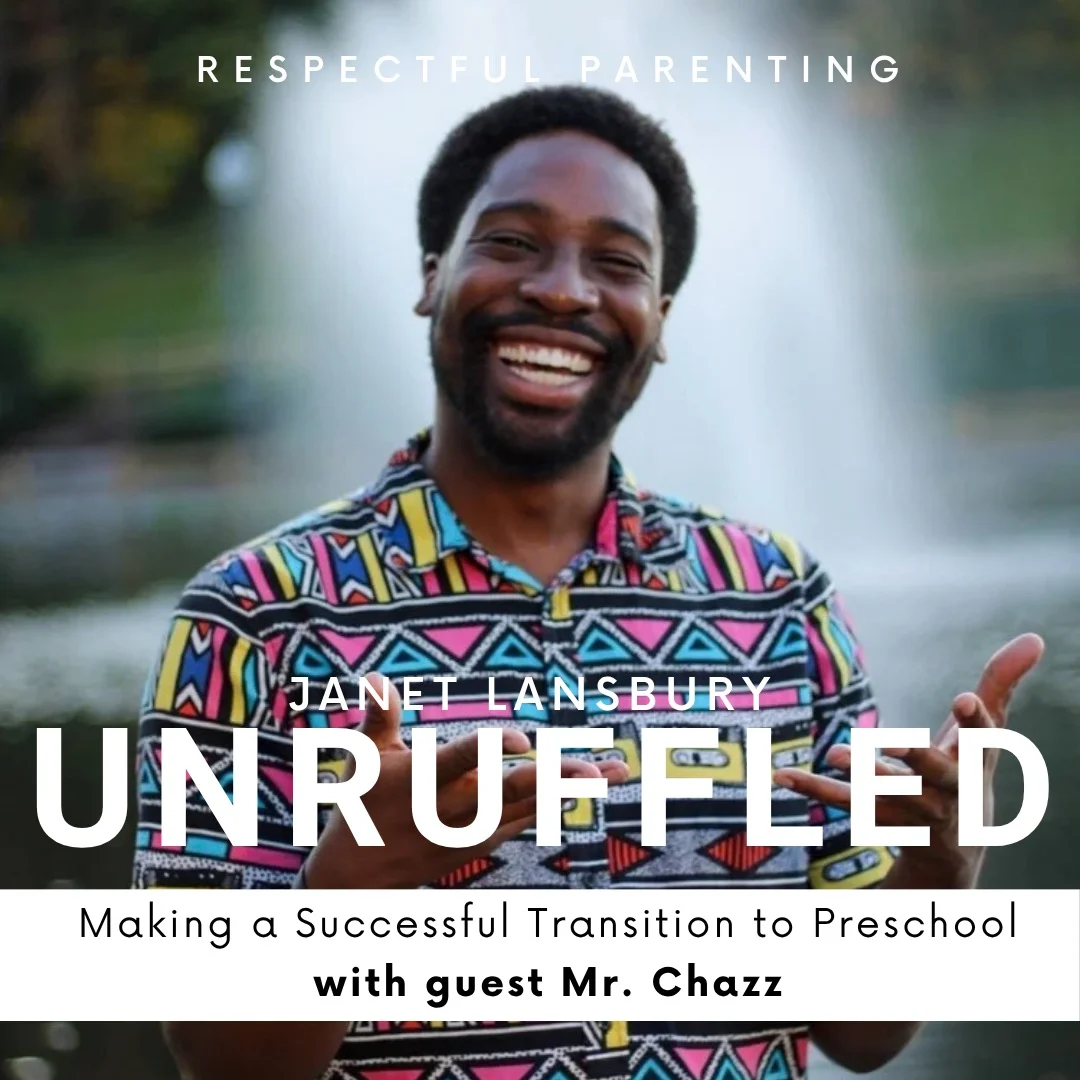
Esteemed educator Mr. Chazz, known affectionately as "America’s Favorite Teacher," recently joined host Janet Lansbury on the "Unruffled" podcast to discuss the critical process of transitioning young children into preschool or childcare settings. The conversation, which aired on October 5, 2025, offered profound insights into fostering trust, maintaining connection, and empowering both parents and children to navigate this significant developmental milestone with confidence. Mr. Chazz, who has garnered a substantial following on platforms like TikTok and Instagram for his engaging and insightful approach to child development, shared his philosophy and practical strategies, drawing from his experience as an educator and the founder of Birdhouse, an innovative learning and childcare center in Brooklyn.
The Foundation of Trust and Connection in Early Childhood Education
Mr. Chazz emphasized that a successful transition hinges on building a strong foundation of trust and connection. He articulated a vision for early childhood education that prioritizes the emotional well-being of children, educators, and families, a stark contrast to what he describes as the "99% of childcare centers" that often prioritize adult convenience over child-centered practices.
"We often do things for the convenience of the adult rather than what’s best for the child or the teachers or even the family unit," Mr. Chazz stated, highlighting a systemic issue within the sector. He further elaborated that these practices are frequently driven by the "convenience of meeting these awesome responsibilities that we often have as grown-ups." This perspective underscores a fundamental critique of traditional childcare models, suggesting a need for a paradigm shift in how transitions are managed.
The conversation delved into Mr. Chazz’s personal journey and his motivations for establishing Birdhouse. His vision for the center is not merely to provide childcare but to create an environment that models best practices in early childhood education. A key element of this model is the innovative approach to supporting educators.
Birdhouse: A Model for Educator Support and Child Well-being
One of the most striking aspects of Mr. Chazz’s Birdhouse center is its commitment to supporting its educators. The center’s head teacher lives on-site, an arrangement designed to alleviate the financial burden of rent and reduce the feeling of a "survival state" among staff. This allows educators to dedicate their full attention and emotional resources to the children.
"Any parent can very much relate that it is much harder to care for children when you are not cared for yourself," Mr. Chazz explained. This statement resonates with the widely acknowledged reality that caregiver burnout significantly impacts the quality of care provided to children. By prioritizing the well-being of teachers, Birdhouse aims to create a more stable and nurturing environment, thereby reducing the high turnover rates that plague many early childhood education settings.
Janet Lansbury noted the significance of this approach, stating, "I think another reason that is helpful, not just helpful personally to those teachers, but to the program itself and to the success of the program, is that you’re encouraging a feeling of commitment to being a teacher there." This commitment, she argued, leads to greater consistency for children and families, a crucial factor in building secure attachments and fostering a sense of belonging.
Rethinking Arrival and Reunion: A Shift in Language and Practice
Mr. Chazz introduced a significant linguistic and philosophical shift at Birdhouse, replacing the terms "drop-off" and "pick-up" with "arrival" and "reunion." This rebranding reflects a deliberate effort to reframe the separation and reconnection process, moving away from the transactional feel of "dropping off like Amazon packages" towards a more relational and emotionally supportive experience.
The arrival process at Birdhouse is designed to be a period of connection and integration. Parents are invited to engage in a series of structured activities with their children, starting with a moment of connection with Mr. Chazz or other "safekeepers" (a term used instead of "teachers" to emphasize their protective role). This is followed by the child putting away their belongings, taking off their shoes, and then washing their hands with parental assistance.
"Instead of it being this quick drop-off and pick-up, we wanted to focus more on the connection aspect of all of this," Mr. Chazz explained. He highlighted the use of visual aids, such as picture cards depicting each step of the routine, to provide clarity and predictability for both children and parents. This visual system helps children understand the sequence of events, empowering them to participate actively in their own transition.
The Role of Connection and Predictability
The emphasis on connection is paramount. Before parents depart, a brief, individualized moment of connection is encouraged – a hug, a kiss, or a short game. This ritual serves as a bridge, helping the child feel secure and acknowledged before separation.
"The parent can leave whenever they like, they’re not forced to stay, but they’re also invited to stay during our circle time," Mr. Chazz noted, indicating a flexible approach that respects individual child and parent needs. This is contrasted with traditional settings where parents might be ushered out quickly, potentially exacerbating anxiety.
Furthermore, Birdhouse offers prospective families the opportunity to visit the center for a week or two prior to their child’s official start. This "pre-arrival" phase allows children to become familiar with the environment and build initial connections with the safekeepers. This proactive approach aims to ensure that if a child experiences distress upon separation, they have a trusted adult to turn to, facilitating their emotional regulation.
Navigating Difficult Emotions: Acknowledging and Supporting Children’s Feelings
Despite the carefully constructed environment and preparatory measures, Mr. Chazz candidly acknowledged that tears can still occur. However, he stressed that the difference lies in how these emotions are handled. At Birdhouse, children are met with comfort and safety, enabling them to process their feelings with the support of the safekeepers.
"The difference is that the child cries and they often come to us for comfort and safety and we’re able to help them work through that because they already feel safe and connected with us," he explained. This approach validates the child’s experience, fostering a sense of trust and resilience.
A poignant anecdote shared by Mr. Chazz illustrated this philosophy in practice. He described a situation where a child was crying throughout circle time, deeply missing their mother. Instead of dismissing the child’s feelings, the safekeepers acknowledged them, explaining to the other children that their peer was sad and missed his mom. The group then took a collective deep breath for the child, a practice that not only supported the distressed child but also helped the other children develop their own emotional regulation skills.
"Emotions are contagious," Mr. Chazz observed, highlighting how a calm and compassionate response from adults can influence the emotional climate of the entire group. This incident served as a powerful learning opportunity for all involved, demonstrating how to navigate difficult emotions with empathy and support.
Empowering Parents and Educators: The Power of Observation and Reflection
Mr. Chazz emphasized the importance of observation and reflection for both educators and parents. He shared that Birdhouse utilizes cameras not for punitive measures but as a tool for learning and professional development. By reviewing video footage, safekeepers can analyze interactions, identify areas for growth, and refine their approaches.
"We use cameras as reflection, as really powerful learning opportunities," he explained. This allows for constructive dialogue and continuous improvement in supporting children’s needs. He also stressed the importance of acknowledging mistakes, both his own and those of his team, creating a culture of vulnerability and shared learning.
Janet Lansbury echoed this sentiment, underscoring the often-misunderstood nature of connecting with young children. She noted that the instinct to "do something to entertain you" can be counterproductive, whereas a more receptive approach—observing the child’s interests and reflecting them—is far more effective. This "being receptive instead of putting action out there" approach, she argued, fosters genuine connection and makes children feel "seen and understood."
Practical Strategies for Non-Birdhouse Environments
Recognizing that most parents and educators do not have access to a specialized environment like Birdhouse, Mr. Chazz offered practical strategies applicable to more traditional childcare settings:
- Visual Routines: Creating simple visual schedules or routine cards can provide children with a clear roadmap of the day’s activities, reducing anxiety and promoting independence.
- Pre-Visit Preparations: If possible, arranging for children to visit the school environment beforehand can help them acclimate.
- Role-Playing Transitions: Practicing the arrival and departure routine through play at home can prepare children for the actual experience, making it less daunting. This includes role-playing saying goodbye and engaging in playful connection rituals.
- Honest Communication: While aiming to build excitement, it’s crucial to be honest about all aspects of the school day, including potentially less appealing activities like naptime. This allows children to express concerns and for parents and teachers to collaborate on solutions.
- Detailed Parent Communication: Parents are encouraged to share detailed information about their child’s preferences, routines, and any specific needs with teachers. This information is invaluable for educators as they learn to attune to each child in their care.
The Long-Term Impact of Nurturing Early Childhood Education
The conversation concluded with a powerful affirmation of the profound impact of dedicated early childhood educators. Mr. Chazz expressed his unwavering passion for his work, despite its inherent challenges. He highlighted that the "emotional labor" involved in teaching is immense, but the rewards of witnessing children learn, grow, and connect are unparalleled.
"There’s absolutely nothing more rewarding than being with my kids day in and day out and supporting them and practicing my skills and supporting the parents and teaching the parents," he stated, emphasizing the deep, mile-deep commitment required in this field.
Janet Lansbury agreed, sharing her own deep connection to teaching and the continuous learning that it fosters. She noted that children teach us essential life lessons, making the role of an early childhood educator incredibly meaningful.
Both Mr. Chazz and Ms. Lansbury encouraged both parents and educators to celebrate the small victories and to maintain a belief in the child’s capacity to navigate challenges. They stressed that even in difficult moments, when handled with intention and care, these experiences can become powerful learning opportunities, fostering resilience and emotional intelligence. The belief that children can handle separation, especially when supported by attuned caregivers, is fundamental to a successful transition, transforming potential challenges into moments of growth and connection.
