

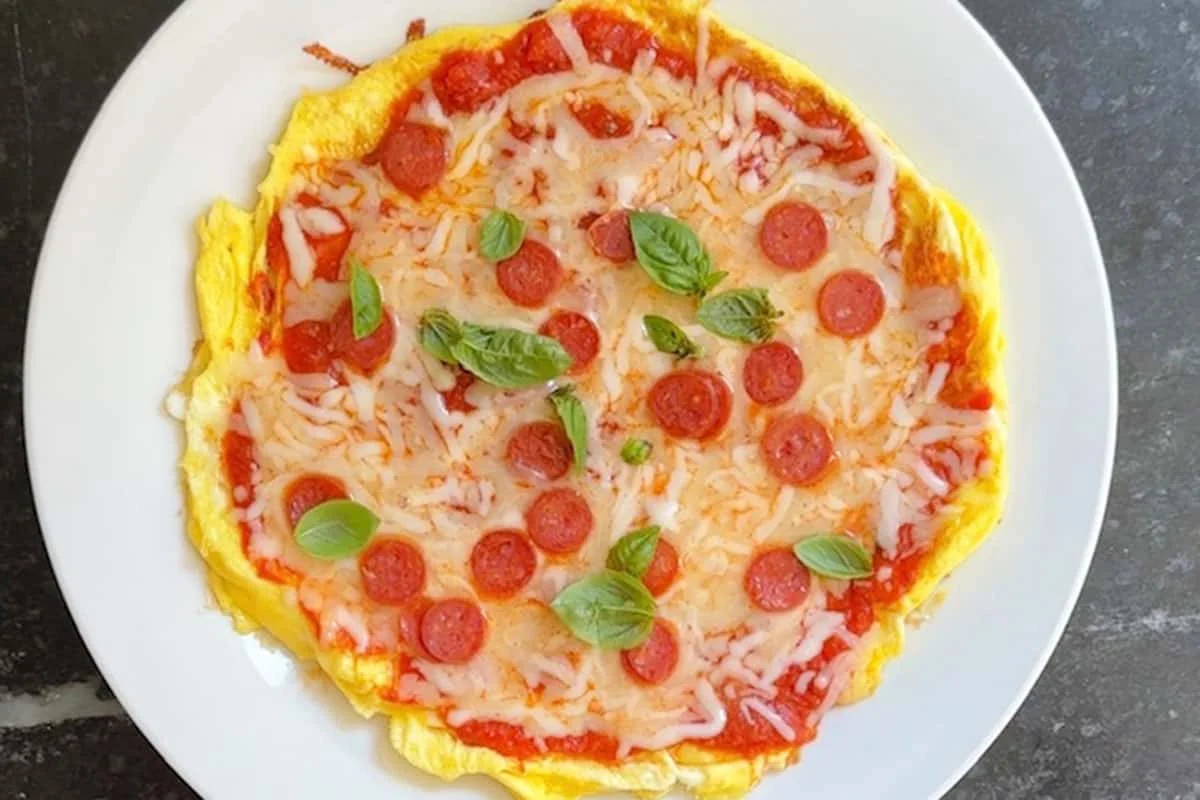
The culinary landscape for early childhood nutrition has seen a significant shift toward "fusion" meals that prioritize both speed and high-density protein. Among the most recent innovations in this sector is the Omelet Pizza, a hybrid dish that leverages the universal appeal of traditional pizza flavors to deliver the nutritional benefits of eggs. Designed to be prepared in under five minutes, this dish has emerged as a strategic tool for parents navigating the complexities of picky eating while managing the time constraints of modern household schedules. By combining the protein-rich profile of eggs with customizable toppings such as vegetables, meats, and cheeses, the Omelet Pizza serves as a versatile option suitable for breakfast, lunch, or dinner.
The Evolution of "Pizza-fication" in Pediatric Nutrition
The concept of "pizza-fication"—applying pizza flavor profiles to healthier food bases—is a recognized tactic in pediatric dietetics. According to childhood nutrition experts, the strategic use of familiar flavors like tomato sauce, mozzarella cheese, and oregano can significantly increase a child’s willingness to try new textures, such as the soft consistency of cooked eggs. This method, often referred to as "food bridging," allows parents to introduce nutrient-dense ingredients by masking them with high-preference flavors.
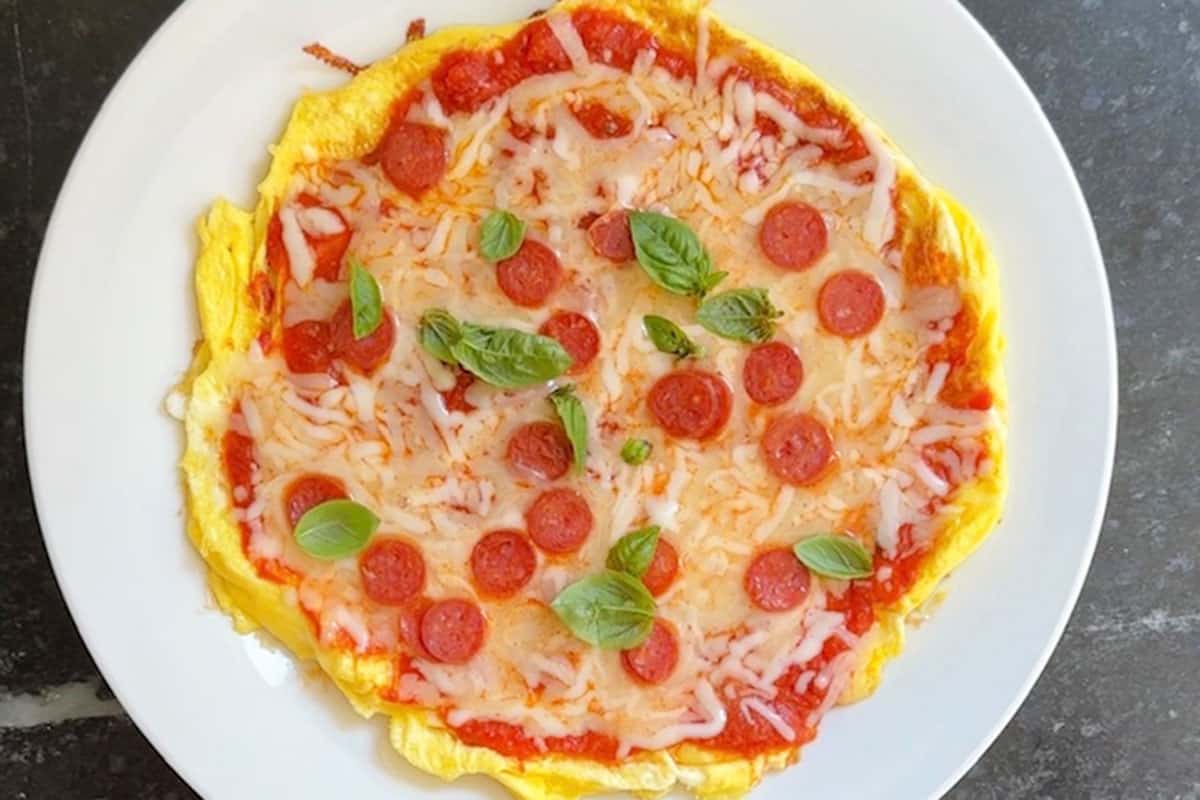
The Omelet Pizza follows in the footsteps of other successful adaptations, including pizza toast and naan-based pizzas, but it offers a distinct advantage: it eliminates the refined carbohydrate base of traditional dough. By utilizing eggs as the structural foundation, the meal provides a lower-glycemic alternative that sustains energy levels more effectively than bread-based snacks.
Nutritional Profile and Health Implications
A standard serving of the Omelet Pizza, calculated for approximately two servings, provides a robust nutritional framework. Each serving contains approximately 320 calories and 19 grams of protein, making it an exceptionally dense source of macronutrients for growing children.
Data from the USDA suggests that eggs are one of the most cost-effective sources of high-quality protein available to consumers. Beyond protein, the Omelet Pizza delivers 371 mg of cholesterol and 25 grams of fat, including 11 grams of saturated fat. While these figures are significant, the inclusion of monounsaturated fats (9g) and essential vitamins—such as 1001 IU of Vitamin A and 12 mg of Vitamin C—contributes to a balanced dietary intake when served alongside fibrous sides.
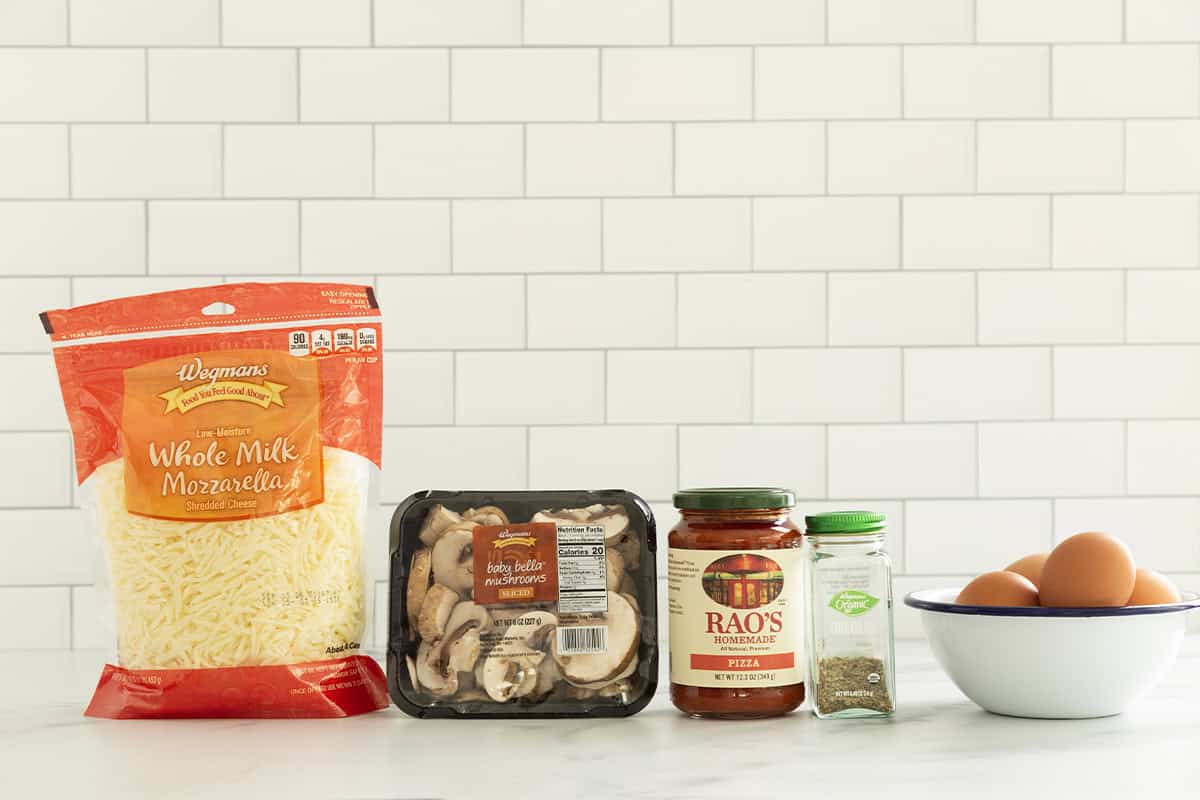
For toddlers, the high protein content is particularly beneficial for muscle development and cellular repair. Furthermore, the inclusion of choline, found in egg yolks, is critical for brain development and cognitive function in children under the age of five. When supplemented with vegetables like mushrooms, peppers, or spinach, the dish becomes a comprehensive delivery system for essential minerals and vitamins.
Chronology of Development and Preparation Standards
The rise of the Omelet Pizza can be traced through the growth of digital food platforms like Yummy Toddler Food, which focus on streamlining meal preparation for busy families. The development of this specific recipe reflects a broader trend toward "five-minute meals" that emerged during the post-pandemic era, as work-from-home dynamics increased the demand for quick, nutritious lunches.
The preparation of the Omelet Pizza follows a specific technical protocol to ensure both safety and palatability:
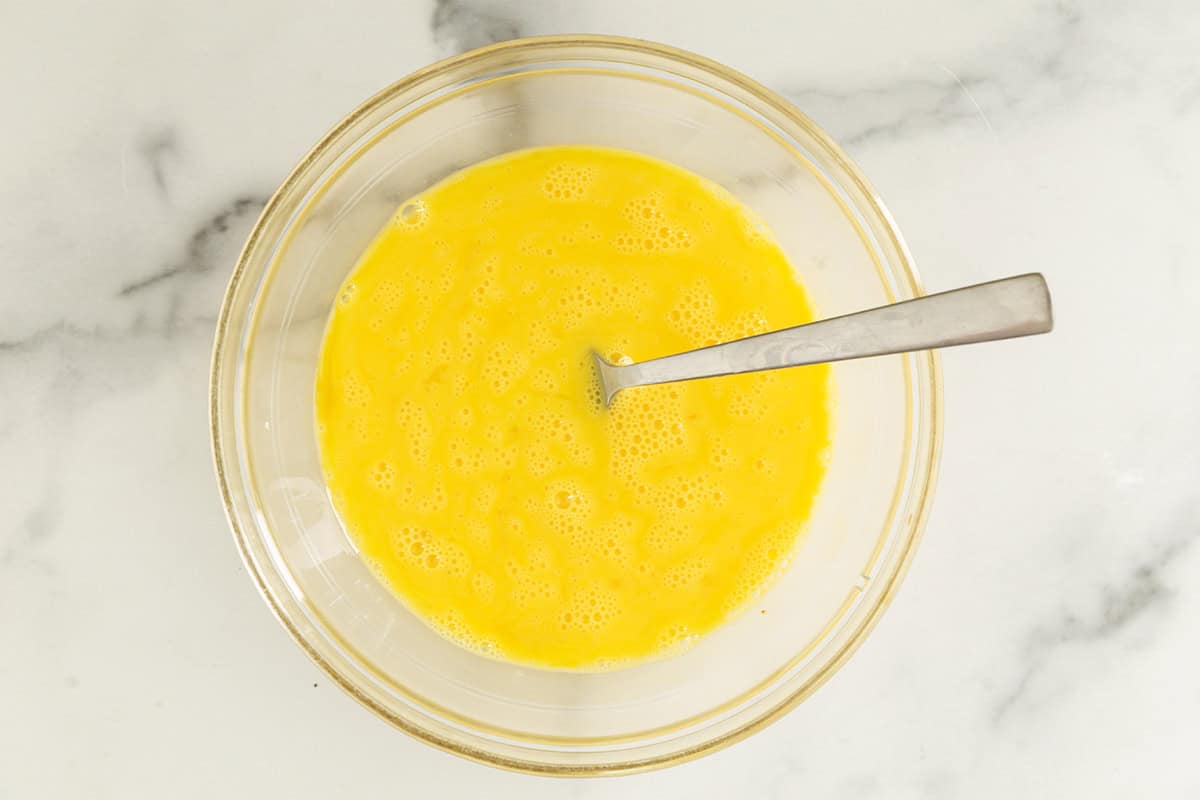
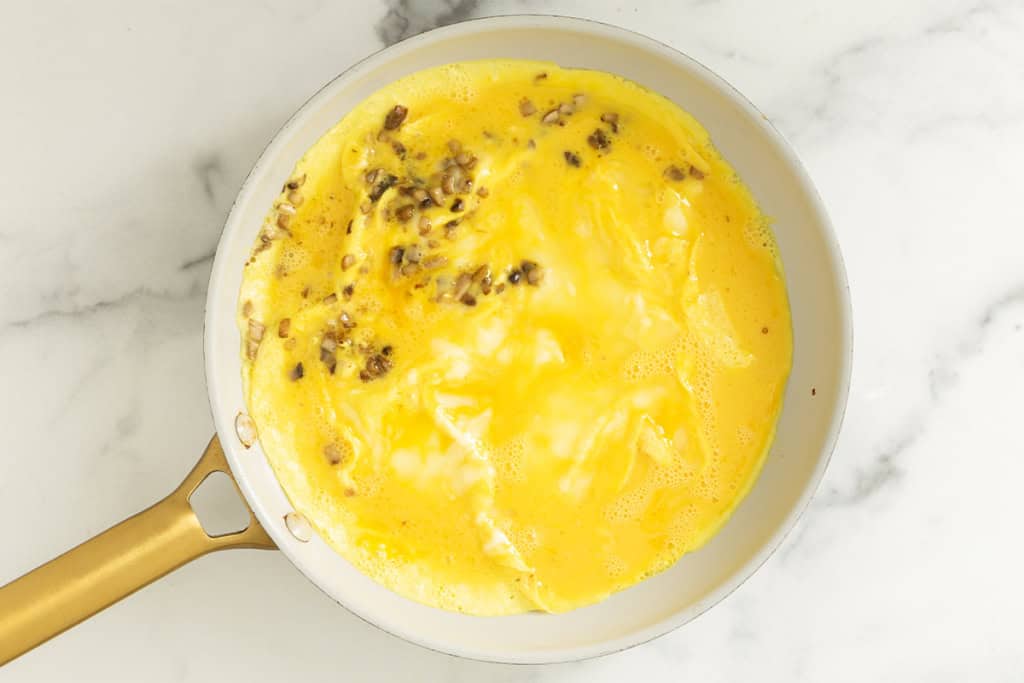
- Preparation of the Base: Two to four eggs are whisked lightly to blend the yolks and whites. This aeration is crucial for achieving a light, "pizza-crust-like" texture in the final product.
- The Cooking Process: A non-stick pan is heated with butter over medium-low heat. The egg mixture is added and allowed to set. To ensure even cooking without burning the bottom, the cook must gently lift the edges to allow raw egg to flow underneath.
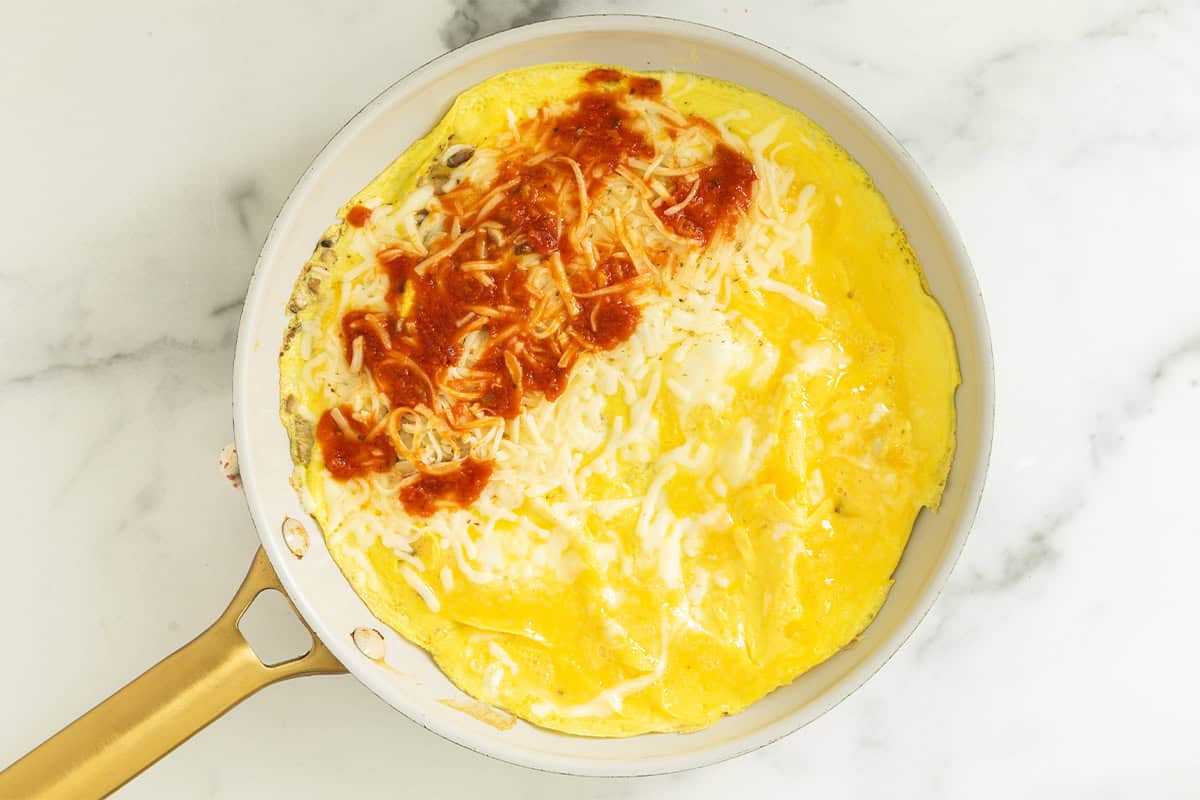
- Topping Integration: Once the base is mostly set, pizza-specific ingredients—including shredded mozzarella, oregano, and finely diced vegetables—are scattered over one half of the omelet. A small amount of pizza sauce may be added internally or reserved for dipping to maintain the structural integrity of the egg fold.
- The Steaming Phase: The pan is covered briefly. This creates a localized steam environment that melts the cheese and softens any added vegetables without requiring prolonged exposure to direct heat, which can toughen the egg proteins.
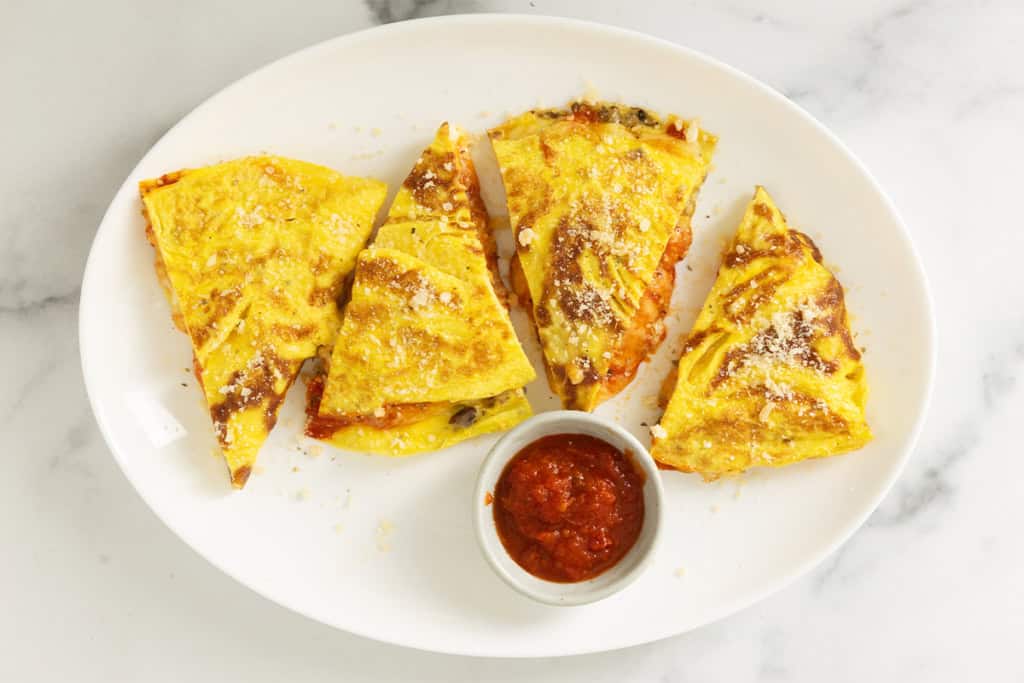
- Final Assembly: The plain half of the omelet is folded over the toppings, and the dish is pressed lightly to seal the contents.
Safety Protocols and Serving Suggestions for Toddlers
From a safety perspective, the Omelet Pizza must be adapted to the developmental stage of the child. Pediatricians often recommend dicing the omelet into small, bite-sized squares or thin wedges. This reduces the risk of choking and allows toddlers to practice their fine motor skills through "finger feeding" or the use of a training fork.
To enhance the nutritional value and provide a sensory-balanced meal, health advocates suggest pairing the Omelet Pizza with specific side dishes. Recommended pairings include:
- Fiber-Rich Vegetables: Roasted frozen broccoli or steamed cauliflower to provide contrast in texture.
- Fresh Fruit: Diced apples, berries, or applesauce to provide a sweet counterpoint to the savory umami of the cheese and eggs.
- Hydration-Focused Sides: Sliced cucumbers or bell pepper strips, which offer a high water content and a satisfying "crunch."
Economic Impact and Household Efficiency
The Omelet Pizza represents a significant shift in the economics of household meal planning. As inflation continues to impact grocery prices, particularly for processed "kid-friendly" snacks and frozen pizzas, the use of eggs as a primary meal component offers a budget-friendly alternative.
The "five-minute" nature of the recipe also addresses the "parental burnout" crisis reported in various sociological studies. By reducing the time required for meal preparation and cleanup, parents are able to allocate more time to developmental interaction with their children. The versatility of the dish—being equally appropriate for a "mom lunch" as it is for a "toddler dinner"—further streamlines kitchen operations by allowing for a single meal to satisfy multiple members of the household.
Storage and Food Safety Standards
Proper storage is essential for maintaining the safety and quality of egg-based meals. Food safety guidelines indicate that the Omelet Pizza should be cooled to room temperature before being placed in an airtight container. It can be safely refrigerated for up to five days.
For reheating, the use of a microwave is the most efficient method, requiring approximately 15 to 30 seconds on a heat-safe plate. To maintain the texture, it is recommended to store the omelet in pre-cut wedges, which allows for more even heat distribution during the reheating process.
Broader Implications for the Food Industry
The popularity of recipes like the Omelet Pizza signals a growing demand for "clean label" toddler foods. Parents are increasingly skeptical of pre-packaged meals that contain high levels of sodium, preservatives, and hidden sugars. The DIY nature of the Omelet Pizza allows for total transparency in ingredients, a factor that is becoming a primary driver in consumer behavior within the $70 billion global baby and toddler food market.
Furthermore, this trend highlights the power of social media and digital platforms in shaping modern dietary habits. As recipes go viral on platforms like Pinterest and Instagram, they create new standards for what constitutes a "standard" meal, slowly shifting the cultural definition of breakfast and dinner.
Analysis: Why the Omelet Pizza Succeeds
The success of the Omelet Pizza lies in its ability to solve three primary problems simultaneously: nutritional density, time management, and sensory appeal. While traditional omelets are often viewed by children as "scary" or "boring," the rebranding of the dish as a "pizza" changes the psychological approach to the meal.
The umami profile of the melted cheese, combined with the aromatic presence of oregano and the acidity of tomato sauce, triggers a high-reward response in the palate. This makes the Omelet Pizza not just a meal of convenience, but a strategic instrument in a parent’s arsenal for fostering a healthy relationship with food. As the trend toward high-protein, quick-prep meals continues, the Omelet Pizza is likely to remain a staple in the modern family kitchen, serving as a testament to the effectiveness of simple, innovative home cooking.
