

The integration of nutrient-dense vegetables into staple grain dishes has gained significant traction among nutritionists and parents alike, with Zucchini Rice emerging as a primary example of this culinary evolution. As household’s look for ways to maximize the nutritional output of standard meals, the practice of "veggie-loading" has transitioned from a niche dietary trend to a mainstream preparation method. Zucchini Rice, characterized by its light texture and rapid preparation time, serves as a versatile foundation that can function as a standalone vegetarian main or a fortified side dish. By incorporating finely shredded zucchini into simmered rice, the dish addresses common pediatric dietary gaps while utilizing seasonal produce that is often available in surplus during the summer months.
Technical Composition and Ingredient Analysis
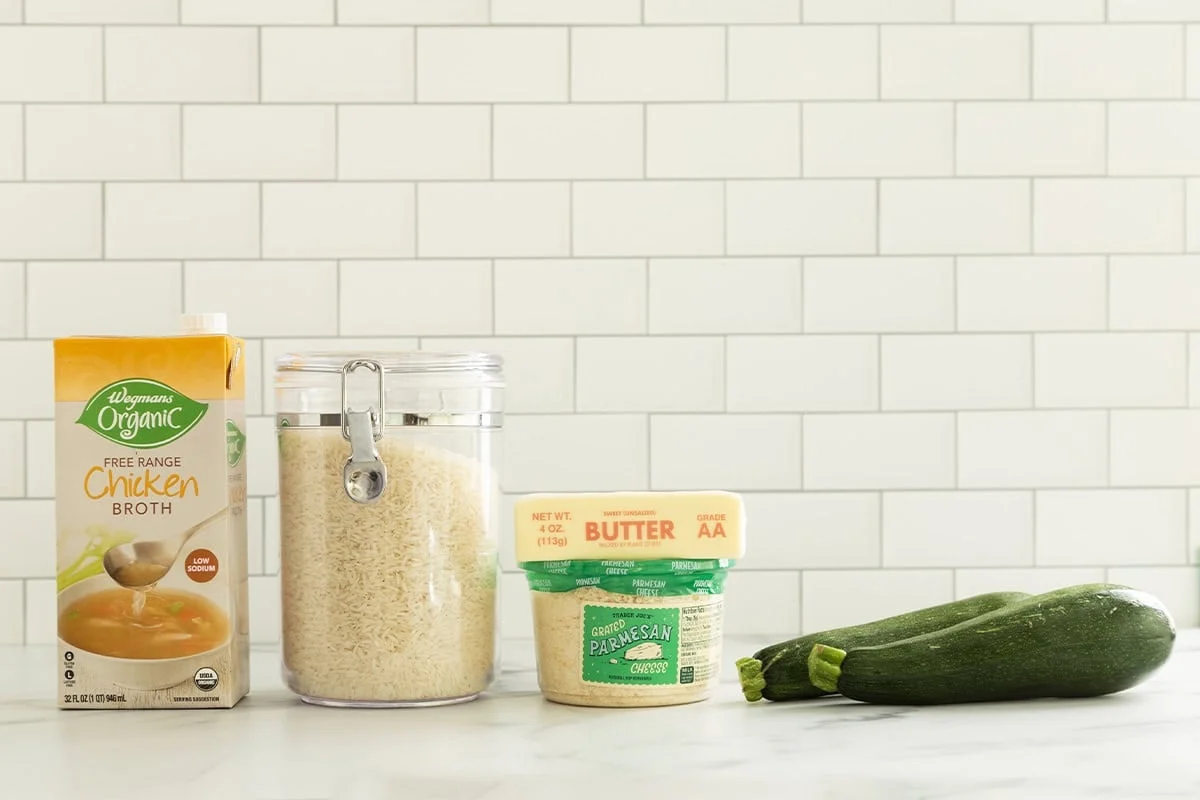
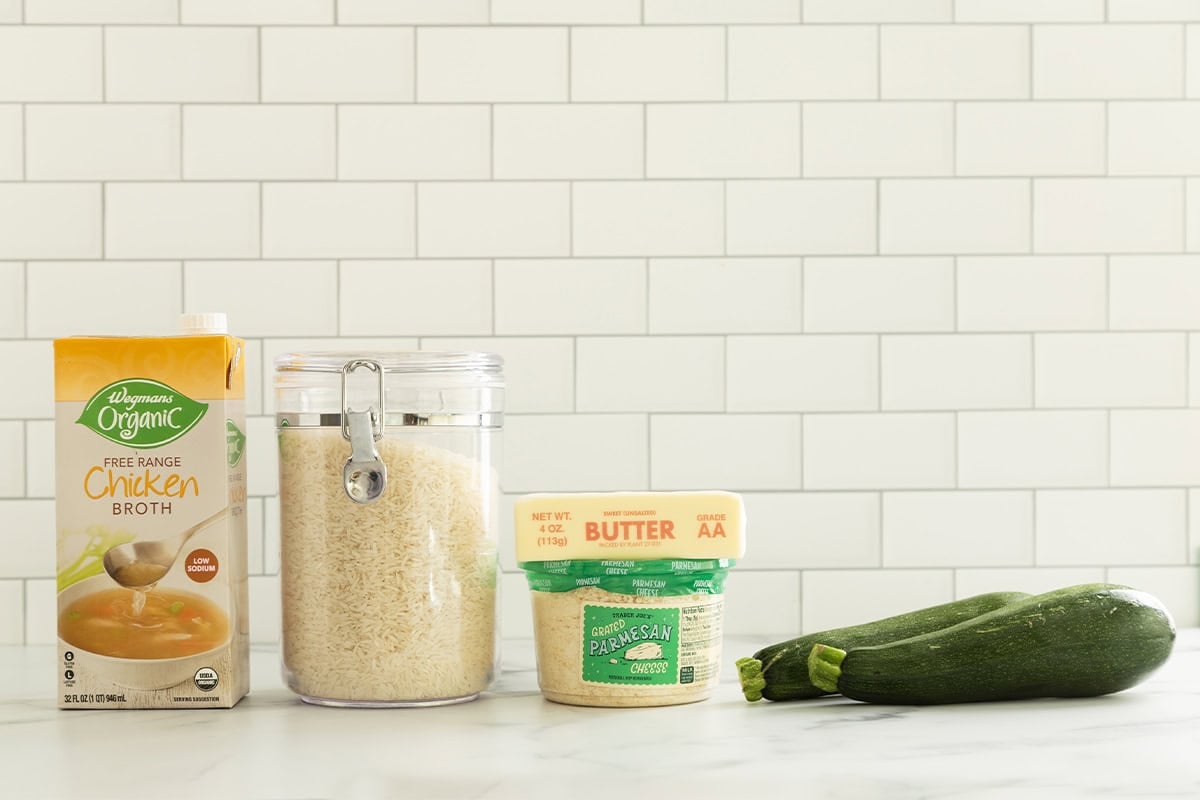
The success of Zucchini Rice as a nutritional vehicle relies on a specific set of ingredients that balance macronutrients and micronutrients. The core components include a base grain—typically white or brown rice—combined with fresh zucchini, vegetable or chicken broth, Parmesan cheese, and high-quality fats such as butter or olive oil.
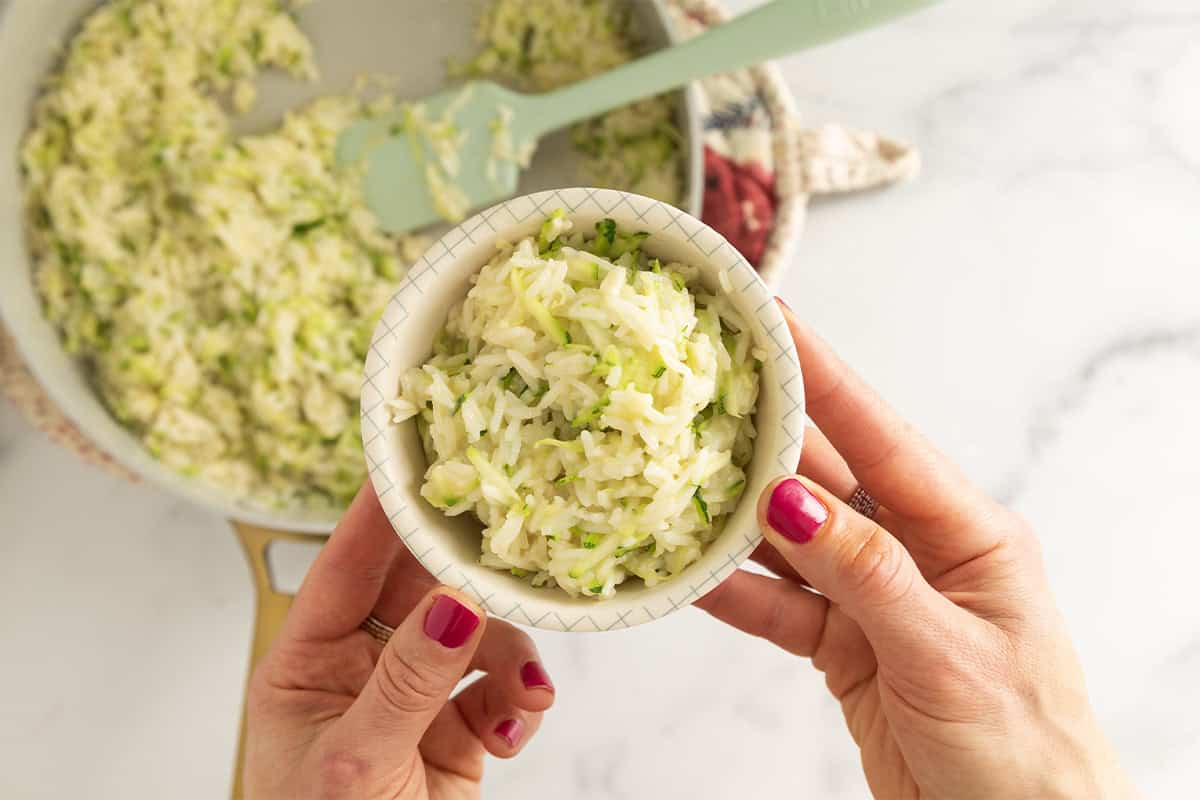
From a botanical perspective, the zucchini (Cucurbita pepo) is a summer squash that provides a high water content (approximately 95%), making it an ideal candidate for moisture-balanced cooking. It is rich in Vitamin A, Vitamin C, and potassium. When shredded and integrated into rice, it increases the volume of the meal without significantly raising the caloric density, providing 293 kcal per standard serving according to nutritional data.
The choice of liquid is equally critical. Utilizing broth instead of plain water introduces a depth of flavor and essential minerals. Furthermore, the inclusion of Parmesan cheese provides a source of umami and calcium, while the butter serves as a lipid carrier for fat-soluble vitamins found within the squash. For families managing dietary restrictions, the recipe is easily adaptable; Parmesan can be substituted with nutritional yeast or dairy-free alternatives to maintain a similar flavor profile without the allergen risk.
The Culinary Protocol: A Chronological Procedure
The preparation of Zucchini Rice follows a precise technical sequence designed to preserve the texture of the grain while ensuring the vegetable component is fully integrated without becoming overly soft.
-
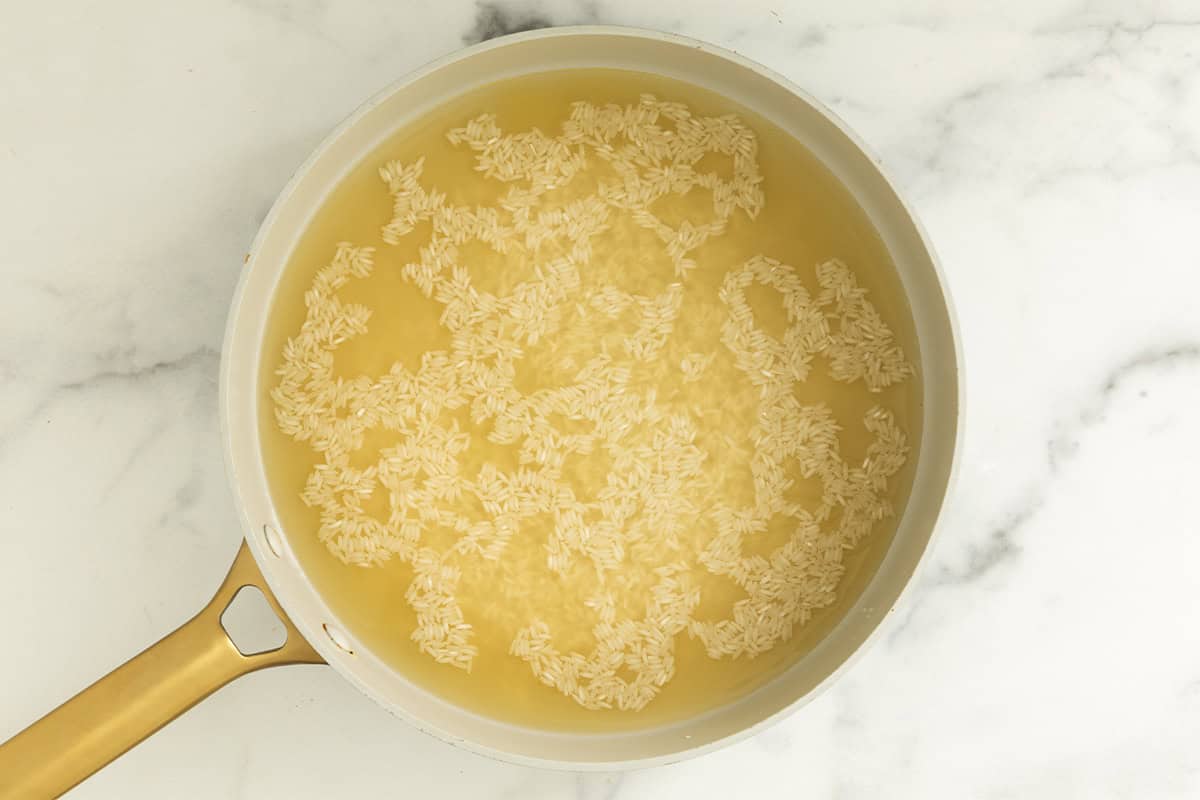
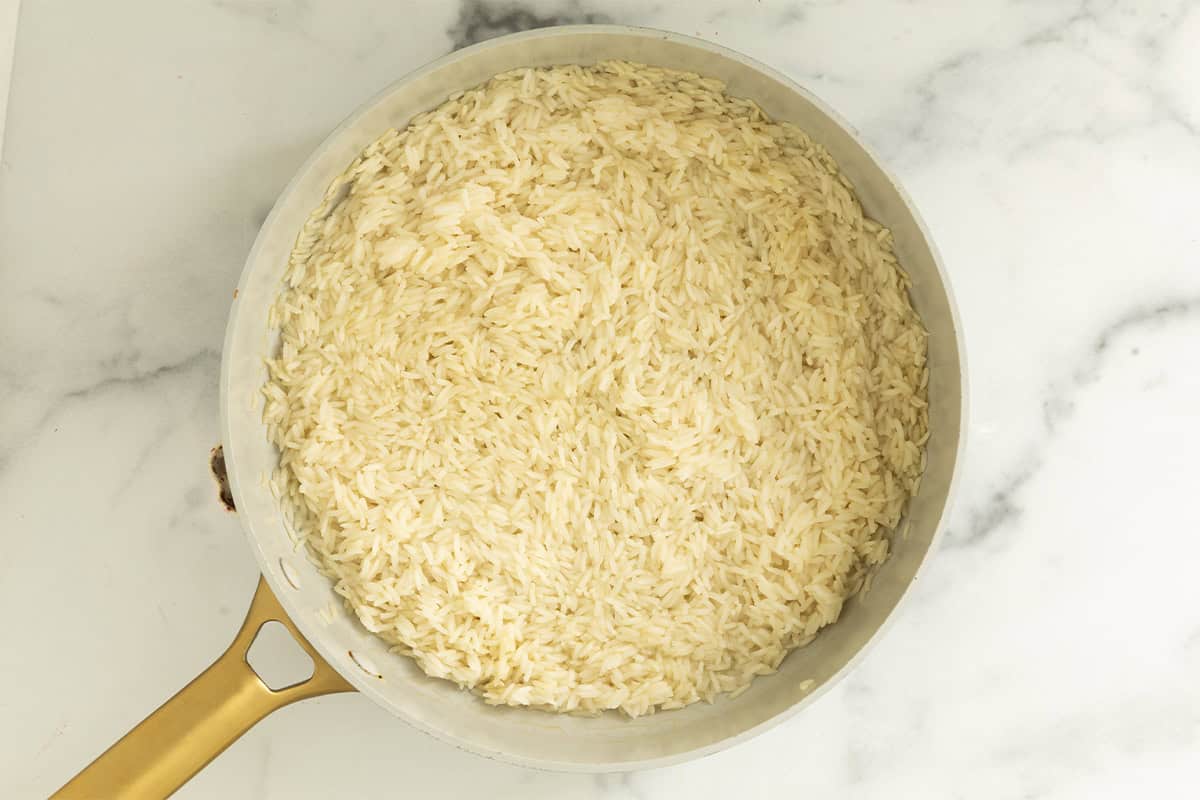
Thermal Initiation and Grain Hydration: The process begins by bringing the cooking liquid (broth) to a simmer in a medium-capacity pot over medium heat. Once the liquid reaches a consistent simmer, the rice is introduced. The heat is immediately calibrated to a medium-low setting to facilitate a gentle absorption of the liquid, a process known as starch gelatinization.
-
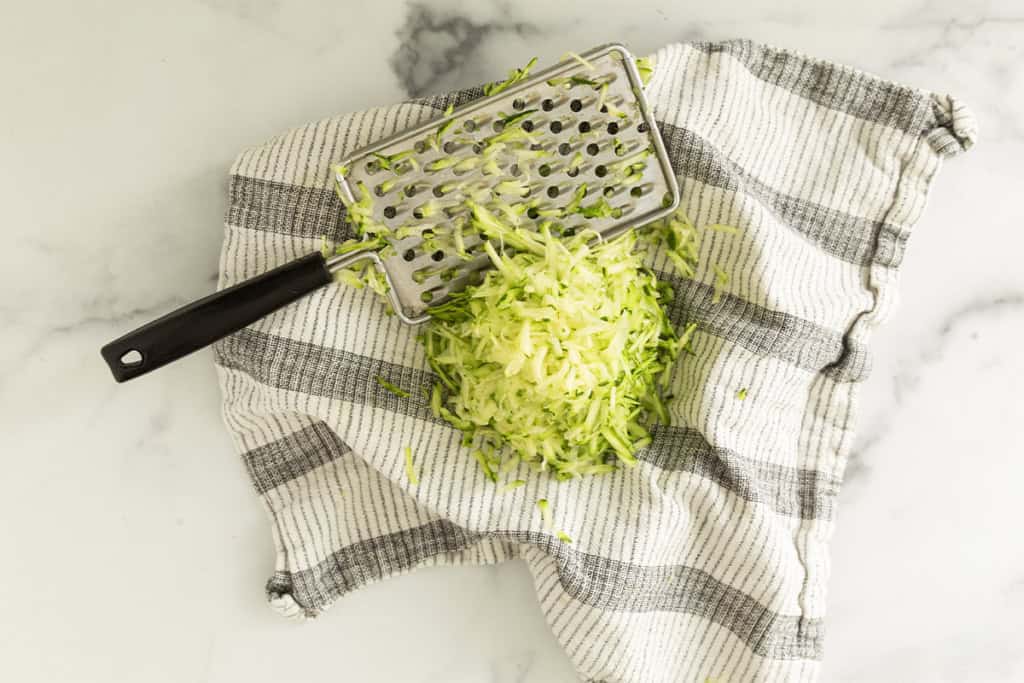
Vegetable Preparation and Moisture Regulation: While the rice undergoes hydration, the zucchini is processed. It is shredded using a standard grater. A critical step in the protocol involves the manual extraction of excess moisture. By placing the shredded zucchini in a clean kitchen towel and applying pressure, the cook removes surplus water that would otherwise compromise the "fluffy" texture of the final dish.
-
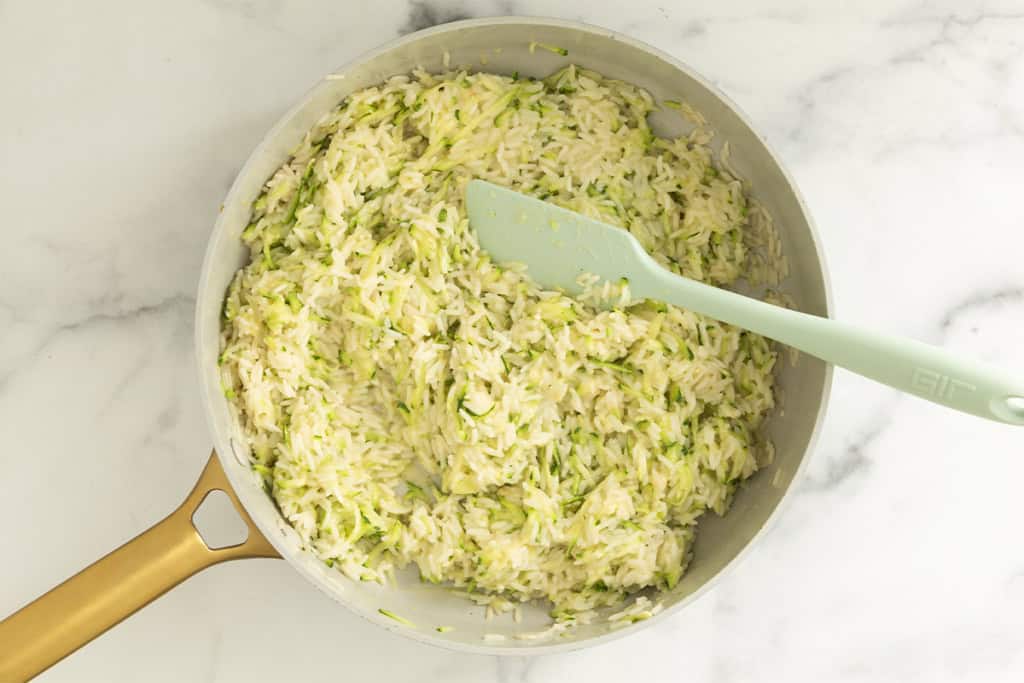
Final Integration and Residual Heat Cooking: The rice is simmered until it reaches a state of tenderness. Once the liquid is fully absorbed, the pot is removed from the heat source. At this juncture, the shredded zucchini, Parmesan cheese, butter, and salt are folded into the warm grains.
-
The Tempering Phase: The mixture is covered and allowed to sit undisturbed for approximately five minutes. This period of residual heat cooking allows the zucchini to soften slightly while the cheese melts and the flavors homogenize. The final step involves "fluffing" the mixture with a fork to aerate the grains before service.
Nutritional Data and Health Implications
Data provided by nutritional analysts indicates that a single serving of Zucchini Rice contains 42 grams of carbohydrates, 10 grams of protein, and 10 grams of fat. The presence of 371 IU of Vitamin A and 11 mg of Vitamin C highlights the dish’s efficacy in supporting immune function and ocular health.
Furthermore, the inclusion of 105 mg of calcium per serving contributes to bone density requirements, a vital consideration for growing children. For those monitoring sodium intake, the use of low-sodium broth and controlled salt application allows the dish to remain within heart-healthy parameters. The fiber content, though modest at 1 gram per serving, can be significantly increased if the cook opts for whole-grain brown rice instead of white varieties, though this requires an adjustment in cooking time and liquid ratios.
Expert Perspectives on Pediatric Nutrition
Dietitians specializing in pediatric health often emphasize the importance of "flavor bridging"—the practice of introducing new or less-favored foods alongside familiar staples. Zucchini Rice serves as an ideal bridge. Because the zucchini is shredded finely, its texture mimics the rice grains, reducing the sensory barriers that often lead to food refusal in toddlers.
Statements from early childhood nutrition advocates suggest that the "stealth health" approach—where vegetables are integrated into common dishes—can reduce mealtime stress for parents while ensuring children receive a baseline of essential vitamins. However, experts also note that this should be paired with visible vegetable exposure to help children develop a long-term preference for whole foods.
Seasonal Availability and Economic Impact
The rise of Zucchini Rice is also a reflection of agricultural cycles. In North America and Europe, zucchini is one of the most prolific garden crops during the months of July and August. The high yield of zucchini plants often leads to a surplus, creating a need for diverse recipes that can utilize the vegetable in large quantities.
Economically, Zucchini Rice is a cost-effective solution for families. Rice is a shelf-stable, low-cost commodity, and during peak season, zucchini prices drop significantly at farmers’ markets and grocery stores. By using these ingredients as a base, households can reduce their overall grocery expenditure while maintaining a high standard of nutritional quality. The ability to store leftovers for up to five days in an airtight container further enhances the dish’s value, reducing food waste and providing a quick reheating option for busy weekdays.
Broader Implications for Modern Meal Planning
The popularity of Zucchini Rice points to a broader shift in modern meal planning: the demand for "one-pot" or "integrated" solutions. As the boundaries between work and home life continue to blur, the time available for complex meal preparation has diminished. Consumers are increasingly seeking recipes that require fewer than 30 minutes of active labor but do not sacrifice health benefits.
This dish also aligns with the growing interest in plant-forward diets. While it can be served alongside proteins like baked chicken nuggets, fish nuggets, or salmon cakes, it is easily transformed into a complete vegetarian meal by adding legumes such as peas or beans. This flexibility reflects a global trend toward reducing meat consumption in favor of more sustainable, vegetable-based alternatives.
Conclusion and Future Outlook
As we look toward the future of domestic culinary practices, the emphasis on versatility and nutrient density is expected to grow. Zucchini Rice represents a successful marriage of traditional cooking and modern nutritional needs. Its ease of preparation, coupled with its high acceptance rate among picky eaters, positions it as a staple in the repertoire of contemporary home cooks.
The ongoing documentation of such recipes, supported by nutritional data and technical cooking protocols, provides a valuable resource for improving public health outcomes at the household level. Whether utilized as a seasonal side dish or a year-round nutritional strategy, Zucchini Rice stands as a testament to the power of simple, well-executed culinary innovation. As more variations emerge—incorporating lemon zest, fresh herbs like basil and parsley, or even minced garlic—the dish will likely continue to evolve, reflecting the diverse palates and dietary requirements of a global audience.
