

The evolution of linguistic boundaries within the domestic sphere has become a central point of debate for modern parents navigating the complexities of 21st-century social norms. As households transition from the rigid, etiquette-based structures of the mid-20th century toward more nuanced, value-driven communication styles, the definition of "bad language" has undergone a significant transformation. This shift reflects broader societal changes in how authority, respect, and social harm are perceived and taught to the next generation.
The Generational Shift in Linguistic Standards
For many parents currently raising school-aged children, the memory of household language policies is rooted in the "politeness" era. Historically, linguistic discipline was often focused on formality and the avoidance of "vulgarity"—a term derived from the Latin vulgaris, meaning "of the common people." In the context of 20th-century parenting, avoiding vulgarity often meant eschewing not just profanity, but any terminology deemed low-class or overly casual.
Case studies in familial linguistic history reveal a pattern of "comical politeness" among the previous generation. In these environments, children were strictly referred to as "children" rather than "kids," and utilitarian items like straws were restricted to medical settings to maintain an air of decorum. The use of mild interjections such as "heck" or "darn" was often met with parental disappointment, viewed as a slippery slope toward a more uncouth lifestyle.
However, as these children reached adulthood and became parents themselves, a reactionary shift occurred. The contemporary parenting model tends to prioritize "principled" language over "stuffy" language. This philosophy suggests that as long as language is not hateful or harmful, its specific form is secondary to its intent. Yet, as children reach the age of linguistic experimentation—typically between ages four and seven—many parents find themselves unexpectedly reverting to the "fussy" paternal or maternal genes of their ancestors, discovering that the line between being principled and being traditional is thinner than anticipated.
Chronology of Linguistic Development in Early Childhood
To understand the current dilemma facing parents, it is essential to examine the timeline of how children acquire and use "taboo" language:
- Ages 2–3 (The Mimicry Phase): Children begin to parrot words heard in their environment without understanding their social weight. At this stage, "bad words" are merely sounds with high-intensity reactions from adults.
- Ages 4–5 (The Testing Phase): Children start to recognize that certain words carry a unique power to "ruffle feathers" or provoke a specific emotional response. This is often when terms like "snot," "puke," or "butt" are introduced to test parental boundaries.
- Age 6 (The Value-Alignment Phase): As children enter formal schooling (First Grade), they begin to categorize language based on social consequences. This is the stage where parents must define the difference between "bathroom talk," "hurtful talk," and "adult talk."
- Ages 7 and Beyond (The Peer-Influence Phase): The school environment introduces a flood of new vocabulary. Exposure to older students and digital media accelerates the acquisition of slang and profanity, forcing a more robust household policy.
Categorizing "Bad Language": A Modern Framework
Modern linguistic experts and child psychologists suggest that the "bad language" umbrella actually covers three distinct categories, each requiring a different parental strategy:
1. Harmful and Hateful Language
This category includes words rooted in ableism, racism, sexism, or other forms of systemic prejudice. Terms like "dumb," "crazy," or "retarded" are increasingly being moved from the "slang" category into the "forbidden" category. Parents today often take a hardline stance here, explaining the history of these words and why they are excluded from the family’s vocabulary, regardless of their prevalence in popular culture or among peers.
2. Socially Taboo Profanity
Traditional "four-letter words" or "f-bombs" fall into this category. Unlike harmful language, these words are often used for emphasis or emotional release. The parenting challenge here is explaining why a word is acceptable for a historical figure like Alexander Hamilton (in the context of a Broadway musical) but inappropriate for a six-year-old on the playground. Many families adopt an "age-appropriate" policy, suggesting that some words are "adult tools" that require maturity to use correctly.
3. "Vulgar" Slang and Bodily Functions
Terms such as "snot" vs. "mucus" or "puke" vs. "vomit" represent the lowest tier of linguistic taboo. Use of these words is often a matter of personal preference or "fussiness" inherited from previous generations. While not inherently harmful, they represent a lack of formality that some parents find jarring.
Supporting Data: The Ubiquity of Taboo Words
Research conducted by Timothy Jay, a professor emeritus of psychology at the Massachusetts College of Liberal Arts and a leading expert in cursing, suggests that profanity is a universal human trait. According to Jay’s research, the average person uses about 0.5% to 0.7% of their daily vocabulary as swear words—a frequency comparable to the use of first-person pronouns like "we."
Furthermore, data indicates that by the time children enter elementary school, they typically have a vocabulary of 30 to 40 "taboo" words. The research suggests that swearing is often used as an efficient way to communicate emotional states, and that children who understand the social context of these words are often demonstrating higher levels of emotional intelligence and social awareness.
Institutional and Educational Responses
Educational institutions generally maintain a "zero-tolerance" policy for profanity and hateful language, but the enforcement varies. The American Academy of Pediatrics (AAP) suggests that parents should remain calm when a child uses "bad language." Overreacting can inadvertently reinforce the behavior by providing the child with the intense reaction they are seeking.
Official guidelines from various school districts emphasize "restorative justice" in language. Rather than simply punishing a child for saying a "bad word," educators are encouraged to help the child understand the impact of their words on the "classroom community." This aligns with the modern parental trend of focusing on the harm caused by language rather than the form of the word itself.
The "Hamilton" Effect and Media Influence
The rise of prestige television, social media platforms like TikTok, and culturally dominant media like the musical Hamilton has complicated the domestic language policy. Hamilton, which is widely beloved by families, contains several instances of profanity and mature themes. This creates a cognitive dissonance for children: if a "hero" uses these words, why can’t they?
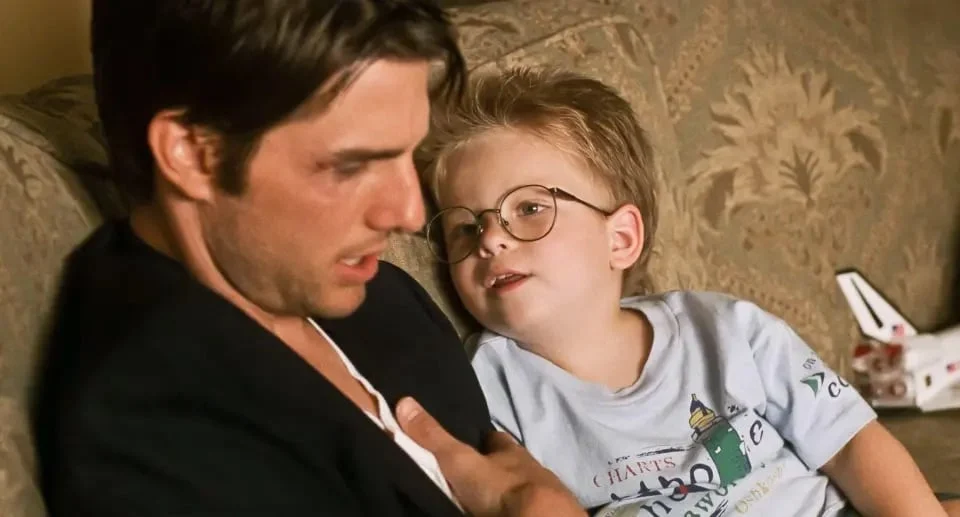
The "Jerry Maguire" phenomenon—where a child actor (Jonathan Lipnicki) famously used adult language to comedic effect—continues to play out in real-time on social media. Viral videos of children swearing often garner millions of views, further blurring the lines between what is socially acceptable and what is "bad." Parents are now tasked with teaching "contextual linguistics"—the idea that language that is acceptable in a song, a movie, or at home may be entirely unacceptable in a school or professional setting.
Broader Implications for Child Development
The transition to "real school" (First Grade) represents a pivotal moment in a child’s linguistic journey. It is the first time children are consistently exposed to "big-kid words" and the desire to "ruffle feathers" outside of the domestic sphere. The strategy for many parents is moving toward a policy of "situational appropriateness."
This involves teaching children "code-switching"—the ability to adjust one’s language based on the social environment. While a child might be allowed to say "oh my god" or "snot" at home, they are taught to use "oh my gosh" or "mucus" in formal settings. This approach acknowledges the reality of modern language while maintaining a standard of respect and decorum.
Conclusion: The Future of Household Language
As the boundaries of "Vulgaria" continue to shift, the core of the parental struggle remains the same: balancing the desire for a "principled" household with the reality of a world that is often crude, casual, and complex. Whether the policy is a total ban on profanity or a nuanced explanation of ableist roots, the goal is to equip the next generation with the tools to navigate a world where words carry immense power.
Ultimately, the "policy" on bad language is less about the words themselves and more about the values they represent. As children grow, they will undoubtedly test these boundaries, crack their gum, and use the very words their parents tried to avoid. The success of a language policy is perhaps not measured by the absence of "bad" words, but by a child’s eventual understanding of when, where, and why those words matter.
