


The landscape of American dining is witnessing a notable shift as younger demographics, particularly preteens and teenagers, increasingly gravitate toward sophisticated non-alcoholic beverages that bridge the gap between childhood staples and adult mixology. Central to this trend is the resurgence of the Roy Rogers, a classic "mocktail" consisting of cola and grenadine, garnished with a maraschino cherry. While often overshadowed by its ginger ale-based counterpart, the Shirley Temple, the Roy Rogers is gaining traction among a new generation of diners who seek a beverage profile that feels more aligned with mature environments. This shift highlights a broader cultural movement toward "sober-curious" lifestyle choices and the professionalization of the non-alcoholic beverage industry, even within the context of family dining.
The Anatomy and Appeal of the Roy Rogers
The Roy Rogers is defined by its simplicity and its distinct flavor profile. Unlike the Shirley Temple, which utilizes the citrus-heavy notes of lemon-lime soda or ginger ale, the Roy Rogers relies on the deep, caramel-infused sweetness of Coca-Cola. When combined with grenadine—a syrup traditionally made from pomegranate juice, though often replaced in modern commercial settings by high-fructose corn syrup and artificial flavorings—the result is a drink that offers a complex sweetness.
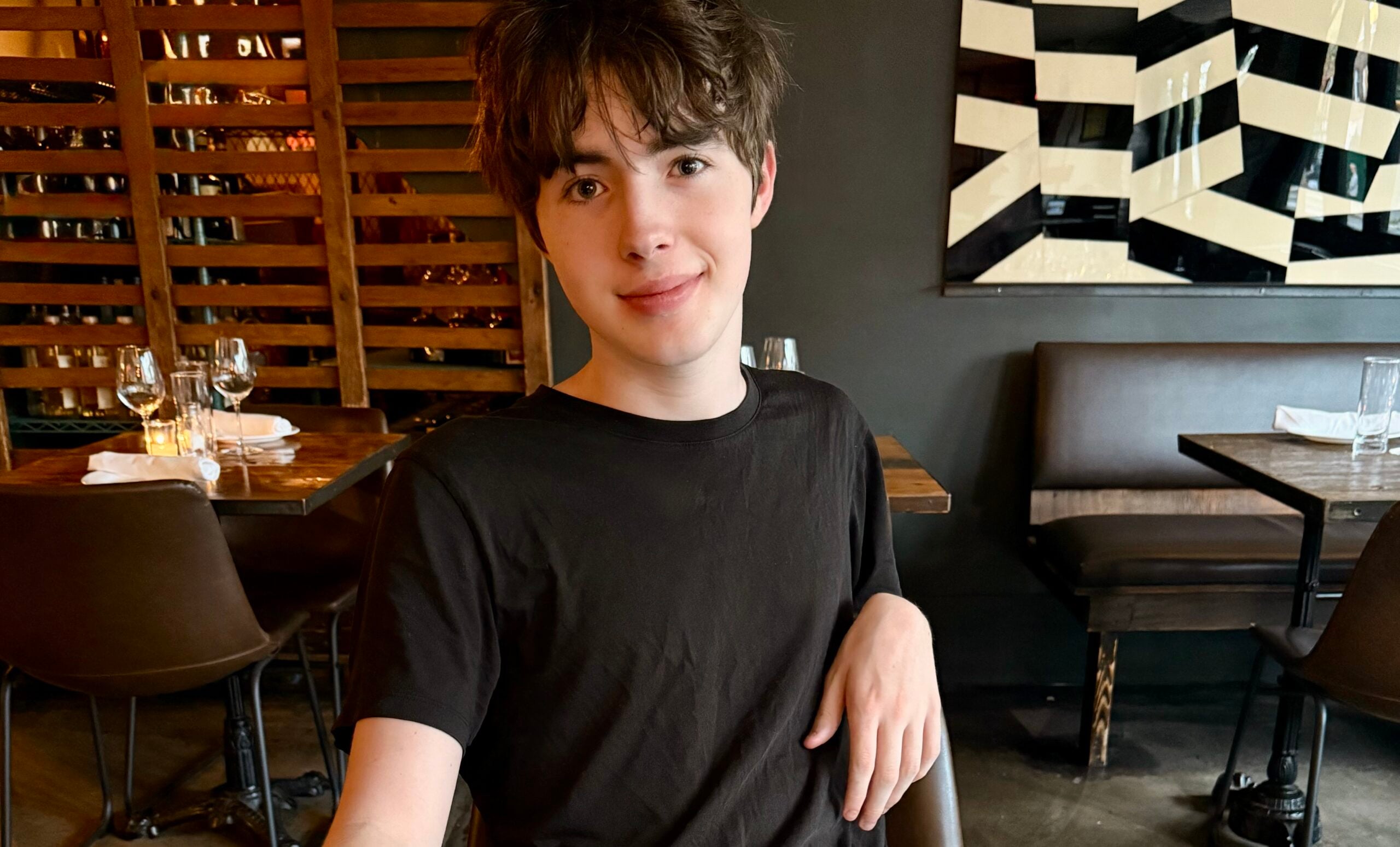
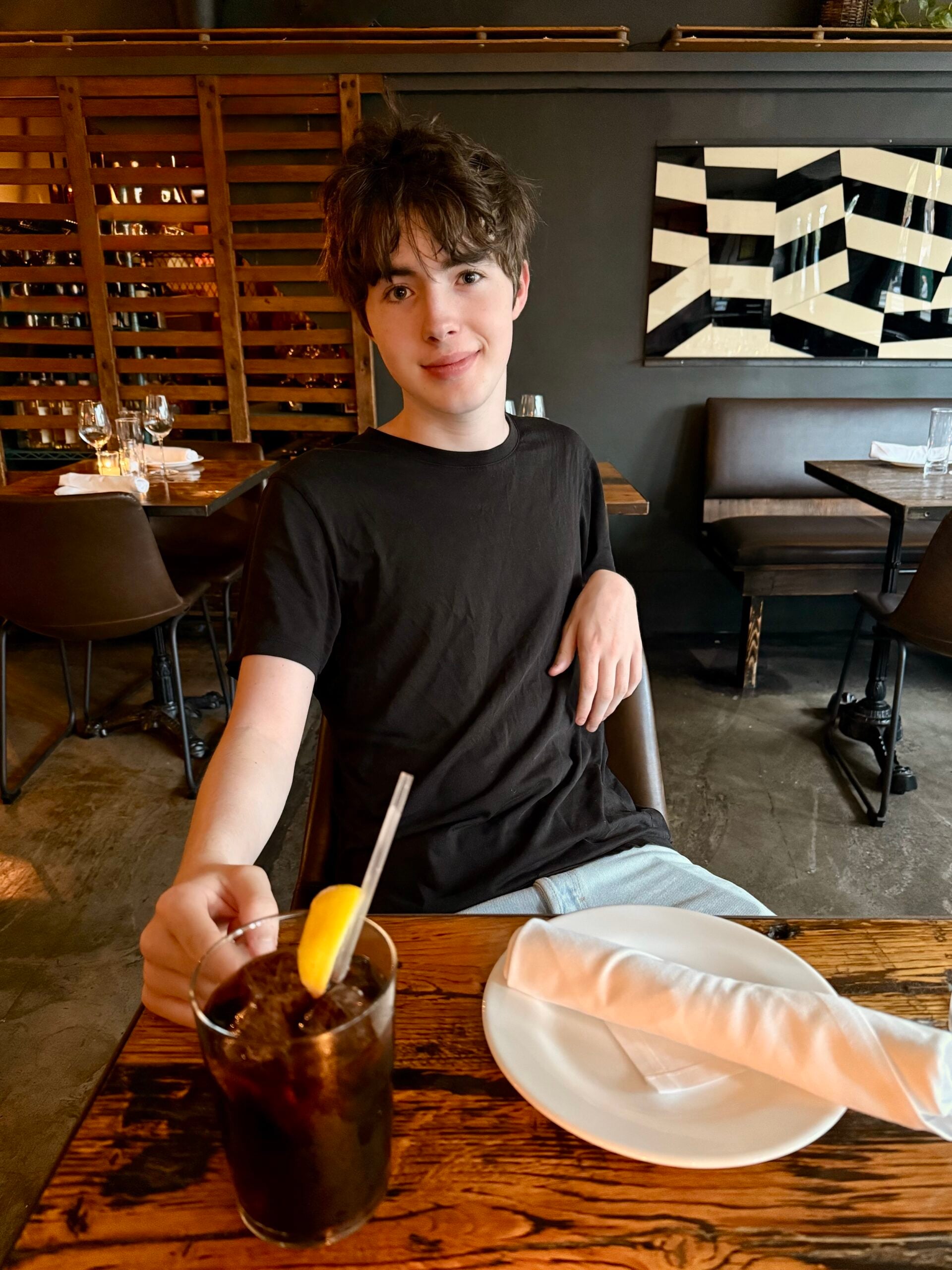
For the modern young diner, the appeal of the Roy Rogers lies in its perceived maturity. In recent field observations and interviews with young consumers, the drink is frequently described as having a "bolder" taste than the Shirley Temple. The dark hue of the cola provides an aesthetic that mimics traditional adult cocktails, such as a Rum and Coke or a Manhattan, allowing younger patrons to feel more integrated into the atmosphere of high-end establishments. This psychological element of "social mimicry" is a significant driver in the beverage choices of the "Generation Alpha" and "Generation Z" cohorts, who are increasingly exposed to culinary trends through social media and film.
Historical Context and Cultural Significance
The Roy Rogers drink is named after the American singer and actor Roy Rogers, known as the "King of the Cowboys," who rose to fame in the mid-20th century. Much like the Shirley Temple, the drink was created as a non-alcoholic alternative for celebrities and their families to enjoy at Hollywood hotspots during the 1940s and 50s. Historically, these drinks served a specific social function: they allowed children and teetotalers to participate in the ritual of a "round of drinks" without the consumption of alcohol.
The beverage’s resurgence is partly fueled by a renewed interest in mid-century Americana. Popular culture, including the recent success of films like Top Gun: Maverick, has revitalized an interest in "classic" American aesthetics. Young diners have noted that consuming a Roy Rogers in a traditional setting evokes a sense of cinematic nostalgia. This connection between the beverage and the "Old Hollywood" atmosphere is most palpable in historic establishments that have maintained their original decor and service standards.
The Role of Historic Institutions: A Case Study of Musso & Frank Grill
One of the most prominent locations for the consumption of the Roy Rogers is the Musso & Frank Grill in Los Angeles. Founded in 1919, Musso & Frank is the oldest restaurant in Hollywood and has long been a bastion of traditional service. The establishment is famous for its career bartenders, who are often viewed as archetypes of the profession.
The environment at Musso & Frank—characterized by dim lighting, dark wood paneling, and red leather booths—provides a stark contrast to the bright, casual atmosphere of modern fast-casual chains. For a young diner, the experience of sitting at the bar and watching a professional bartender craft a Roy Rogers is an introduction to the art of hospitality. The bartenders at such institutions often mirror the "classic" cinematic portrayal of the trade, drawing comparisons to iconic figures such as Lloyd, the fictional bartender in Stanley Kubrick’s The Shining. This atmosphere transforms a simple order of soda and syrup into a sophisticated culinary event.
Market Trends in Non-Alcoholic Beverages
The popularity of the Roy Rogers among younger diners aligns with significant shifts in the global beverage market. According to recent data from market research firms, the non-alcoholic beverage sector is projected to grow at a compound annual growth rate (CAGR) of over 7% through 2030. This growth is driven by several factors:
- Health Consciousness: Increased awareness of the health impacts of alcohol has led many consumers to seek alternatives.
- Premiumization: Restaurants are moving away from standard "fountain" sodas in favor of craft mocktails and artisanal syrups.
- Inclusivity: Modern menus are designed to be inclusive of all ages, ensuring that non-alcoholic options are as complex and well-presented as their alcoholic counterparts.
The "mocktail" is no longer an afterthought; it is a revenue-generating category that requires the same level of ingredient sourcing and balance as a traditional cocktail. The Roy Rogers, while simple, fits into this category of "heritage mocktails" that carry a brand name and a specific history, making them more marketable than a generic "cherry cola."
Chronology of the Youth Dining Experience
The transition of a young diner from casual establishments to fine dining often follows a specific chronological path in terms of beverage choice.
- Early Childhood: Consumption is typically limited to water, milk, or fruit juices.
- Ages 5-9: The introduction of "fun" drinks like the Shirley Temple, often viewed as a treat during special occasions.
- Preteen and Early Teens: A shift toward the Roy Rogers or more complex craft sodas. This stage is marked by a desire to distance oneself from "childish" options and a preference for drinks that look and taste more "adult."
- Late Teens: Exploration of "virgin" versions of classic cocktails, such as Mojitos or Piña Coladas, as the individual prepares for adult social settings.
This progression is not merely about taste but about the development of "social capital." Knowing how to order a Roy Rogers by name—or being able to describe its components (grenadine and Coke) to a waiter who may not be familiar with the term—is a sign of a sophisticated diner.

Professional Etiquette and "Pro Tips" for Families
As children and teenagers become more frequent patrons of high-end restaurants, the importance of dining etiquette has come to the forefront. Industry experts and experienced young diners suggest several strategies for navigating these environments:
- Environmental Awareness: The choice of beverage should match the setting. While a standard Sprite may suffice for a casual diner, a Roy Rogers is considered more appropriate for "fancy" or historic restaurants.
- Direct Communication: In instances where a waiter is unfamiliar with the Roy Rogers, the diner should be prepared to specify the ingredients: "Coke with a splash of grenadine and a cherry."
- Observation: Sitting at the bar (where permitted for minors) allows young diners to observe the mechanics of service, fostering a greater appreciation for the staff’s labor.
- Behavioral Standards: Fine dining requires a level of decorum that differs from home or school environments. Engaging with the menu and ordering sophisticated drinks can often encourage better behavior by making the child feel like a respected participant in the meal.
Broader Implications for the Hospitality Industry
The rise of the sophisticated young diner presents both a challenge and an opportunity for the hospitality industry. Restaurants that successfully cater to this demographic can build long-term brand loyalty. By offering high-quality non-alcoholic options like the Roy Rogers, establishments signal that they value the experience of every guest, regardless of age.
Furthermore, the "Roy Rogers phenomenon" suggests that there is a significant market for "retro" beverage programs. As consumers continue to seek out "authentic" and "historical" experiences, the revival of mid-century mocktails offers a low-cost, high-margin way for restaurants to enhance their beverage menus.
In conclusion, the Roy Rogers is more than just a mixture of cola and syrup; it is a cultural artifact that represents the evolving relationship between youth and the culinary world. Its popularity at legendary institutions like Musso & Frank Grill underscores a desire for timelessness and sophistication in an increasingly fast-paced world. As the beverage industry continues to innovate, the humble Roy Rogers remains a testament to the enduring appeal of classic American flavors and the growing maturity of the next generation of diners.
