

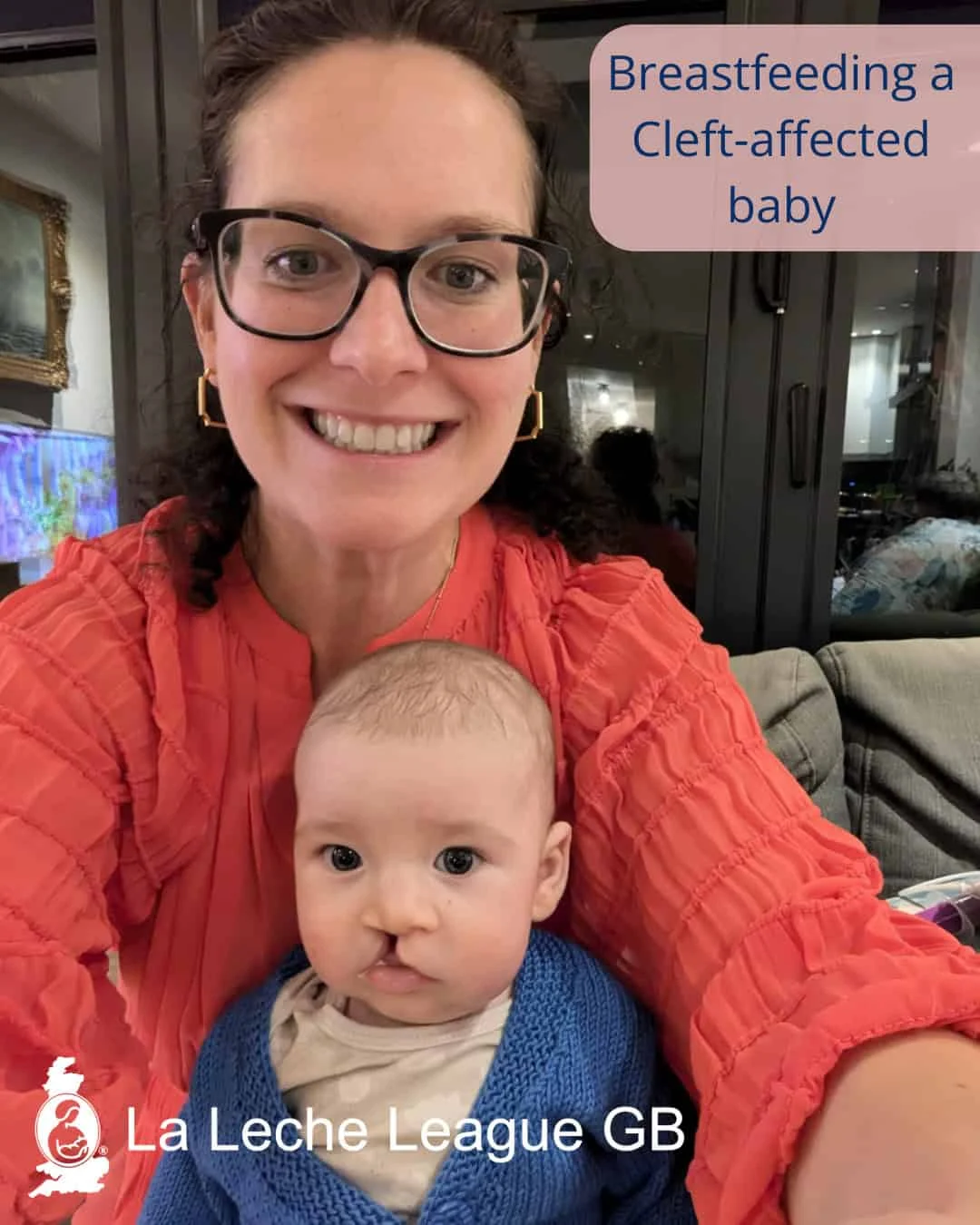
A cleft lip or palate occurs when the structures forming a baby’s upper lip or the roof of the mouth fail to fuse during early fetal development, a congenital condition affecting approximately 1 in 700 live births globally. While babies with only a cleft lip often adapt to breastfeeding with some modifications, those born with a cleft palate face a more significant challenge, as the structural discontinuity prevents them from generating the necessary suction pressure to effectively draw milk from the breast until surgical repair. This article delves into the complexities and triumphs of breastfeeding infants affected by cleft conditions, offering insights into practical strategies, crucial support systems, and the profound benefits of human milk.
Understanding Cleft Lip and Palate: A Comprehensive Overview
Cleft lip and palate are among the most common craniofacial birth defects, with their exact causes often multifactorial, involving a combination of genetic predispositions and environmental factors. These conditions can manifest in various forms: a cleft lip can range from a minor notch to a complete separation extending into the nose, while a cleft palate can involve only the soft palate, the hard palate, or both, often extending into the nasal cavity. The impact of a cleft condition extends beyond aesthetics, significantly affecting feeding, speech development, hearing, and dental health.
Diagnosis can occur prenatally through ultrasound scans, typically around the 18th to 21st week of gestation, or postnatally immediately after birth. A prenatal diagnosis offers families invaluable time to research, consult with specialists, and prepare for the unique journey ahead. Postnatal diagnosis, while immediate, often brings an element of surprise, necessitating rapid integration into specialized care pathways. The initial days and weeks are critical, as parents grapple with the emotional impact of the diagnosis while simultaneously navigating immediate practical challenges, most notably feeding.
The Breastfeeding Journey: A Timeline of Support and Adaptation
For parents learning their baby is cleft-affected, the prospect of breastfeeding can seem daunting, clouded by uncertainty and concern. However, medical consensus, supported by organizations like La Leche League International and the American Academy of Pediatrics, affirms that breastfeeding is not only possible but highly beneficial, albeit often requiring considerable perseverance and a robust support network.

Early Intervention and Preparation (Prenatal to First Weeks):
The journey often begins with prenatal counseling, where expectant parents can connect with cleft specialists, lactation consultants, and peer support groups. This early engagement allows families to understand the anatomy of the cleft, potential feeding challenges, and the range of adaptive strategies available. Research indicates that mothers who receive early, consistent support are more likely to initiate and sustain breastfeeding or provide expressed breast milk.
Upon birth, the immediate priority is establishing an effective feeding routine. For babies with a cleft lip, certain breastfeeding positions and techniques can help create a seal around the breast, allowing for sufficient suction. However, for those with a cleft palate, direct breastfeeding may be inefficient or impossible due to the inability to create negative pressure. In these cases, maintaining the mother’s milk supply through expressing becomes paramount.
Maintaining Milk Production: The Foundation of Feeding Success
Whether a baby feeds directly from the breast or receives expressed milk, establishing and maintaining a full milk supply is the foundational priority. This strategy serves a dual purpose: it ensures the baby receives the protective benefits of human milk, which are especially crucial for infants facing surgery, and it keeps the door open for direct breastfeeding as the baby grows stronger or after surgical repair.
Key Strategies for Milk Production:
- Early Initiation: Ideally, mothers should begin expressing or attempting to breastfeed within the first few hours after birth. This early stimulation is vital for signaling the body to produce milk.
- Frequent Milk Removal: In the initial weeks, breasts function on a supply-and-demand basis. To establish a full supply, mothers typically need to express or feed 8-12 times in 24 hours. Regular milk removal prevents milk production from slowing down, a natural response to full breasts. The frequency of removal is often more critical than the duration of each session.
- Efficient Pumping Equipment: For mothers needing to express most or all of their milk, a double electric "hospital-grade" breast pump is often the most efficient tool. Cleft specialist nurses can frequently facilitate access to these pumps through rental programs or loans. Some mothers may find smaller, portable pumps or hand expression sufficient, but consistent and complete milk removal is key.
- Practical Support: Bringing in a full milk supply for a baby who cannot breastfeed efficiently is undeniably challenging and demanding. Mothers are strongly encouraged to seek and accept all available practical support—from family, friends, and professional caregivers—to allow them to focus on their baby and their milk supply. The intensity typically subsides after the first few weeks, with many mothers finding they can maintain supply with less frequent pumping later on.
Navigating Early Feeding Challenges: Beyond the Breast
In the first day or two, newborns consume small quantities of colostrum, which gradually increases in volume as the mother’s milk "comes in." If a cleft-affected baby cannot obtain enough milk directly from the breast, supplementary feeding methods become essential. These include:

- Syringe or Teaspoon Feeding: Suitable for very small volumes in the immediate postnatal period.
- Specialized Cleft Bottles: These bottles are designed with longer, softer teats or one-way valves that allow milk to flow more easily without requiring strong suction. Examples include the Haberman Feeder (SpecialNeeds Feeder) or Dr. Brown’s Specialty Feeding System. Cleft specialist nurses are invaluable resources for advising on the most appropriate bottle for an individual baby’s needs.
- Nursing Supplementers (Supplemental Nursing System – SNS): These devices allow a baby to latch onto the breast while simultaneously receiving supplementary milk (expressed breast milk, donor milk, or formula) through a thin tube positioned alongside the nipple.
The Indispensable Role of Nursing Supplementers
Nursing supplementers, though less common than bottles, offer a unique pathway to "at-the-breast" feeding for babies who struggle with suction. They provide numerous benefits, including:
- Stimulating Milk Supply: The baby’s suckling at the breast, even if not fully effective in milk removal, still provides important stimulation that helps maintain and boost the mother’s milk supply.
- Skin-to-Skin Contact: Facilitates invaluable bonding and regulatory benefits for both mother and baby.
- Developing Oral Motor Skills: Encourages the baby to practice suckling and latching, which can be beneficial for eventual direct breastfeeding after palate repair.
- Psychological Benefits for the Mother: Many mothers find deep satisfaction and emotional fulfillment in the physical act of nursing their baby at the breast.
Types of Nursing Supplementers:
- Gravity-fed systems: A container (bag or bottle) of milk is hung higher than the baby’s head, allowing gravity to assist milk flow through a tube.
- Syringe-fed systems: A syringe is used to manually push milk through a tube taped to the breast. This method offers precise control over milk flow and is often preferred for babies with severe suction difficulties.
Practical Tips for Using a Nursing Supplementer with a Syringe:
- Preparation: Ensure all components are clean and assembled correctly.
- Positioning: Position the baby comfortably at the breast, encouraging a wide latch.
- Tube Placement: Gently guide the thin tube into the baby’s mouth, alongside the nipple, ensuring it rests near the back of the tongue.
- Controlled Delivery: Gradually depress the syringe plunger to deliver milk as the baby suckles, observing their cues for swallowing and breathing. Avoid rapid delivery, which can overwhelm the baby.
- Patience and Practice: Learning to use a supplementer effectively takes time and practice. Mothers often develop their own "groove" over a few weeks, becoming proficient in juggling the setup, milk delivery, and baby’s positioning.
The narrative of Sarah and Russ, where Sarah successfully used a nursing supplementer, highlights the profound emotional reward: "I was already breastfeeding… Comments like these make me feel so happy I could cry." This underscores the immense psychological value of maintaining the breastfeeding connection.
Optimizing Feeding Positions for Cleft-Affected Babies
Finding a comfortable and effective feeding position is crucial and highly individualized. What works for one baby may not work for another, and positions may need to adapt as the baby grows or undergoes surgery. Key considerations include:

- Upright Positioning: Keeping the baby in a more upright position can help gravity assist milk flow and reduce the risk of milk entering the nasal cavity, a common concern with cleft palates.
- Cross-Cradle Hold: This position allows the mother to support the baby’s head and neck with one hand while guiding the breast with the other, offering excellent control.
- Football Hold (Clutch Hold): Similar to the cross-cradle but with the baby’s body tucked under the mother’s arm, providing good visibility of the baby’s mouth and the cleft.
- Dancer Hand Hold: This technique, often used with the cross-cradle or football hold, involves the mother forming a "U" or "V" shape with her thumb and forefinger to support the baby’s chin and cheeks, which can help create a better seal and support jaw movement.
- Directing the Nipple: For babies with a unilateral cleft lip, positioning the nipple towards the non-cleft side can help achieve a better latch. For babies with a bilateral cleft lip or a cleft palate, encouraging a deep latch with as much breast tissue as possible in the mouth is vital.
Feeding Your Baby at the Breast After Surgery: A New Chapter
For many babies with a cleft palate, direct breastfeeding becomes a more viable option after surgical repair, typically performed between 6 and 12 months of age. If the intention is to breastfeed directly post-surgery, maintaining some level of direct breast contact beforehand, even with supplementation, is beneficial. This helps the baby "remember" the action of latching and associate the breast with milk.
The post-surgical period can present new challenges. Babies may initially struggle to feed directly from the breast for several weeks as they recover, build strength, and adapt to their new oral anatomy. During this transition, it is critical for mothers to continue expressing frequently to maintain their milk supply. The healing properties of human milk are particularly valuable during recovery, offering immunological protection and optimal nutrition for growth.
The Broader Impact: Benefits and Support Systems
The commitment to breastfeeding a cleft-affected baby yields profound benefits, extending far beyond immediate nutritional needs.
Health Benefits for the Baby:
- Enhanced Immunity: Breast milk contains antibodies, enzymes, and white blood cells that protect against infections, especially crucial for babies undergoing multiple surgeries.
- Optimal Nutrition: Tailored to the baby’s developing needs, promoting healthy growth and healing.
- Reduced Risk of Ear Infections: Cleft palate babies are prone to middle ear infections (otitis media), and breastfeeding has been shown to reduce this risk.
- Improved Oral Development: The act of suckling at the breast can contribute to the development of oral motor skills, which can positively impact speech development later on.
Maternal Well-being:

- Bonding and Attachment: Breastfeeding fosters a unique physical and emotional connection between mother and baby, which can be particularly therapeutic for parents navigating the challenges of a cleft diagnosis.
- Empowerment: Successfully breastfeeding or providing breast milk can be a significant source of empowerment and pride for mothers who may initially feel overwhelmed or helpless.
- Reduced Risk of Postpartum Depression: Studies suggest a correlation between breastfeeding and reduced incidence of postpartum depression.
The Critical Role of Support Systems:
The journey of breastfeeding a cleft-affected baby is rarely undertaken alone. A multidisciplinary team approach is essential, typically involving:
- Cleft Specialist Nurses: Provide crucial guidance on feeding techniques, specialized equipment, and surgical timelines.
- Lactation Consultants (IBCLCs): Offer expert, individualized support for breastfeeding techniques, milk supply management, and supplementer use.
- Pediatricians: Monitor the baby’s growth and overall health.
- Speech and Language Therapists: Address potential speech development issues early on.
- Parent Support Groups: Organizations like La Leche League (LLL) and dedicated cleft charities offer invaluable peer support, shared experiences, and a sense of community. The emotional and practical support from other mothers who have walked a similar path can be incredibly validating and encouraging.
Expert Perspectives and Resources
Healthcare professionals consistently emphasize the benefits of human milk for vulnerable infants. The World Health Organization (WHO) and major pediatric associations globally advocate for exclusive breastfeeding for the first six months, extending with complementary foods for two years or beyond. For cleft-affected infants, this recommendation carries even greater weight due to their specific health needs.
"Breast milk is more than just food; it’s medicine, especially for babies facing medical challenges like cleft conditions," states Dr. Eleanor Vance, a leading pediatric surgeon. "The immunological protection and tailored nutrition it provides are invaluable for healing and preventing complications."
Lactation consultants echo this sentiment, stressing the importance of individualized care. "Every cleft is unique, and every baby’s feeding journey will be different," explains Sarah Jenkins, an International Board Certified Lactation Consultant (IBCLC). "Our role is to empower parents with the knowledge and tools to find what works best for them and their baby, celebrating every drop of breast milk provided."
Resources such as La Leche League’s comprehensive guides on expressing, storing milk, and using nursing supplementers, alongside detailed information from cleft charities, provide parents with evidence-based information and practical strategies. These resources often include stories from mothers, like Sarah’s, which serve as powerful testaments to perseverance and the deep rewards of maintaining a breastfeeding connection.
In conclusion, while the path to breastfeeding a cleft-affected baby may be challenging and require significant dedication, it is a journey rich with potential rewards. With the right information, specialized equipment, and unwavering support from healthcare professionals and peer groups, parents can successfully provide their babies with the unparalleled benefits of human milk, fostering health, development, and a strong, loving bond. The commitment to this effort is not merely about feeding but about nurturing resilience, both in the infant and in the family unit, as they navigate and overcome these early life challenges.
