

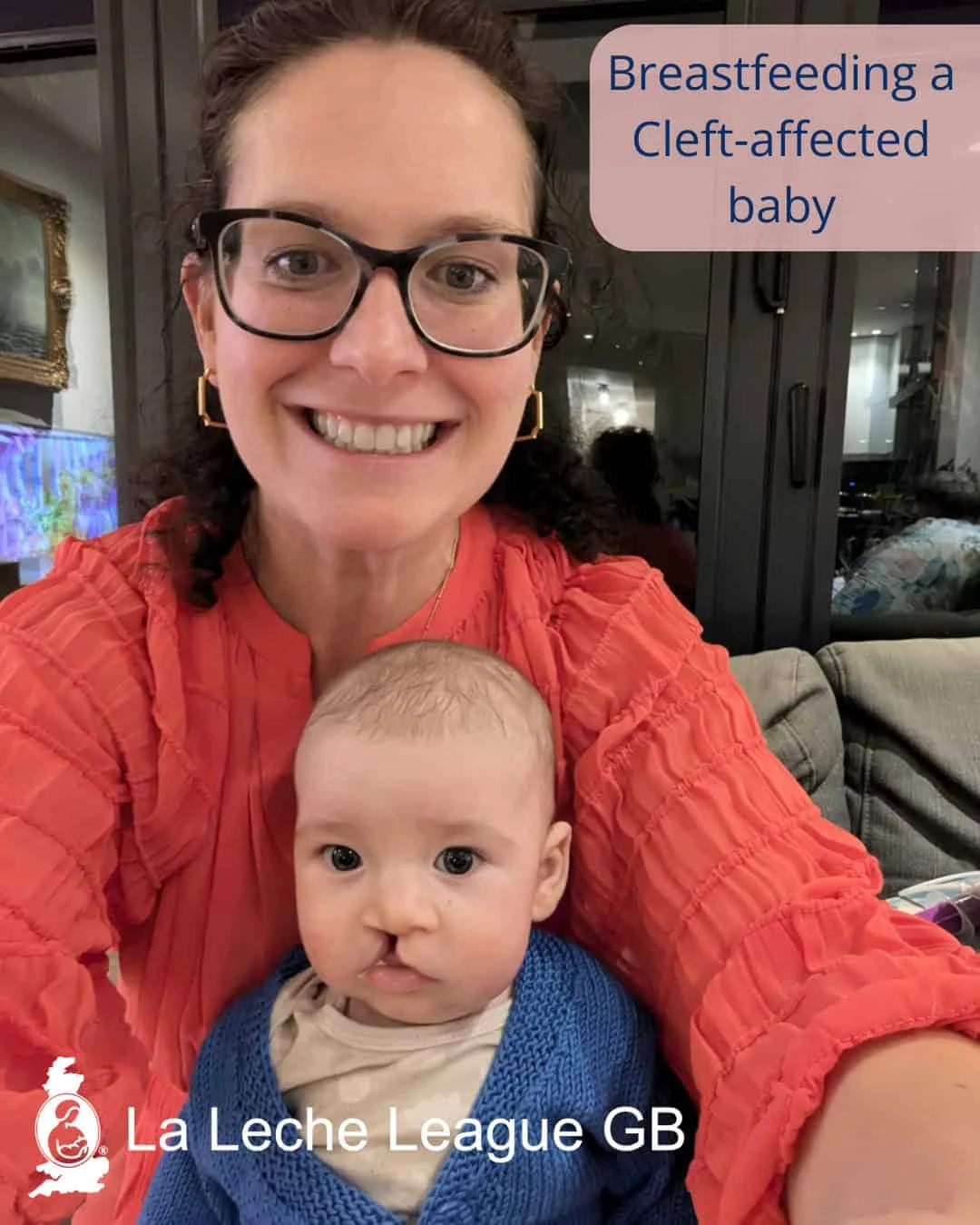
Sarah Muir-Little embarked on an extraordinary and challenging journey to breastfeed her son, Russell, following an antenatal diagnosis of a cleft lip and palate. Her story stands as a testament to parental determination, innovative problem-solving, and the profound benefits of striving for a breastfeeding relationship, even in the face of significant medical hurdles and initial professional skepticism. This detailed account chronicles the difficulties, adaptations, and ultimate triumph that led to Russell’s successful direct breastfeeding after surgical interventions.
Understanding Cleft Lip and Palate: A Medical Overview
Cleft lip and palate are among the most common congenital conditions, affecting approximately one in every 700 babies globally. These conditions occur when the structures forming a baby’s upper lip or the roof of their mouth (palate) do not fully join together during early fetal development. The severity can range from a small notch in the lip to a complete separation extending into the nose, involving both the lip and palate.
From a feeding perspective, the presence of a cleft presents distinct challenges. Babies with only a cleft lip can often breastfeed with certain adaptations, as their ability to form a seal around the nipple may be less severely compromised. However, a cleft palate profoundly impacts a baby’s ability to create the necessary suction pressure to extract milk from the breast. The opening in the palate means that a vacuum cannot be formed in the mouth, making effective milk transfer directly from the breast virtually impossible until the palate is surgically repaired. Beyond the immediate feeding difficulties, babies with clefts often face other challenges, including speech development issues, dental problems, and recurrent ear infections, underscoring the importance of comprehensive, multidisciplinary care.
The Cleft Lip and Palate Association (CLAPA) in the UK provides vital support and information for families affected by cleft conditions, advocating for best practices in care and offering resources for feeding, speech, and psychological support. Medical teams typically involve specialists such as plastic surgeons, orthodontists, speech and language therapists, and specialist nurses to manage a child’s care from birth through adolescence. Surgical repair usually involves an operation to close the lip around three to six months of age, followed by palate repair typically between six and twelve months, with further potential surgeries later in childhood.
An Unexpected Diagnosis: The Antenatal Period
For Sarah Muir-Little, the journey began amidst a period of considerable personal strain. The six weeks preceding her 20-week anomaly scan were emotionally taxing, with her father-in-law in intensive care. This atmosphere of anxiety meant there had been little space for the usual excitement accompanying pregnancy. The 20-week scan, typically a milestone of reassurance, began positively with the news that they were expecting a boy. However, this joy was quickly overshadowed when the sonographer posed a question that would irrevocably alter their expectations: "Have you heard of a cleft lip?"
This seemingly simple question initiated a cascade of emotional and practical challenges. A midwife subsequently explained the implications of their baby’s cleft lip and palate diagnosis, delivering the news that breastfeeding would likely be impossible. For Sarah, who had recently weaned her toddler in preparation for nursing her new baby, this revelation was profoundly upsetting. Breastfeeding had been a cornerstone of her identity as a mother, and the prospect of its loss triggered a deep sense of grief. This initial medical advice, while well-intentioned, often reflects a standard approach rather than exploring all possible avenues for parents determined to breastfeed.
However, a specialist nurse provided a glimmer of hope, clarifying that while traditional breastfeeding might not be feasible, some form of a breastfeeding journey could still be possible, albeit different from her experience with her first child. The full extent of the palate involvement would only be known after Russell’s birth, but the nurse confirmed that if the palate was affected, the absence of suction would make direct breastfeeding unlikely until surgical repair. The prospect of Russell enduring two major operations in his first year, one for the lip and another for the palate, added to the family’s concerns, highlighting the significant medical pathway ahead.
The Quest for Alternative Feeding Solutions
Undeterred by the initial prognosis, Sarah embarked on an extensive research mission. She meticulously explored the websites of organizations like CLAPA and La Leche League (LLL), along with other medical and parental forums, seeking success stories and practical advice for breastfeeding babies with cleft palates. The search yielded disappointingly few examples of successful direct breastfeeding post-palate surgery, but those she found offered crucial insights. These examples highlighted two primary factors contributing to success: maintaining an adequate milk supply and employing alternative methods for milk delivery while at the breast.
Maintaining milk supply was a factor Sarah felt she could control. She had successfully breastfed her toddler, demonstrating her body’s capability to produce sufficient milk. While she had previously disliked pumping due to its inefficiency on one side and low yields, she resolved to acquire better pumping knowledge and techniques. Her past experience of hand-expressing small quantities for months to build a freezer stash, only to return from a weekend away with more milk than she had left, instilled confidence in her ability to meet Russell’s future milk demands.
The second point, alternative feeding methods, led her to investigate nursing supplementers. These devices are designed to deliver expressed milk or formula to a baby while they are latched at the breast, stimulating the breastfeeding experience even when the baby cannot effectively extract milk on their own. This seemed a more practical long-term solution than direct hand expressing into the baby’s mouth. Sarah acquired both major nursing supplementer systems available in the UK. Both systems consisted of a bottle for milk storage and a thin tube inserted into the baby’s mouth while latched. One was gravity-fed, offering a slow flow, while the other featured a squeezable bottle for controlled milk delivery.
Initial trials with these systems presented their own set of difficulties. The gravity-fed system delivered milk too slowly. The squeezy bottle, while capable of delivering ample milk, proved awkward to hold. The common advice for supporting a baby with feeding challenges, such as low muscle tone or prematurity, is the "dancer hand hold," where the index finger and thumb form a ‘U’ shape supporting the baby’s chin. However, practicing this hold with a doll and a supplementer bottle felt impossible to Sarah, indicating the significant dexterity and coordination required, especially for a new mother navigating complex feeding scenarios.
Russell’s Arrival and the Innovative Feeding System
Baby Russell’s arrival marked the beginning of their hands-on feeding journey. Immediately after birth, he was fed expressed colostrum via a syringe, with a clean finger offered in his mouth to encourage rudimentary sucking attempts while Sarah awaited her full milk supply. The initial plan was to introduce feeding at the breast with a supplementer once her milk increased.
An unexpected serendipity occurred with the feeding equipment. Some syringes Sarah had ordered, though unsuitable for direct feeding, perfectly fitted the supplementer tubes. The midwife team kindly sourced larger syringes from the labour ward. With a touch of ingenuity, Sarah drilled holes in the screw-on caps of these larger syringes, creating a snug fit for the supplementer tube. This improvisation allowed for a custom-built, functional system, though it underscored the need for parents to adapt and innovate in the absence of readily available, perfectly suited equipment for complex feeding needs. Crucially, Sarah emphasized the importance of adhering to safety guidelines for any feeding tools, ensuring caps are removed from syringes used for direct feeding (due to choking hazards) and that milk is delivered slowly, with close observation of the baby’s comfort and swallowing pace.
The conventional advice for using a supplementer is either to insert the tube into the baby’s mouth after they have latched or to tape the tube onto the breast before latching, positioning the tape away from the baby’s mouth. Both methods presented challenges for Russell. His latch, lacking suction, was fragile, making it impractical to insert the tube post-latch without disrupting it. Taping the tube along a long section of the breast meant a floppy tube that was difficult to guide into his tiny newborn mouth, especially with his tendency to bob on and off the breast.
Sarah decided on a novel approach: taping the tube very close to the nipple to ensure easy entry into Russell’s mouth. This required durable, water-resistant tape. After experimenting with various tapes and positions, a workable solution was found, albeit with the inevitable frustration of milk loss due to the tape compromising the latch. The initial period was marked by upset during feeding times for both mother and baby, highlighting the steep learning curve and emotional toll of establishing feeding under such circumstances.
Despite these struggles, Sarah persisted. She sought help from multiple sources, but found many lacked the specific experience required to assist with her unique setup, and some voiced concerns about potential aspiration (choking on milk). This lack of tailored professional support underscored the isolation many parents face when deviating from standard medical protocols. Yet, Sarah’s determination remained unwavering. After a week that blended the magic of a home birth with the frustrations of difficult feeding moments, she had developed a system that she felt was effective, capable of delivering a decent amount of milk at a sensible speed.
Mastering Positioning and Overcoming Obstacles

Even with a functional supplementer system, the challenge of positioning remained. Sarah continued to struggle with the "dancer hold," finding that it stressed both her and Russell during feeds. Getting Russell into the correct position was tricky, and he would often bob on and off, unable to maintain a stable latch. A key indicator of his hunger was his calmness when placed on the non-taped breast, where Sarah could directly express milk into his mouth. This confirmed the problem wasn’t a lack of hunger, but rather the mechanics of feeding with the supplementer.
Sarah had largely used the cradle hold for her toddler, finding it the most natural position. After consulting a specialist at Great Ormond Street Children’s Hospital, they decided to continue with the cradle hold. While this position might result in more milk spillage around Russell’s cleft, it was more familiar and comfortable for Sarah and more appropriate for a newborn. The paramount goal was to ensure feeds were relaxed for both mother and baby. Advice she had read, such as plugging the lip cleft with the breast or keeping the cleft side up to minimize milk loss, was secondary to achieving calm, consistent feeds with a deep latch in the cradle position. In those early weeks, feeds often left both Sarah and Russell quite wet from the lost milk around the tape, a tangible reminder of the fiddliness and frustration involved, yet one Sarah believed was entirely worth it for the benefits of breastfeeding.
Over time, Sarah and Russell developed a rhythm. Sarah learned to deliver milk through the syringe synchronously with Russell’s feeding cues, pausing when he paused. They discovered the optimal flow rate – not so slow that he had to suck excessively before swallowing, nor so fast that he became overwhelmed. Sarah also learned to manage syringe refills, either putting Russell down or repositioning him so he wouldn’t expect a continuous flow of milk, minimizing frustration.
The unique nature of their feeding method sometimes led to misinterpretations. A friend, initially questioning Sarah’s efforts to "bridge the gap" until potential post-surgery breastfeeding, later observed them and remarked, "I get it now; you are already breastfeeding." Another friend, seeing them feed across a restaurant table, commented, "Oh, so the worries about Russ not being able to breastfeed didn’t come to fruition!" These moments of affirmation brought immense joy and validated Sarah’s perseverance.
However, not all feedback was positive. A paediatrician expressed concerns, stating that their method was not "recommended" because specialist cleft bottles were deemed "safe and effective." This implied disapproval of their chosen path, causing Sarah considerable hurt. Such comments from healthcare professionals, despite their authority, required immense resilience to brush off. Sarah’s conviction, bolstered by Russell’s consistent weight gain and evident enjoyment of feeding at the breast, remained unshaken. She acknowledged the necessity of the supplementer but cherished the breastfeeding bond and its associated benefits.
Evolving Techniques and Developmental Milestones
As Russell grew, their feeding techniques continued to evolve. Around ten weeks old, Russell began to show discomfort with the tape in his mouth. This prompted Sarah to adjust, first taping the tube much further from the nipple, and eventually eliminating the tape altogether. This untaped method demanded significantly more coordination but became manageable as both mother and baby gained experience and understanding.
The journey was not without its perceived setbacks. There were moments when Russell would become upset or refuse to feed, making Sarah question their progress. During these times, she found it crucial to remember that Russell was a baby first, and his cleft was a secondary consideration. Often, the feeding issues were common developmental phases all babies face, such as becoming easily distracted around three months of age and almost refusing to feed if anything else was happening. This perspective helped Sarah to normalize challenges and apply general parenting solutions rather than solely focusing on cleft-related adaptations.
The process of expressing milk daily and managing every feed with the supplementer was undeniably exhausting. Sarah’s husband played an indispensable role, providing invaluable support through bottle washing, managing night feeds while Sarah pumped, and offering crucial reassurance during difficult moments. Their journey became a shared effort, navigated as a cohesive team. Sarah firmly believed that every day they continued using the supplementer was a bonus for Russell’s health and their bond, making every effort worthwhile.
The Transformative Surgery and Breakthrough to Direct Breastfeeding
Just before his first birthday, Russell underwent significant surgery to reconstruct his lip and hard palate. The immediate aftermath of such a procedure is often challenging. For the first few days post-surgery, while the morphine alleviated pain, Russell would only feed from a bottle. Once the pain medication wore off, however, he reverted to feeding from the supplementer, rejecting bottles. This could have been due to an association of bottles with the discomfort of recovery or perhaps the supplementer simply required less effort.
A pivotal moment arrived four weeks after the palate surgery. The surgeon had advised avoiding suction during the initial healing period, yet Sarah could distinctly feel Russell attempting to suck for the first time, a nascent but powerful indication of his developing oral motor skills. The very next day, he learned how to use a straw – a significant developmental leap that demonstrated his newfound ability to generate suction. The day after that, Russell began to suck and swallow directly at the breast.
From this breakthrough, progress was gradual but steady. The use of the supplementer became less and less frequent as Russell learned to extract more milk himself. This transition marked a profound shift in their breastfeeding relationship. After an arduous 15 months of daily pumping, Sarah was finally able to stop.
Russell’s latch, while not always typical, was effective and ensured his contentment and growth. He now breastfeeds once or twice a day, a remarkable achievement that once seemed an unattainable dream. Sarah emphasizes that this outcome was never certain, and they continue to navigate their breastfeeding journey with an open mind, simply seeing where it leads next.
Implications and Future Perspectives
Sarah Muir-Little and Russell’s story carries profound implications for families, healthcare professionals, and the broader understanding of breastfeeding with medical complexities.
Empowering Parents with Cleft-Affected Babies: This narrative serves as a powerful source of hope and inspiration for other parents facing similar diagnoses. It challenges the conventional wisdom that breastfeeding is impossible for babies with cleft palates, demonstrating that with perseverance, innovative solutions, and tailored support, a meaningful and beneficial breastfeeding relationship can be established and sustained. It empowers parents to advocate for their choices and explore alternative paths when standard recommendations fall short of their goals.
Re-evaluating Healthcare Guidance: Sarah’s experience highlights the critical need for more nuanced, individualized, and empathetic advice from healthcare professionals regarding feeding options for infants with cleft conditions. While specialist cleft bottles are indeed "safe and effective," they should not be presented as the only viable option, particularly when parents express a strong desire to breastfeed. Healthcare providers, including paediatricians, midwives, and lactation consultants, could benefit from enhanced training on adaptive breastfeeding techniques, nursing supplementers, and a greater understanding of the psychological and emotional importance of breastfeeding for mothers. This would foster a more collaborative approach, supporting parental choices rather than inadvertently discouraging them.
The Role of Support Organizations: The reliance on resources like CLAPA and La Leche League underscores the invaluable role these organizations play. They provide not just factual information but also a community of shared experience and practical strategies that may not always be available within mainstream medical settings. Their continued work in disseminating knowledge and fostering peer support is crucial for families navigating complex medical journeys.
Beyond the Medical: The Emotional Bond: Russell’s journey vividly illustrates that breastfeeding extends far beyond mere nutrition. The act of feeding at the breast, even with adaptations, fosters an invaluable emotional bond between mother and child, offering comfort, security, and a unique form of connection. The health benefits of breast milk—immunological protection, optimal nutrition, and ease of digestion—are particularly significant for infants who may face additional health vulnerabilities due to their medical condition. Sarah’s willingness to go to extraordinary lengths speaks to the profound value she placed on this bond and these benefits.
In conclusion, Sarah Muir-Little’s unwavering commitment to breastfeeding Russell, transforming an initial prognosis of impossibility into a remarkable success story, is a testament to the power of human ingenuity, resilience, and the deep maternal bond. Their journey not only secured critical health advantages for Russell but also offers a beacon of hope, inspiring a re-evaluation of feeding practices and reinforcing the importance of comprehensive, individualized support for families navigating the complexities of cleft lip and palate.
