

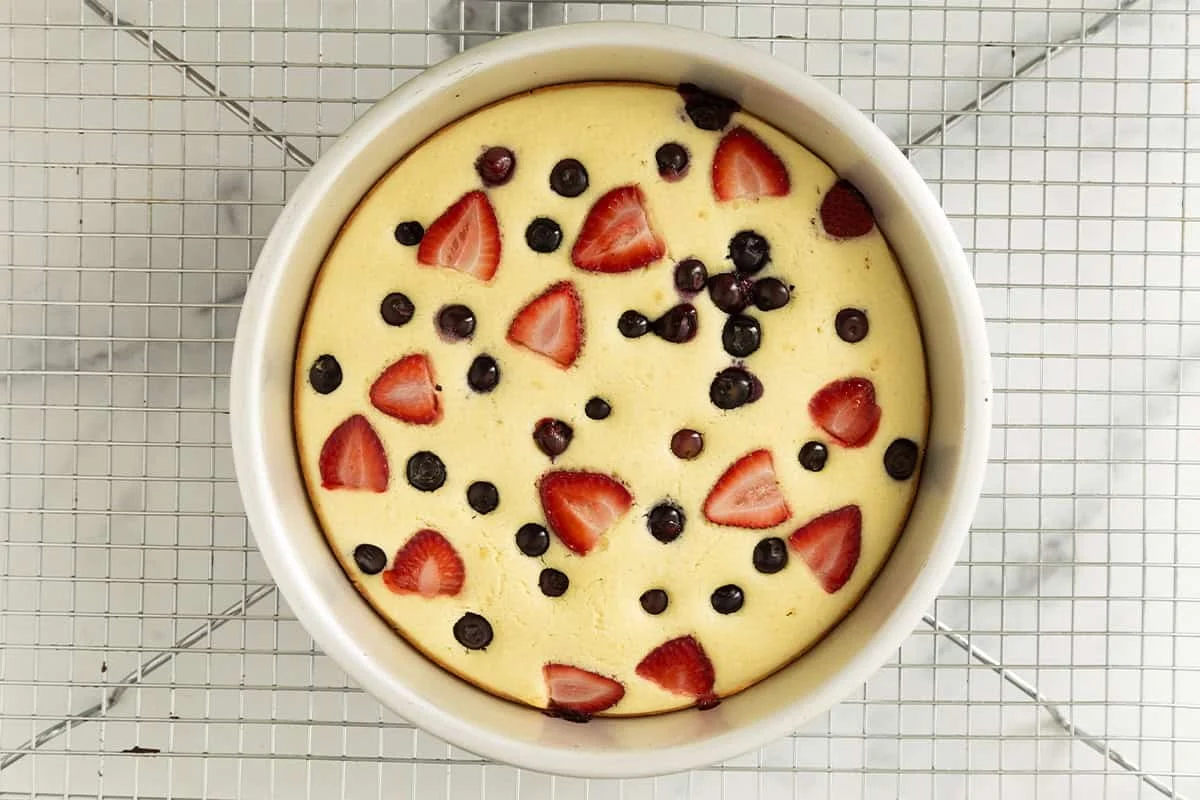
The traditional morning ritual of standing over a hot griddle, meticulously flipping individual circles of batter, is undergoing a significant transformation as domestic efficiency and "traybake" methodologies gain traction in modern kitchens. At the forefront of this culinary shift is the Pancake Cake, a consolidated baking technique designed to maximize output while minimizing labor. By utilizing a shortcut method that prioritizes a fluffy texture and consistent results, the Pancake Cake has emerged as a premier strategy for family-oriented meal preparation. This approach reimagines the classic pancake not as a series of individual portions, but as a singular, shareable entity that addresses the logistical challenges of feeding multiple people simultaneously.
The Transition from Griddle to Oven: A Strategic Overview
The Pancake Cake represents a departure from the labor-intensive stovetop method that has defined breakfast for decades. Traditionally, pancakes require constant supervision, with the cook often eating last after several rounds of flipping. The Pancake Cake methodology solves this "staggered dining" problem by utilizing the oven’s ambient heat to cook a large volume of batter in a single vessel. This shift allows for a hands-off cooking process, enabling the preparer to engage in other household tasks or join the family at the table.
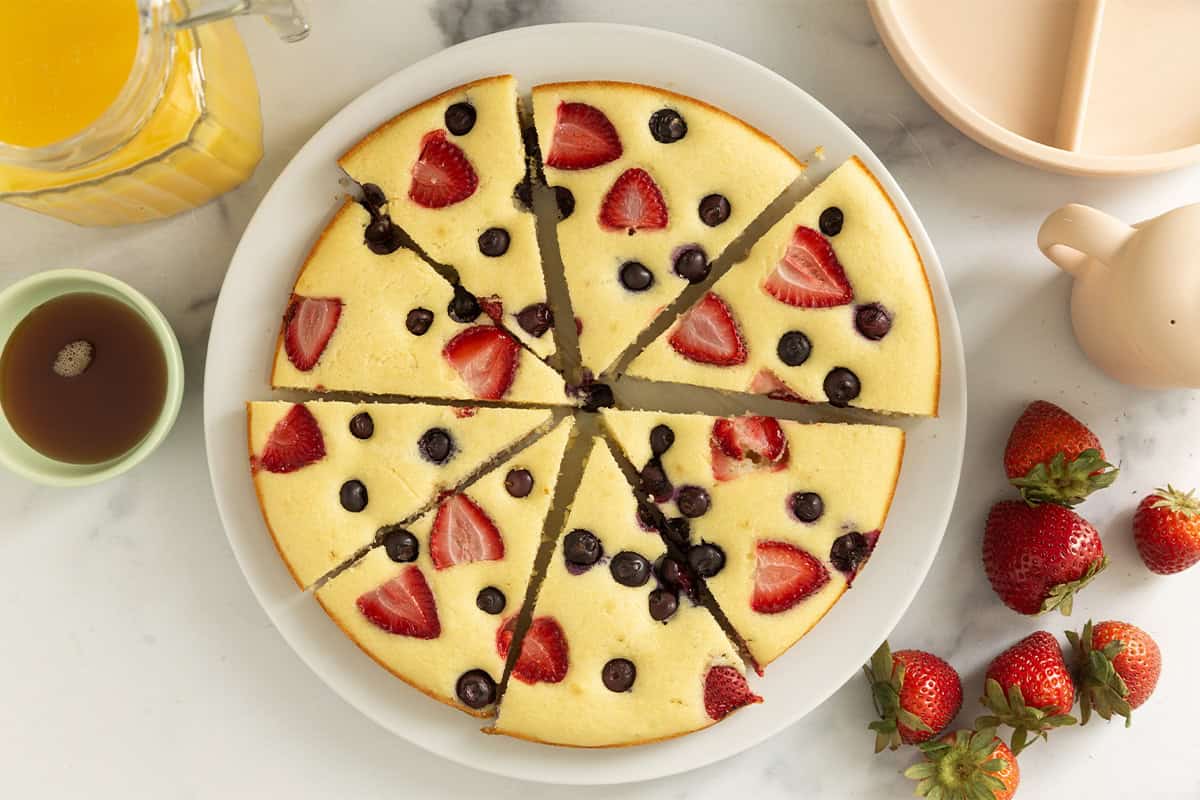
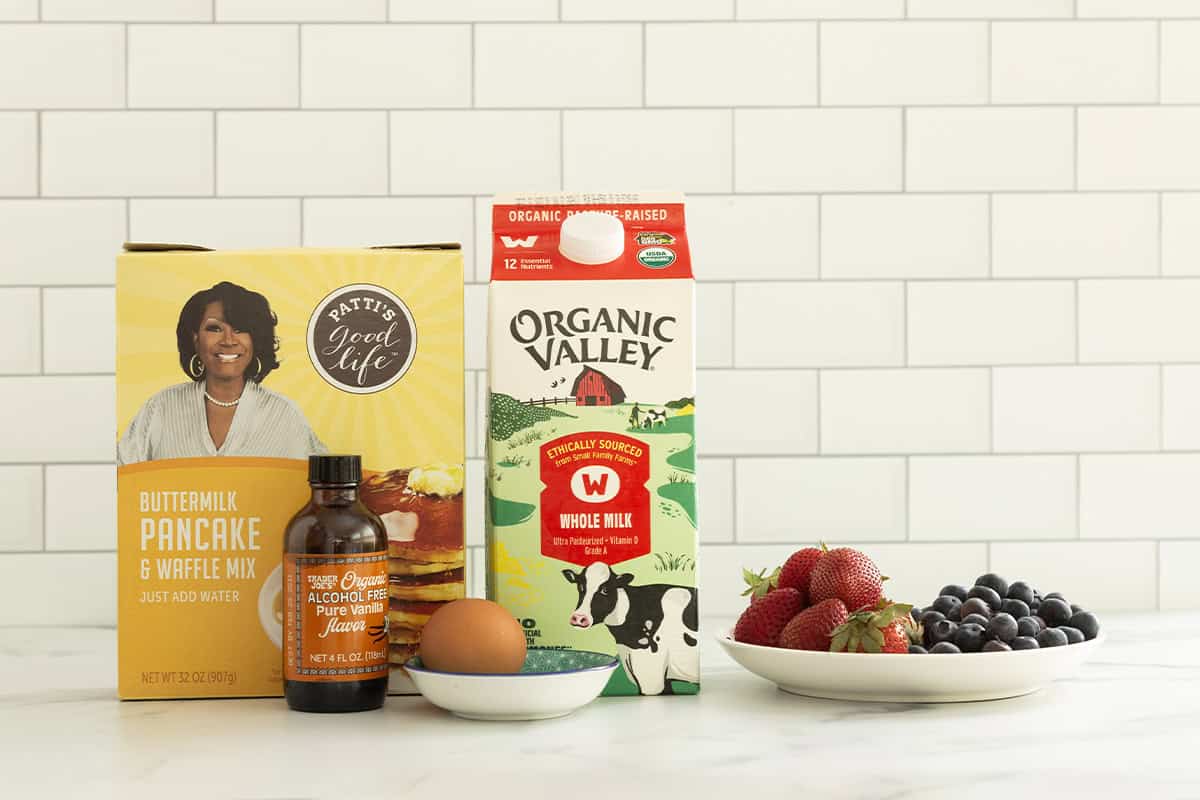
The process begins with a base of high-quality pancake mix, which serves as a stabilized shortcut for the dry ingredients. By integrating eggs, milk, and melted butter, the batter achieves a richness that mimics traditional homemade recipes while maintaining the structural integrity required for a thicker bake. The addition of fresh or frozen berries provides both a nutritional boost and a textural contrast, resulting in a product that bridges the gap between a breakfast staple and a sophisticated brunch cake.
Historical Context and the Rise of Convenience Mixes
To understand the significance of the Pancake Cake, one must examine the evolution of the pancake itself. Historians trace the origins of the pancake back to ancient civilizations, including the Greeks and Romans, who prepared "alita dolcia" (another name for pancakes) using wheat flour, olive oil, honey, and curdled milk. However, the modern American pancake underwent its most significant transformation in the late 19th century with the invention of the first commercial pancake mix.
The 1889 introduction of the Self-Rising Pancake Flour by the Pearl Milling Company revolutionized the American breakfast, standardizing the chemical leavening process. Throughout the 20th century, these mixes became staples of the American pantry, prized for their reliability. The Pancake Cake is the latest iteration in this timeline of convenience. It adapts the standardized mix to the "sheet pan" or "cake pan" trend that surged in popularity during the early 2020s, as households sought ways to streamline meal production during a period of increased domesticity.
Technical Methodology and the Chemistry of the Bake
The success of the Pancake Cake relies on a specific sequence of operations designed to preserve the leavening properties of the batter. Unlike traditional pancakes, which are thin and cook rapidly through direct contact with a hot surface, the Pancake Cake requires a slower, more uniform rise.
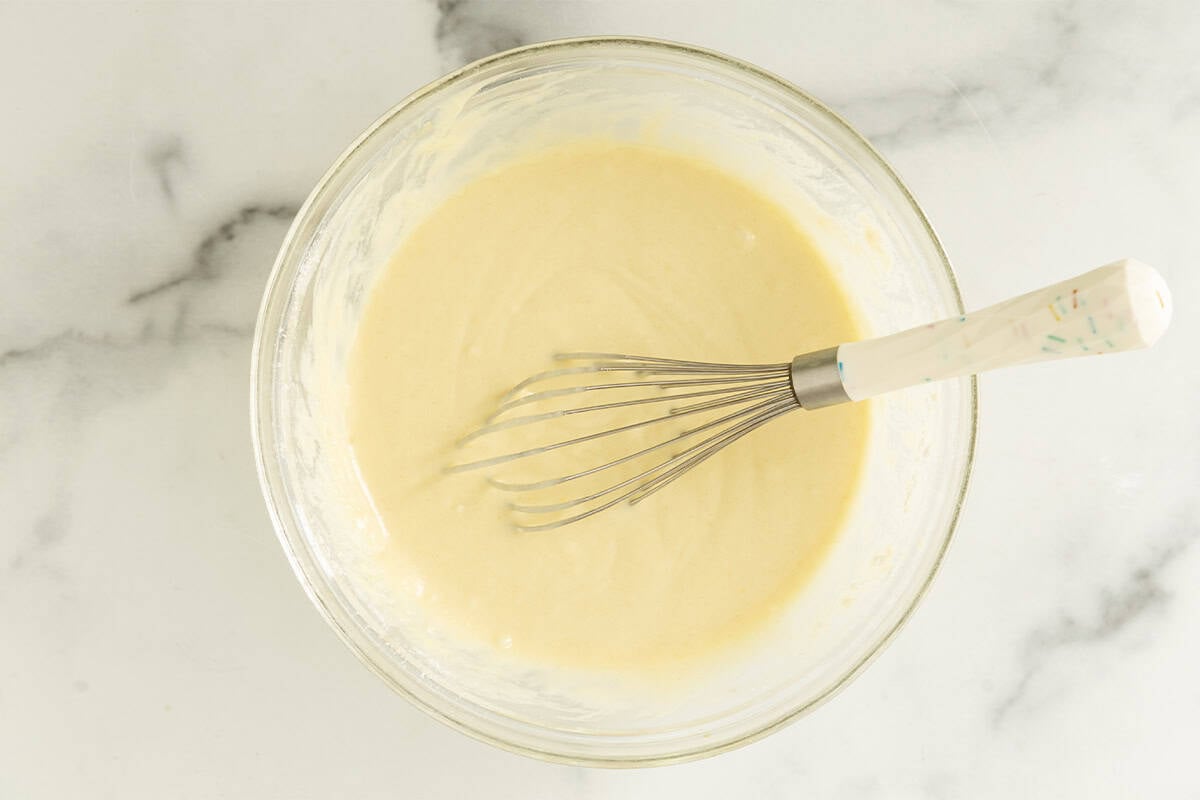
- The Whisking Phase: The dry mix is combined with liquid fats and proteins (milk and eggs). This stage is critical for gluten development. Over-mixing can lead to a dense, rubbery texture; therefore, a gentle whisking until just combined is the industry-standard recommendation.
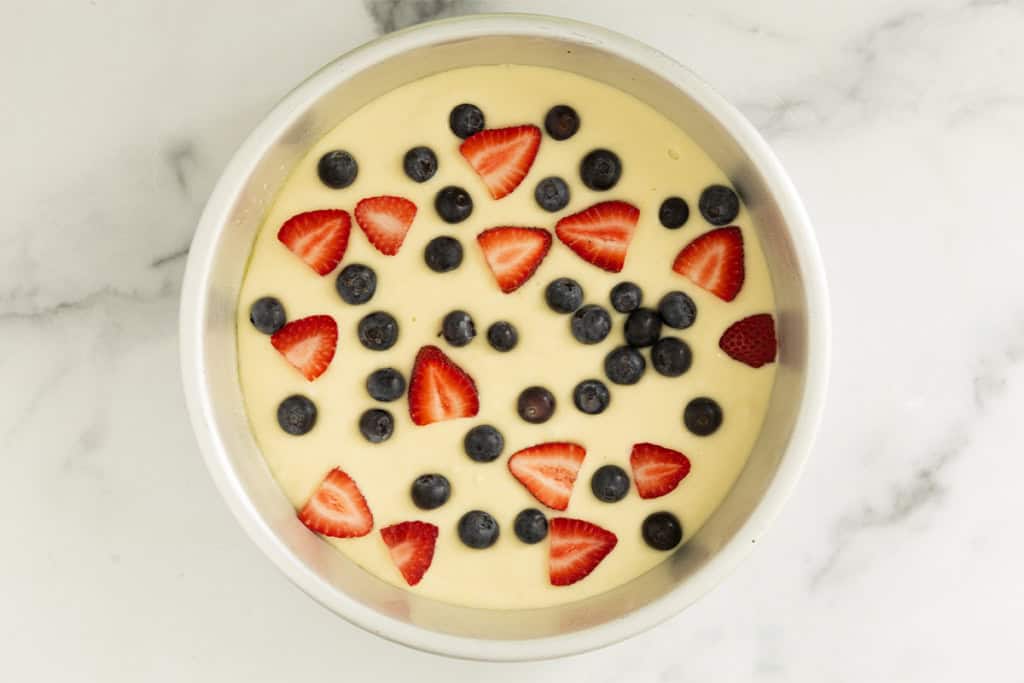
- The Inclusion of Berries: Folding in fruit after the initial mix prevents the "bleeding" of colors, particularly with blueberries, and ensures an even distribution of moisture throughout the cake.
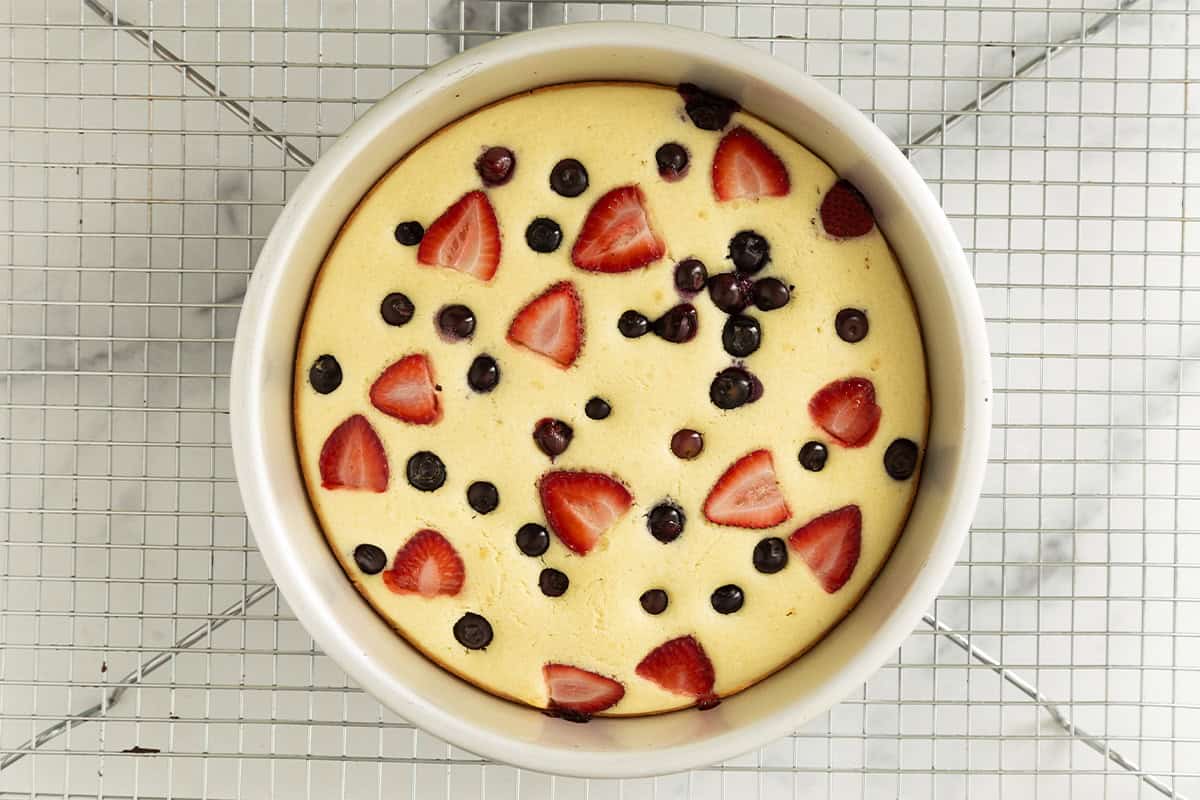
- The Baking Environment: By placing the batter in a prepared pan and subjecting it to a 350°F (175°C) environment, the Maillard reaction—the chemical reaction between amino acids and reducing sugars that gives browned food its distinctive flavor—occurs evenly across the top surface.
- Testing for Doneness: A cake tester or toothpick is inserted into the center. Because of the density of the Pancake Cake compared to a thin pancake, ensuring the center is fully set without over-browning the edges is the primary technical challenge.
Nutritional Profile and Comparative Data
The Pancake Cake offers a controlled nutritional profile that can be easily tracked by health-conscious consumers. Based on standard serving sizes, a single portion of the Pancake Cake provides a balanced distribution of macronutrients.
Nutritional Breakdown per Serving (8 Servings per Cake):
- Calories: 101 kcal
- Total Carbohydrates: 11g
- Protein: 3g
- Total Fat: 5g (Saturated Fat: 2g)
- Sodium: 122mg
- Fiber: 1g
- Sugar: 4g
- Vitamin A: 224 IU
- Calcium: 81mg
- Iron: 1mg
When compared to traditional restaurant-style pancakes, which can often exceed 500 calories per serving when accounting for excessive butter and syrup, the home-baked Pancake Cake provides a more moderate alternative. The inclusion of berries adds essential micronutrients, including Vitamin C and antioxidants, without significantly increasing the glycemic load.
Economic and Time-Saving Implications
For modern households, the primary value of the Pancake Cake lies in its economic and temporal efficiency. A traditional batch of 12 to 16 pancakes can take upward of 30 to 45 minutes of active cooking time. In contrast, the Pancake Cake requires approximately 5 to 10 minutes of active preparation, with the remaining time being passive baking time.
From a meal-prep perspective, the Pancake Cake is highly resilient. Data suggests that breakfast meal-prepping can save the average family between 15 and 20 minutes per weekday morning. The Pancake Cake can be stored in an airtight container in the refrigerator for up to five days or frozen for up to three months. This longevity reduces food waste—a major concern in modern sustainability efforts—as leftovers can be reheated in a toaster or microwave without losing their textural integrity.
Expert Reactions and Culinary Implications
Culinary experts and nutritionists have noted the benefits of "consolidated cooking." Home economics specialists argue that recipes like the Pancake Cake lower the barrier to entry for novice cooks and encourage families to eat together. By removing the stress of the "short-order cook" dynamic, the Pancake Cake fosters a more communal dining experience.
"The shift toward tray-baked breakfasts reflects a broader societal movement toward ‘passive productivity’ in the kitchen," says one industry analyst. "We are seeing a decline in the demand for recipes that require constant physical presence and an increase in those that utilize the oven as a primary tool for volume cooking."
Furthermore, the versatility of the Pancake Cake allows for significant customization. While berries are the standard inclusion, home cooks have reported success with the addition of cinnamon (suggested at a 1-teaspoon ratio), chocolate chips, or even savory elements like crumbled sausage. This adaptability ensures the recipe remains a staple across diverse demographic groups and dietary preferences.
Broader Impact on the Breakfast Food Industry
The rise of the Pancake Cake is also influencing the product development strategies of major food corporations. Companies like General Mills and the Pearl Milling Company have increasingly marketed their mixes not just for traditional pancakes, but as versatile bases for muffins, breads, and "sheet pan" bakes. This diversification is a direct response to consumer data showing a preference for multi-purpose ingredients that can adapt to various cooking methods.
The implications extend to the kitchenware industry as well. Sales of non-stick cake pans and specialized baking mats have seen a steady increase as more consumers move away from specialized electric griddles in favor of multi-functional oven-safe equipment.
Conclusion: The Future of the Morning Meal
The Pancake Cake is more than a simple recipe; it is a symptom of a larger shift in how the modern world approaches the first meal of the day. As time becomes an increasingly scarce commodity, the ability to produce high-quality, nutritious, and enjoyable food with minimal active labor becomes a necessity rather than a luxury.
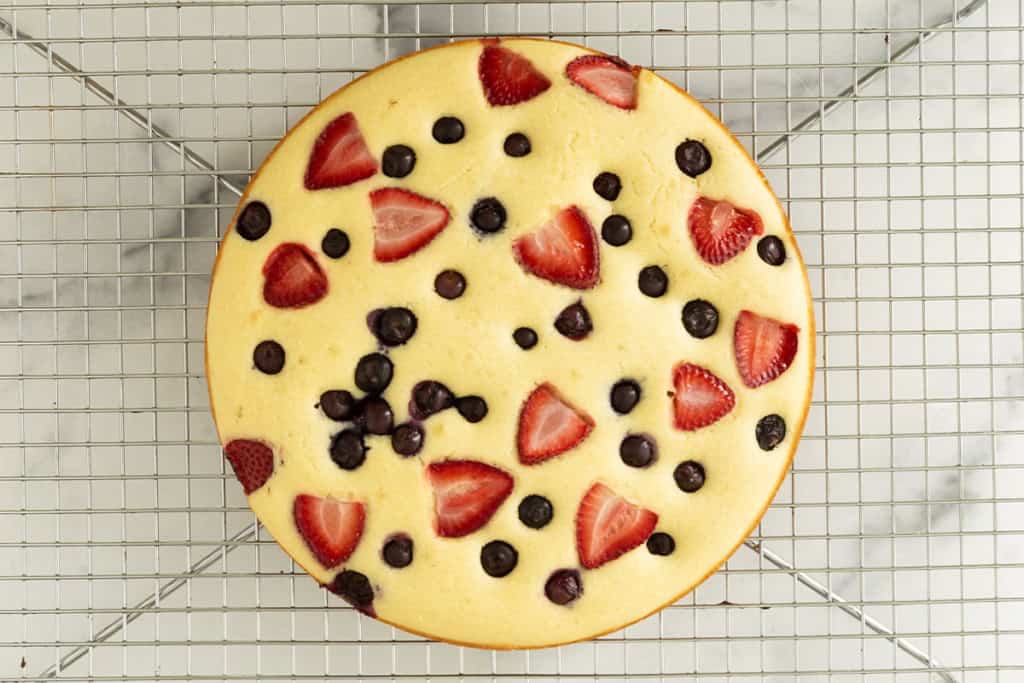
By combining the nostalgia of the classic pancake with the efficiency of modern baking, the Pancake Cake has secured its place in the contemporary culinary canon. Whether served at a toddler’s breakfast, a holiday brunch, or as part of a rigorous weekly meal-prep routine, this giant, shareable pancake represents the successful marriage of tradition and innovation. As households continue to seek out ways to simplify their routines without sacrificing quality, the Pancake Cake stands as a testament to the enduring power of the shortcut.
