

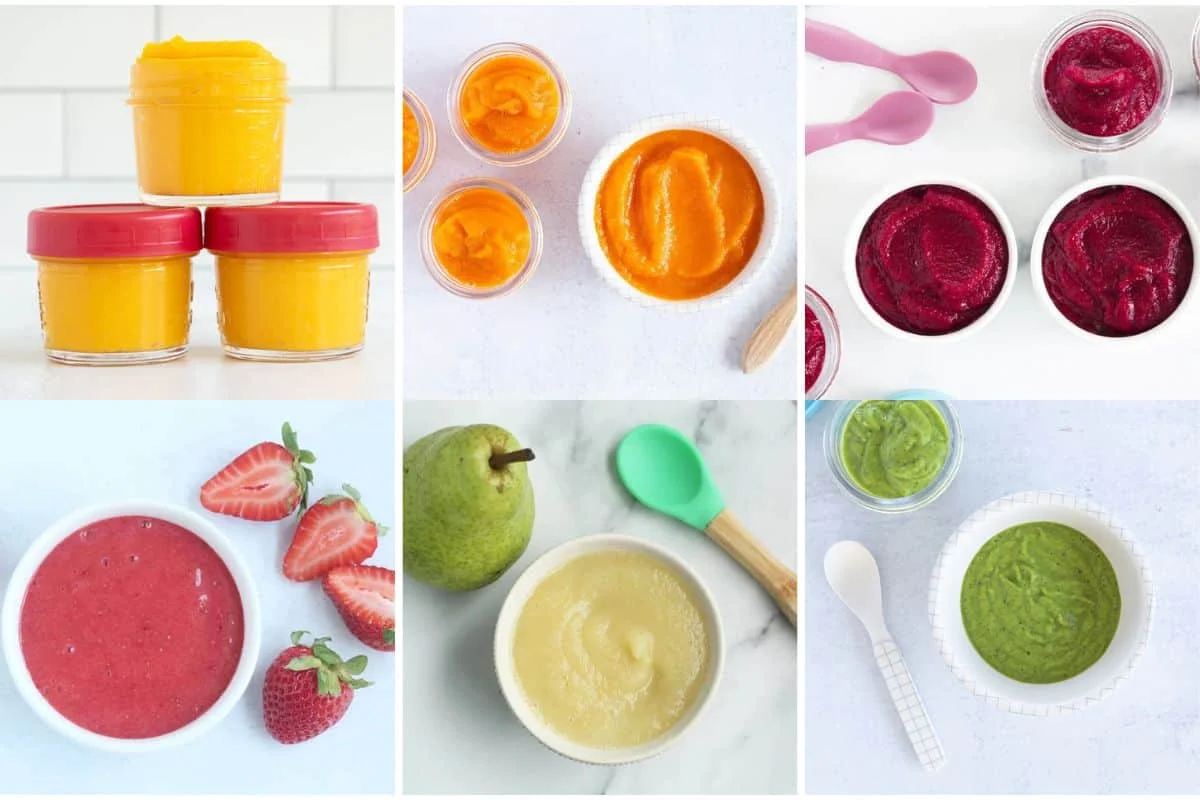
The transition from an exclusive liquid diet of breast milk or formula to solid foods represents one of the most significant developmental milestones in an infant’s first year of life. Traditionally referred to as Stage 1, this initial phase of complementary feeding focuses on single-ingredient purees that are characterized by a thin, completely smooth consistency. This approach is designed to introduce the infant’s digestive system to new nutrients while minimizing the risk of choking and allowing caregivers to monitor for potential allergic reactions. As pediatric nutrition guidelines evolve, there is an increasing emphasis on nutrient density and the inclusion of diverse flavor profiles early in life to prevent picky eating habits in later childhood.
The Developmental Framework for Starting Solids
According to the American Academy of Pediatrics (AAP) and the World Health Organization (WHO), most infants are developmentally ready to begin solids around six months of age, though some may start as early as four months depending on individual growth trajectories and pediatrician recommendations. Key physiological indicators of readiness include the ability to sit with minimal support, the disappearance of the tongue-thrust reflex, and the demonstrated interest in what caregivers are eating.
The introduction of solids is not merely about caloric intake; it is a critical window for sensory development and the replenishment of essential minerals. By six months, an infant’s natural iron stores—accumulated during gestation—begin to deplete, making the introduction of iron-rich and vitamin-dense foods a clinical priority. Stage 1 purees serve as the foundational bridge in this nutritional journey.
A Chronological Approach to Ingredient Introduction
The prevailing medical consensus suggests a "wait and see" strategy during the first month of solid food introduction. By introducing only one new food every three to five days, parents can isolate the cause of any adverse reactions, such as rashes, diarrhea, or respiratory distress.
Initial Vegetable Introduction: Foundations of Nutrition
Nutritionists often recommend starting with vegetables rather than fruits to encourage an early preference for savory flavors.
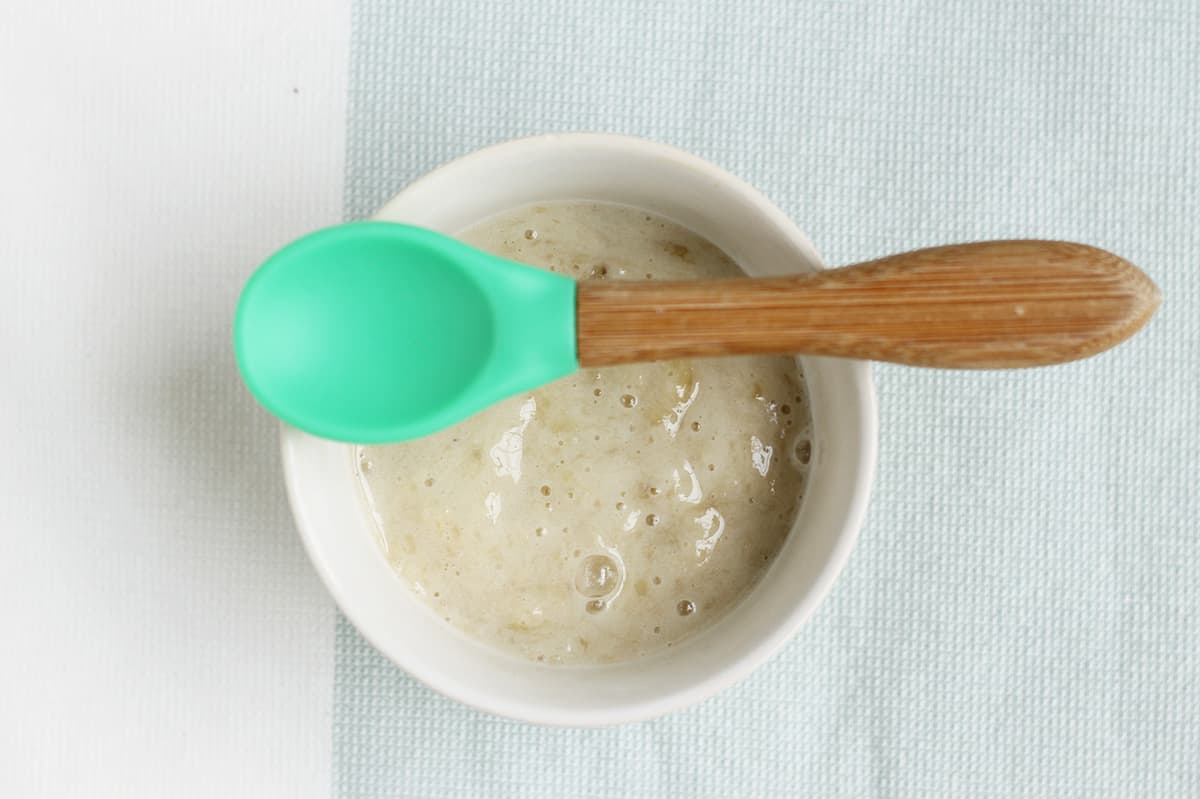
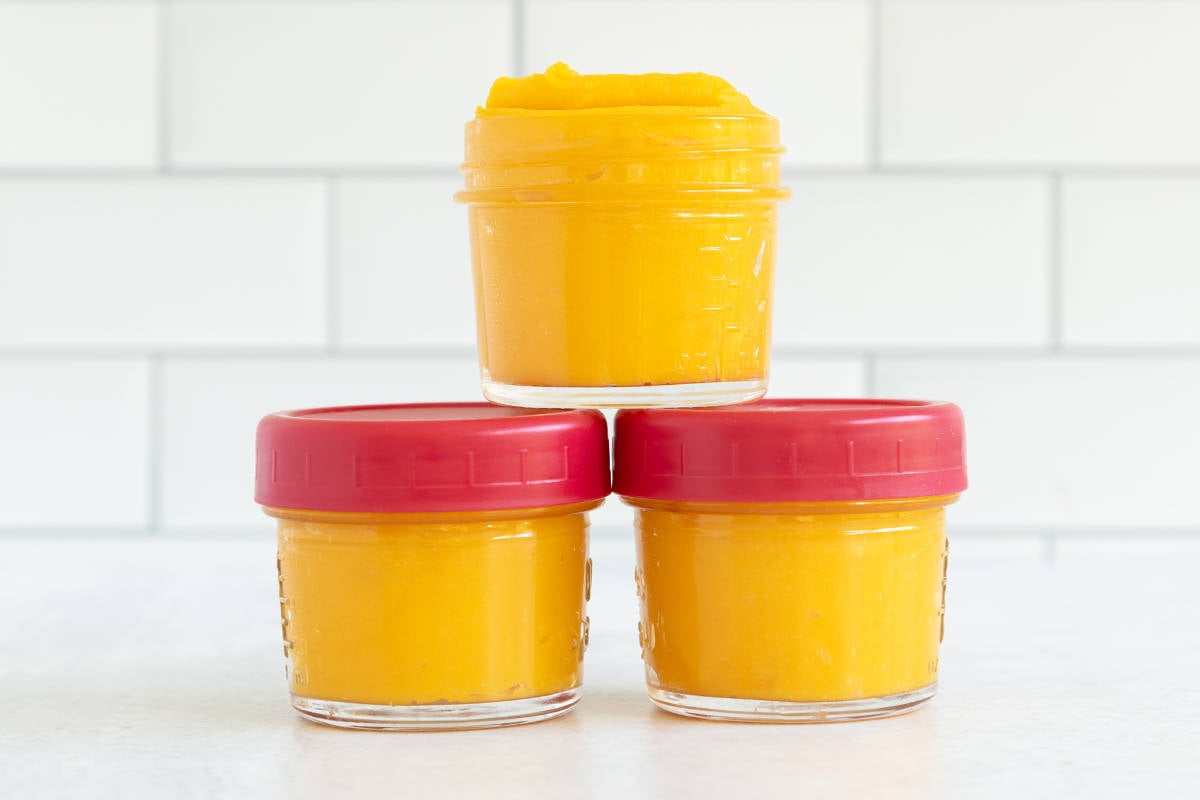
- Sweet Potato Puree: Highly regarded as an ideal first food, sweet potatoes are rich in beta-carotene, which the body converts into Vitamin A. They provide a naturally smooth texture when roasted or steamed and blended.
- Carrot Puree: Similar to sweet potatoes, carrots offer high levels of Vitamin A and antioxidants. Journalistic analysis of infant feeding patterns shows that the natural sweetness of carrots often leads to high acceptance rates among infants.
- Butternut Squash Puree: This winter squash is packed with Vitamin C and potassium. Its mild flavor and creamy consistency after cooking make it a staple in Stage 1 feeding.
- Zucchini Puree: Zucchini provides a lighter nutritional profile but is excellent for hydration. It is often one of the quickest vegetables to prepare, requiring only about 15 minutes from start to finish.
Green Vegetables and Cruciferous Varieties
Introducing bitter or earthy greens early can significantly impact long-term dietary preferences.
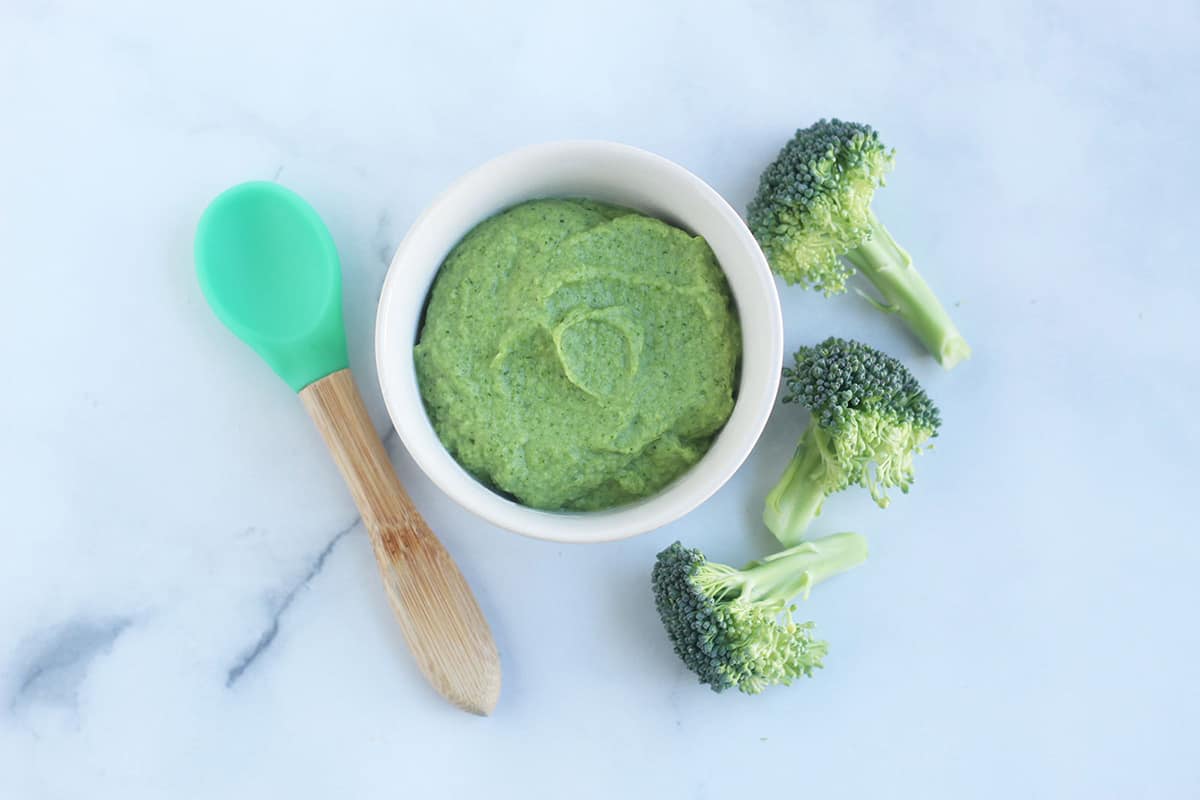
- Broccoli Puree: While sometimes challenging due to its strong scent, broccoli is a powerhouse of Vitamin K and fiber. Steam-to-puree methods ensure the retention of water-soluble vitamins.
- Pea Puree: Green peas are a surprising source of plant-based protein and iron. Using frozen peas can often be more nutritious than "fresh" peas that have sat in transport, as frozen varieties are flash-blanched at the peak of ripeness.
- Cauliflower Puree: This versatile vegetable offers a unique set of phytonutrients. It can be prepared from fresh or frozen florets, providing flexibility for the caregiver.
Fruit Purees: Natural Energy and Antioxidants
Fruits provide essential vitamins and are often used to balance the transition to solids.
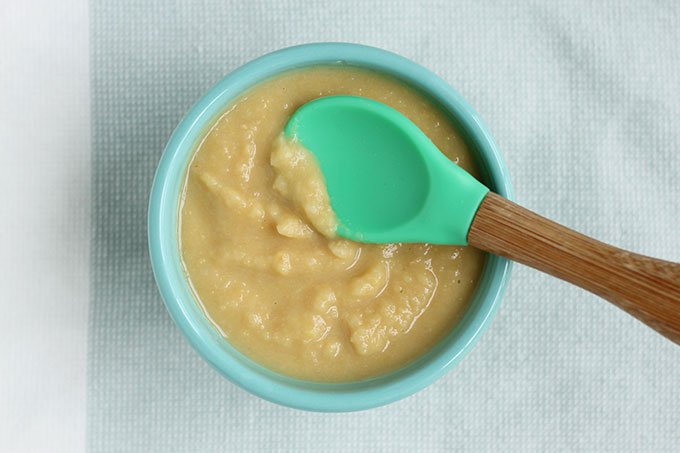
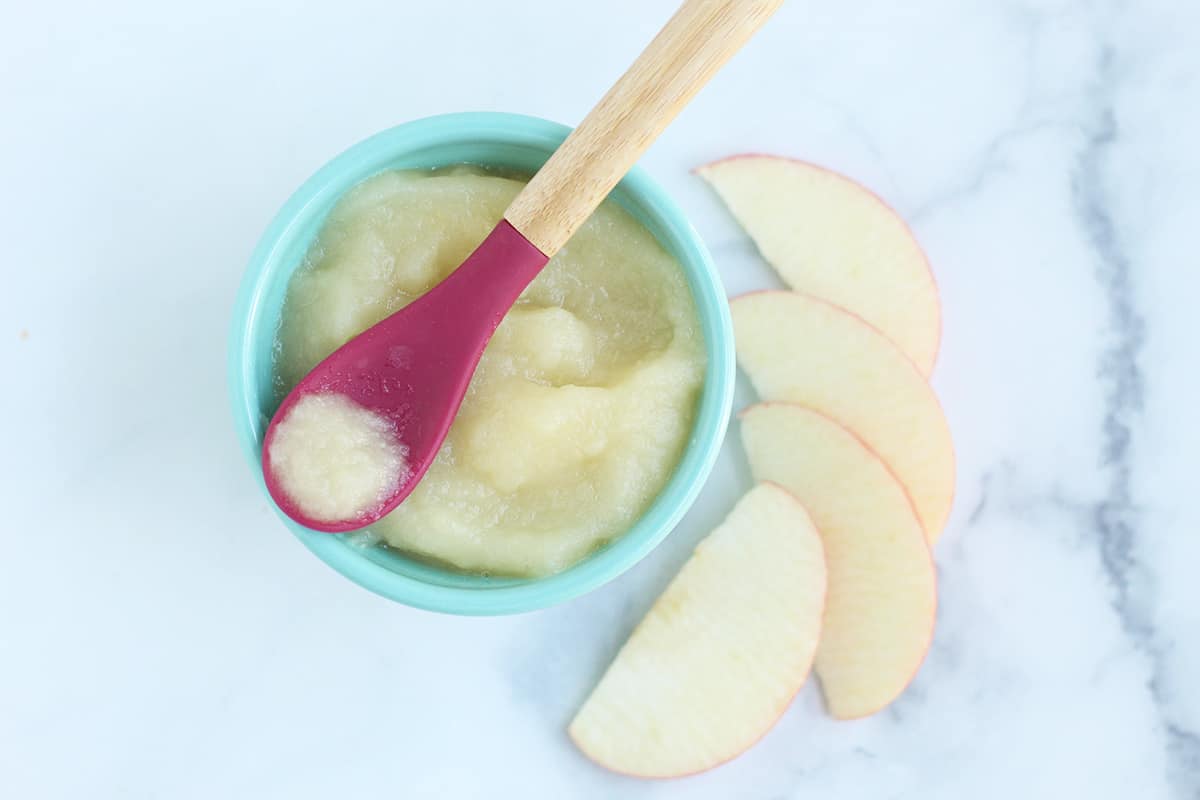
- Apple Puree: Often the most common first fruit, apples are high in fiber (pectin). Clinical observations suggest that cooked apple puree is easier on the infant’s digestive tract than raw varieties during the initial weeks.
- Pear Puree: Pears are frequently recommended by pediatricians to help regulate infant digestion and alleviate constipation, a common side effect of starting solids.
- Banana Puree: As a "no-cook" option, bananas are a convenient source of potassium and carbohydrates. They are best served when ripe (exhibiting brown spots) to ensure maximum digestibility and sweetness.
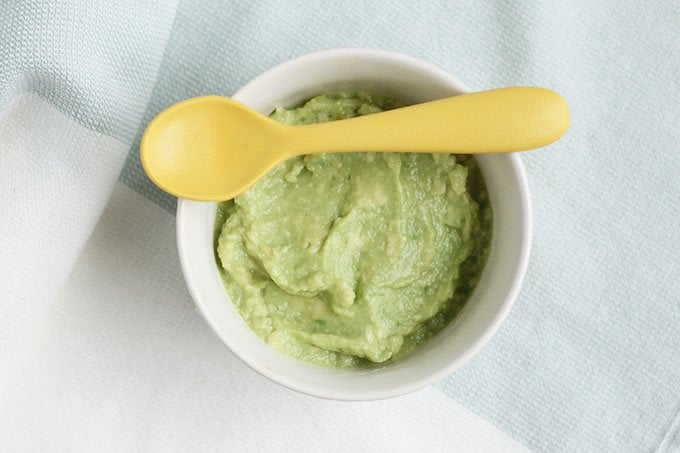
- Avocado Puree: Although botanically a fruit, avocado is nutritionally a fat source. It provides healthy monounsaturated fats critical for brain development.
- Mango Puree: Rich in Vitamin C and folate, mangoes provide a tropical flavor profile. They can be pureed from fresh fruit or thawed frozen chunks.
- Strawberry Puree: Strawberries introduce a different acid profile and high levels of antioxidants. As a no-cook fruit, they are efficient to prepare, though caregivers should monitor for the minor perioral rashes sometimes associated with acidic fruits.
Proteins and Earthy Flavors
- Bean Puree: Legumes such as black beans, chickpeas, or white beans provide essential zinc and protein. These can be prepared in under five minutes using canned (low-sodium) or well-soaked dry beans.
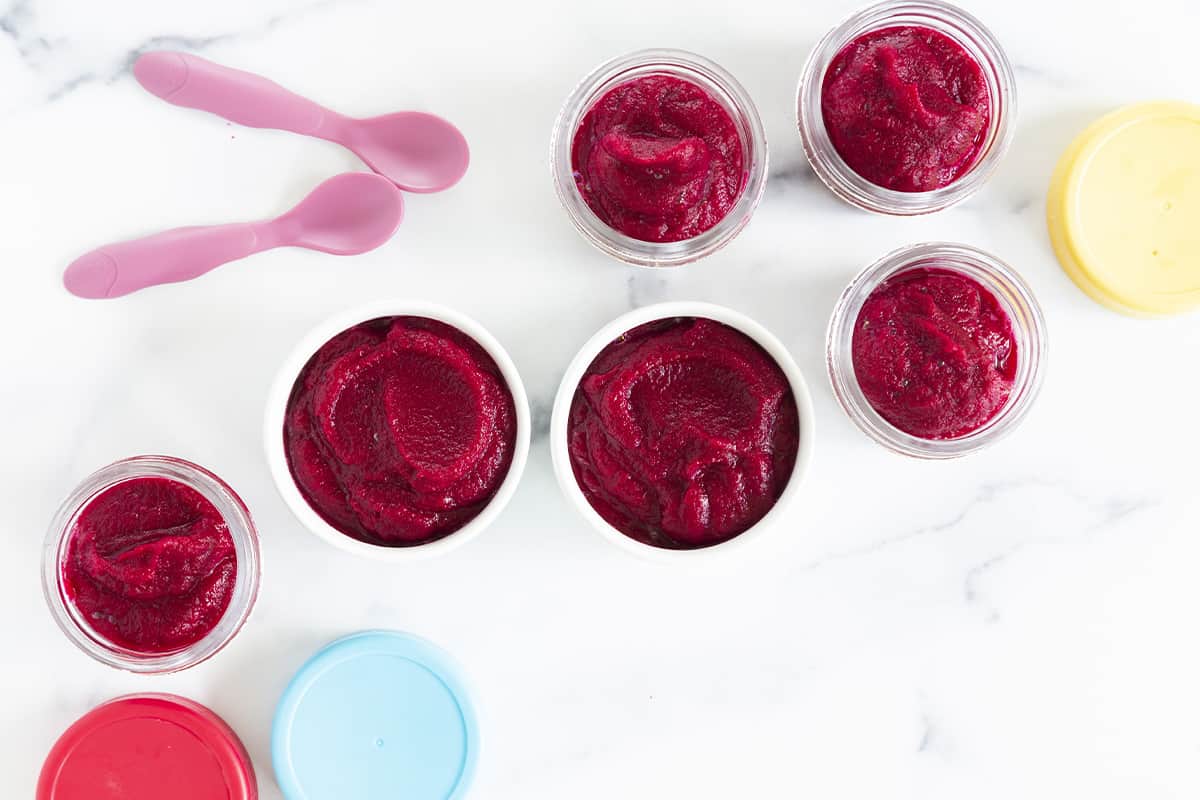
- Beet Puree: Beets offer a distinct earthy flavor and are rich in folate and manganese. Their vibrant color provides significant visual stimulation, which is a key component of sensory feeding.
Comparative Analysis: Homemade vs. Commercial Baby Food
Recent market data indicates a significant shift toward homemade baby food preparation. This trend is driven by two primary factors: economic efficiency and safety concerns. A 2021 report by the "Clean Label Project" highlighted concerns regarding heavy metals (such as lead, arsenic, and cadmium) found in several popular commercial baby food brands. Consequently, many caregivers have turned to whole-ingredient purees to exert greater control over the food chain.

Economically, the cost of a single organic sweet potato—which can yield four to six servings of Stage 1 puree—is a fraction of the price of individual pre-packaged jars. Furthermore, homemade purees allow for the adjustment of thickness, enabling a gradual transition from Stage 1 (liquid-smooth) to Stage 2 (textured) without requiring new purchases.
Safety Standards and Storage Protocols
The safety of homemade infant food is contingent upon strict adherence to hygiene and storage protocols. The USDA Food Safety and Inspection Service provides specific guidelines for the handling of infant nutrition:

- Preparation: All produce should be thoroughly washed. Steaming is the preferred cooking method over boiling to preserve the nutrient matrix of the vegetables and fruits.
- Storage Duration: Freshly prepared purees should be refrigerated for no more than 48 to 72 hours. For longer-term storage, purees can be frozen in silicone trays or glass containers for up to three months.
- Reheating: Caregivers are advised to avoid microwave "hot spots" by stirring food thoroughly and testing the temperature on the inside of the wrist before feeding.
Broader Implications for Public Health
The methodology used during the Stage 1 feeding phase has long-term implications for public health. Research published in the journal Pediatrics suggests that early exposure to a wide variety of vegetable flavors can decrease the likelihood of childhood obesity and improve overall diet quality in adolescence. By focusing on single-ingredient, nutrient-dense foods, caregivers are not just feeding an infant; they are "priming" the metabolic and gustatory systems.
Furthermore, the integration of different feeding styles—such as combining purees with Baby-Led Weaning (BLW) principles—allows for a more flexible approach to infant autonomy. While purees ensure specific caloric and nutrient targets are met, allowing an infant to occasionally grasp a soft-cooked carrot wedge (a BLW staple) fosters fine motor skills and oral-motor development.
Conclusion: The Future of Infant Nutrition
As the understanding of the infant microbiome and nutritional requirements expands, the Stage 1 baby food list remains a foundational tool for parents. The move toward transparent, simple, and homemade ingredients reflects a broader societal commitment to health and wellness from the very first bite. By utilizing a diverse array of fruits, vegetables, and legumes, caregivers can provide a robust start to a child’s lifelong relationship with food, ensuring that the transition to solids is as nutritious as it is exploratory.
The ongoing dialogue between pediatricians, nutritionists, and parents continues to refine these lists, ensuring they remain grounded in the latest scientific data while remaining accessible to the modern household. Stage 1 is more than a phase; it is the beginning of a child’s culinary and biological development.
