

The Logistical Framework of Travel-Safe Toddler Nutrition
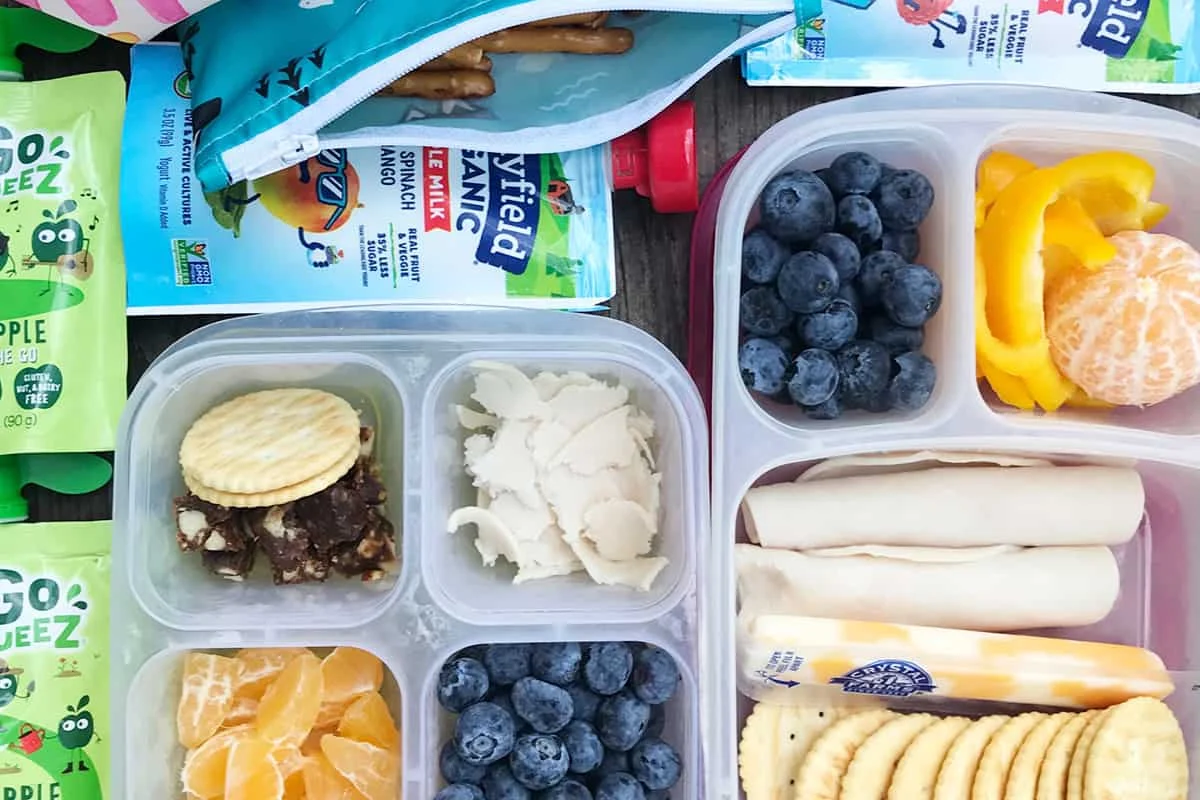
The challenge of maintaining nutritional standards while in transit is a primary concern for caregivers during the summer travel season. According to recent travel industry data, family road trips and air travel increase by approximately 40% during the months of June through August. For parents of toddlers, this mobility necessitates a strategy for "low-mess" snacking that balances caloric needs with the physical limitations of a vehicle or aircraft cabin. Nutritional experts emphasize that the ideal travel snack must meet three criteria: it must be shelf-stable, minimize the risk of choking during movement, and reduce the likelihood of significant spills or stains.
Industry analysis of the toddler snack market—a sector valued at approximately $7.3 billion globally—shows an increasing consumer preference for "clean label" portable foods. However, the practical application of these foods in a travel context requires specific preparation. Experts suggest that containers with specialized spill-proof lids and pre-portioned silicone dividers are essential tools in reducing the "mess factor." Common recommendations for low-mess, high-nutrition options include freeze-dried fruits, which provide the vitamins of fresh produce without the juice and potential for staining; whole-grain crackers with low-sodium profiles; and sturdy vegetables like steamed broccoli florets or carrot batons, provided the child has reached the appropriate developmental milestone for safe mastication.
The Restaurant Dilemma: Kids’ Menus versus Shared Plates
A significant point of contention in pediatric feeding strategies involves the utilization of restaurant "kids’ menus." Historically, these menus have been criticized by public health advocates for a lack of nutritional diversity, often relying heavily on fried proteins, refined carbohydrates, and high-sugar beverages. A study published in the Journal of Nutrition Education and Behavior highlighted that over 90% of kids’ menu items in major restaurant chains exceed the recommended calorie, sodium, and saturated fat limits for a single meal.
In response to these findings, a growing movement within the parental community advocates for "plate sharing" or ordering "side-car" healthy options from the adult menu. This approach serves two primary functions: it exposes the toddler to a wider variety of flavors and textures—essential for preventing "picky eating" later in childhood—and it ensures a more balanced intake of macronutrients. Journalistic observation of dining trends suggests that modern parents are increasingly evaluating restaurants based on their ability to provide flexible portions of whole foods, such as grilled fish, roasted vegetables, and quinoa, rather than the traditional chicken nugget model.
Furthermore, the decision-edge for parents often rests on the toddler’s current temperament and the environment of the establishment. Professional feeding therapists suggest that while sharing a plate is nutritionally superior, bringing a small "safety" container of familiar food can act as a contingency plan to prevent public meltdowns, which often occur due to the sensory overload or delayed service common in restaurant settings.
Seasonal Culinary Adaptation and Thermal Efficiency in the Kitchen
As global temperatures continue to rise, the domestic challenge of "summer cooking" has evolved from a matter of preference to a matter of household efficiency. The use of traditional ovens and stovetops can increase indoor temperatures by several degrees, placing additional strain on residential cooling systems and making the kitchen an uncomfortable environment for both the cook and the family. Consequently, there is a measurable shift toward "no-cook" or "low-heat" meal preparation strategies during the summer peak.
This shift coincides with the peak availability of seasonal produce, such as stone fruits, berries, tomatoes, and leafy greens. The nutritional benefit of these items is highest when consumed raw or minimally processed, which aligns with the goal of reducing kitchen heat. Market data from grocery retailers indicates a seasonal spike in the sales of pre-washed greens, rotisserie chickens, and canned legumes—items that allow for the assembly of nutrient-dense "grain bowls" or "composed salads" without the need for prolonged heat exposure.
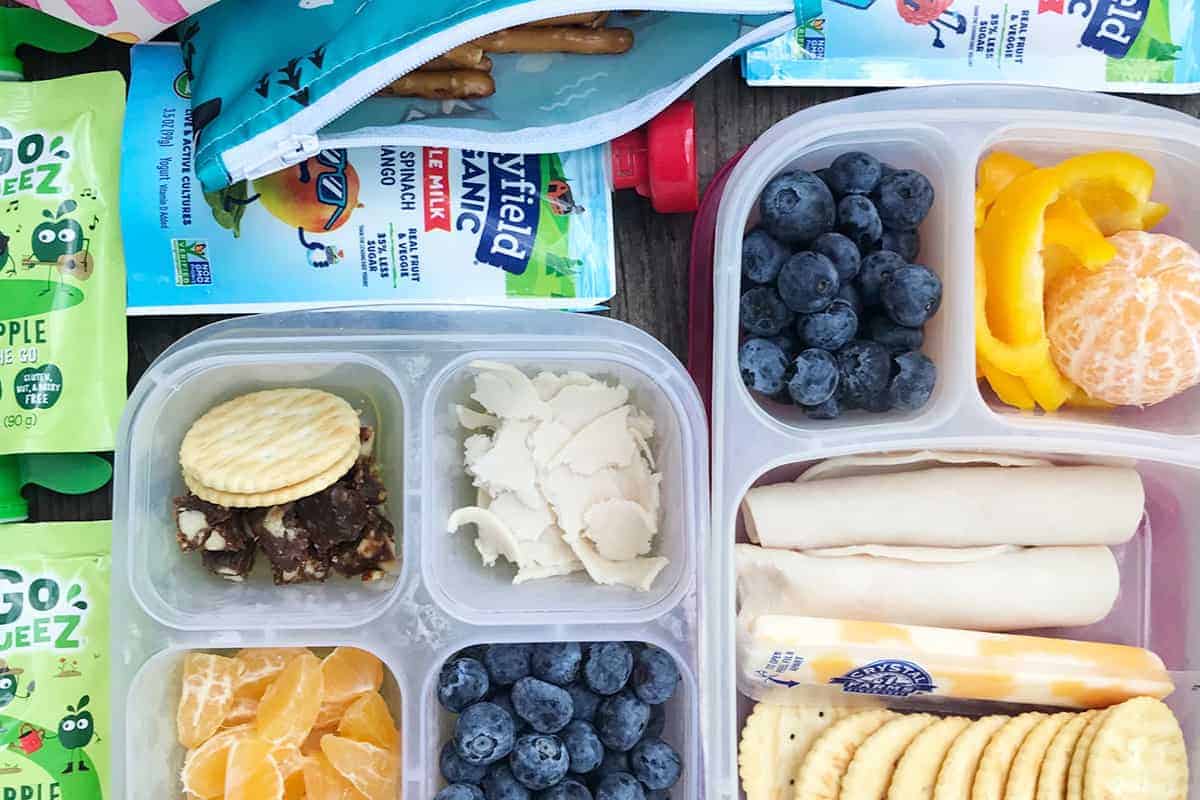
Strategic meal planning during this period involves the "batch-prepping" of proteins during cooler morning hours or the utilization of outdoor grilling to keep heat external to the living space. The integration of toddlers into this process—by allowing them to assist in washing vegetables or assembling cold sandwiches—has been shown to increase their willingness to try new foods, a critical factor in long-term nutritional health.
Chronology of Seasonal Feeding Pressures
The evolution of these parental challenges typically follows a specific annual timeline, beginning in late spring and peaking in mid-summer.
- Late May to Early June: The transition from the structured environment of the school year to summer schedules often creates a "routine vacuum." Parents begin seeking "grab-and-go" solutions for day camps and local outings.
- Late June to July: This period marks the peak of family travel. The demand for portable, low-mess snacks reaches its zenith as families embark on long-distance road trips and flights.
- August: As the "heat dome" effects often intensify in many regions, the focus shifts heavily toward heat-avoidance cooking and the utilization of high-water-content produce to ensure toddler hydration.
- Late August: The "Back-to-School" transition begins, requiring a pivot back to lunchbox-friendly meals and more rigid dinner schedules.
Economic Context and the Rise of Community-Based Support
The modern landscape of family feeding is also shaped by economic pressures. With food inflation impacting the cost of fresh produce and protein, parents are increasingly looking for ways to reduce food waste. Subscription-based communities, such as the YTF Community, have emerged as a response to this need. These platforms provide more than just recipes; they offer customizable meal plans and shopping lists designed to optimize the use of ingredients across multiple meals.
Economists note that the "subscription economy" in the parenting sector is driven by the value of time and the reduction of "decision fatigue." For a monthly or annual fee, parents outsource the cognitive labor of meal planning, ensuring that they are purchasing only what is necessary and that those ingredients will be accepted by their children. This model reflects a broader societal trend toward curated, expert-led content in an era of information overload.
Broader Impact and Implications for Public Health
The strategies discussed by communities like YTF have implications that extend beyond individual households. The establishment of healthy eating habits during the toddler years is a primary determinant of health outcomes in adulthood, including the prevention of obesity, Type 2 diabetes, and cardiovascular disease. By simplifying the process of providing whole foods during high-stress periods like travel or extreme heat, these strategies lower the barrier to entry for consistent nutritional care.
Furthermore, the emphasis on "low-mess" and "restaurant-friendly" feeding recognizes the psychological reality of modern parenting. Reducing the stress associated with public feeding and household chores contributes to improved parental mental health and more positive family dynamics. As the "YTF Community" and similar organizations continue to grow, they represent a significant shift in how nutritional information is disseminated—moving away from clinical directives toward practical, lived-experience-based solutions.
In conclusion, the management of toddler nutrition during the summer requires a sophisticated blend of logistical planning, nutritional knowledge, and economic pragmatism. Whether through the careful selection of travel-safe snacks, the strategic navigation of restaurant menus, or the adoption of heat-efficient cooking methods, caregivers are increasingly relying on structured communities to navigate the complexities of modern family life. The ongoing evolution of these strategies will likely continue to influence the food industry, public health initiatives, and the daily lives of families worldwide.
