

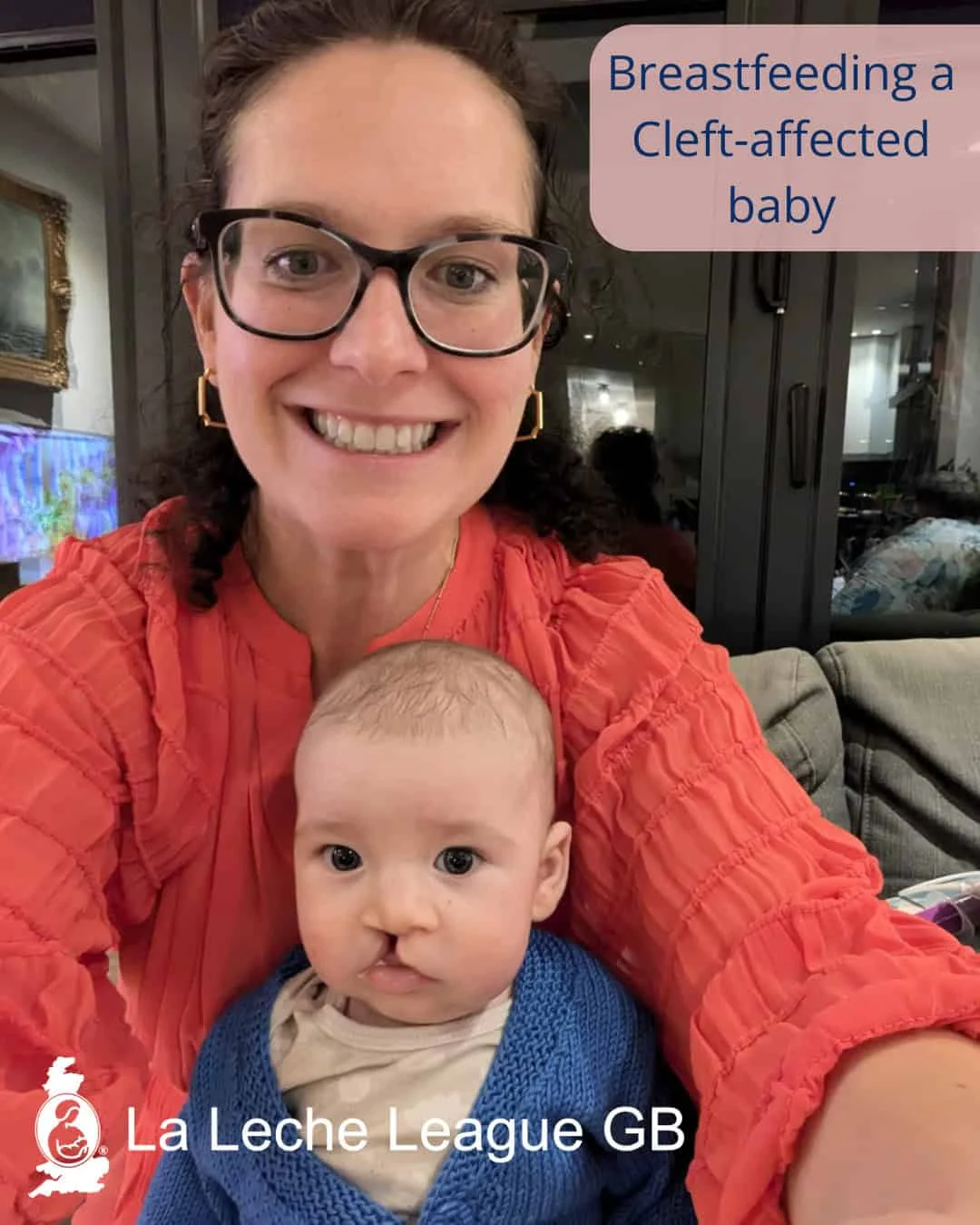
When a baby is born with a cleft lip or palate, a condition where the structures forming the upper lip or roof of the mouth fail to fuse during fetal development, parents often face a unique set of challenges, particularly concerning feeding. Affecting approximately 1 in 700 babies globally, cleft conditions necessitate careful adaptations to ensure adequate nutrition and support for both infant and parent. While babies with a cleft lip may often breastfeed with some modifications, those with a cleft palate typically cannot generate the necessary suction pressure to extract milk efficiently until surgical repair. This reality underscores the critical need for comprehensive support, adaptive feeding strategies, and sustained perseverance from families and healthcare providers alike.
Understanding Cleft Conditions and Immediate Feeding Implications
Cleft lip and palate are among the most common birth anomalies. A cleft lip, which can range from a small notch to a complete separation extending into the nose, primarily affects the ability to form a seal around the breast. A cleft palate, an opening in the roof of the mouth, poses a more significant challenge as it prevents the creation of negative pressure essential for sucking. This structural difference means milk can escape into the nasal cavity, and the baby cannot effectively draw milk from the breast. The diagnosis, whether antenatal or at birth, often triggers a mix of emotions, from concern about their child’s health to anxiety about practical aspects like feeding. However, with the right guidance and resources, breastfeeding remains a viable and highly beneficial option for many cleft-affected infants, offering invaluable nutritional and immunological advantages.
The Crucial Role of Early Intervention and Multidisciplinary Support

Upon diagnosis, parents are typically introduced to a specialized cleft care team. This multidisciplinary group often includes plastic surgeons, pediatricians, speech and language therapists, audiologists, orthodontists, and crucially, specialist nurses and lactation consultants. This integrated approach ensures that all aspects of the child’s care, from surgical planning to feeding support, are addressed holistically. For breastfeeding, early intervention is paramount. Expectant parents who receive an antenatal diagnosis can begin researching and planning, mentally preparing for potential adaptations and connecting with support networks. Post-birth, immediate access to lactation support is vital to help mothers establish and maintain milk supply, regardless of the baby’s initial ability to latch directly. Organizations such as La Leche League (LLL) play a significant role in providing peer-to-peer support, practical advice, and emotional encouragement, often bridging gaps in clinical care. LLL Leaders, for instance, are available to guide families through their feeding journey, from initial diagnosis to post-surgical recovery.
Establishing and Maintaining Milk Production: The Foundation of Feeding Success
The cornerstone of breastfeeding a cleft-affected baby, especially one unable to latch effectively, is establishing and maintaining a robust milk supply. Human milk offers unparalleled protection and nutritional benefits, which are even more critical for infants facing surgery and potential vulnerabilities. These benefits include vital antibodies that bolster the immune system, growth factors that aid healing, and easily digestible nutrients.
- Initiation and Frequency: Ideally, mothers should begin expressing or feeding within the first few hours after birth. The breasts learn how much milk is needed in the early days, and frequent milk removal signals the body to produce a full supply. Most mothers need to breastfeed or express 8-12 times in 24 hours during the first month to establish this supply. This frequency is more critical than the duration of each session.
- Efficient Expression: For babies who cannot feed directly or efficiently from the breast, expressing milk becomes the primary method of maintaining supply. A double electric "hospital-grade" breast pump is often recommended for its efficiency, particularly for mothers needing to express all or most of their milk. Cleft specialist nurses can frequently facilitate access to these pumps, either through borrowing schemes or rental options. While some mothers find success with smaller pumps or hand expression, the hospital-grade models offer the most effective milk removal, crucial for signaling high production.
- The Challenge of Sustained Pumping: Maintaining a full milk supply through exclusive or frequent expression is undeniably demanding, especially in the initial weeks. Parents are encouraged to seek extensive practical support from partners, family, and friends to allow them to focus on their baby and milk production. While the first few weeks are often the most arduous, many mothers find that they can gradually reduce expression frequency later while still maintaining the same volume of milk.
Adaptive Feeding Strategies in the Early Days
In the immediate postpartum period, babies consume small amounts of milk. If a cleft-affected baby requires more milk than they can take at the breast, various methods can be employed to deliver expressed breast milk, donor milk, or formula.

- Initial Small Feeds: For very small volumes, a syringe or teaspoon can be used to deliver colostrum and early milk.
- Specialized Bottles: As milk production increases, these methods become impractical. Specialized bottles and teats designed for cleft-affected babies are widely available. These often feature longer teats, softer materials, or one-way valves to control flow and minimize the need for strong suction. Cleft specialist nurses are invaluable in advising on the most suitable type for an individual baby.
- Nursing Supplementers (Supplemental Nursing Systems/Lactation Aids): These devices allow a baby to latch onto the breast while simultaneously receiving extra milk through a thin tube positioned alongside the nipple. This method offers numerous benefits:
- Stimulating Milk Supply: The baby’s suckling at the breast, even if not fully effective, still provides stimulation, helping to maintain and potentially increase the mother’s milk supply.
- Skin-to-Skin Contact: It facilitates invaluable skin-to-skin contact, promoting bonding, regulating the baby’s temperature and heart rate, and offering comfort to both mother and child.
- Practicing Latch: It allows the baby to practice latching and feeding at the breast, preparing them for potential full breastfeeding after surgery.
- Psychological Benefits: For mothers, it can fulfill the desire to breastfeed directly, providing immense emotional satisfaction and a sense of normalcy amidst the challenges. As one mother eloquently put it, "I was already breastfeeding."
Navigating Nursing Supplementers: Techniques and Tips
Using a nursing supplementer requires practice and perseverance. There are generally three types: a bag or bottle system that hangs around the mother’s neck, a syringe system, or a tube taped to the breast connected to a milk source.
- Delivering Milk: Babies with a cleft palate often lack the suction to draw milk through the supplementer. Therefore, the supplemental milk often needs to be delivered. With bag or bottle systems, gently squeezing can facilitate flow. A small hole in the bottle/bag top can also help gravity feed the milk.
- Syringe Method: For precise control, a syringe can be used. This involves drawing expressed milk into a syringe, attaching the supplementer tube to the syringe tip, and gently pressing the plunger to deliver milk as the baby suckles at the breast. This method allows the mother to control the flow rate, preventing overwhelming the baby.
- Practical Tips for Success:
- Preparation: Have all components clean and ready before feeding.
- Positioning: Ensure both mother and baby are comfortable. The baby should be well-supported, and the mother’s hands free as much as possible.
- Latching: Help the baby achieve a deep latch, covering as much of the areola as possible.
- Tape for Stability: Taping the tube to the breast can prevent it from dislodging.
- Flow Control: Observe the baby’s cues for swallowing and breathing, adjusting the milk flow accordingly to prevent choking or gulping.
- Patience and Support: It takes time to master. Working with a breastfeeding supporter experienced in supplementers can be incredibly beneficial.
Optimizing Feeding Positions for Cleft-Affected Babies
Finding a comfortable and effective feeding position is crucial. The goal is to support the baby’s head and neck, allow for easy swallowing, and minimize milk reflux into the nasal passages. There is no single "correct" position; what works best is highly individual.
- Upright Positions: Many mothers find upright or semi-upright positions beneficial, as gravity can help milk flow down the esophagus rather than into the nasal cavity.
- Football Hold (Clutch Hold): The baby’s body is tucked under the mother’s arm, with their head at the breast. This provides good head support and allows the mother to see the baby’s mouth.
- Cradle Hold: While common, some adaptations may be needed to ensure sufficient head support and an upright angle.
- Upright Straddle Position: The baby sits upright on the mother’s lap, facing the breast. This position can be very effective for maintaining an upright posture.
- Supporting the Cleft: For babies with a cleft lip, gently compressing the breast tissue around the cleft can help create a better seal. For a cleft palate, an upright position is often prioritized to reduce nasal regurgitation.
- Comfort and Observation: Regardless of the position, ensuring the baby is comfortable, well-supported, and showing signs of effective swallowing (not just sucking) is key. Regular breaks for burping are also important.
Feeding at the Breast After Surgery: A New Phase of Adaptation

Cleft palate repair surgery typically occurs between 6 and 12 months of age, depending on the child’s development and the severity of the cleft. For babies who were unable to breastfeed directly before surgery, this marks a significant milestone. If mothers plan to breastfeed directly post-surgery, maintaining some level of direct breast contact (even with a supplementer) beforehand can help the baby "remember" how to latch and associate the breast with milk.
Post-surgery, babies may initially struggle to feed at the breast for several weeks. Their mouth anatomy has changed, and they need time to build strength and adapt to the new oral structure. During this recovery period, continuing to express milk frequently is vital. Breast milk provides essential nutrients and immunological support, aiding in healing and reducing the risk of post-operative complications. With patience, continued support, and a strong milk supply, many babies successfully transition to full direct breastfeeding after palate repair, realizing the full benefits of this natural feeding method.
The Broader Impact: Psychological Well-being and Long-Term Health
The journey of breastfeeding a cleft-affected baby extends beyond mere nutritional intake. It profoundly impacts maternal mental health, infant development, and long-term health outcomes. The initial diagnosis and the subsequent feeding challenges can be emotionally taxing, leading to feelings of anxiety, guilt, or isolation. Support from partners, family, healthcare professionals, and peer groups is crucial in mitigating these stressors. Successfully navigating these challenges, particularly achieving direct breastfeeding, can empower mothers and foster a deep sense of accomplishment and connection with their child.
From a public health perspective, supporting breastfeeding for cleft-affected infants can have significant implications. Breastfed babies generally experience fewer infections, especially ear infections, which are common among children with cleft palates due to Eustachian tube dysfunction. Reduced infection rates can lead to fewer hospital visits, lower healthcare costs, and a better quality of life for the child. Furthermore, the oral motor skills developed during breastfeeding can potentially contribute to improved speech development later on, although this area requires more specific speech therapy intervention. The resilience demonstrated by families, coupled with dedicated medical and community support, ensures that these children not only survive but thrive.

In conclusion, while the prospect of breastfeeding a cleft-affected baby can seem daunting, it is far from impossible. With early diagnosis, a robust support system from a multidisciplinary cleft team and organizations like La Leche League, diligent milk supply maintenance, and adaptive feeding techniques, mothers can successfully provide their babies with the invaluable benefits of breast milk. The journey requires perseverance, but the profound rewards of nourishing and bonding with their child through breastfeeding make every effort worthwhile. This commitment to care not only addresses immediate feeding needs but also lays a strong foundation for the child’s overall health and development, transforming potential obstacles into triumphs of dedication and love.
