

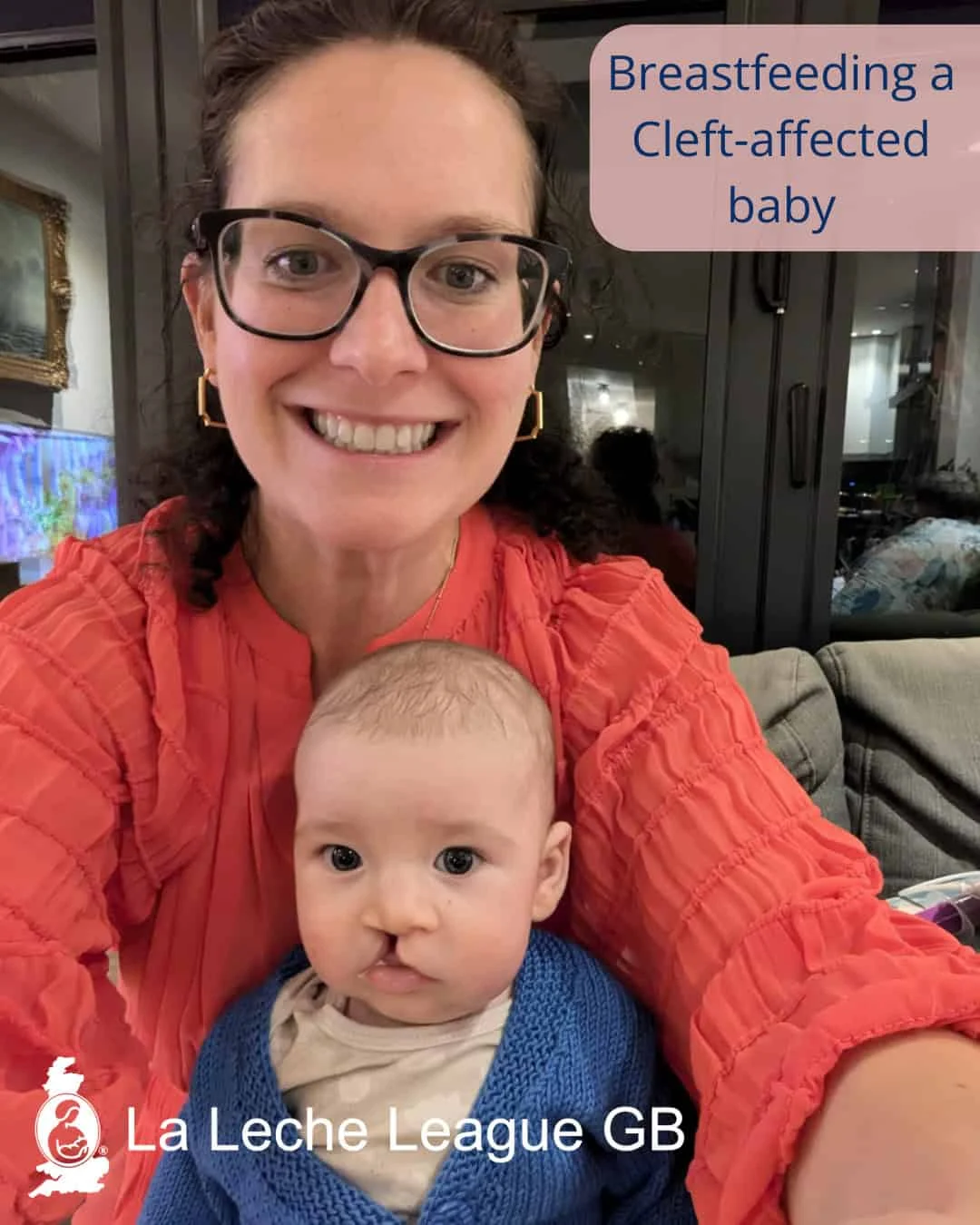
The journey of impending parenthood is often filled with anticipation and detailed planning, but for some, it takes an unexpected turn, presenting significant challenges that test resilience and resourcefulness. This was the experience of Sarah Muir-Little, whose commitment to breastfeeding her son, Russell, born with a cleft lip and palate, challenged conventional medical advice and led to an extraordinary path of adaptation and perseverance. Her story highlights the profound impact of antenatal diagnoses, the critical role of informed support, and the innovative spirit required to overcome complex feeding difficulties in infants with special needs.
Antenatal Diagnosis and Initial Medical Perspectives
The initial weeks of Sarah’s pregnancy had been overshadowed by a family medical crisis, leaving little room for the typical excitement of expecting a child. At the 20-week anomaly scan, after learning they were expecting a boy, the news took a sharp turn. The sonographer’s question, "Have you heard of a cleft lip?", marked the beginning of a challenging period. A subsequent discussion with a midwife delivered a stark message: due to the anticipated cleft lip and palate, direct breastfeeding would likely be impossible. This initial assessment, while common in such cases, immediately presented a significant emotional hurdle for Sarah, who had successfully breastfed her toddler and deeply valued the experience as central to her maternal identity.
The diagnosis of a cleft lip and palate occurs when the structures forming the baby’s upper lip or the roof of the mouth (palate) fail to join completely during fetal development. This congenital condition affects approximately 1 in every 700 babies born in the UK, making it one of the most common birth differences. While a cleft lip alone often allows for modified breastfeeding, a cleft palate presents a more complex challenge. The inability to form a complete seal in the mouth prevents the necessary suction pressure required to draw milk from the breast, making direct feeding impractical until surgical repair. Organizations like the Cleft Lip and Palate Association (CLAPA) in the UK play a crucial role in supporting affected families by providing information, resources, and community networks.
For Sarah, the news was deeply upsetting. Having recently weaned her first child in preparation for nursing the new baby, the prospect of being unable to breastfeed her second son felt like a significant loss, prompting a period of grief. However, a specialist nurse provided a crucial glimmer of hope, clarifying that while traditional breastfeeding might be challenging, a modified "breastfeeding journey" was still possible. The full extent of Russell’s condition, particularly the involvement of the palate, would only be confirmed after birth, but the specialist also outlined the typical surgical pathway: two operations within the first year to repair the lip and palate, with potential further procedures in later childhood. This information, while daunting, also provided a framework for understanding the road ahead.
Proactive Research and Innovative Feeding Strategies
Undeterred by the initial prognosis, Sarah embarked on an exhaustive search for information and successful case studies. She consulted the websites of CLAPA and La Leche League, alongside other reputable sources, specifically looking for examples of breastfeeding success following palate surgery. The number of such accounts was limited, but those she found offered two critical insights:
- Maintaining Milk Supply: A robust milk supply was identified as essential.
- Facilitating Milk Transfer: Methods for delivering milk to the baby at the breast without requiring suction were crucial.
The first point, maintaining supply, felt within her control. Sarah had previously established a sufficient supply for her toddler, despite finding pumping challenging and inefficient with her existing equipment. She recalled spending months hand-expressing small quantities to build a freezer stash, ultimately realizing she could produce more milk than she thought possible. With improved knowledge and potentially better equipment, she was confident in her ability to meet Russell’s milk demands. This belief underscores the importance of parental self-efficacy and access to accurate lactation support.
Addressing the second point, facilitating milk transfer, led her to explore various methods, including direct hand expression into the baby’s mouth and the use of nursing supplementer systems. The latter seemed a more sustainable option for long-term feeding. Nursing supplementers are devices that allow a baby to receive supplementary milk (expressed breast milk or formula) via a thin tube while simultaneously latched at the breast. This simulates breastfeeding, providing the baby with nourishment and supporting the mother’s milk supply through stimulation, even when the baby cannot create adequate suction.
In the UK market, two primary nursing supplementer systems are available for babies with clefts. Both involve a bottle connected to a thin tube that is positioned in the baby’s mouth while latched. Sarah acquired both systems for evaluation. One operated on gravity, resulting in a slow milk flow, which might not meet the demands of a hungry newborn. The other featured a squeezable bottle, allowing for faster delivery, but its design made it awkward to hold, particularly when trying to manage a baby simultaneously.
Medical professionals often recommend the "dancer hand hold" for babies who struggle with latch, such as those with low muscle tone or prematurity. This technique involves using the index finger and thumb to form a ‘U’ shape, cradling the baby’s chin, which provides support and helps maintain attachment. However, Sarah found practicing this hold with a doll, while also managing a supplementer bottle, to be exceptionally difficult, suggesting a significant practical hurdle in translating theoretical advice into real-world application. Neither of the commercial supplementer systems felt intuitively right for her.
Russell’s Arrival and Early Feeding Innovations
Baby Russell arrived, confirming the presence of a cleft lip and palate. The immediate feeding strategy involved administering expressed colostrum via a syringe, accompanied by a finger in his mouth to encourage a natural sucking reflex while Sarah’s milk supply increased. The overarching plan was to transition to feeding at the breast with a supplementer.
An unexpected practical challenge arose with the feeding syringes. Some ordered by the family had unsuitable ends for direct feeding but, by a fortunate coincidence, perfectly fitted the supplementer tube. The midwife team assisted by sourcing larger syringes from the labor ward. These had different ends but came with screw-on caps, which Sarah ingeniously modified by drilling a snug hole for the supplementer tube. This improvisation highlights the necessity of adaptability and creative problem-solving in challenging healthcare situations. It also underscores the importance of healthcare providers being open to and supportive of patient-led innovations, provided safety guidelines are meticulously followed. For instance, when using regular syringes for colostrum, it is crucial to remove caps (choking hazard) and ensure slow feeding, observing the baby for comfort and safety.
The conventional advice for using a supplementer typically involves either inserting the tube into the baby’s mouth after latching or taping it to the breast before the baby latches, ensuring the tape is positioned away from the mouth. Sarah found both approaches problematic. The former was unfeasible given Russell’s fragile latch, which would break if she attempted to insert the tube mid-feed. The latter, taping a long section of tube, seemed too cumbersome for a newborn’s small mouth and often resulted in the baby bobbing on and off the breast.
Determined to find a workable solution, Sarah decided to tape the tube very close to the nipple, facilitating easier insertion into Russell’s mouth. This required experimentation with different tapes and positions to find one that was secure enough to withstand moisture and allowed for a decent latch. This trial-and-error process often led to frustration and distress for both mother and baby, as milk was frequently lost due and the tape sometimes compromised the latch.
Despite these difficulties, Sarah persisted. She sought assistance from various sources, but many healthcare professionals lacked direct experience with her specific, highly individualized approach, and some expressed concerns about potential aspiration (choking on milk). This period underscored the profound determination required by parents navigating atypical feeding methods, often feeling isolated in their efforts. However, Sarah’s unwavering belief in her method, which she felt was capable of delivering an adequate amount of milk at a safe speed, propelled her forward. This innovative, parent-led approach, though unconventional, ultimately provided a functional feeding system during a demanding week that combined the joy of a home birth with the frustrations of complex feeding challenges.

Optimizing Positioning and Overcoming Skepticism
The early weeks were characterized by ongoing struggles with feeding positions. The recommended "dancer hold" continued to be challenging, causing stress for both Sarah and Russell. Russell frequently struggled to latch, bobbing on and off the breast. Observing that he calmed when offered the untaped breast for direct expression, Sarah knew he was hungry; the challenge lay in achieving a calm, consistent latch with the supplementer.
Sarah had predominantly used the cradle hold for her toddler, finding it the most natural position. After consulting with a specialist at Great Ormond Street Children’s Hospital, a renowned center for pediatric care, they decided to continue with the cradle hold. While this position sometimes resulted in more milk loss from the side of Russell’s mouth due to the cleft, it was deemed more appropriate for a newborn and was familiar to Sarah, promoting relaxed feeds. Initial advice to plug the lip cleft with the breast or keep the cleft side elevated to minimize milk loss, while seemingly logical, was secondary to the immediate goal of calm, deep latches in a comfortable position. In those initial weeks, feeds were often messy, with both mother and baby frequently getting wet from lost milk. Despite the fiddliness and frustration, Sarah felt the effort was profoundly worthwhile.
Over time, mother and son developed a symbiotic feeding rhythm. Sarah learned to pace the milk delivery through the syringe, pausing when Russell paused, meticulously observing his cues to ensure the flow was neither too slow (requiring excessive sucking efforts) nor too fast (overwhelming him). She also learned to manage the syringe refilling process, either by putting Russell down or holding him in a way that didn’t create an expectation of continuous milk flow, preventing distress.
The profound impact of their efforts was validated by external observations. A friend, initially questioning Sarah’s extensive efforts to "bridge the gap" until Russell could potentially breastfeed after surgery, witnessed a feeding session and remarked, "I get it: you are already breastfeeding." Another friend, observing them across a restaurant, commented, "Oh, so the worries about Russ not being able to breastfeed didn’t come to fruition!" Such affirmations provided immense emotional reinforcement, confirming the validity of their unique journey.
However, the path was not without its detractors. A pediatrician, for instance, expressed reservations about their chosen method, stating it wasn’t recommended and that specialist cleft bottles were "safe and effective." This implied a critique of their approach, causing emotional distress. Such comments from healthcare professionals, despite their good intentions, can be deeply disheartening for parents pursuing alternative, yet effective, feeding methods. Sarah’s unwavering conviction, supported by Russell’s consistent weight gain and evident enjoyment of feeding at the breast, provided the necessary resilience to dismiss these negative remarks. She acknowledged that while she didn’t "love" needing the supplementer, she cherished the fact that they were breastfeeding "the best we can and getting all the benefits," emphasizing the holistic value of their feeding bond.
Evolution of Feeding and Long-Term Journey
As Russell grew, their feeding dynamic continued to evolve. Around ten weeks of age, Russell began to show discomfort with the tape in his mouth. This prompted a further adaptation: taping the tube much further from the nipple, and eventually, eliminating the tape altogether. This advanced technique required considerable coordination, but with their established rhythm and mutual understanding, it became manageable.
The journey was not linear. There were moments that felt like setbacks, where Russell would become upset or refuse to feed. During these times, Sarah adopted a crucial perspective: recognizing that Russell was a baby first, and a baby with a cleft second. She would first consider if the issue was a common developmental challenge faced by all infants, such as becoming easily distracted around three months of age and refusing feeds if external stimuli were present. This approach helped in distinguishing cleft-related issues from typical infant behaviors, providing a more balanced and less stressful response.
Surgical Interventions and The Breakthrough
Russell underwent surgery to reconstruct his lip and hard palate shortly before his first birthday. The recovery period presented new challenges. Immediately after the morphine wore off, Russell initially refused to feed from anything other than a bottle. However, once he resumed feeding from the supplementer, he then rejected bottles, perhaps associating them with the difficult post-operative days, or simply finding the supplementer less effort. This fluctuating preference underscored the ongoing need for flexibility and patience.
The process of expressing milk daily and managing all feeds was physically and emotionally exhausting. Throughout this demanding period, the unwavering support of Sarah’s husband was invaluable. He handled bottle washing, took on night feeds while Sarah pumped, and provided crucial reassurance during difficult moments. Their journey became a testament to teamwork, navigating a complex path together. Every day they continued with the supplementer was viewed as a bonus, contributing to Russell’s health and strengthening their bond, reinforcing the belief that any effort was superior to not trying at all. Sarah expressed immense pride in their shared achievements.
A significant breakthrough occurred after Russell’s palate surgery. The surgeon advised avoiding suction for a month to allow for healing. Yet, almost immediately, Sarah could feel Russell attempting to suck for the very first time—a remarkable and long-awaited sensation. Four weeks later, he independently discovered how to use a straw, and the very next day, he began to suck and swallow at the breast directly. This pivotal moment marked the transition from assisted feeding to unassisted direct breastfeeding.
From this point, progress was gradual but steady. The reliance on the supplementer decreased progressively as Russell learned to extract more milk independently. After 15 months of daily pumping, a demanding and continuous commitment, Sarah was finally able to stop. While Russell’s latch was initially atypical, it was effective and ensured his contentment and nourishment. He now breastfeeds once or twice a day, a profound achievement that once seemed impossible. Their continued journey is now characterized by an open-ended approach, embracing whatever the future holds.
Broader Implications and Expert Perspectives
The Muir-Little family’s journey offers critical insights for families facing similar challenges and for the healthcare community at large. It underscores that an antenatal diagnosis of cleft lip and palate does not necessarily preclude a breastfeeding relationship, even if it requires significant adaptation and perseverance. The benefits of breast milk for any infant are well-documented, including enhanced immunity, optimal nutrition, and improved cognitive development. For babies with clefts, these benefits can be even more pronounced, potentially aiding in oral motor development and providing protective factors against common complications like ear infections, which are more prevalent in this population.
This case also highlights the varying levels of experience and advice within the healthcare system regarding feeding cleft-affected babies. While standard protocols often focus on specialized bottles, Sarah’s story illustrates the potential for individualized, parent-led solutions, particularly when supported by informed specialists. It advocates for a patient-centered approach that balances medical safety with parental goals and emotional well-being. The initial advice that breastfeeding was impossible, though based on common challenges, did not fully account for the potential for innovative adaptation.
The resilience displayed by Sarah Muir-Little and her husband, coupled with their proactive research and creative problem-solving, exemplifies the power of parental advocacy. Their success story, achieved through a combination of determination, careful observation of their baby’s cues, and a willingness to improvise, serves as an inspiring example for others. It emphasizes the importance of a strong support network, both within the family and through organizations like CLAPA and La Leche League, which provide vital resources and encouragement.
The journey of breastfeeding a baby with a cleft lip and palate is undeniably complex, requiring immense dedication. However, as demonstrated by Russell and Sarah, it is a journey that can lead to deeply rewarding outcomes, not just in terms of infant nutrition and health, but also in strengthening the unique bond between mother and child, defying initial expectations and redefining what is possible. The Muir-Little family’s experience offers a compelling narrative of hope, innovation, and the enduring power of a mother’s resolve.
