

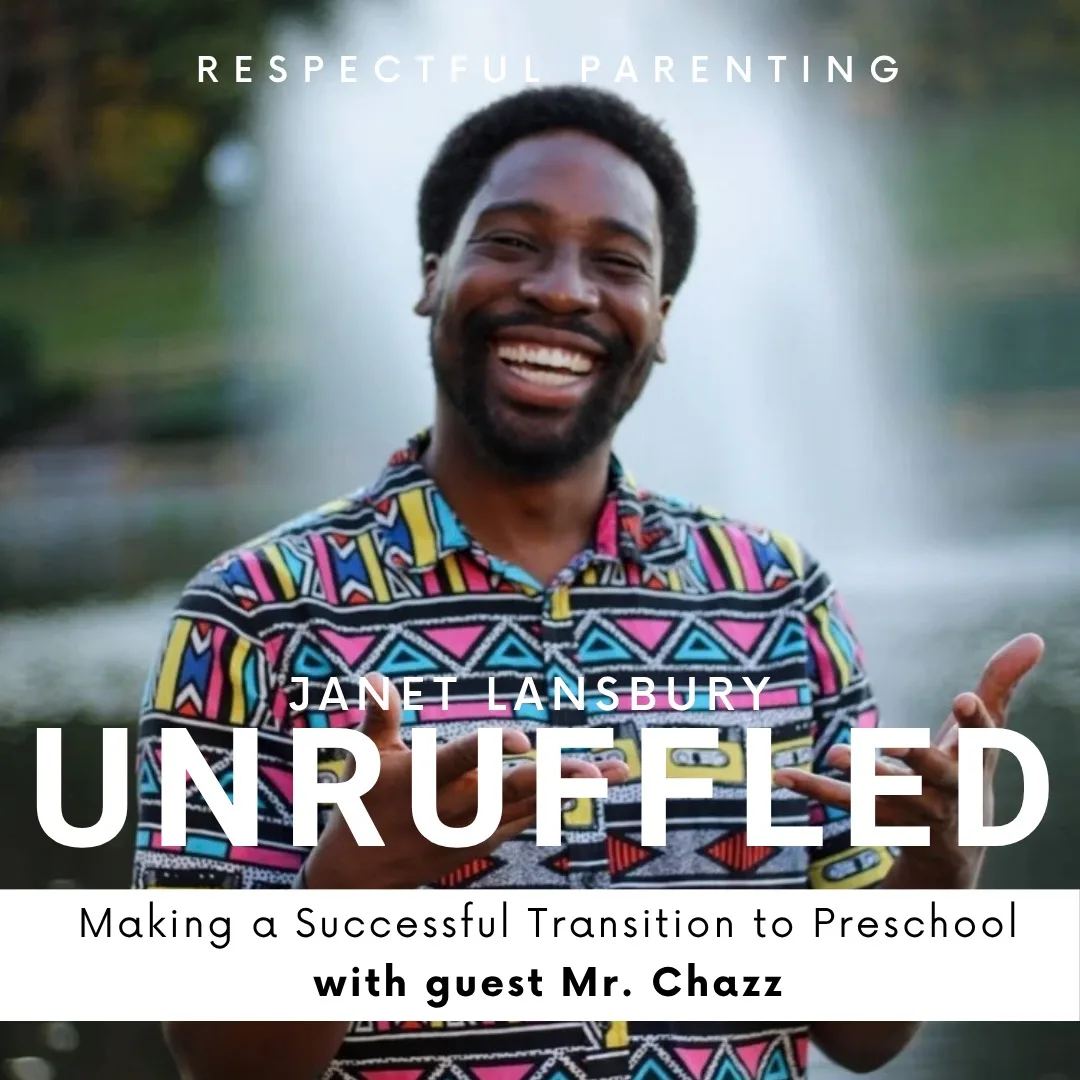
Iconic educator Mr. Chazz recently joined Janet Lansbury on her podcast, "Unruffled," to discuss strategies for navigating the critical transition period for children entering preschool or childcare. The conversation, recorded on October 5, 2025, delved into the foundational principles of trust, connection, and emotional attunement, offering practical advice for both parents and educators. Mr. Chazz, widely recognized as "America’s favorite teacher," shared insights from his innovative childcare center, Birdhouse, in Brooklyn, emphasizing a child-centered approach that prioritizes emotional well-being alongside early learning.
A New Paradigm for Early Childhood Education
Mr. Chazz, whose engaging presence has garnered a significant following on platforms like TikTok and Instagram, has channeled his expertise into establishing Birdhouse, a childcare center designed to be a model for future early childhood facilities. His philosophy centers on creating environments where both children and educators feel supported and valued, a stark contrast to what he describes as the "99% of childcare centers" that often prioritize adult convenience over the child’s developmental needs.
"We often do things for the convenience of the adult rather than what’s best for the child or the teachers or even the family unit," Mr. Chazz stated during the podcast. He elaborated that this often stems from the pressures and responsibilities that adults face, leading to rushed transitions that can undermine a child’s sense of security.
Birdhouse’s innovative approach begins with its staff. The head teacher resides in an apartment above the center, a measure designed to alleviate financial burdens and foster a sense of commitment and well-being among educators. This ensures that teachers are not in a "survival state," allowing them to dedicate their full attention and emotional resources to the children. This focus on teacher support is crucial, as high turnover rates in the early childhood education sector have been a persistent challenge, impacting the consistency of care that young children require.
Redefining "Drop-off" and "Pick-up"
A significant portion of the discussion focused on reimagining the daily arrival and departure rituals at childcare centers. Mr. Chazz advocates for replacing the often abrupt "drop-off" with a more intentional "arrival" and "reunion" process. This shift in language is accompanied by a structured approach that encourages connection and integration.
At Birdhouse, the arrival process is designed to be a gradual immersion into the school environment. Parents and children are encouraged to engage in a series of steps, often guided by visual cues like a routine card. These steps typically include:
- A Moment of Connection: This can be a high-five, hug, or fist bump with Mr. Chazz or another "safekeeper" (the term used for educators at Birdhouse). The form of connection is individualized to each child’s preference, with the option to pass if the child isn’t ready.
- Storing Belongings: Children are guided to place their belongings in their designated hook or cubby.
- Transitioning to Indoor Footwear: To maintain hygiene, children remove outdoor shoes, often guided by visual shoe prints on the floor.
- Hand Washing: Parents assist their children with hand washing, reinforcing hygiene practices.
- A Pre-Departure Connection: A final, brief moment of connection between parent and child is encouraged before the parent departs. This could be a quick game or a hug.
This structured arrival, while taking more time than a hurried drop-off, aims to create a sense of safety and belonging, enabling children to transition more smoothly into learning and play. Mr. Chazz emphasized that this process is not about forcing a connection but about creating an inviting space where it can naturally unfold.
Building Trust and Connection: The Role of "Safekeepers"
The term "safekeepers" for educators at Birdhouse underscores the primary role of emotional security in their approach. Mr. Chazz detailed how these safekeepers actively engage with children, observing their interests and responding with empathy. This involves:
- Meeting Children Where They Are: Rather than pressuring children to engage, safekeepers look for windows of interest and gently invite exploration.
- Observing and Reflecting: Using on-site cameras not for disciplinary purposes but as a tool for reflection and professional development, allowing educators to analyze interactions and refine their strategies.
- Acknowledging Emotions: When children experience distress, such as during separation from parents, safekeepers acknowledge these feelings openly and empathetically, rather than dismissing them. This allows children to feel seen and understood, facilitating their emotional regulation.
Navigating Difficult Transitions: A Real-World Example
Mr. Chazz shared a poignant anecdote about a child experiencing significant distress during separation. Despite the structured arrival process and prior introductions, the child was inconsolable, wanting their mother to stay. In this challenging situation, the safekeepers’ response exemplified their philosophy:
- Continued Presence and Availability: A teacher remained near the child, offering a reassuring presence without being intrusive. The emphasis was on body language and offering support when needed, such as a hug, rather than forcing interaction.
- Normalizing Emotions: During circle time, when another child pointed out the distressed child crying, the safekeeper acknowledged the emotion openly: "Yes, so-and-so is having a hard time. He’s feeling sad because he’s really wanting his mom and he’s really missing his mom. Let’s all take a deep breath for so-and-so." This communal acknowledgment of feelings helped the other children learn about emotional regulation.
- Modeling Regulation: The entire classroom’s collective deep breath for the distressed child served as a powerful example of co-regulation and emotional support. This also provided a learning opportunity for the parents present, demonstrating how to navigate big emotions without immediate intervention.
Ultimately, after all parents had departed, the child was able to approach a safekeeper for comfort and eventually re-engage in play, demonstrating the effectiveness of a supportive and understanding environment. This story highlights that even with the best preparation, challenging moments are inevitable, but the way they are handled can transform them into profound learning experiences.
Empowering Parents Through Visual Aids and Role-Playing
Recognizing that most parents will not have access to a specialized environment like Birdhouse, Mr. Chazz offered practical strategies for home and traditional childcare settings.
- Visual Routine Cards: Creating simple, left-to-right visual schedules can help children understand the sequence of events during arrival. This empowers both the child and the parent by providing a clear plan. Children can learn to follow these visual cues, fostering independence and reducing friction.
- Photo Albums and Storybooks: Parents can create personalized books or albums featuring photos of the school, the teachers, and the child’s intended activities. This helps children visualize their day, build excitement, and reduce anxiety.
- Role-Playing: Before the first day, parents can engage in role-playing scenarios at home, simulating the arrival routine, including saying goodbye. This practice can make the actual experience less overwhelming and equip children with coping mechanisms. This includes playful goodbyes, reinforcing the positive connection aspect.
- Open Communication with Educators: Mr. Chazz stressed the importance of parents sharing detailed information about their child with educators, especially during the initial adjustment period. This includes preferences for naptime, favorite toys, and any home routines that might differ from school. He noted that teachers, especially in larger groups, need this information to effectively attune to each child’s unique needs.
The Enduring Value of Early Childhood Education
The conversation concluded with a powerful reflection on the profound rewards of working in early childhood education. Mr. Chazz articulated his personal commitment to remaining in the classroom, emphasizing the depth of connection and learning gained from daily interaction with children over broader speaking engagements.
"There’s absolutely nothing more rewarding than being with my kids day in and day out and supporting them and practicing my skills and supporting the parents and teaching the parents," he stated. This "mile deep" approach, he argues, is where true impact lies.
Janet Lansbury echoed these sentiments, expressing her own longing for the direct engagement of teaching after focusing on writing and other endeavors. Both educators agreed that children teach invaluable life lessons, and the continuous learning curve in early childhood education is a testament to its significance.
The discussion underscored that children’s emotional responses during separation are not a sign of weakness but a reflection of their deep capacity for love and connection. By approaching these moments with understanding, empathy, and a belief in the child’s ability to cope, parents and educators can foster resilience and create positive, lasting foundations for learning and development. The commitment to nurturing emotional well-being, as championed by Mr. Chazz and Birdhouse, offers a compelling vision for the future of early childhood care.
