

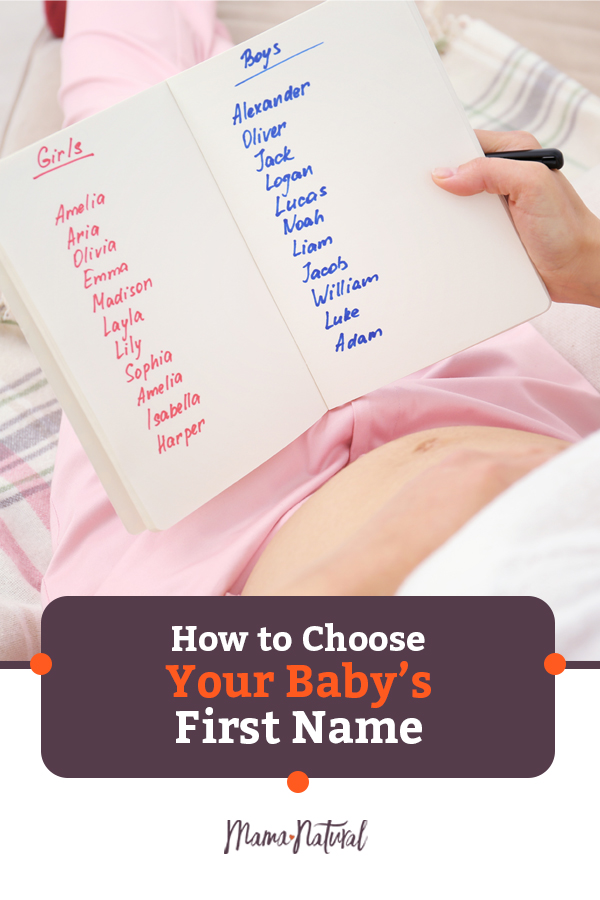
The selection of a child’s first name represents one of the earliest and most significant parental decisions, functioning as a lifelong identifier that influences social perception, self-identity, and even professional trajectories. While traditionally dictated by familial lineage or religious observance, the contemporary landscape of nomenclature has shifted toward a more individualized and strategic process. Parents are increasingly treating the naming process as a multifaceted project, balancing aesthetics, cultural heritage, and phonetic harmony. As the pressure to choose a "perfect" name intensifies, experts and digital resources have emerged to guide families through a process that is as much about psychological branding as it is about tradition.
The Psychological and Sociological Weight of Nomenclature
Sociologists have long noted that a name is the first gift a parent bestows upon a child, yet it is also a social marker. Research into the "name-letter effect" suggests that individuals often have a subconscious preference for things that share the initial letters of their own names, potentially influencing everything from career choices to places of residence. Given these implications, the modern parental approach involves a rigorous vetting process. According to data from the Social Security Administration (SSA), there has been a measurable decline in the dominance of "top ten" names over the last several decades. In the 1950s, a significantly higher percentage of infants were given the most popular names of the year compared to the 2020s, indicating a broad societal shift toward uniqueness and individualization.
This drive for distinction has led to the development of sophisticated digital tools, such as the Mama Natural baby name finder, which allow parents to filter thousands of options by origin, meaning, and popularity. These tools reflect a broader trend in "parent-tech," where data-driven decision-making is applied to the emotional aspects of child-rearing.
Establishing a Foundation Through Collaborative Negotiation
The initial phase of the naming process is characterized by the alignment of parental values and expectations. Conflict often arises when one partner prioritizes tradition while the other seeks modern flair. To mitigate these "first name feuds," communication experts recommend establishing a foundational set of criteria before browsing lists. This includes discussing the desired "vibe" of the name—whether it should be classic, avant-garde, or gender-neutral—and determining the importance of honoring specific ancestors.
Negotiation strategies often mirror corporate conflict resolution. If one parent favors a name like "Isabella" while the other prefers something more unconventional like "Chevelle," the compromise often lies in the middle ground of nicknames or middle names. Options like "Isabel," "Belle," or "Chanel" serve as linguistic bridges. The goal is to foster a collaborative environment where both parties feel a sense of ownership over the final choice, thereby avoiding long-term resentment.
Data-Driven Inspiration and the "Surprise" Factor
In the search for inspiration, parents are no longer limited to the "big book of names" found in previous generations. The modern search is categorized by specific themes: biblical origins, botanical roots, or vintage revivals. Current trends show a resurgence in "old-fashioned" names—often referred to as "vintage sweetheart" names—such as Sadie or Minnie. These names often provide a sense of groundedness and history while still feeling fresh after decades of disuse.
Conversely, the rise of globalism has expanded the phonetic palette available to parents. A parent may appreciate the floral meaning of a common name like "Lily" but find its ubiquity off-putting. This has led to the adoption of names from diverse origins, such as the Polynesian "Leilani," which maintains the floral theme (meaning "heavenly flower") but offers a more distinct social profile. Digital features like "Surprise Me" generators utilize randomized algorithms to introduce parents to names outside their typical echo chambers, encouraging a departure from regional or cultural biases.
The Linguistic and Phonetic Analysis of Surnames
A critical but often overlooked aspect of naming is the phonetic interplay between the first name and the surname. Journalistic analysis of naming trends suggests that the "flow" of a full name can impact its memorability and ease of use in professional settings. Parents are encouraged to evaluate names based on several linguistic criteria:
- Syllabic Balance: A long, multi-syllabic first name often pairs well with a short, punchy surname, and vice versa.
- Alliteration and Assonance: While some parents seek the rhythmic quality of alliteration (e.g., "Benjamin Baker"), others find it too repetitive.
- Initial Awareness: The resulting initials are scrutinized to ensure they do not inadvertently spell undesirable words or acronyms.
- The "Shout Test": This practical exercise involves vocalizing the name in a public or outdoor setting to determine its clarity and resonance.
By treating the name as a linguistic unit, parents can ensure that the child’s full identifier is aesthetically pleasing and functional.

The Role of Etymology and Symbolic Meaning
The meaning behind a name remains a primary driver for many families. Etymology provides a layer of "hidden" significance that can bolster a child’s sense of self. For instance, while a name like "Valor" explicitly denotes strength, a name like "Ethan" offers the same symbolic weight through its Hebrew root meaning "enduring and strong."
This search for meaning often extends to the perceived temperament of the child during pregnancy. Parents who observe high levels of activity in the womb may gravitate toward names signifying life or vitality, such as "Vida" or "Eva." Conversely, those experiencing a more tranquil pregnancy might select names meaning peace, such as "Salma" or "Arina." This practice of "predictive naming" helps parents build an early emotional bond with the child, framing the name as a reflection of the child’s burgeoning personality.
The Social Reveal: Privacy vs. Public Declaration
In the age of social media, the timing of a name’s reveal has become a point of contention. Some parents choose to announce the name via elaborate "gender and name reveals" on digital platforms, seeking community validation and celebration. Others maintain a policy of strict privacy until the birth, often to protect themselves from the unsolicited opinions of friends and family.
The "veto" power of social circles is a documented phenomenon. When parents share a name before the birth, they open the door to external criticism, which can lead to "naming regret" or unnecessary stress. The prevailing advice from child advocacy groups is to remain firm in the decision-making process. If pressure to reveal the name becomes overwhelming, parents are advised to use deflecting statements, emphasizing that they are waiting to "meet the baby" before finalizing the decision. This preserves the intimacy of the process and ensures the final choice is made by the parents alone.
Chronology of the Naming Decision
The timeline for naming varies significantly across different cultures and individual family units. Historically, naming often occurred several days after birth, sometimes tied to religious rites like a bris or a baptism. In modern Western contexts, the chronology typically follows a three-trimester structure:
- First Trimester: Initial brainstorming and the establishment of "deal-breakers."
- Second Trimester: Narrowing the list to a "top five" and beginning phonetic testing.
- Third Trimester: Finalizing the choice or keeping a shortlist of two to three names to be decided upon at the moment of birth.
There is no legal requirement in most jurisdictions to have a name finalized prior to labor. In fact, many parents find that seeing the infant’s face for the first time provides the necessary clarity to choose between two top contenders.
Broader Impact and Global Implications
The naming of a child is more than a domestic decision; it is a contribution to the evolving linguistic landscape. As names cross borders and traditional boundaries, they reflect a world that is increasingly interconnected. The shift toward unique and meaningful names also highlights a broader movement toward personal agency and the rejection of rigid social conformity.
Furthermore, the "brand-ification" of names in the digital age means that parents are often thinking about a child’s future "Google-ability." A name that is too common may make a child difficult to find in a professional search, while a name that is too eccentric may present challenges in formal environments. The modern strategic approach seeks to find the "Goldilocks zone"—a name that is unique enough to be distinctive but grounded enough to be respected.
Ultimately, the process of selecting a first name is a profound exercise in hope and intention. By utilizing data, engaging in honest negotiation, and considering the phonetic and etymological weight of their choices, parents provide their children with a foundation that will support them throughout their lives. The evolution from simple tradition to a sophisticated, multi-step selection process reflects the high value modern society places on individual identity and the power of a name to shape a human life.
