

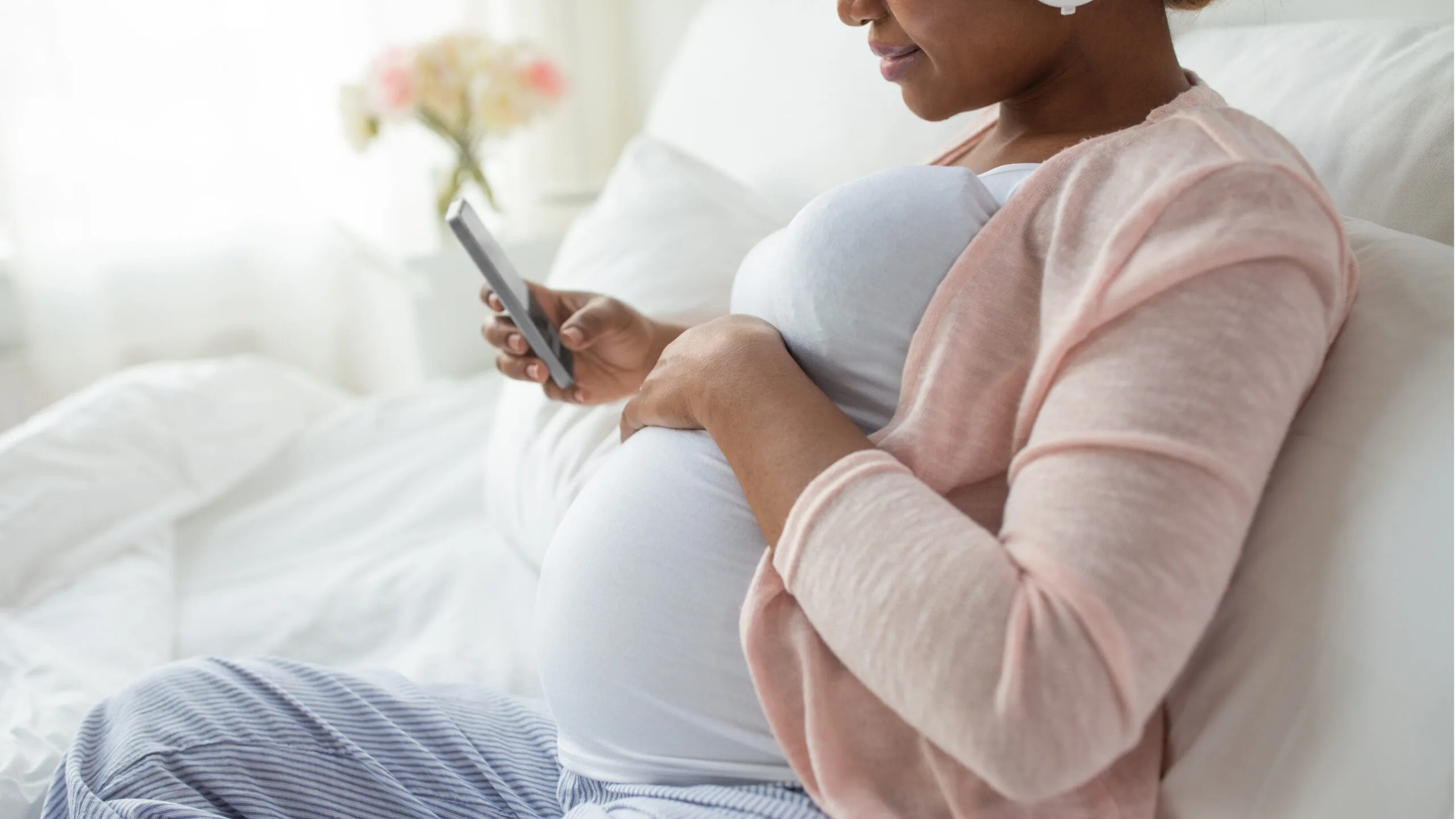
The landscape of prenatal education has undergone a significant transformation over the last decade, shifting from traditional, hospital-based classroom settings to a diverse array of digital platforms. For many expectant parents, the primary barrier to entry for comprehensive childbirth education is cost. While private courses led by certified doulas or midwives can range from $200 to over $500, a growing sector of "free" resources has emerged. However, medical professionals and educators suggest that the value of these free offerings varies significantly based on their format, the credentials of the instructors, and the depth of the curriculum provided.
The Evolution of Childbirth Education and the Rise of Digital Access
Historically, childbirth education was popularized in the mid-20th century by pioneers such as Dr. Fernand Lamaze and Dr. Robert Bradley. These methods emphasized the physiological process of birth and aimed to reduce the "fear-tension-pain" cycle through physical and mental preparation. For decades, the standard for education was a multi-week, in-person series offered by local hospitals or community centers.
The advent of the internet and the subsequent global shift toward tele-health, accelerated by the COVID-19 pandemic, redirected the industry toward online modules. Today, expectant parents often begin their search for education with the word "free," seeking to offset the rising costs of prenatal care and delivery. Data from the Healthcare Cost and Utilization Project (HCUP) indicates that the average cost of a hospital birth in the United States ranges from $13,000 to $15,000, prompting many families to seek savings in the educational phase of their journey.
Analysis of Free In-Person Childbirth Education
Despite the high demand, free in-person childbirth classes remain a rarity in the current healthcare market. The primary reason for this scarcity is the specialized nature of the curriculum. Instruction requires certified professionals—such as Certified Nurse Midwives (CNMs), Registered Nurses (RNs), or certified doulas—who require compensation for their clinical expertise. Furthermore, physical venues require insurance, utilities, and administrative support.
In-person classes that are offered at no cost are typically subsidized by specific entities. Public health departments in some municipalities offer free prenatal education as part of initiatives to improve maternal health outcomes in underserved communities. Additionally, some religious organizations or crisis pregnancy centers provide basic education through donor funding. However, these programs may not always align with the latest evidence-based medical standards or may have specific ideological leanings.
Evaluation of Leading Free Online Childbirth Platforms
The digital realm offers more robust options for free education, though these platforms often serve as entry points for paid services or are supported by advertising revenue.
BabyCenter Online Birthing Classes
BabyCenter, a long-standing digital health resource, offers a free series of video-based classes. The curriculum covers fundamental topics, including the mechanics of contractions, hospital admission procedures, and basic newborn care. Led by editorial staff rather than clinical practitioners, the course is often described by users as a high-level overview.
While the series is accessible, a fact-based analysis reveals that the content is primarily hospital-centric. It assumes a standard medical model of care, which may not satisfy parents seeking "natural" or low-intervention birth strategies. Furthermore, the lack of interactive components means that specific medical questions or personal concerns cannot be addressed in real-time.
BabyMed Text-Based Curriculum
BabyMed provides an alternative through a series of ten structured lessons. Unlike BabyCenter, this resource is entirely text-based. While the platform is associated with obstetric expertise, the absence of visual demonstrations for breathing techniques, labor positions, or physical comfort measures limits its efficacy. Educational psychologists note that for high-stakes physical events like labor, multi-modal learning—combining visual, auditory, and kinesthetic elements—is significantly more effective than reading alone.
YouTube and Crowdsourced Instruction
YouTube has become a primary repository for childbirth education. Midwives and nurses often upload segments of their paid courses to the platform to build brand awareness. The challenge for expectant parents is the lack of a standardized peer-review process on the platform. While high-quality content exists from certified professionals, it is interspersed with anecdotal "vlogs" and unverified medical advice. Experts recommend that users specifically search for creators with credentials such as CNM, IBCLC (International Board Certified Lactation Consultant), or LCCE (Lamaze Certified Childbirth Educator).
The "Freemium" Model: Sample Classes and Lead Generation
A significant portion of the free childbirth education market operates on a "freemium" model, where a single introductory module is offered at no cost to encourage the purchase of a full curriculum.

Lamaze International
Lamaze International offers a free introductory class titled "Labor Confidence with Lamaze." This module serves as a primer for the organization’s "Six Healthy Birth Practices." While it provides a scientifically backed foundation, the free version is brief and requires significant supplementary reading. It is designed to demonstrate the Lamaze philosophy rather than provide a complete toolkit for labor management.
The Online Prenatal Class for Couples
Created by a certified labor and delivery nurse, this platform offers a free "beginning" class. The data suggests that this 8-minute session is primarily an orientation to the third trimester, focusing on common fears and testing procedures. It functions as a diagnostic tool for parents to determine if the instructor’s teaching style matches their learning preferences before committing to a paid program.
Kopa Birth
Kopa Birth targets parents planning for natural hospital births. Their free offering is a one-hour video lesson, representing approximately one-eighth of their total curriculum. This is one of the more substantial free offerings available, providing actual instruction on labor coping mechanisms. However, access is typically time-limited, often expiring after two weeks, which necessitates a structured schedule for the student.
Supporting Data: The Impact of Education on Birth Outcomes
The value of childbirth education extends beyond mere preparation; research suggests it has a measurable impact on clinical outcomes. According to a study published in the Journal of Perinatal Education, women who participate in comprehensive prenatal education are:
- Less likely to require an induction of labor.
- More likely to attempt and succeed at breastfeeding.
- Report lower levels of anxiety during the transition to parenthood.
- Less likely to undergo a non-medically indicated Cesarean section.
When analyzing free versus paid courses, the "comprehensiveness" of the curriculum is the deciding factor in these outcomes. Free classes that only cover hospital protocols may not provide the pain-management skills necessary to avoid interventions, whereas paid, holistic courses often include 10 to 15 hours of instruction covering physiology, psychology, and partner support.
Expert Perspectives and Professional Standards
The American College of Obstetricians and Gynecologists (ACOG) emphasizes that prenatal education is a critical component of obstetric care. However, they also note that the quality of information is paramount. In a statement regarding patient education, ACOG suggests that patients should prioritize evidence-based information that addresses both the physical and emotional aspects of the postpartum period, not just the labor process itself.
Professional educators argue that "free" education often lacks the "support" pillar. "Childbirth education is not just about the delivery of facts; it’s about the building of confidence," says a representative from the International Childbirth Education Association (ICEA). "Free, pre-recorded videos cannot provide the community or the tailored feedback that a live instructor or a comprehensive community-based course offers."
Comprehensive Alternatives: The Case for Targeted Investment
For parents who find free resources insufficient, the market offers specialized paid courses that bridge the gap between medical protocols and holistic birthing. Programs like the Mama Natural Birth Course represent this shift. These courses are typically developed by multi-disciplinary teams, such as a combination of a Certified Nurse Midwife and an experienced natural health advocate.
These comprehensive programs offer features rarely found in free versions:
- Direct Access to Professionals: Moderated forums or "Ask a Midwife" features.
- Evidence-Based Nutrition: Detailed guidance on prenatal diet to prevent complications like gestational diabetes or preeclampsia.
- Partner Training: Specific modules designed to teach the support person how to provide physical counter-pressure and emotional advocacy.
- Postpartum and Breastfeeding Support: Extensive coverage of the "fourth trimester," which is often neglected in free, labor-focused summaries.
Broader Implications for Maternal Health Equity
The reliance on free digital education highlights a broader issue of health equity. Families in higher socioeconomic brackets are more likely to invest in private, comprehensive education, which correlates with better birth outcomes. When the only available free education is "sterile" or "glossed over," as some critics describe the BabyCenter model, it creates a knowledge gap.
Policymakers are beginning to recognize this. Some states are exploring legislation to require private insurance and Medicaid to reimburse the costs of certified childbirth education. This would effectively make high-quality, comprehensive classes "free" to the consumer while ensuring that professional educators are fairly compensated.
In conclusion, while free childbirth classes—both online and in-person—provide an accessible starting point for expectant parents, they are rarely a substitute for a full curriculum. Parents are encouraged to use free resources as a means of "auditing" instructors and philosophies, but to remain aware of the limitations regarding clinical depth and personalized support. As the digital health landscape continues to evolve, the goal remains the same: ensuring every parent has access to the information required to navigate labor and delivery with confidence and safety.
