

The modern snack food industry is currently undergoing a significant transformation as consumers increasingly pivot toward "clean label" products and homemade alternatives that offer greater control over nutritional intake. Within this landscape, the emergence of simplified, pantry-based recipes—such as the Chocolate Crunch Bar—represents a broader shift in how families approach dessert and supplemental nutrition. By utilizing staple ingredients like crispy rice cereal, nut butters, and natural sweeteners, these homemade iterations aim to replicate the sensory experience of commercial confectionery while optimizing the macronutrient profile for sustained energy.
The Evolution of the Homemade Snack Bar
Historically, the concept of the "crunch bar" was popularized by major confectionery corporations in the mid-20th century, primarily focusing on the combination of milk chocolate and puffed rice. While these products achieved global success due to their unique texture and shelf stability, they often relied heavily on refined sugars, hydrogenated oils, and artificial flavorings. In recent years, the rise of health-conscious parenting and the increasing prevalence of dietary restrictions have fueled a demand for "better-for-you" (BFY) snacks.
This Chocolate Crunch Bar recipe aligns with contemporary nutritional trends by emphasizing transparency in ingredients. Unlike store-bought versions that may contain high-fructose corn syrup or soy lecithin, the homemade version allows for the integration of protein-rich nut butters and fiber-dense cereals. This transition from ultra-processed foods (UPFs) to whole-food-based snacks is more than a culinary preference; it is a response to growing clinical evidence suggesting that reduced sugar intake and increased fiber consumption in childhood can lead to better long-term metabolic health outcomes.
Comprehensive Ingredient Analysis and Sourcing
The efficacy of the Chocolate Crunch Bar lies in its minimalist yet functional ingredient list. Each component serves a specific structural and nutritional purpose:
1. The Binding Agent: Peanut Butter
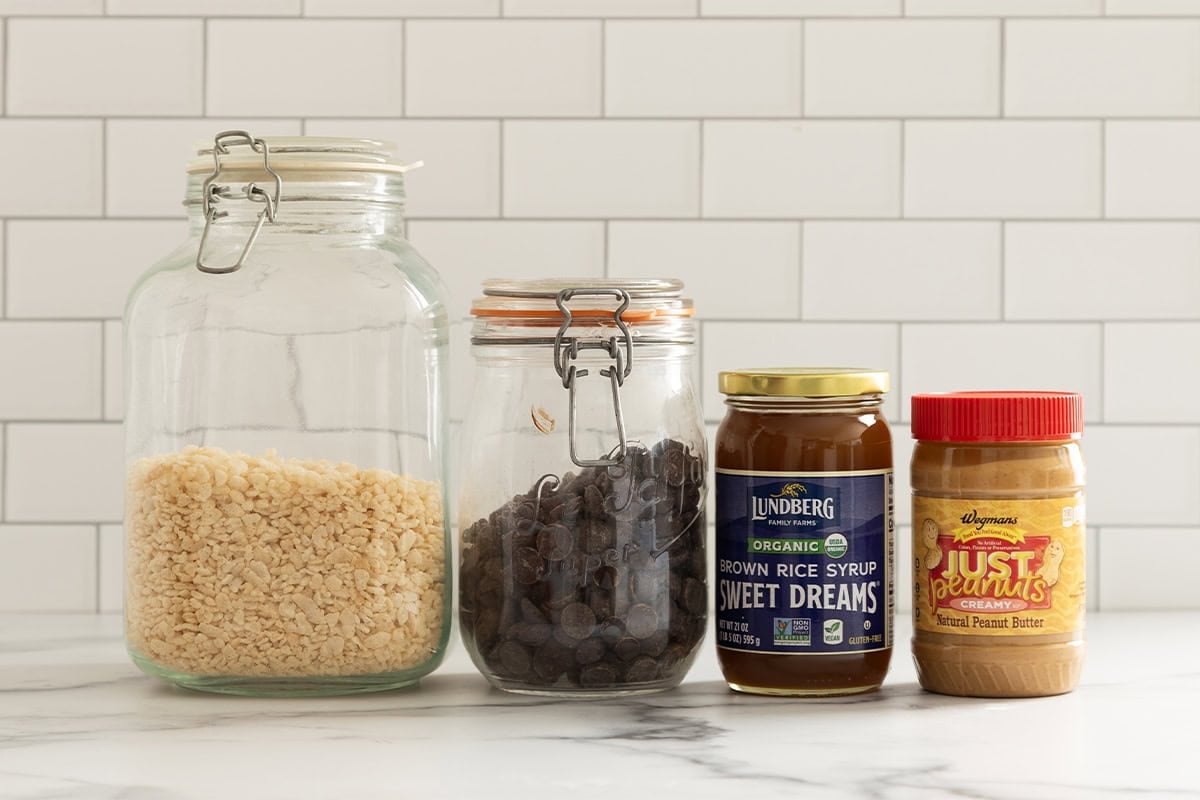
Peanut butter serves as the primary source of healthy fats and protein in this recipe. From a culinary perspective, the oils in the peanut butter prevent the chocolate from becoming too brittle once cooled, resulting in a "chewy-crunchy" hybrid texture. Nutritionally, peanut butter provides monounsaturated fats, which are essential for brain development in toddlers and sustained satiety in adults.
2. The Sweetener: Brown Rice Syrup or Honey
The choice of sweetener is pivotal for the bar’s structural integrity. Brown rice syrup is often preferred by professional bakers for its high viscosity and mild sweetness, which helps the bars hold their shape at room temperature. Honey, while offering a more complex flavor profile and antioxidant properties, may result in a slightly softer bar. Both options provide a lower-glycemic alternative to the refined white sugars found in commercial candy.
3. The Texture: Crispy Rice Cereal
To achieve the signature "crunch," the recipe utilizes crispy rice cereal. For those seeking maximum nutritional value, brown rice cereal is frequently recommended as it retains more of the grain’s natural fiber and micronutrients compared to white rice variants.
4. The Base: Semi-Sweet or Dark Chocolate
The chocolate component provides the primary flavor. Utilizing dark chocolate with a higher cocoa percentage (60% or above) increases the flavonoid content, offering cardiovascular benefits and a more sophisticated palate for adult snackers, while remaining palatable for children when balanced with the other ingredients.
Chronology of Preparation: A Step-by-Step Technical Guide
The preparation of Chocolate Crunch Bars is designed for maximum efficiency, requiring minimal kitchen equipment and no specialized baking skills. The process can be broken down into four distinct phases:
Phase I: Thermal Integration
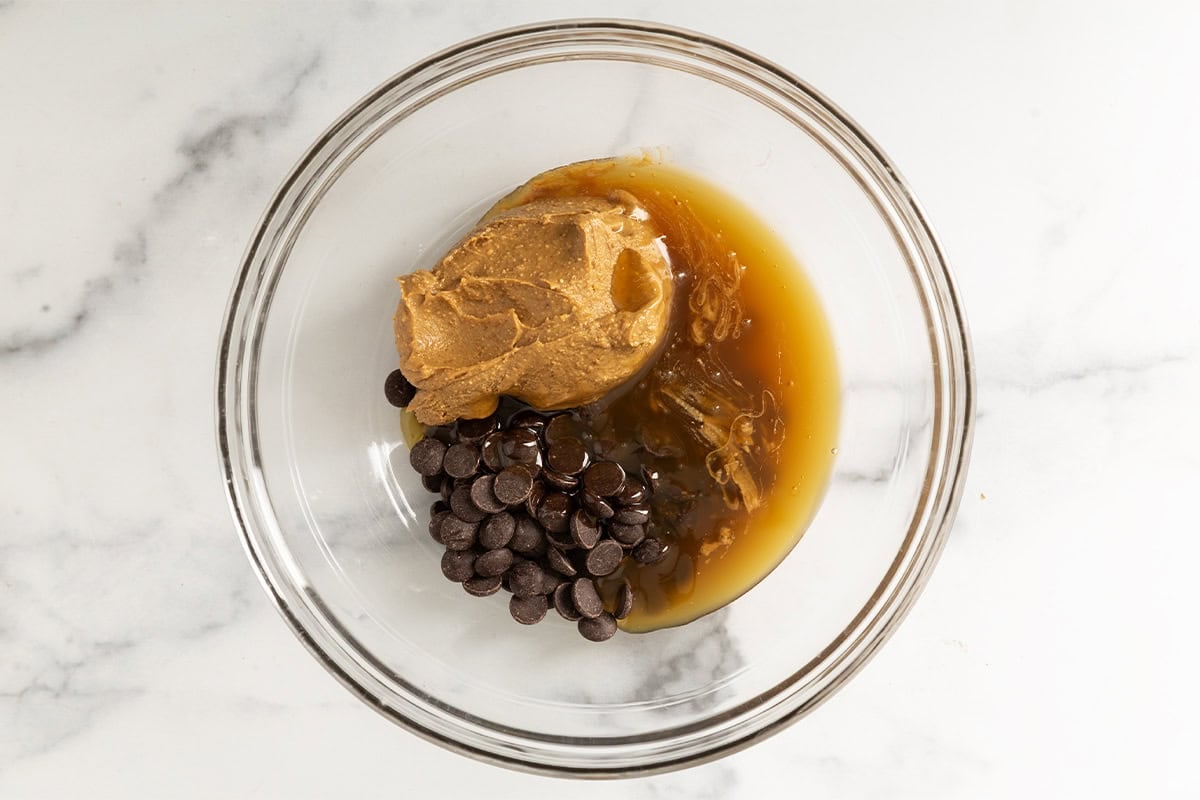
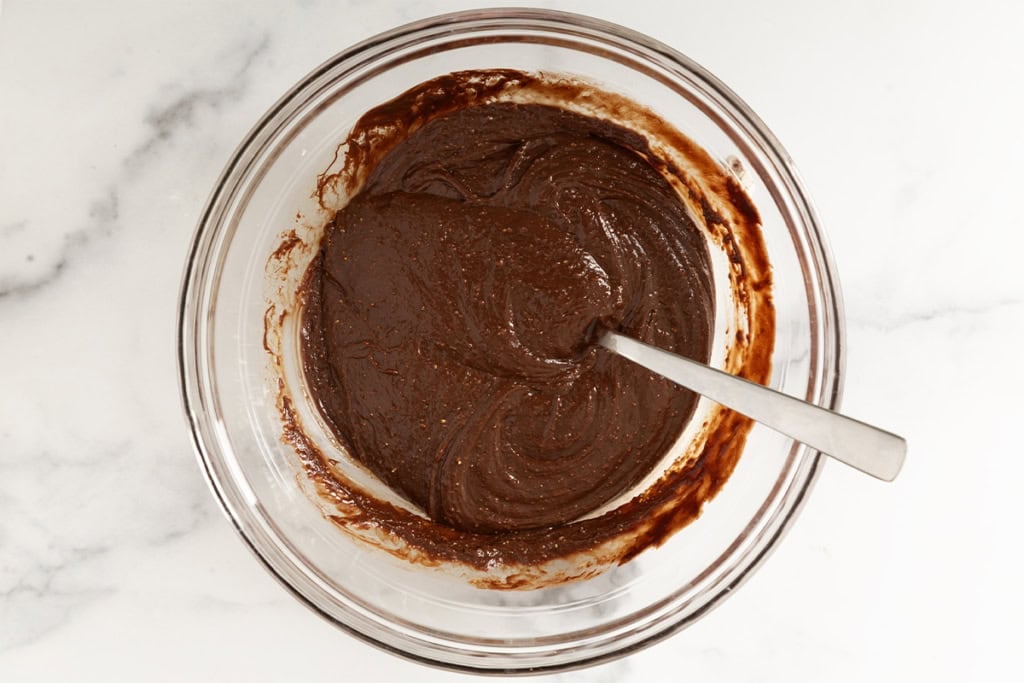
The first stage involves the careful melting of the chocolate, nut butter, and sweetener. While a double boiler can be used for more precise temperature control, the microwave method is the most accessible for busy households. The ingredients are combined in a large, heat-safe glass bowl. Microwave intervals are typically kept to 30 seconds to prevent the chocolate from seizing or burning, which can occur if the temperature exceeds 120°F (49°C).
Phase II: Emulsification and Mixing
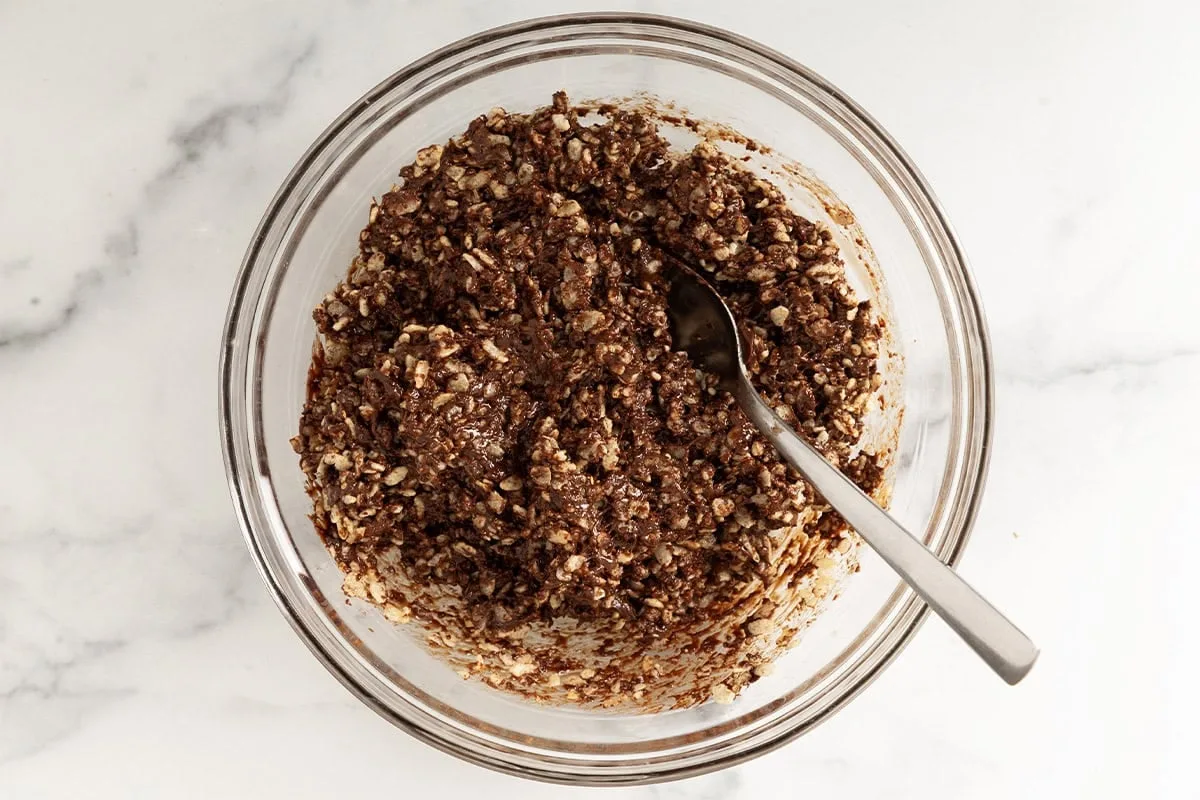
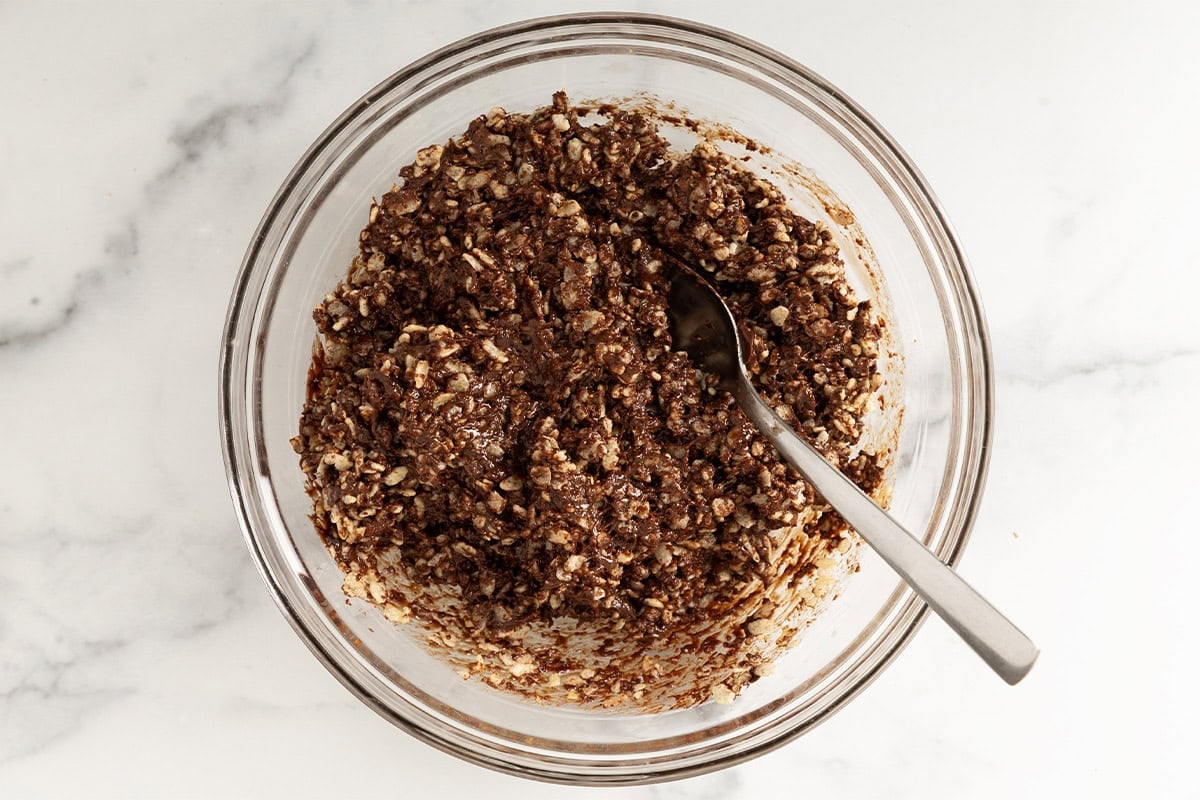
Once the mixture is melted, it must be stirred until a smooth, homogenous emulsion is formed. This ensures that the fat from the peanut butter is fully integrated with the cocoa solids. At this point, the crispy rice cereal is folded in. The technique here is critical: a gentle folding motion is required to coat every grain of cereal without crushing the delicate puffed structures, which would compromise the final texture.
Phase III: Compression and Setting
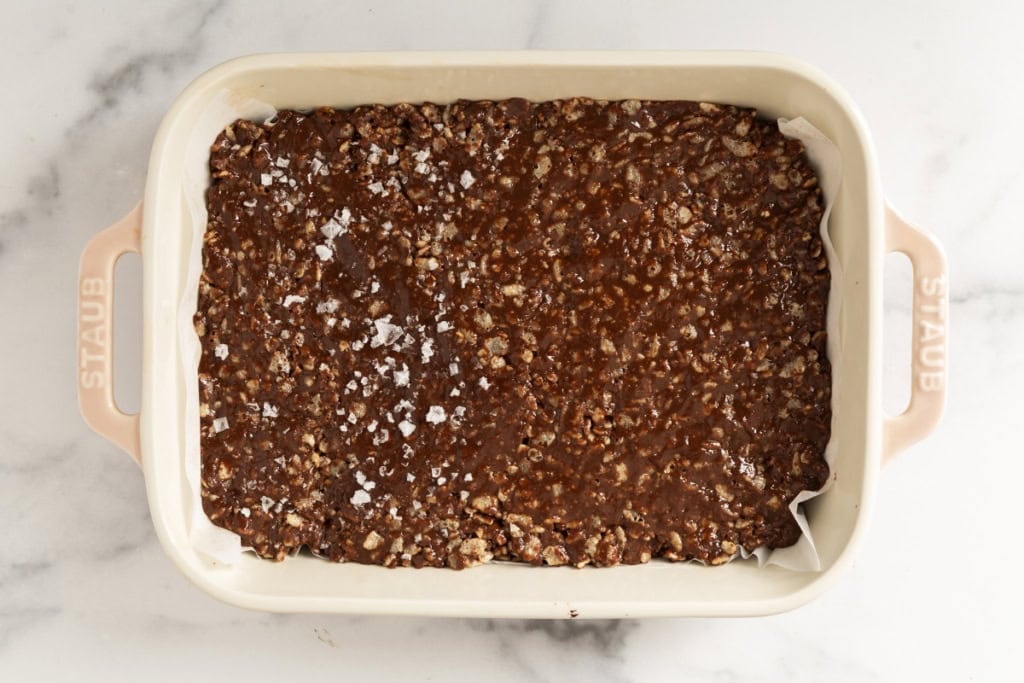
The mixture is transferred to a parchment-lined baking dish. Professional results depend on the level of compression applied during this stage. Using a flat spatula or the bottom of a measuring cup, the mixture should be pressed firmly into the corners of the pan. This density ensures that the bars do not crumble when sliced. The dish is then moved to a refrigerated environment (32°F to 40°F) for at least 30 to 60 minutes to allow the fats to solidify and "set" the structure.
Phase IV: Portioning and Storage
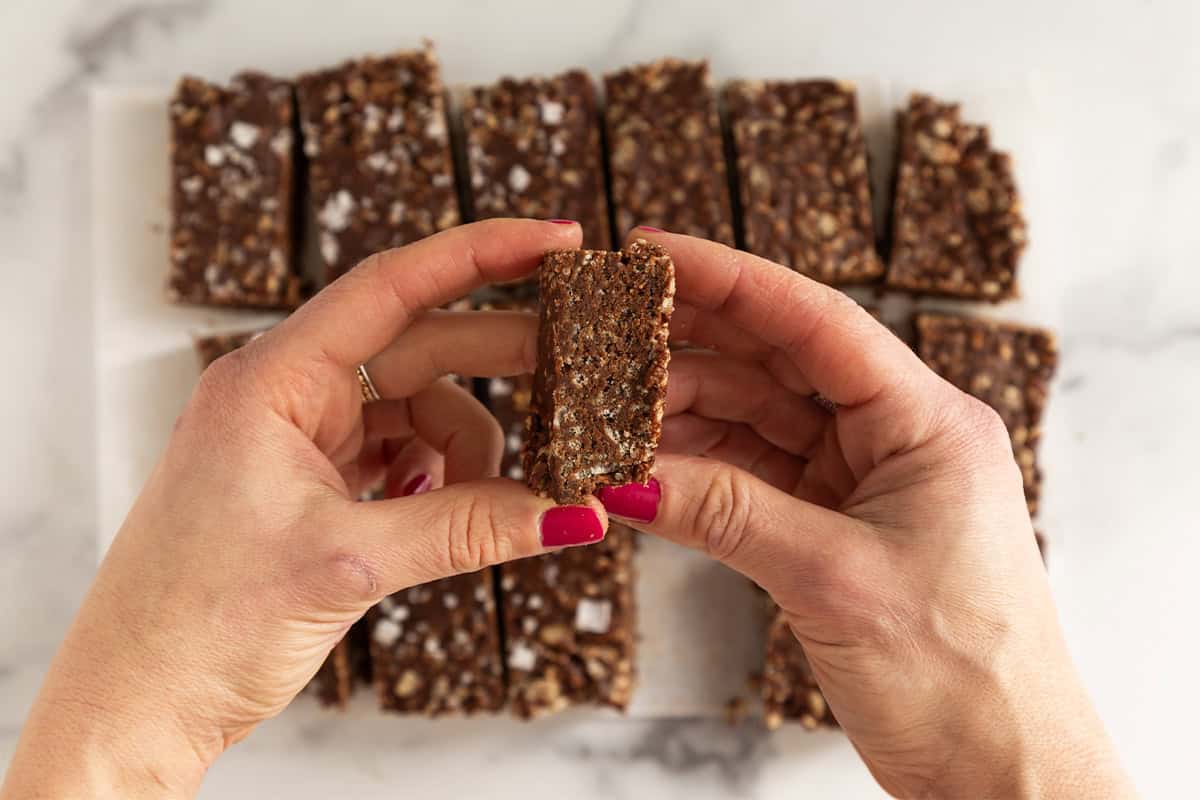
Once the slab is firm to the touch, it is removed from the pan using the parchment paper overhang. Using a sharp, non-serrated knife, the slab is cut into uniform squares or rectangles. For clean cuts, the knife can be warmed under hot water and dried between slices.
Nutritional Data and Comparative Analysis
A standard serving of the Chocolate Crunch Bar (approximately one bar) yields the following nutritional profile:
- Calories: 226 kcal
- Total Fat: 11g (Saturated Fat: 4g)
- Carbohydrates: 31g
- Sugars: 21g
- Protein: 4g
- Fiber: 1g
- Sodium: 85mg
When compared to a leading commercial "Crunch" bar, the homemade version typically offers a 50% increase in protein and a significant reduction in sodium and artificial preservatives. The inclusion of peanut butter introduces essential minerals such as potassium (129mg) and magnesium, which are often absent in highly processed confectionery. For parents, the 4 grams of protein per bar is particularly noteworthy, as it helps mitigate the "sugar spike" often associated with desserts, leading to more stable blood glucose levels in children.
Economic Implications and Consumer Feedback
The economic advantages of DIY snack production are increasingly relevant in a high-inflation environment. Bulk-buying pantry staples like rice cereal and large jars of nut butter significantly reduces the "per-unit" cost of snacks. Market analysts suggest that families can save up to 40% on their monthly snack budget by transitioning from pre-packaged individual bars to homemade bulk recipes.
Consumer feedback, as evidenced by user reviews, highlights the recipe’s versatility. Amy, a parent who prepared the bars with her children, noted, “They had fun mixing the cereal with the peanut butter/chocolate/syrup mix. They also had fun sampling. Will be adding these to our rotation of house treats!” This reaction underscores the "educational" value of the recipe, allowing children to participate in food preparation, which studies show can decrease "picky eating" behaviors and improve a child’s relationship with food.
Broader Impact: The Future of Functional Snacking
The Chocolate Crunch Bar is a microcosm of a larger movement toward "functional snacking." As the lines between meals and snacks continue to blur, consumers are looking for items that satisfy a craving while providing a physiological benefit. This recipe serves multiple demographics:
- Postpartum Nutrition: The high-calorie density and healthy fats make it an ideal snack for breastfeeding mothers who require additional energy.
- Toddler Nutrition: The manageable "crunch" is appropriate for children who have developed their secondary molars, providing a safe yet stimulating sensory experience.
- Athletic Recovery: The combination of simple carbohydrates (from the syrup) and protein (from the peanut butter) provides a quick glycogen refill for individuals post-workout.
Best Practices for Long-Term Storage
To maintain the optimal texture and prevent the oxidation of fats in the peanut butter, proper storage is essential.
- Room Temperature: In a sealed, airtight container, the bars remain fresh for up to one month, provided the environment is cool and dry.
- Freezer Storage: For long-term preservation, the bars can be frozen for up to three months. To prevent freezer burn, it is recommended to wrap individual bars in wax paper before placing them in a heavy-duty zip-top bag with the air removed. This method allows for "grab-and-go" convenience without compromising the structural integrity of the rice cereal.
Conclusion
The Chocolate Crunch Bar represents a successful intersection of convenience, economy, and nutrition. By deconstructing a classic commercial treat and rebuilding it with high-quality pantry staples, this recipe provides a template for modern family snacking. As the food industry continues to move toward transparency, the ability for individuals to produce high-quality, nutritious treats in their own kitchens remains a powerful tool for promoting public health and household sustainability. Whether served with a glass of milk for a toddler or a cup of coffee for an adult, these bars offer a balanced approach to indulgence in an era of conscious consumption.
