

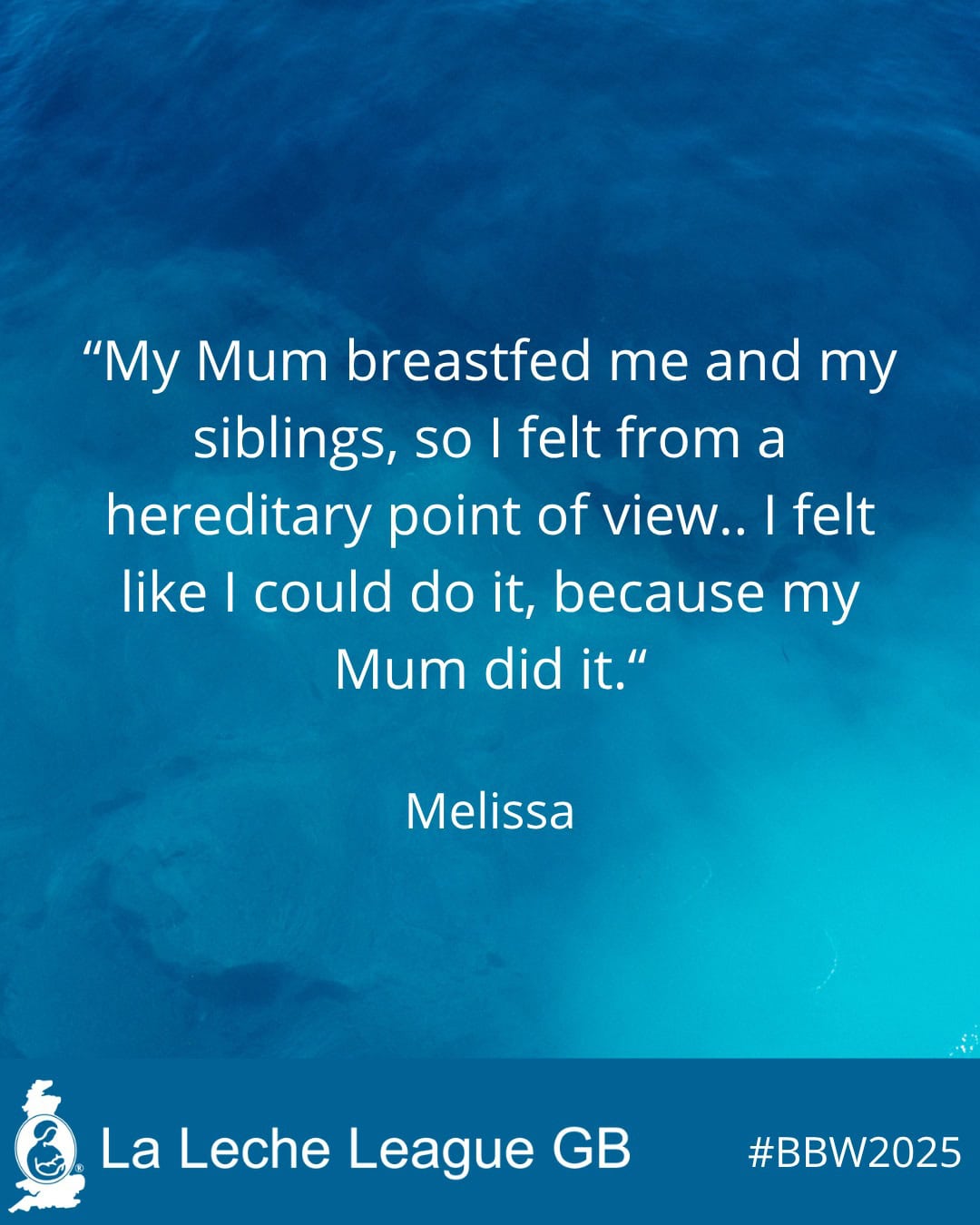
Black Breastfeeding Week, observed annually during the last week of August, serves as a vital platform to elevate the historically underrepresented voices and lived experiences of Black women in the realm of infant feeding. This dedicated week aims to dismantle systemic barriers, address profound racial disparities, and celebrate the unique journeys and resilience of Black mothers and birthing parents. At its core, the initiative champions equity, cultural understanding, and the power of community in fostering successful breastfeeding experiences. La Leche League (LLL), an organization built on the principle that sharing personal stories fosters connection and collective learning, actively participates in this observance by amplifying individual narratives, such as that of Melissa from London, whose recent reflections illuminate the multifaceted landscape of breastfeeding within the Black community.
The Genesis and Significance of Black Breastfeeding Week
The establishment of Black Breastfeeding Week in 2013 by three prominent Black maternal health advocates – Kimberly Seals Allers, Kiddada Greene, and Anayah Sangodele-Ayoka – marked a critical turning point. Their motivation stemmed from a deep understanding of the unique challenges faced by Black women in their breastfeeding journeys, challenges often overlooked or misunderstood within broader public health discourse. Historically, Black women have been disproportionately affected by lower breastfeeding rates, a disparity rooted in a complex interplay of socioeconomic factors, systemic racism, and a legacy of historical trauma.
For centuries, the narrative of Black women and breastfeeding has been marred by the brutal institution of slavery, where enslaved Black women were often forced to act as wet nurses for white children, simultaneously denied the opportunity to nourish their own infants. This profound historical wound contributed to a cultural disconnect and mistrust within the healthcare system that persists to this day. Following emancipation, economic necessity often compelled Black women into the workforce, making sustained breastfeeding difficult without adequate societal and workplace support. In more recent history, aggressive marketing of infant formula disproportionately targeted Black communities, further eroding breastfeeding initiation and duration rates. Black Breastfeeding Week was thus conceived as an urgent response to these historical injustices and contemporary inequities, aiming to reclaim and celebrate Black women’s autonomy and power in infant feeding decisions. It provides a space for cultural affirmation, community building, and advocacy for policy changes that genuinely support Black families.
Persistent Disparities and Underlying Factors
Despite widespread knowledge of the health benefits of breastfeeding for both mother and child, significant racial disparities persist globally, and particularly within countries like the United States and the United Kingdom. Data from the Centers for Disease Control and Prevention (CDC) consistently show that Black women have lower rates of breastfeeding initiation and duration compared to white women and other racial groups. For instance, while national breastfeeding initiation rates may hover around 83% in the U.S., rates for Black infants often lag by several percentage points. Similar trends are observed in the UK, where ethnicity is a recognized factor influencing breastfeeding uptake.
These disparities are not merely statistical anomalies; they are symptoms of deeply entrenched systemic issues. Several factors contribute to this persistent gap:
- Lack of Culturally Competent Support: Healthcare providers and lactation consultants often lack specific training in cultural humility and understanding the unique needs and historical context of Black families. This can lead to a feeling of being unheard, dismissed, or misunderstood.
- Historical Trauma and Medical Mistrust: The legacy of medical experimentation, forced sterilization, and racial bias within healthcare institutions has fostered a profound and justifiable mistrust among Black communities. This mistrust can impact willingness to seek or accept breastfeeding support from conventional medical sources.
- Socioeconomic Barriers: Black women are more likely to face socioeconomic challenges, including limited access to paid parental leave, inflexible work schedules, and lack of affordable childcare, all of which can impede sustained breastfeeding. Access to qualified lactation consultants, often not fully covered by insurance, also presents a significant financial barrier.
- Lack of Representation: A dearth of Black lactation consultants, peer counselors, and positive breastfeeding imagery in media contributes to a feeling of isolation and lack of role models. When Black mothers do not see themselves reflected in support systems, it can be harder to connect and seek help.
- Targeted Formula Marketing: Historically, and in some areas still, formula companies have disproportionately targeted Black communities with marketing campaigns, sometimes leveraging community events or healthcare settings, which can undermine breastfeeding efforts.
Melissa’s Journey: A Microcosm of Broader Themes
Melissa, a mother from London, recently shared her experiences with La Leche League, providing an invaluable glimpse into the personal dimensions of these broader issues. While her story is unique, it resonates with common challenges and triumphs faced by many Black mothers. Her reflections, captured during a poignant moment of getting her five-month-old to sleep, underscore the intimate connection between individual experience and systemic context.
For Melissa, breastfeeding transcended mere nutrition; it was a profound act of connection and empowerment. Her desire to breastfeed was driven by an understanding of its health benefits for both herself and her child, but also by a deeper, perhaps subconscious, reclaiming of agency. Before her own children, Melissa’s perception of breastfeeding was likely shaped by her family’s experiences, or perhaps a lack thereof. In many Black families, intergenerational breastfeeding knowledge may have been disrupted by historical factors, leading to fewer visible role models. Her journey likely involved navigating these familial perceptions, which could range from unwavering support to well-meaning but misinformed advice, or even overt skepticism rooted in past societal norms.
The attitudes of friends and family often play a crucial role in a mother’s breastfeeding success. Melissa’s account likely touched upon the delicate balance of seeking and receiving support within her immediate social circle. For some Black mothers, family members might encourage formula feeding due to past experiences, misinformation, or a desire to alleviate perceived burden. Conversely, a strong network of supportive friends and family can be an invaluable asset, providing emotional encouragement and practical help. Melissa’s journey, like many, probably highlighted the critical need for understanding and validation from those closest to her.
Embarking on her feeding journey, Melissa likely encountered barriers common to many new mothers, such as latch difficulties, pain, concerns about milk supply, and the sheer exhaustion of round-the-clock feeding. However, her experience as a Black woman likely layered additional complexities. She might have wished for more explicit information about diverse breastfeeding positions, how to manage common issues while navigating potential implicit biases in healthcare, or simply to have seen more Black faces in educational materials and support groups. The quest for culturally affirming resources and information that acknowledges the specific historical and social context of Black women is a frequently cited need.
In her search for useful sources of help and support, Melissa’s path likely led her to organizations like La Leche League, which offers peer-to-peer support, and perhaps to lactation consultants who were culturally sensitive or Black themselves. The importance of finding a "likeminded community" cannot be overstated. For Black mothers, this often means seeking out spaces where their experiences are not just tolerated but genuinely understood and celebrated. These communities, whether online forums, local LLL groups, or dedicated Black maternal health organizations, provide a vital lifeline, offering practical advice, emotional solace, and a sense of belonging. Melissa’s success in building her supportive community underscores the power of collective strength and shared identity in overcoming isolation and systemic challenges.
The Role of Organizations and Advocacy
Organizations like La Leche League International and its local chapters, such as La Leche League UK, play a pivotal role in fostering a supportive environment for all mothers, including those from marginalized communities. LLL’s foundational model of mother-to-mother support, where experienced breastfeeding mothers offer information and encouragement to others, naturally lends itself to building strong, empathetic communities. Recognizing the specific needs highlighted by Black Breastfeeding Week, LLL and similar organizations are increasingly focusing on outreach, training, and resource development that is culturally informed and equitable.
Beyond individual support, advocacy efforts are crucial. Public health bodies worldwide are increasingly acknowledging the need to address racial disparities in maternal and infant health outcomes. The World Health Organization (WHO) and national health departments have issued guidelines and initiated programs aimed at promoting breastfeeding equity. These initiatives often include:
- Investment in diversified lactation support: Training more Black lactation consultants and ensuring their accessibility.
- Culturally competent healthcare training: Educating healthcare professionals on implicit bias and the specific needs of Black families.
- Policy changes: Advocating for comprehensive paid parental leave, workplace lactation accommodations, and universal access to affordable healthcare that includes lactation services.
- Community-led interventions: Supporting grassroots organizations and initiatives within Black communities that promote breastfeeding.
These systemic changes are critical to creating an environment where every mother, regardless of race or socioeconomic status, has the opportunity and support to achieve her breastfeeding goals.
Broader Impact and Future Implications
The implications of promoting Black breastfeeding extend far beyond individual health outcomes. From a public health perspective, increased breastfeeding rates among Black infants could significantly reduce rates of infant mortality, chronic diseases (like obesity and diabetes), and childhood infections, thereby reducing healthcare costs and improving long-term population health. For mothers, breastfeeding can lower the risk of certain cancers, type 2 diabetes, and postpartum depression.
Economically, widespread breastfeeding support could lead to a more robust workforce, as mothers are better able to return to work with appropriate accommodations. Socially, amplifying Black breastfeeding narratives helps to decolonize infant feeding practices, challenge prevailing stereotypes, and empower Black women to reclaim their ancestral traditions and make informed choices about their bodies and their babies. It fosters a sense of pride and cultural affirmation that reverberates through families and communities.
The ongoing efforts during Black Breastfeeding Week and year-round by organizations like La Leche League are not just about promoting a feeding method; they are about promoting racial justice, health equity, and human dignity. Melissa’s story, like countless others, is a powerful testament to the resilience of Black mothers and the transformative power of community. By continuing to share these stories, provide culturally relevant support, and advocate for systemic change, we move closer to a future where every Black mother feels seen, supported, and empowered on her breastfeeding journey.
La Leche League continues to encourage individuals to share their stories, recognizing that each narrative contributes to a larger tapestry of knowledge and support. Whether through member publications like "Breastfeeding Matters" or in-person meetings, these personal accounts are invaluable, offering solace, inspiration, and practical guidance to those navigating similar paths. The collective sharing of experiences, particularly from historically marginalized groups, is a foundational step towards building a truly inclusive and equitable world of maternal and infant care.
