

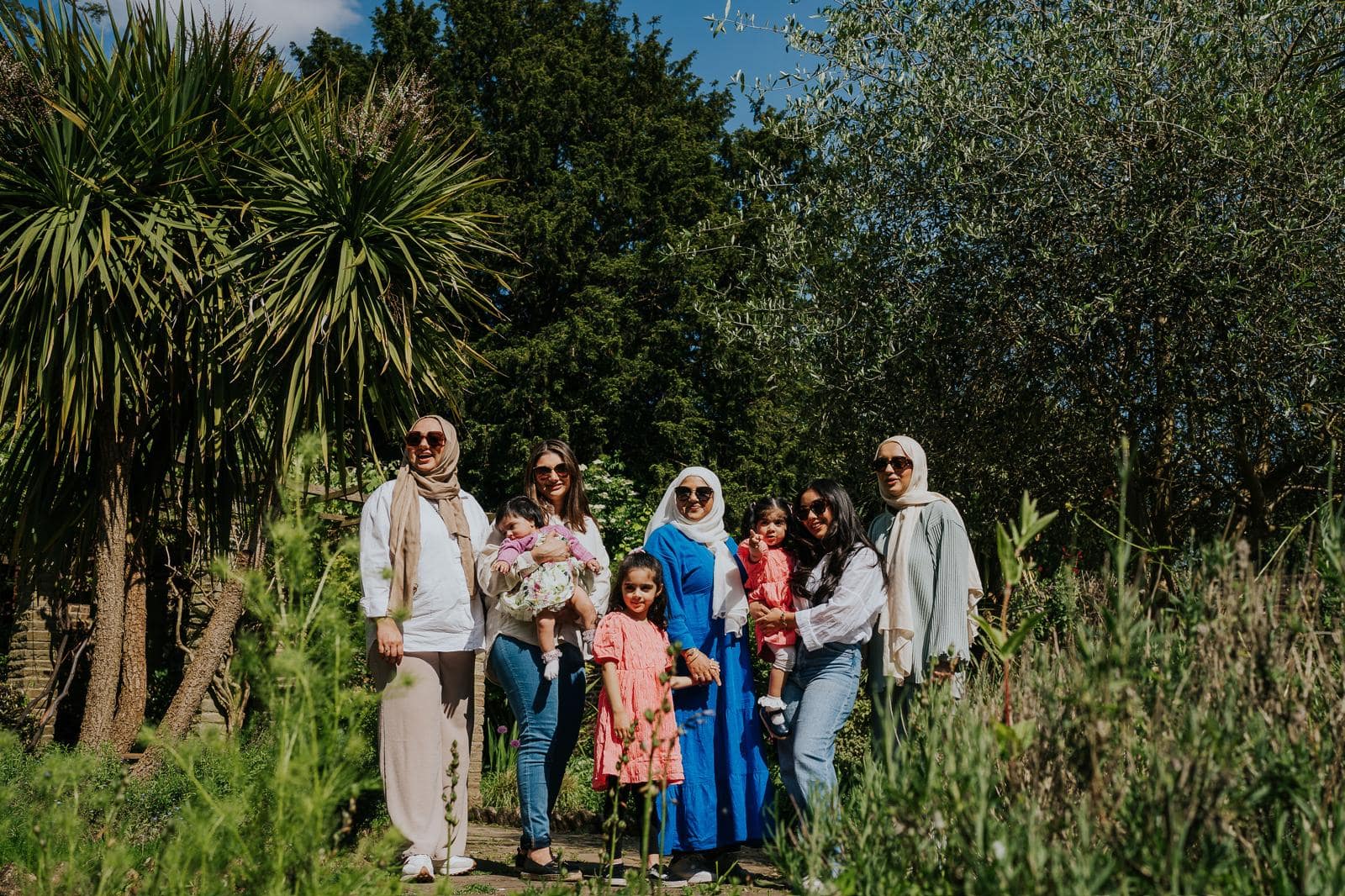
Zarina Ayyub, a dedicated doula and former breastfeeding peer supporter from Tooting, London, has emerged as a formidable advocate for maternal well-being, particularly within the South Asian community in the United Kingdom. Her remarkable journey, marked by profound personal struggle and a fierce determination to challenge deeply ingrained cultural norms and systemic healthcare gaps, illuminates the complex landscape surrounding infant feeding and maternal support for ethnic minority families. Her experiences, spanning over three decades and five children, underscore a critical need for culturally competent healthcare provision and community-led initiatives that empower mothers to make informed choices.
A Legacy of Misinformation and Cultural Barriers
Born in Birmingham, Zarina’s family history is intrinsically linked to the experiences of early Pakistani immigrants to England in the late 1960s. Her mother, among the first of her community to have children in the UK, faced profound isolation and a pervasive lack of support for breastfeeding. In an era when UK hospitals routinely provided formula and milk-drying pills as standard practice, Zarina’s mother endured a traumatic breastfeeding attempt. This challenge was further exacerbated by unsupportive in-laws and the cultural expectation of modesty within a crowded, multi-generational household. This generational trauma cast a long shadow, as Zarina’s mother later urged her own daughter to avoid breastfeeding, inadvertently perpetuating a cycle of fear rooted in misinformation, such as the traditional belief in parts of India that colostrum was "dirty" and should be replaced with herbal concoctions. This historical context highlights a period where medical practices often overlooked traditional knowledge and individual maternal choice, while immigrant communities struggled to reconcile cultural traditions with new societal norms in the UK.
Navigating Systemic Gaps and Personal Trauma in Early Motherhood
Zarina’s own entry into motherhood at the tender age of 20, just days after her birthday in November, mirrored many of the challenges her mother faced, albeit in a different decade. Her first baby, born prematurely at 4 lbs 13 oz (approximately 2.18 kg) due to placental insufficiency, was immediately separated from her and fed formula by tube in a special nursery. Zarina, left alone and uninformed, was denied the opportunity for immediate skin-to-skin contact or guidance on expressing colostrum. This systemic lack of explanation and choice, common in maternity wards of the time, left her feeling scared and disempowered. "No one in the hospital explained anything to me or gave me any choices," she recalls, a sentiment that resonates with many mothers who felt their autonomy diminished in clinical settings. The emotional scars of this experience, particularly the memory of her tiny baby and the unexplained complications, persist to this day.
Upon her daughter’s return on day three, Zarina grappled with severe engorgement. Despite her mother’s insistence on milk-drying pills, Zarina instinctively resisted. The forceful, painful attempts by a midwife to latch her struggling newborn, coupled with her mother’s pleas to resort to formula, vividly illustrate the intense pressure and physical discomfort she endured. This traumatic start set the tone for a difficult initial breastfeeding journey, marked by sore, cracked, and bleeding nipples, and a desperate search for solutions in a city not yet accustomed to late-night retail. Her early days at home, initially with her husband’s extended Pakistani family and later in their own flat in London, presented further obstacles. Cultural expectations dictated she remain house-bound, embarrassed to breastfeed in public, and constantly occupied with cooking and cleaning for a steady stream of relatives. This environment made responsive feeding nearly impossible, pushing her towards a scheduled formula-feeding model, far removed from the intuitive, on-demand approach her body and baby yearned for.
Cultural Pressures and the Stigma of "Laziness"
The societal and familial pressures Zarina faced were immense, reflecting deeply embedded cultural values within some South Asian communities in the UK. Her in-laws, despite her mother-in-law having breastfed her own sons, questioned Zarina’s desire to breastfeed, comparing her unfavorably to another daughter-in-law who prioritized a spotless home over infant feeding. Within this cultural framework, "having a spotless house and contributing to the family seemed to be the highest priority," with sitting to feed often misconstrued as "laziness." This conflict between traditional domestic roles and the biological demands of infant feeding placed an unfair burden on Zarina. Furthermore, her husband, influenced by perceptions of infant size, pressured her to supplement with "bottle milk," fearing her babies were "too skinny" compared to larger children in the family. This comparison, common in communities where plumpness can be seen as a sign of health and prosperity, ignored the natural variations in infant growth and Zarina’s own petite stature, standing at approximately five feet tall.
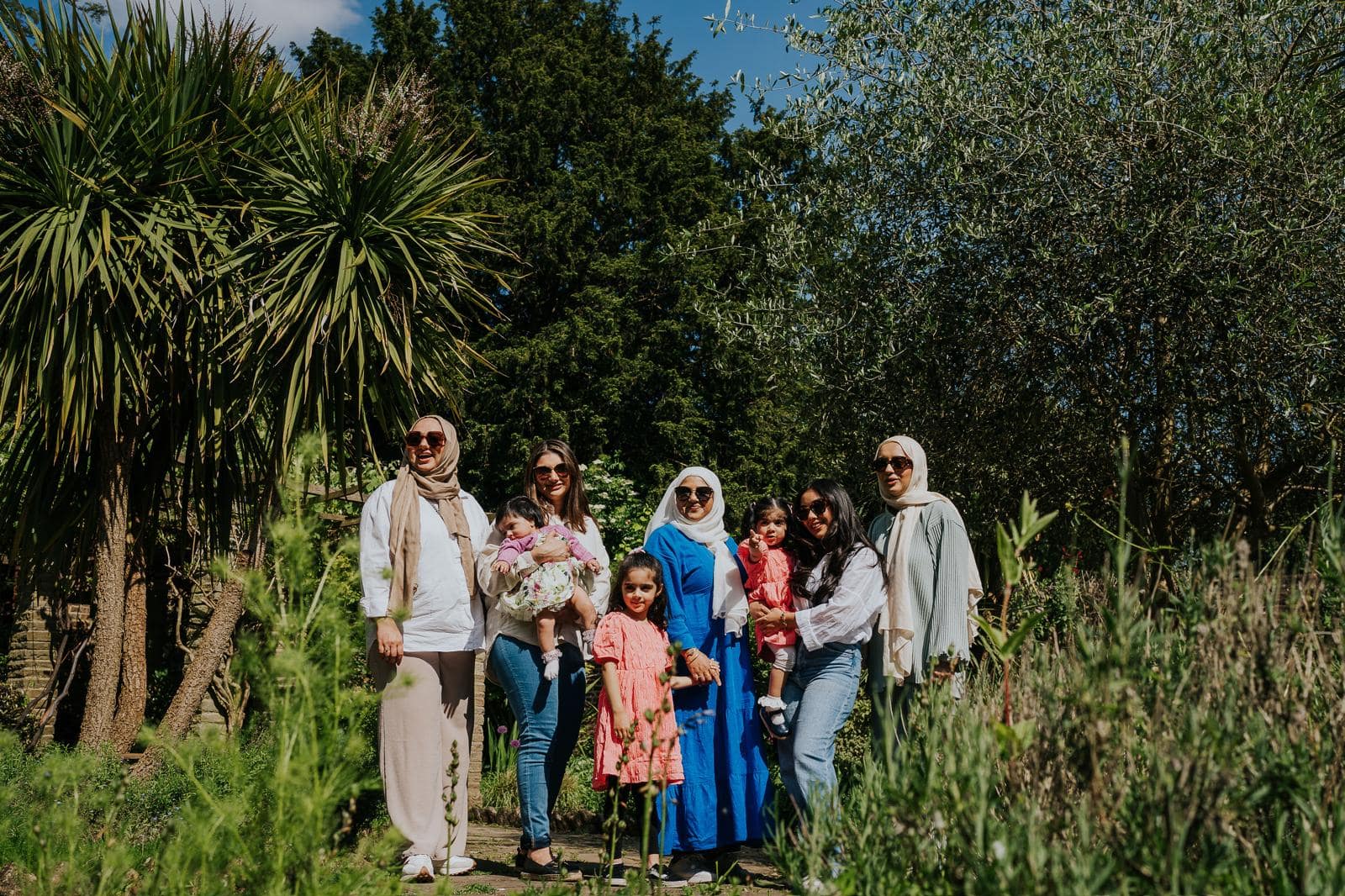
Studies indicate that breastfeeding rates among South Asian mothers in the UK are often lower than the national average, with cultural factors, family pressure, and lack of culturally sensitive support frequently cited as contributing elements. A 2010 report by the Infant Feeding Survey found that while 81% of mothers initiated breastfeeding in the UK, rates varied significantly among ethnic groups, with South Asian mothers sometimes facing unique challenges related to privacy, modesty, and family expectations.
A Quest for Knowledge and the Path to Advocacy
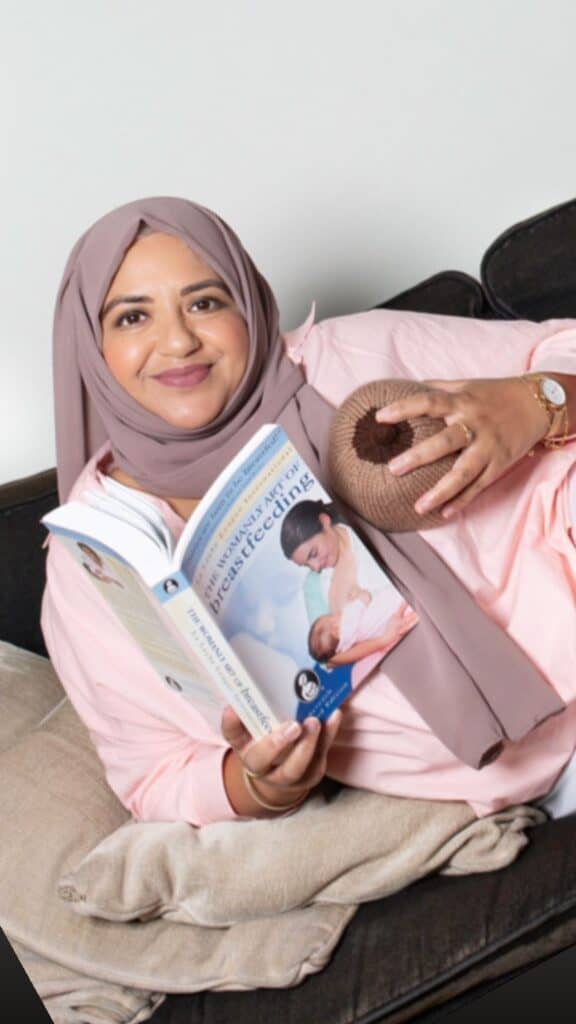
The turning point in Zarina’s journey arrived with her third pregnancy. Determined to avoid past traumas, she discovered "The Womanly Art of Breastfeeding," a seminal text for many breastfeeding mothers. She borrowed it from the library and immersed herself in its pages for nine months. This book became her lifeline, demystifying concepts like colostrum’s vital importance and the possibility of relactation. Armed with newfound knowledge, she felt empowered to challenge prevailing myths and medical advice, feeding her third child for two years despite critical comments.
This resolve was tested when she developed mastitis a few weeks after her third child’s birth. Seeking help, she contacted a La Leche League (LLL) Leader and attended an LLL group in Wimbledon, a pivotal moment that, while providing initial support, also highlighted her isolation. As the only woman wearing a shalwar kameez, the traditional long tunic and trousers worn by South Asian women, she felt awkward and embarrassed, struggling to feed discreetly in her traditional attire. This experience underscores the crucial need for breastfeeding support groups to be inclusive and culturally sensitive, addressing practical concerns and fostering an environment where all mothers feel comfortable. It took years for her to return to such a group, demonstrating the lasting impact of feeling out of place.
From Informal Support to Formalized Peer Advocacy
Even amidst her early struggles, a nascent desire to help other mothers had taken root. Just four weeks after her first child’s birth, she found herself supporting her husband’s aunt with engorged breasts, recognizing a shared experience of confusion and lack of knowledge within their extended family. She also became a vital source of support for her younger sister, guiding her through breastfeeding all her children. This gradual normalization of breastfeeding within her immediate family eventually swayed her own mother, who grew to appreciate and actively support Zarina’s choices with her later children — a testament to the power of positive role modeling and sustained effort.
Zarina’s long-held wish to become a formal breastfeeding peer supporter finally materialized after the birth of her fifth child. This baby, born prematurely at 35 weeks with severe reflux, presented new breastfeeding challenges and further highlighted the disparities in available support. Dissatisfied with what she describes as "poor advice" from a breastfeeding counsellor, she found solace and a new direction at a local breastfeeding café. It was there she discovered an advertisement for La Leche League’s 12-week peer supporter training course, run by the NHS. "Thank God I came today!" she recalls thinking, seizing the opportunity to gain the expertise needed to truly help other mothers. Her graduation from the course, complete with a special knitted "boob" — a symbol she cherishes — solidified her commitment.
For two to three years, Zarina served as a dedicated peer supporter, notably as the only Muslim peer supporter in her area at the time. She observed a significant barrier: the scarcity of Asian women attending support groups, even without a language barrier. This reinforced her belief in the importance of representation, as mothers often feel more comfortable relating to supporters who share their cultural background. Her impact extended beyond her immediate community, as many mothers she assisted expressed a desire to take her "home with them," a testament to her empathetic and effective support.
Broader Impact: Doula Work and Systemic Advocacy
Today, with her children grown and aged between 18 and 34, Zarina channels her passion and experience into her work as a doula, providing crucial support during birth and the postnatal period. Her advocacy has expanded to address systemic issues affecting ethnic minority families. Last year, she was invited by The Raham Project in Peterborough and the charity BLISS to participate in a project focused on neonatal intensive care units (NICUs) and premature babies. Sharing her own painful birth stories during interviews for this initiative underscores the emotional toll and lasting impact of inadequate maternal care, particularly for vulnerable populations. This work contributes to a growing movement to understand and address health inequalities experienced by diverse communities, highlighting the disproportionate challenges faced by ethnic minority mothers in accessing equitable care and support.
Breaking the Silence: Normalizing Breastfeeding in the South Asian Community
Zarina’s influence extends deeply into her own family, which she describes as an "unusual Pakistani household" due to its openness regarding topics often considered taboo, such as breastfeeding and menstruation. Her consistent advocacy has normalized these conversations, impacting her children’s spouses and friends. Her daughters, now mothers themselves, are flourishing in their breastfeeding journeys. One daughter, with three children under four, breastfed her first for two years, tandem-fed the first two, and continues to breastfeed her youngest at eight months. This stands in stark contrast to Zarina’s initial experiences, demonstrating a generational shift facilitated by open dialogue and supportive partners. Her influence has even sparked interest in home births among her other daughters, a "huge miracle" within a community where such choices are rarely considered.
Despite progress, Zarina emphasizes that "there is still a lot of shame surrounding breastfeeding in the Asian community." Many families remain "quite prudish," and cultural norms often overshadow religious teachings. She clarifies that while some may mistakenly attribute modesty concerns to religion, the Muslim faith fundamentally teaches that "the baby has a right to be breastfeed for however long they wish," often understood to be up to two years. The challenge lies in disentangling cultural interpretations from religious doctrine.
Zarina’s work highlights that building relationships of trust is paramount for breastfeeding supporters to effectively address fears and normalize breastfeeding within these communities. It is not an act to be embarrassed about, but a natural and profoundly beneficial process for both mother and child. Her tireless efforts serve as a powerful reminder of the ongoing need to challenge cultural stigmas, bridge information gaps, and ensure that all mothers, regardless of their background, receive the informed, compassionate, and culturally sensitive support they deserve to embark on their breastfeeding journeys with confidence and success. Her story is a testament to the power of individual perseverance in driving broader societal change and improving public health outcomes.
Breastfeeding Matters LLLGB Podcast
In January 2025, Zarina Ayyub will share further insights on the "Breastfeeding Matters LLLGB Podcast." Alongside volunteer breastfeeding counsellors Maria Yasnova and Sarah Fletcher, she will discuss the critical importance of creating safe and supportive environments for new mothers from the outset. The discussion will delve into ancient traditions like the "first 40 days" or "fourth trimester," practices observed by many cultures globally, underscoring their relevance in contemporary maternal care. The podcast will be available on Apple and Spotify.
