

Originally published February 2025. Last reviewed/updated by Craig Canapari, MD in January 2026.
A stark and escalating trend in pediatric emergency room visits is drawing significant attention from medical professionals and public health officials: the dramatic surge in melatonin overdoses among children. Data reveals an astonishing 530% increase in melatonin ingestions over the past decade, with a particularly sharp acceleration observed since the onset of the COVID-19 pandemic. This phenomenon, detailed in a critical study, presents a growing concern for parents and healthcare providers alike, underscoring the need for increased awareness regarding the risks associated with this widely accessible supplement.
Melatonin, a hormone naturally produced by the body to regulate sleep-wake cycles, has become a popular over-the-counter sleep aid for both adults and children. Its perceived safety and ease of access have contributed to its widespread use, but this accessibility appears to be fueling a public health challenge. For children under the age of five, melatonin has emerged as a leading cause of emergency room visits related to accidental ingestions. A comprehensive analysis of emergency department data estimated that approximately 7% of all visits for accidental ingestions in this vulnerable age group were attributed to melatonin. Alarmingly, nearly half of these incidents involved the ingestion of melatonin gummies, which often bear a striking resemblance to candy, increasing the likelihood of accidental consumption by young children.
A Landmark Study Illuminates the Growing Threat
The concerning rise in pediatric melatonin ingestions was brought into sharp focus by the study, "Pediatric Melatonin Ingestions—United States, 2012-2021," published in the Morbidity and Mortality Weekly Report (MMWR) by Lelak and colleagues on June 3, 2022. This extensive review analyzed poison control center data spanning a decade, revealing critical trends and potential risks.
Escalating Ingestion Frequency: A Fivefold Increase
The study’s findings are stark: reported melatonin ingestions by children have increased by a staggering 530% over the ten-year period from 2012 to 2021. This trend has been particularly pronounced since 2020, coinciding with the early stages of the COVID-19 pandemic. In total, the analyzed data documented 260,435 reported ingestions, accounting for 2.25% of all ingestions reported to poison control centers during that timeframe. To contextualize this surge, in 2012, melatonin represented a mere 0.6% of reported ingestions; by 2021, this figure had jumped to 4.9%.
[Insert Figure 1: Graph showing the increase in melatonin ingestions per year from 2012-2022, sourced from Lelak, K., 2022. Pediatric Melatonin Ingestions—United States, 2012–2021. MMWR Morb Mortal Wkly Rep 71. https://doi.org/10.15585/mmwr.mm7122a1. The graph should illustrate a clear upward trend, with the x-axis representing the year and the y-axis representing the number of ingestions per 100,000 US population.]
The study further highlights an increase in more serious outcomes associated with these ingestions, including hospitalizations and intensive care unit (ICU) admissions.

[Insert Figure 2: Graph illustrating an increase in more serious outcomes and hospitalizations from melatonin use, sourced from Lelak, K., 2022. Pediatric Melatonin Ingestions—United States, 2012–2021. MMWR Morb Mortal Wkly Rep 71. https://doi.org/10.15585/mmwr.mm7122a1. This graph should depict a solid line for more serious outcomes and a dotted line for hospitalizations, with a clear upward trend, particularly noticeable around the start of the pandemic.]
In 2020, melatonin surpassed all other accidentally ingested supplements, becoming the most frequent culprit in pediatric poisoning cases. Researchers and clinicians widely attribute this dramatic rise to the sleep disturbances experienced by many children during the pandemic lockdowns and the associated disruptions to established routines.
Beyond Ingestion: Hospitalizations, ICU Stays, and Tragic Fatalities
The study’s findings extend beyond simple ingestions, revealing a concerning trend of more severe medical events. Approximately 10.7% of reported ingestions required management at a healthcare facility. Of these, a notable 14.7% resulted in hospitalization, and 1% necessitated an ICU stay. While these percentages might seem modest, they represent a significant increase compared to previous periods, where only 1.5% of cases were hospitalized and 0.1% required ICU care.
It is crucial to note that a significant proportion of hospitalized patients were teenagers exhibiting intentional ingestions. In such cases, hospitalization is often a consequence of safety protocols and psychiatric evaluation rather than an inherent indicator of melatonin’s direct toxicity. However, the study identified a substantial increase in hospitalizations among children less than five years of age, a demographic where intentional ingestion is less likely and accidental exposure is a primary concern.
Perhaps the most heartbreaking aspect of the study’s findings are the two reported deaths associated with melatonin ingestion. One involved a 13-month-old, and the other a 2-month-old infant. Both fatalities occurred at home. The authors noted that one ingestion involved intentional medication misuse, while the reason for the other remains unknown. These incidents may represent the first documented deaths directly linked to melatonin overdoses, underscoring the potential severity of such events.
Identifying Vulnerable Populations and Risk Factors
The study identified several key risk factors associated with accidental melatonin ingestion. Male gender and being under the age of five were statistically significant predictors of ingestions. The vast majority of these incidents occurred within the home environment, emphasizing the importance of safe storage and parental supervision.
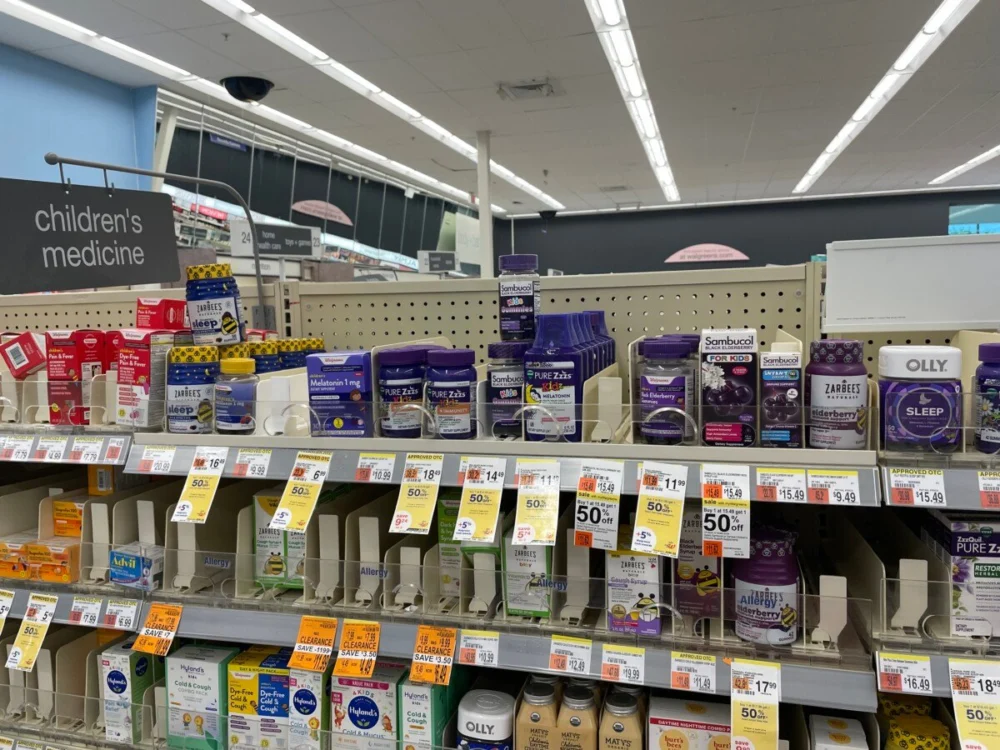
[Insert Image 1: Photo of melatonin products for children displayed in a drug store, with a caption highlighting the prevalence and often purple branding of these products.]
[Insert Image 2: Close-up photo of melatonin gummies, with a caption emphasizing their resemblance to candy.]

Examining the Limitations and Unanswered Questions
While the study provides invaluable data, its reliance on poison control center reports introduces certain limitations. The data does not offer detailed clinical information on children who were hospitalized, required mechanical ventilation, or tragically passed away. Critical questions remain regarding pre-existing medical conditions that might have increased their vulnerability, potential interactions with other medications they were taking, and the specific circumstances surrounding intentional ingestions among adolescents. A deeper understanding of these factors is essential for a comprehensive risk assessment.
Unraveling the "Why": Contributing Factors to the Overdose Epidemic
The study was not designed to definitively answer why melatonin overdoses have surged, but several factors are likely contributing to this alarming trend:
- Increased Availability and Marketing: Melatonin products are readily available without a prescription in the United States. They are often marketed in appealing forms, such as gummies, and are prominently displayed in pharmacies and online retailers, making them easily accessible to children.
[Insert Table 1: Comparison of melatonin regulations across different countries, highlighting the varied approaches to classification and oversight. Source: Skrzelowski, M., Brookhaus, A., Shea, L.A., Berlau, D.J., 2021. Melatonin Use in Pediatrics: Evaluating the Discrepancy in Evidence Based on Country and Regulations Regarding Production. The Journal of Pediatric Pharmacology and Therapeutics 26, 4–20.]
-
Misconceptions about Safety: Many parents perceive melatonin as a "natural" and therefore inherently safe sleep aid, overlooking the potential for overdose and adverse effects. This perception is often reinforced by the lack of stringent regulatory oversight compared to prescription medications.
-
Pandemic-Induced Sleep Disruptions: As mentioned, the COVID-19 pandemic significantly disrupted children’s sleep patterns due to changes in school schedules, increased screen time, and heightened anxiety. This led many parents to seek out sleep aids, with melatonin being a common choice.
-
Lack of Standardized Dosing and Regulation: In the United States, melatonin is classified as a dietary supplement, meaning it is not subject to the same rigorous testing and approval processes as pharmaceutical drugs. This can lead to variability in product quality, dosage accuracy, and the presence of unlisted ingredients.
Potential Drug Interactions and Side Effects
While generally considered safe for short-term use at appropriate doses, melatonin can interact with certain medications and pose risks if taken in excess. Pediatric pharmacists highlight potential interactions with:
- Anticoagulants and Antiplatelet Drugs: Melatonin may increase the risk of bleeding when combined with these medications.
- Anticonvulsants: Melatonin might reduce the effectiveness of certain anti-seizure medications.
- Contraceptive Drugs: Oral contraceptives can increase melatonin levels, potentially leading to enhanced effects and side effects.
- Fluvoxamine: This selective serotonin reuptake inhibitor (SSRI) can significantly increase melatonin levels.
- Hypnotic Drugs: Combining melatonin with other sedatives or hypnotics can lead to excessive drowsiness and central nervous system depression.
- Immunosuppressants: Melatonin may stimulate immune function, potentially interfering with immunosuppressive therapy.
- Diabetes Medications: Melatonin can affect blood sugar levels, potentially altering the effectiveness of diabetes medications.
- Blood Pressure Medications: Melatonin can lower blood pressure, and combining it with antihypertensive drugs may lead to hypotensive episodes.
The side effects of taking too much melatonin can range from mild to severe and include:

- Daytime sleepiness
- Delirium or confusion
- Nausea and vomiting
- Nighttime awakenings
- Dizziness
- Irritability
- Bedwetting
When to Seek Immediate Medical Attention
Parents who suspect their child may have ingested too much melatonin should not hesitate to contact the national Poison Help Hotline at 1-800-222-1222. Medical professionals are available around the clock to provide guidance and support.
Towards Safe and Responsible Melatonin Use in Children
For parents considering melatonin for their children, a cautious and informed approach is paramount. Key recommendations for safe use include:
- Consult a Healthcare Professional: Always discuss melatonin use with your pediatrician or a qualified healthcare provider before administering it to your child. They can assess your child’s specific needs, recommend appropriate dosages if necessary, and discuss potential risks and alternatives.
- Prioritize Behavioral Interventions: Before resorting to supplements, explore non-pharmacological strategies for improving sleep hygiene, such as establishing consistent bedtime routines, creating a relaxing sleep environment, and limiting screen time before bed.
- Use the Lowest Effective Dose: If melatonin is deemed appropriate, start with the lowest possible dose and only increase it under medical supervision.
- Store Safely: Keep all melatonin products, especially gummies, securely stored out of children’s reach and sight, just as you would with any medication or potential poison.
- Choose Reputable Brands: Given the lack of stringent regulation, opt for products from reputable manufacturers that undergo third-party testing for purity and potency.
- Monitor for Side Effects: Closely observe your child for any adverse reactions or behavioral changes after administering melatonin.
- Understand the Limitations: Recognize that melatonin is a supplement, not a cure-all for sleep problems. Its long-term effects and efficacy in children are still subjects of ongoing research.
The escalating rates of melatonin overdoses in children represent a critical public health challenge that demands a multi-faceted approach. Increased parental education, stricter regulatory oversight for supplements, and continued research into the long-term impacts of melatonin use in pediatric populations are essential steps in mitigating this growing concern and ensuring the safety and well-being of our youngest generation.
Want to Learn More About Melatonin?
For a comprehensive understanding of how melatonin works, the current evidence supporting its use in children, and guidance on appropriate administration, parents are encouraged to consult detailed resources. A dedicated guide for parents on melatonin is available, offering in-depth information on its mechanisms, efficacy, and safe usage practices.
Wave Goodbye to Sleepless Nights
For parents grappling with their child’s sleep challenges, a free Sleep Training Mini Course is available, offering actionable strategies to enhance sleep quality for the entire family.
