

Published November 2025. Reviewed by Craig Canapari, MD.
Sleep regressions, often described as temporary setbacks in a child’s established sleep patterns, are a frequently discussed and concerning phenomenon for parents. While the term is widely used, its scientific basis and precise definition remain a subject of debate among pediatric sleep experts. This article aims to demystify the concept, explore its potential triggers, and provide evidence-based strategies for parents navigating these challenging periods, drawing on the insights of Dr. Craig Canapari, a pediatrician and director of the Sleep Clinic.
The Ambiguity of the Term "Sleep Regression"
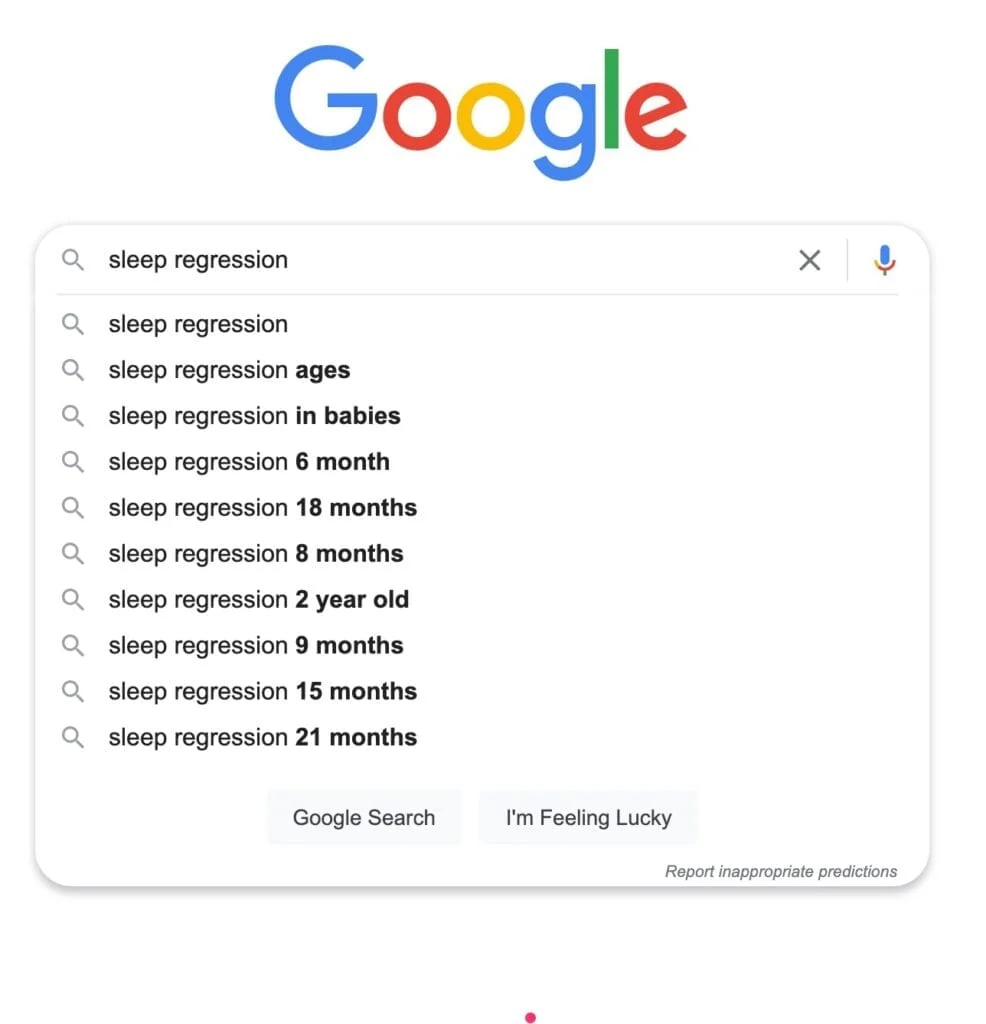
The term "sleep regression" itself is problematic for many professionals, including Dr. Canapari, due to its inherent imprecision. "I don’t love the term ‘sleep regression’ because I feel like the term is imprecise," Dr. Canapari notes. While parents often find themselves reporting significant disruptions in their child’s sleep following a period of consistent good sleep, the underlying mechanisms are not always straightforward or universally predictable. The common perception of regressions occurring at specific ages, such as the "8-month sleep regression" or the "two-year-old sleep regression," is prevalent in popular parenting literature and online forums. However, a review of the medical literature reveals a distinct lack of formal scientific studies or diagnostic criteria for "sleep regression" as a defined medical condition.
This disconnect arises because, from a clinical perspective, the term often encapsulates a broad range of sleep disturbances that may not be a true "regression" in the sense of losing previously acquired skills. Instead, these episodes are frequently indicative of underlying developmental leaps, environmental changes, or physiological shifts that temporarily impact sleep architecture. The focus for parents, however, remains on the tangible outcome: disrupted sleep. As Dr. Canapari emphasizes, "tired parents still need help, even if the term is slippery."
Understanding the Underlying Causes: Beyond the "Regression" Label
While the label "sleep regression" may be a convenient shorthand, the actual causes are multifaceted and often linked to normal developmental milestones. These periods of disrupted sleep are more accurately understood as phases of adjustment rather than a literal step backward in sleep development.
Developmental Leaps: Infants and young children undergo rapid cognitive, motor, and emotional development. These significant developmental shifts can temporarily override established sleep patterns. For instance, the acquisition of new motor skills, such as crawling or walking, can lead to increased nighttime awakenings as the child practices these new abilities in their sleep. Similarly, advances in cognitive development, such as object permanence or language acquisition, can contribute to increased anxiety or awareness, leading to more frequent night wakings.
Major Life Transitions: Significant changes in a child’s environment or routine can also trigger sleep disruptions. These include:
- Changes in Napping Schedules: As children grow, their nap needs evolve. Transitions from multiple naps to a single nap, or the eventual cessation of napping altogether, can lead to periods of overtiredness or confusion about sleep schedules. These are often mislabeled as regressions.
- Starting New Care Environments: Beginning daycare or preschool can be a major adjustment for a child, introducing new social dynamics, stimuli, and potential exposure to illnesses, all of which can impact sleep.
- Family Stressors: Major family events, such as moving house, the arrival of a new sibling, or parental stress, can create an unsettled atmosphere that affects a child’s sleep.
- Illness and Teething: Common childhood ailments like colds, ear infections, and teething can cause discomfort and pain, leading to fragmented sleep. While these are often transient, they can contribute to a perceived "regression."
The Elusive Timeline of "Predictable" Sleep Regressions
The popular notion of specific "sleep regressions" occurring at predictable age intervals is largely unsubstantiated by rigorous scientific research. While some age windows are more commonly associated with sleep challenges, these are often linked to the timing of developmental milestones rather than a fixed biological clock for sleep disruption.
Dr. Jodi Mindell, a prominent pediatric sleep researcher, conducted an informal analysis using survey data from thousands of mothers. Her findings, published in the New York Times, indicated a lack of consistent age-specific sleep "regressions." For example, only 28% of mothers surveyed reported sleep problems around three months (often associated with "leap 3" in popular parenting apps), and a similar percentage reported issues at five months (linked to "leap 4"). Dr. Mindell concluded, "The data clearly indicate that there’s no specific age at which all of a sudden you see a shift in sleep."

Despite this, certain developmental periods are frequently cited as having a higher likelihood of sleep disruption:
- Around 4-5 Months: This period often coincides with a significant shift in infant sleep architecture, where sleep cycles become more adult-like. Infants may begin waking more frequently as they learn to transition between sleep cycles. This is often referred to as the "4-month sleep regression," but it is more accurately a maturation of sleep patterns.
- Around 8-10 Months: This phase can be influenced by increased mobility (crawling, pulling up) and developing stranger anxiety.
- Around 18-24 Months: Toddlers at this age are experiencing significant cognitive and emotional development, including increased independence, testing boundaries, and the emergence of separation anxiety, all of which can impact sleep.
- Around 2-3 Years: This period may involve the transition away from naps, increased imagination and fears, and the ongoing process of asserting independence.
It is crucial to note that these are not definitive "regressions" but rather periods where developmental changes can intersect with sleep. The variability in these ages underscores the fact that each child’s developmental trajectory is unique.
Navigating Sleep Disruptions: Practical Strategies for Parents
When faced with a child’s disrupted sleep, the initial instinct for many parents is concern, especially after having successfully established healthy sleep habits. However, panicking is counterproductive. Dr. Canapari advises a measured approach:
Step 1: Don’t Panic and Assess the Duration
"The first step is not to panic," Dr. Canapari stresses. He suggests that short-term sleep disturbances, lasting one to three nights, are often transient and may not require intervention. "In my experience, anywhere from 1-3 nights of sleep difficulties happen periodically without a clear cause. I would wait and keep doing what you are doing—keep the same schedule, comfort your child, and just try to wait it out." Often, children simply go through phases where they exhibit "annoying things" that resolve on their own.
Step 2: Maintain Consistency and Routine
The cornerstone of managing sleep disruptions is maintaining a consistent sleep schedule and a predictable bedtime routine. This provides a sense of security and helps signal to the child that it is time to wind down and sleep.
- Consistent Bedtime and Wake-Up Times: Even during periods of disrupted sleep, try to maintain regular bedtimes and wake-up times, especially on weekends, to reinforce the body’s natural circadian rhythm.
- Calming Bedtime Routine: A soothing routine, such as a warm bath, reading a book, or quiet playtime, can help prepare the child for sleep. Avoid stimulating activities close to bedtime.
Step 3: Address Underlying Causes (When Necessary)
If sleep disruptions persist beyond a few nights, it may be necessary to investigate potential underlying causes:
- Comfort and Reassurance: Offer comfort and reassurance to your child during night wakings, but avoid reinforcing behaviors that might prolong the awakenings.
- Check for Illness or Discomfort: Rule out any signs of illness, teething pain, or other physical discomfort. Consult with a pediatrician if you suspect a medical issue.
- Review Sleep Environment: Ensure the child’s sleep environment is conducive to sleep – dark, quiet, and at a comfortable temperature.
Step 4: Avoid Creating New Bad Habits
One of the most significant risks during sleep disruptions is inadvertently creating new, problematic sleep associations.
- Avoid Co-Sleeping (Unless Intentional): If a toddler starts waking and is brought into the parents’ bed, they may begin to expect this and wake more frequently to achieve it. "One example of this is starting to take your toddler into bed with you if they start waking up at night. Guess what? Your toddler really likes spending time with you. And they will likely start waking up to come into bed with you," warns Dr. Canapari.
- Limit Extraneous Interventions: Be cautious about introducing new sleep props or overly stimulating responses to night wakings. For instance, habitually offering a bottle to a child who no longer needs it for nourishment can reinforce night waking. "Make sure that you are not inadvertently causing the regression by giving too much attention. For example, if your baby starts crying at night and you then start giving him a bottle every night, you will likely cause the problem behavior to continue."
Step 5: Re-establish Sleep Habits if Necessary
If the disrupted sleep has led to the formation of new, undesirable habits, a gentle re-establishment of previous sleep strategies may be required. This might involve a phased approach to gradually encourage independent sleep again.
Frequently Asked Questions About Sleep Disruptions
What is the first thing parents should do if their child is now having sleep issues?
The initial step is to observe and assess the situation without immediate intervention. Check if established sleep habits have subtly shifted. Has bedtime become more variable? Is the bedtime routine being adhered to consistently? Often, a slight slip in routine can be the culprit.
How long can we expect sleep regression to last?
Typically, these disruptive phases are relatively brief, often resolving within less than a week. If the issues persist for longer, it’s more likely that a new habit has formed or an underlying issue requires attention.

If my child’s sleep disruption is so disruptive and doing nothing is just not working, what can we do to make it come to an end?
If the situation is prolonged and detrimental, it’s time to revisit foundational sleep principles. Ensure a high-quality, consistent bedtime routine is in place. Provide the minimum necessary comfort to soothe your child, aiming to avoid over-stimulation or reinforcing dependency. Consulting with your pediatrician is also advisable at this stage to rule out any medical concerns.
Can they be prevented? For example, when you’re about to potty train your child, can you prepare for a possible sleep regression and stop it from happening?
Prevention is more about proactive sleep hygiene than avoiding a specific event. When anticipating major developmental transitions like potty training, it’s beneficial to double down on your existing, high-quality bedtime routine. Maintaining strict adherence to your child’s sleep schedule and respecting their sleep needs during these periods can help mitigate potential disruptions.
What can we avoid doing so we don’t make sleep regression worse or last longer than it needs to?
The primary pitfall is inadvertently reinforcing the disruptive behavior through an overly attentive or inconsistent response. Avoid creating new dependencies, such as introducing feeding or excessive comfort measures that are not typically part of your established routine. The goal is to provide support without creating a new sleep crutch.
Are kids going to go through a sleep regression? Are some more likely than others?
As noted, the concept of a "sleep regression" is not scientifically defined, and research into its predictability is limited. However, based on clinical observation and parental reports, it’s a common experience for children to go through periods of disrupted sleep. This is often tied to their developmental stages. While there’s no definitive way to predict which children are "more likely," those undergoing rapid developmental leaps or significant environmental changes may experience these phases more intensely.
What are medical causes we should be on the lookout for?
While developmental factors are common, it’s important not to overlook potential medical causes. Minor illnesses, such as the common cold, can manifest as sleep disturbances before other symptoms become apparent. Snoring, which can indicate sleep-disordered breathing, or persistent complaints of leg discomfort, which might point to conditions like restless legs syndrome, should always be discussed with a pediatrician.
How do you tell the difference between "regression" and an issue like teething or a fever that might cause interruption in sleep patterns?
The distinction can be subtle and often becomes clearer in retrospect. Teething or a fever will typically be accompanied by other symptoms or a general sense of unwellness in the child. If sleep disruptions occur without apparent physical discomfort and persist, it may be more indicative of a behavioral or developmental phase. However, if a child is clearly in pain or unwell, addressing that primary issue will naturally lead to improved sleep.
What are good sleep practices for kids that we should make sure to faithfully implement so we all get a good night’s sleep?
Establishing and maintaining consistent, healthy sleep habits is paramount. This includes:
- Consistent Bedtime and Wake Times: Adhering to a regular sleep schedule seven days a week.
- A Relaxing Bedtime Routine: A predictable sequence of calming activities before sleep.
- Optimal Sleep Environment: A dark, quiet, and cool room.
- Adequate Daytime Sleep: Ensuring naps are age-appropriate and well-timed.
- Independent Sleep Skills: Encouraging children to fall asleep independently.
- Regular Physical Activity: Ensuring sufficient daytime exercise without overstimulation close to bedtime.
Conclusion: Embracing the Journey of Childhood Sleep
While the term "sleep regression" may lack scientific rigor, the experiences of parents grappling with disrupted sleep are very real. By understanding that these periods are often tied to natural developmental processes and by employing consistent, evidence-based strategies, parents can navigate these challenging phases more effectively. Prioritizing a stable routine, offering appropriate comfort, and avoiding the creation of new, unhelpful sleep habits are key to restoring peaceful nights for both children and their families.
Wave Goodbye to Sleepless Nights
Struggling with your child’s sleep? My FREE Sleep Training Mini Course is your lifeline. Learn actionable steps to improve your family’s sleep quality. Subscribe today and say hello to better nights!
