

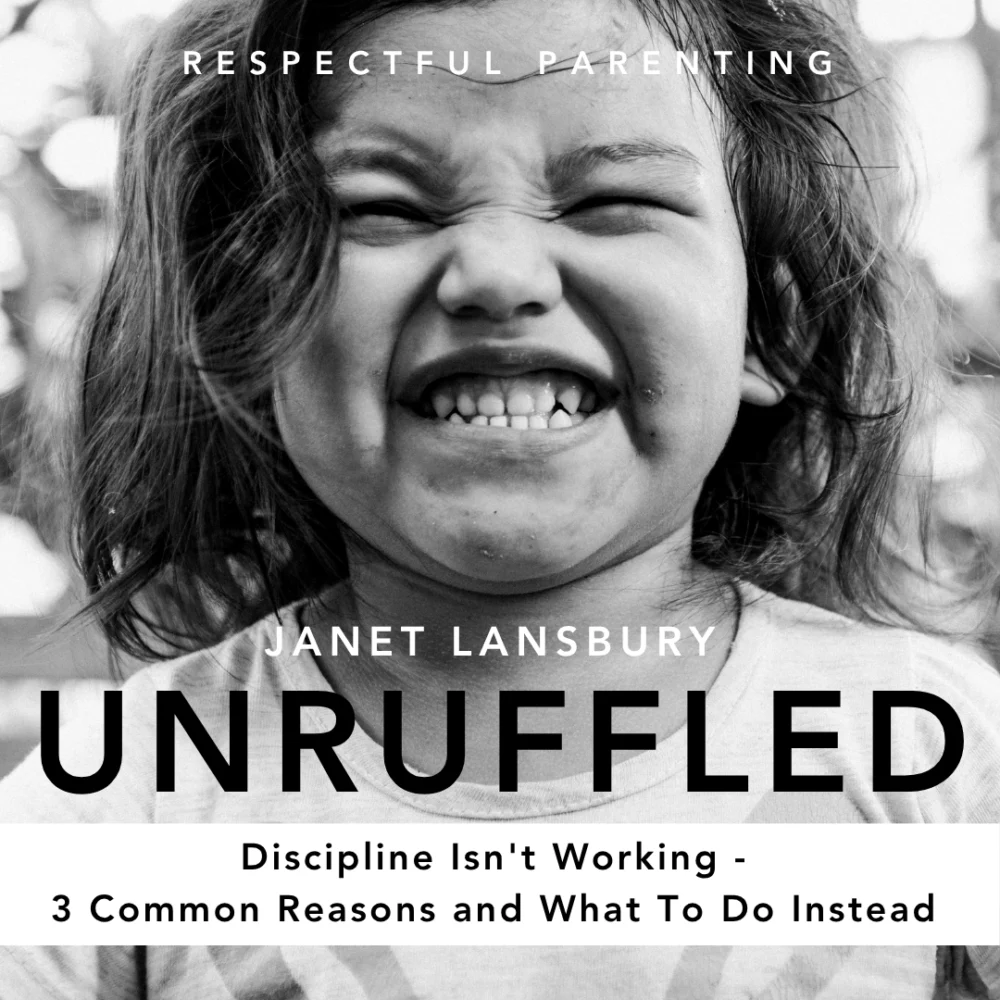
The complexities of child discipline often leave parents feeling bewildered, despite their best efforts to foster empathy, patience, and emotional regulation in their children. Many parents report a persistent disconnect between their intentions—to be caring and composed—and the reality of ongoing challenging behaviors. This often escalates when attempts to set boundaries result in prolonged meltdowns, prompting questions about the effectiveness of current disciplinary approaches. Janet Lansbury, an advocate for respectful parenting and author, delves into three prevalent reasons why disciplinary strategies may fall short, offering nuanced adjustments designed to simplify parental responses and bolster children’s sense of security, visibility, and support, ultimately strengthening parent-child bonds.
Understanding the Roots of Ineffective Discipline
Lansbury’s insights, drawn from her extensive work and her podcast "Unruffled," highlight a common pitfall: reacting to the superficial manifestations of a child’s distress rather than addressing the underlying emotional currents. This perspective is rooted in the understanding that a child’s behavior, particularly undesirable behavior, is often a direct consequence of unmet emotional needs or overwhelming stress. The current climate surrounding parenting advice, Lansbury notes, has evolved significantly since the late 2000s. Initially, parents often faced subtle shaming if their children exhibited distress, with suggestions that parental actions like insufficient breastfeeding or lack of physical closeness were to blame.
However, a notable shift has occurred, leading to a widespread emphasis on acknowledging and validating children’s feelings. While this evolution is largely positive, Lansbury cautions against an overcorrection where the focus on emotions becomes so intense that parental roles and appropriate responses become unclear. She references the spiritual teacher Mooji’s sentiment, "Feelings are just visitors. Let them come and go," advocating for a healthy parental stance that normalizes the ebb and flow of emotions without becoming overwhelmed or feeling solely responsible for resolving them. This balanced perspective is crucial, she argues, to avoid the perception that every emotional surge is a major crisis requiring immediate and exhaustive intervention.
The Evolution of Parental Responses to Emotion
The historical context of parenting advice reveals a trajectory from outright dismissal of children’s emotions to an almost overwhelming emphasis on their management. In earlier eras, phrases like "You get what you get and you don’t throw a fit" reflected a prevailing attitude that discouraged overt emotional expression, framing it as something to be controlled rather than understood. While such approaches might appear to offer immediate behavioral control, Lansbury contends they fail to cultivate the long-term emotional resilience and open communication vital for a strong parent-child relationship.
Conversely, the current emphasis on allowing children to express all their feelings, while beneficial, can sometimes lead to parental confusion about how to respond. This can create a cluttered approach where parents feel they must constantly manage and alleviate their child’s emotional states. Lansbury’s work aims to cut through this complexity, focusing on how to respond to behaviors driven by feelings in a way that builds trust and closeness, rather than imposing control that can undermine a child’s ability to confide in their parents later in life.
Three Common Pitfalls in Disciplinary Practices
Lansbury identifies three primary reasons why disciplinary efforts may prove ineffective:
1. Reacting to Symptoms Instead of Underlying Causes
A significant challenge for parents is recognizing that seemingly unreasonable or "kooky" behavior in children often stems from a feeling of being out of control. This is particularly evident in stressful situations, where children may exhibit behaviors that are out of character.
Case Study: A Family Undergoing Significant Stress
One poignant example shared by Lansbury involves a family navigating a period of immense upheaval. A four-year-old girl, previously well-adjusted, began exhibiting severe behavioral issues following a series of traumatic events: the euthanasia of their beloved family dog and the hospitalization of both her adored grandparents who lived with them. Adding to the stress, the family unexpectedly acquired a nine-month-old puppy. The child’s behavior escalated to constant yelling, defiance, and aggression towards her baby sibling, the new dog, strangers, and her grandparents. She displayed physical aggression, including biting, and began hitting and biting her parents. Despite being described as "super smart, borderline gifted, and manipulative," her bedtime routine became a protracted struggle involving screaming and running out of her room. When questioned, she admitted to feeling sad daily about the dog’s death and missing him.
Lansbury emphasizes that such widespread distress within a family is entirely expected during times of significant loss and stress. Children, in particular, are deeply affected by their parents’ emotional states, even more so than by external events. The child’s out-of-control behavior, Lansbury explains, is a direct consequence of her internal turmoil and overwhelming feelings. Her aggression towards others is not a sign of malice but a symptom of her inability to regulate her emotions.
Her response to the parent’s plea for help was to validate the observation: "She is so out of control." Lansbury stressed that the child likely doesn’t want to behave this way and is likely distressed by her own actions and the impact on her parents. The key, she suggests, is to approach the situation with compassion, viewing the child not as intentionally misbehaving but as someone in need of support through an incredibly difficult time. This involves protecting others from her uncontrolled actions—keeping the baby in a safe space and the dog outside if the child cannot be calmly supervised—while allowing her to express her overwhelming feelings. This approach, Lansbury explains, helps the child feel safer because her parents understand her limitations and respond with empathy, allowing the intense emotions to pass more quickly.
The common parental instinct to respond with frustration or anger ("Cut it out!") is understandable but counterproductive. It stems from a human, adult reaction to behavior that disrupts daily life. However, this response overlooks the underlying emotional drivers. The child’s behavior is a cry for help, a manifestation of feeling "all over the place and I can’t function!" This emotional dysregulation is often mirrored in the parents themselves, especially during stressful periods. The solution lies in acknowledging the difficulty of the situation and committing to helping the child navigate it.
The prolonged bedtime struggles, often lasting over two hours, are frequently linked to an accumulation of unexpressed emotions throughout the day. When parents set boundaries, children may react with outbursts. If these reactions are met with consistent, calm, and understanding responses, the child can begin to process these feelings safely. This prevents the emotions from building up to a crisis point at bedtime, which then leads to extended delays and emotional intensity. Lansbury posits that even seemingly insignificant outbursts or upset reactions to reasonable boundaries are positive signs that children are processing their feelings. This processing, when done safely with parental support, reduces the need for later, more intense emotional releases.
2. Saying No to Behaviors Without Providing Alternative Outlets for Feelings
A second significant reason for disciplinary ineffectiveness is the tendency to simply deny problematic behaviors without offering children alternative, constructive ways to express the emotions driving those behaviors. Parents often find themselves saying, "No, I can’t let you do that. Stop." While setting boundaries is essential, it’s equally important to recognize the underlying feelings that prompt the behavior and provide avenues for their expression.
Lansbury emphasizes that this doesn’t require complex emotional analysis or pinpointing exact feelings. Simple acknowledgment and observation can be powerful. For instance, when a child is engaged in a behavior that must be stopped, a parent can say, "I can’t let you do that. I’m going to stop you. You really want to keep doing that. You’re having a hard time stopping yourself." This brief reflection, where the parent acknowledges the child’s desire and struggle while firmly upholding the boundary, can have a calming effect. It communicates that while the behavior is unacceptable, the underlying desire or feeling is understood and not judged. This nuanced approach helps children understand that their actions are not condoned, but their feelings are valid and safe to experience. When parents focus solely on the symptoms without offering an outlet for the underlying emotions, children can mistakenly believe that certain feelings are unacceptable or that they should never want to act in certain ways. This can hinder the process of addressing the root cause of the behavior.
3. Feeling Overly Responsible or Uncomfortable with a Child’s Emotions
The third common reason discipline falters is when parents feel overly responsible for their child’s emotional state or become uncomfortable with their child experiencing negative feelings. This discomfort can lead parents to try to "fix" the emotion or appease the child, rather than simply setting a boundary and allowing the child to experience and express their feelings fully.
Lansbury highlights that this can lead parents to second-guess their own decisions or doubt their right to set boundaries. For example, a parent might hesitate to take a moment for themselves to use the bathroom, feeling that their child’s potential upset is too great a burden to impose. They might worry that their actions are causing pain and feel compelled to placate the child, leading to a less decisive and more anxious approach.
This dynamic was discussed in a previous podcast episode, "Struggling with a Strong-Willed Toddler’s Tantrums," where a parent believed her role extended to teaching her child self-regulation, in addition to setting boundaries and allowing emotional expression. Lansbury argues that this is an unproductive and unhelpful burden. It sends a message to the child that their uncomfortable feelings are not entirely safe or manageable, creating a sense of crisis rather than normalization. The younger the child, the more volatile their emotions are likely to be, and this is a normal aspect of development. Increased household stress can also exacerbate these emotional fluctuations.
The challenge lies in finding a "wonderful middle place" that encourages children to share their feelings without parents feeling overwhelmed or taking on the responsibility of fixing them. This requires bravery and a deep trust in the child’s capacity to navigate their emotions. When parents can remain calm and accepting, even when their child is upset by a boundary, it signals safety and resilience. The child learns that their feelings are acceptable and that they have the inner strength to process them. This contrasts with an approach where parents become overly involved in managing the child’s emotions, which can inadvertently undermine the boundary and create a cycle of seeking external validation for their feelings.
The Nuance of Parental Responses and Child Development
Lansbury addresses a letter from a parent who felt discouraged by her podcast, which featured success stories of applying her methodology. This parent described her own experience as a mother of a six- and four-year-old as "extremely challenging," despite her sincere efforts to embody respectful, attuned parenting. She recounted an instance where her son, upset about not being allowed to bring a cardboard sword to his grandparents’ house, became immobile and angry for 15 minutes despite her attempts to acknowledge his feelings and find a compromise. The parent felt that the podcast’s focus on harmonious outcomes failed to acknowledge the messy, prolonged, and emotionally intense nature of parenting for many committed parents, leaving them feeling like failures.
Lansbury responded with empathy, acknowledging the parent’s feelings and the potential for her content to be discouraging if not balanced with the reality of everyday parenting challenges. She emphasized that while success stories offer a glimpse of a desired outcome, they do not imply an end to difficulties. Parenting young children is inherently messy, prolonged, and emotionally demanding, and this should not be overlooked. She offered to discuss the parent’s challenges further, requesting more examples.
Analyzing the sword incident, Lansbury suggested that the parent might have been leaning too heavily into making the situation "okay" for her son, perhaps trying too hard to find a compromise or overly validating a demand that was not entirely reasonable. She proposed a more direct approach: "Yeah, you really want to bring that. Gosh, that’s making you so mad. Come on, we’re going to go. But you can yell at us the whole way in the car if you need to." This approach, Lansbury suggests, is direct, kind, and simple, allowing the child to express their anger while the parent maintains the boundary. The child, she posits, would likely have a shorter, more intense reaction rather than a prolonged 15-minute standstill. The key is to welcome the feelings with confidence and simplicity, assuring the child that their anger is acceptable and will not disrupt the parent’s resolve.
This perspective is not about minimizing the child’s emotions but about reframing the parent’s role. Instead of seeing the child’s distress as a problem to be solved or a sign of parental failure, it’s viewed as an opportunity for the child to express and process emotions safely. When parents exhibit decisiveness and confidence in upholding boundaries, while simultaneously welcoming emotional expression, it can lead to quicker resolution and a child’s understanding that expressing feelings is a positive and normal part of life, not a catastrophic event requiring parental intervention.
The Importance of Bravery and Trust in Parenting
Ultimately, effective discipline, according to Lansbury, hinges on a combination of bravery and trust. Bravery is required to set firm boundaries while simultaneously creating a safe space for children to express their negative reactions. Trust is placed in the child’s inherent capacity to navigate life’s challenges, including disappointment, anger, and loss. This perspective simplifies the dynamic: parents observe the situation, set boundaries with confidence, and allow their children to express their feelings without fear or judgment. This approach, Lansbury argues, is less complicated than the often-overwhelming messages about emotions and behaviors circulating in parenting discourse.
Her book, "No Bad Kids," and the "No Bad Kids Master Course" offer further resources for parents seeking to implement these principles. The core message is that by embracing a balanced approach to discipline—one that acknowledges feelings, sets clear boundaries, and trusts in a child’s resilience—parents can foster stronger relationships and help their children develop into emotionally healthy individuals. The journey may be messy and challenging, but with the right mindset, it can lead to more harmonious outcomes.
