

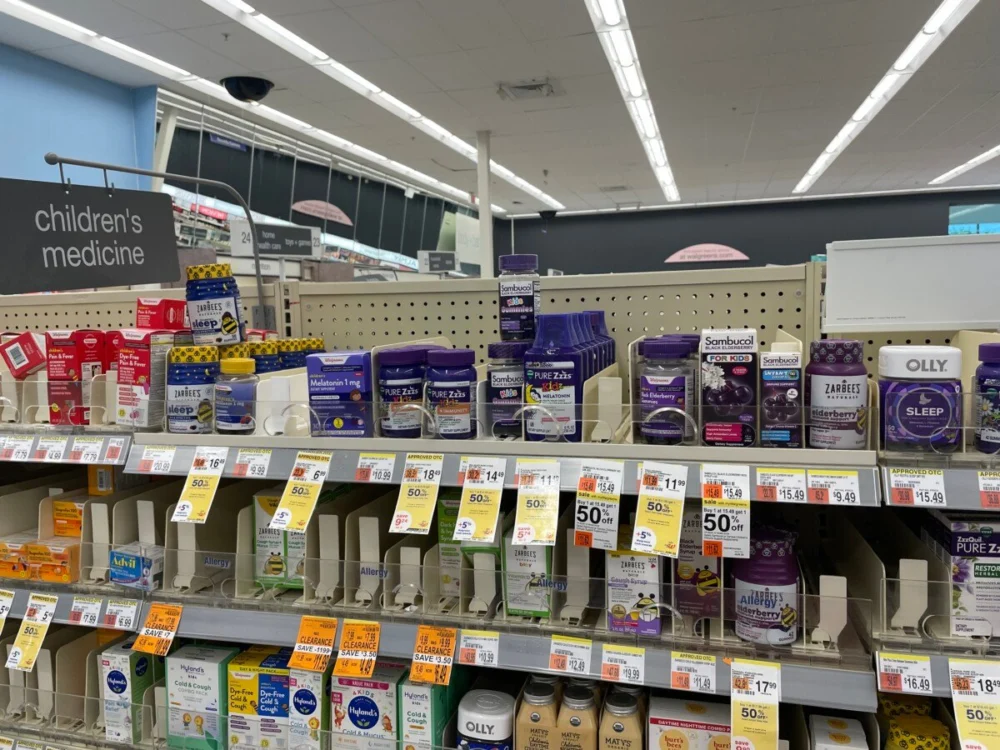
A significant surge in accidental melatonin ingestions among children, particularly those under the age of five, has prompted urgent calls for parental awareness and a reevaluation of the accessibility of this popular sleep aid. Data reveals a staggering 530% increase in melatonin overdoses over the past decade, with a particularly sharp acceleration observed since the onset of the COVID-19 pandemic. This trend, highlighted by a comprehensive study and alarming emergency room statistics, positions melatonin as a leading cause of accidental ingestions in young children, necessitating a deeper understanding of the risks involved.
Escalating Emergency Room Visits and Overdose Incidents
Recent analyses of emergency room data have underscored the growing prevalence of melatonin-related incidents. A pivotal study, "Pediatric Melatonin Ingestions—United States, 2012-2021," published in the Morbidity and Mortality Weekly Report (MMWR) in June 2022, examined poison control center data spanning a decade. The findings paint a concerning picture:
- Exponential Increase in Ingestions: The study reported a 530% rise in melatonin ingestions over the ten-year period. In 2012, melatonin accounted for a mere 0.6% of all reported ingestions, a figure that dramatically climbed to 4.9% by 2021. This translates to a substantial increase in the absolute number of reported incidents, reaching 260,435 over the decade.
- Pandemic Acceleration: A marked acceleration in these ingestions was observed beginning in 2020, coinciding with the initial phases of the COVID-19 pandemic. This correlation suggests a potential link between pandemic-related sleep disturbances and increased reliance on over-the-counter sleep aids like melatonin.
- Leading Cause for Young Children: Melatonin has emerged as one of the most frequent culprits for emergency room visits in children under five years old due to accidental ingestions. The study estimated that approximately 7% of all emergency visits for accidental ingestions in this age group were attributed to melatonin, with a significant proportion involving melatonin gummies.
The visual data presented in the study further emphasizes this trend. One graph clearly illustrates a steady, almost linear, upward trajectory in melatonin ingestions reported to poison control centers from 2012 to 2022. Another visualization highlights an increasing trend in more serious outcomes, including hospitalizations and intensive care unit (ICU) admissions, particularly from 2020 onwards.

Serious Outcomes and Tragic Incidents
While many melatonin ingestions are managed at home or with minimal medical intervention, the study did report more severe consequences:
- Hospitalizations and ICU Stays: Approximately 10.7% of reported ingestions required management at healthcare facilities. Of these, 14.7% resulted in hospitalization, and 1% necessitated an ICU stay. While these percentages might seem small in isolation, they represent a significant increase compared to previous years. It is crucial to note that a substantial portion of hospitalized patients were teenagers with intentional ingestions, often indicating underlying mental health concerns rather than solely the toxicity of melatonin itself. However, the largest increase in hospitalizations was observed in children under five.
- Reported Deaths: The study documented two deaths associated with melatonin ingestions: one in a 13-month-old and another in a 2-month-old. Both incidents occurred at home, with one ingestion involving intentional misuse and the reason for the other remaining unknown. These are believed to be among the first reported fatalities directly linked to melatonin overdoses, amplifying concerns about the perceived safety of this supplement.
Contributing Factors to the Rise in Overdoses
The study authors did not definitively pinpoint the reasons behind the escalating rates of melatonin overdose. However, several plausible factors are frequently cited by medical professionals and researchers:
- Increased Accessibility and Marketing: Melatonin products, particularly gummies, are widely available in pharmacies and supermarkets, often marketed with appealing packaging that can resemble candy. This accessibility, coupled with extensive marketing that emphasizes sleep benefits, may contribute to a perception of harmlessness, leading parents to administer them without thorough consideration or consultation. A visual inspection of store shelves often reveals an abundance of melatonin products specifically for children, frequently in vibrant colors and child-friendly formats.
- Pandemic-Related Sleep Disruptions: The widespread societal changes brought about by the COVID-19 pandemic, including altered routines, increased screen time, and heightened anxiety, significantly disrupted children’s sleep patterns. Many parents, seeking quick solutions, turned to over-the-counter sleep aids like melatonin. The subsequent lockdowns and shifts in daily life likely exacerbated these sleep challenges, creating a fertile ground for increased melatonin use.
- Misunderstanding of "Natural" Supplements: Melatonin is often perceived as a natural and therefore inherently safe supplement. While it is a hormone naturally produced by the body, synthetic melatonin supplements are still chemical compounds that can have physiological effects and potential risks, especially when consumed in excessive amounts or by young, developing children.
- Lack of Stringent Regulation: In the United States, dietary supplements, including melatonin, are not regulated by the Food and Drug Administration (FDA) in the same rigorous manner as pharmaceutical drugs. Manufacturers are responsible for ensuring the safety and labeling of their products, but the FDA does not require pre-market approval or clinical trials to prove efficacy or safety. This regulatory landscape can lead to inconsistencies in product quality, dosage accuracy, and the presence of undeclared ingredients, further complicating safe usage. This contrasts with other regions like Canada, the European Union, and Taiwan, where melatonin is subject to stricter regulations and, in many cases, requires a prescription or has specific dosage limitations.
Risk Factors and Potential Drug Interactions

The study identified certain risk factors associated with accidental melatonin ingestions:
- Age: Children less than five years old were found to be at a higher risk.
- Gender: Male gender was also associated with an increased incidence of ingestions.
Furthermore, it is critical for parents and caregivers to be aware of potential drug interactions with melatonin. While not exhaustive, some common interactions include:
- Fluvoxamine: This antidepressant can increase melatonin levels in the body.
- Oral Contraceptives: These can also affect melatonin metabolism.
- Hypnotic Drugs: Combining melatonin with other sedatives or sleep medications can lead to excessive drowsiness and respiratory depression.
- Blood Pressure Medications: Melatonin can lower blood pressure, potentially interacting with antihypertensive drugs.
- Blood Sugar Medications: Melatonin can affect blood sugar levels, requiring caution in individuals taking diabetes medications.
Understanding the Side Effects of Overconsumption
Taking too much melatonin can lead to a range of adverse effects, including:
- Daytime sleepiness and lethargy
- Delirium or confusion
- Nausea and vomiting
- Difficulty staying asleep or frequent nighttime awakenings
- Dizziness and unsteadiness
- Irritability and mood changes
- Bedwetting
Navigating Safe Melatonin Use: Expert Recommendations

Given the escalating concerns, medical professionals emphasize a cautious approach to melatonin use in children. Key recommendations include:
- Consultation with a Healthcare Provider: Before administering melatonin to a child, parents should always consult with their pediatrician or a sleep specialist. This ensures appropriate diagnosis of sleep issues and exploration of non-pharmacological interventions first.
- Understanding Dosage: If melatonin is deemed necessary, it should be used at the lowest effective dose. Dosage guidelines can vary significantly based on age and specific sleep issue, underscoring the need for professional guidance.
- Appropriate Storage: Melatonin products should be stored securely out of reach of children, just as with any medication or supplement. The appealing packaging of gummies can exacerbate the risk of accidental ingestion if not stored properly.
- Focus on Sleep Hygiene: Prioritizing good sleep hygiene practices is paramount. This includes establishing consistent bedtime routines, creating a conducive sleep environment, limiting screen time before bed, and ensuring adequate physical activity during the day.
- Awareness of Product Variability: Due to the lack of stringent regulation, the actual melatonin content in supplements can vary from what is listed on the label. This variability adds another layer of risk when administering these products to children.
Broader Implications and Public Health Response
The rising tide of pediatric melatonin overdoses necessitates a multi-faceted public health response. This could involve:
- Public Awareness Campaigns: Educating parents and caregivers about the potential risks associated with melatonin, the importance of consulting healthcare professionals, and emphasizing sleep hygiene practices.
- Stricter Regulation of Supplements: Advocating for enhanced regulatory oversight of dietary supplements by agencies like the FDA to ensure product safety, accurate labeling, and evidence-based marketing.
- Pediatrician Education: Equipping pediatricians with up-to-date information and resources to counsel families effectively on sleep issues and the appropriate use of melatonin.
- Industry Accountability: Encouraging manufacturers to adopt more responsible marketing practices and to ensure the quality and safety of their melatonin products.
The widespread availability and apparent innocuousness of melatonin have masked a growing public health concern. As the data clearly indicates, a vigilant and informed approach is essential to protect children from the potential dangers of accidental overdose and to ensure that sleep aids are used safely and effectively when necessary. The urgency of this situation calls for continued research, enhanced public education, and a robust regulatory framework to safeguard the well-being of our youngest populations.
