

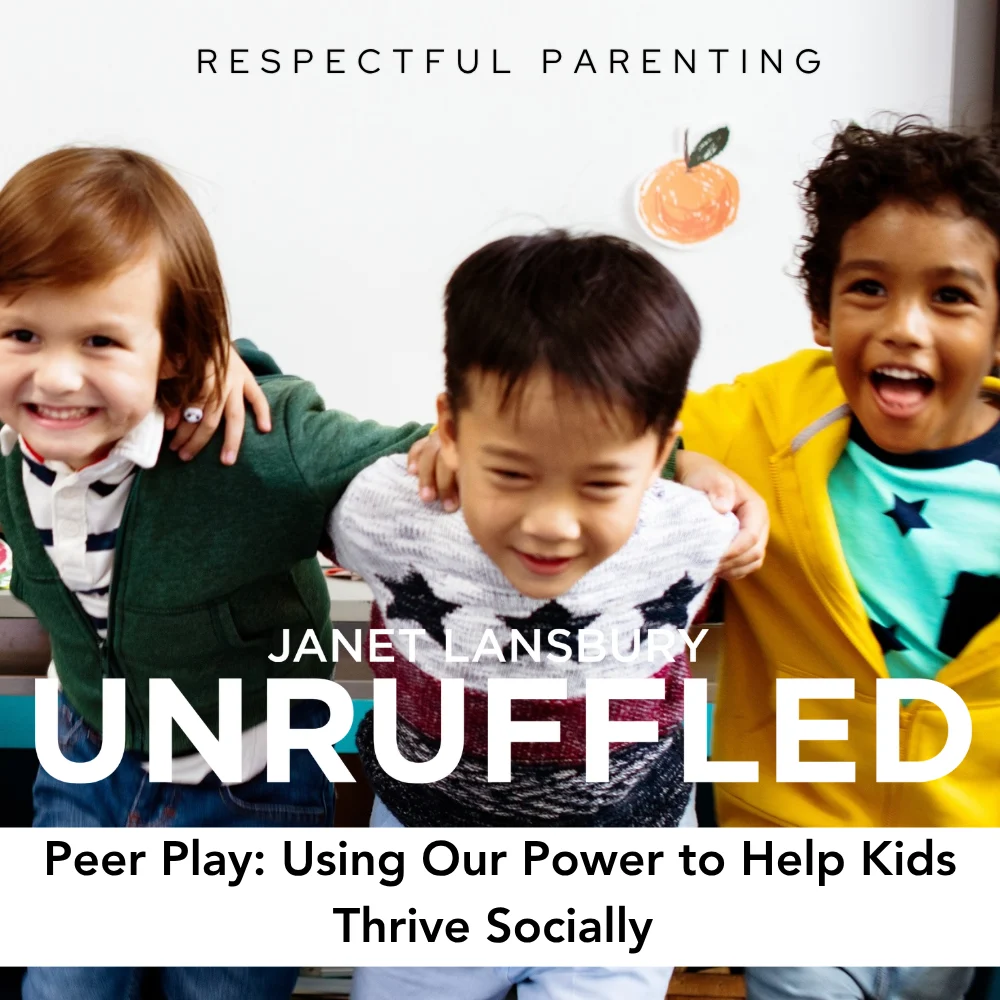
The complexities of childhood social development are a constant source of concern and curiosity for parents. Expert Janet Lansbury, in a recent discussion on her podcast "Unruffled," addresses three distinct scenarios illustrating common challenges children face in peer interactions and explores the crucial role parents play in fostering social confidence and resilience. Lansbury emphasizes that while direct modeling of positive social behavior is important, it is often the nuanced application of boundaries and the unwavering trust in a child’s developmental process that yield the most significant positive outcomes.
Navigating the Nuances of Childhood Social Dynamics
Lansbury’s insights stem from her engagement with parent-submitted questions, each highlighting a different facet of social interaction. The first case involves a four-year-old whose highly specific directorial style in pretend play, while stemming from a vivid imagination, creates friction with her peers. The second concerns a four-and-a-half-year-old who experiences exclusion from a group of older playmates, prompting discussions about bullying and intervention strategies. The third, a brief inquiry, focuses on helping a reserved three-year-old feel more comfortable in social settings. Across these diverse situations, Lansbury identifies a unifying theme: the profound influence parents wield not just through direct instruction, but through their own relational approaches, particularly concerning boundaries and trust.
The Director’s Dilemma: When Imagination Meets Reality
The first parent’s query details a four-year-old deeply immersed in imaginative play, often dictating character roles and dialogue with exacting precision. The issue arises when friends deviate even slightly from her script, leading to frustration and tears. The parent expresses concern that this rigid play style is negatively impacting her daughter’s friendships, as peers become annoyed by her directives.
"This is one we can help this child with," Lansbury states, highlighting the parent’s role in setting appropriate boundaries. She suggests that the child’s insistence on control in play might be a manifestation of underlying feelings, potentially related to sibling rivalry or a broader developmental need to individuate. Lansbury argues that parents can inadvertently enable this behavior by trying too hard to please their child within the play scenario, thereby giving the child excessive power. Instead, she advocates for parents to establish reasonable boundaries, even if it means disappointing their child.
Lansbury posits that a child’s intense need for control in play can signal a deeper requirement for parental boundaries. "When we’re trying to participate with them and then they’re being so exacting and it seems impossible to please them even though we’re playing with them, that’s something to look at," she advises. This approach, she explains, provides a crucial model for the child, teaching them that not everyone will comply with their every demand, a vital lesson for navigating peer relationships. The parent’s discomfort in such situations is a key indicator that a boundary is needed, serving as a model of self-care and realistic social interaction for the child.
Addressing Exclusion and the Misapplication of "Bullying"
The second scenario addresses a four-and-a-half-year-old experiencing exclusion at the playground by older children. The parent describes instances where the other girls pretend she is a monster, run away, or exclude her from their games. While the parent generally favors allowing children to resolve their own conflicts, the repeated exclusion has led to discussions with other parents about intervention. One father’s direct instruction to his daughter to include the other child temporarily resolved the situation. The parent questions whether this intervention aligns with respectful parenting and if seeking alternative play environments is a better approach.
Lansbury carefully distinguishes this scenario from outright bullying, a term she believes is often overused for young children. She suggests that the exclusion is more likely a result of a natural social dynamic, particularly given the age difference between the children. "It’s quite different from children excluding another child like this," Lansbury notes, emphasizing that the play described doesn’t reflect the pervasive targeting characteristic of bullying.
She points out that the one-year age gap in preschool can represent a significant difference in social-emotional development. The older children may simply be operating on a different social wavelength, naturally leading to exclusion of a younger playmate. Lansbury advocates for parents to set realistic expectations for their child, acknowledging that playing within a group of older children may not always be feasible. She encourages parents to support their child’s feelings about exclusion, allowing them to vent and process their emotions, rather than trying to "fix" the situation for them.
The intervention by the other father, while well-intentioned, is seen by Lansbury as a temporary fix that doesn’t equip the child with the skills to navigate such social challenges independently. "An adult came in and tried to fix it for her, seeing this as a problem," she observes, suggesting that the situation itself might not be a "problem" but rather a learning opportunity. Lansbury emphasizes that allowing children to experience rejection and exclusion, and to learn from these interactions, is crucial for building resilience and confidence. The key, she asserts, is trusting the child to navigate these experiences with parental support, rather than direct intervention.
Supporting the Reserved Child: Trust Over Pressure
The final question addresses a common concern: how to help a reserved three-year-old become more comfortable around others. Lansbury’s response is consistent with her overall philosophy: trust the child’s process. She cautions against pushing, coaxing, or attempting to "fix" a child’s natural reserve, as this can inadvertently signal to the child that their current state is problematic.
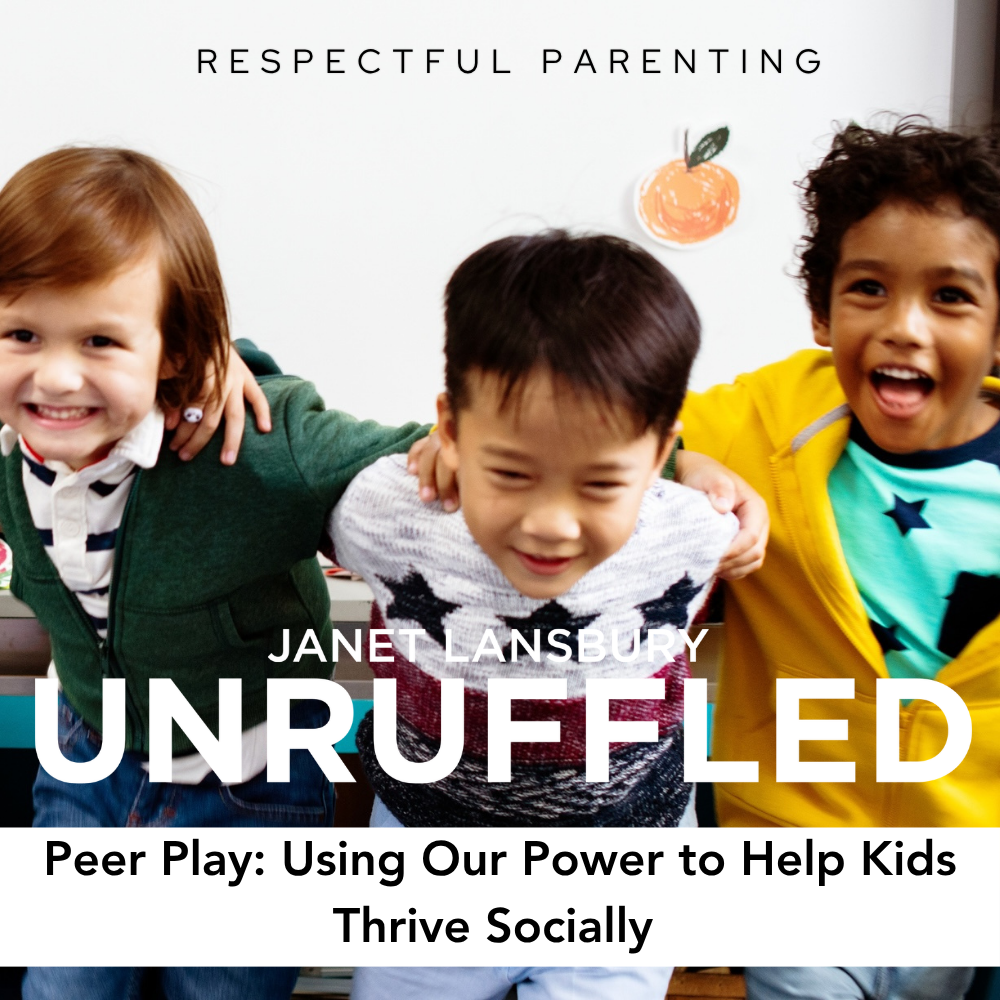
"The answer is in trusting them to find their own way to feeling comfortable around other people by not pushing them," Lansbury explains. She advocates for creating a supportive environment where the child feels safe to observe and engage at their own pace. While parents should be present and provide a secure base, they should avoid overly managing the child’s social interactions. For instance, if a child wants to sit with a parent in a social situation, that is acceptable. However, Lansbury advises against parents constantly following their child around, suggesting a gentle boundary: "I’ll be here. I’ll be comfortable. I’ll have a boundary. I’ll take care of myself, and I trust you to do what you’re ready to do."
This approach, Lansbury contends, empowers the child with self-trust and confidence. Children, she notes, are adept at sensing when adults are trying to engineer their social comfort, which can be counterproductive. Instead, allowing interactions to unfold on the child’s terms, within a framework of parental presence and reasonable boundaries, fosters genuine social development. The parent’s role is to be a secure anchor, not an active participant in managing the child’s social anxiety.
Broader Implications for Parenting and Social Development
Lansbury’s insights offer a paradigm shift in how parents approach common childhood social challenges. The underlying message is that children’s social skills are not solely learned through direct instruction or imitation, but are deeply influenced by the relational dynamics established within the family.
The Power of Parental Boundaries and Trust
The recurring emphasis on boundaries and trust underscores their significance. In the case of the four-year-old director, the parent’s discomfort with her child’s exacting demands is a vital cue. By setting boundaries, parents model healthy self-respect and realistic social expectations. This allows children to experience a natural range of emotions, including frustration and disappointment, which are essential for developing emotional regulation and resilience.
Similarly, for the child experiencing exclusion, trusting her capacity to navigate this situation, with parental support for her feelings, is paramount. This approach helps the child develop coping mechanisms and a sense of agency, rather than relying on adult intervention. Data from developmental psychology supports the importance of allowing children to experience age-appropriate challenges. For instance, research on "scaffolding" in child development suggests that while adults provide support, the goal is to gradually withdraw that support as the child gains competence. Over-intervention can hinder this process.
Redefining Social Success in Early Childhood
Lansbury challenges conventional notions of social success, which often equate popularity and effortless integration with peers as the ideal. Instead, she champions a more nuanced view, where resilience in the face of rejection, the ability to assert oneself appropriately, and the capacity to manage one’s own emotions are considered hallmarks of healthy social development.
The prevalence of anxiety and social challenges in children has been a growing concern. According to the CDC, approximately 7% of children aged 3-17 years have diagnosed anxiety. While many factors contribute to this, Lansbury’s emphasis on parental approaches that foster self-trust and emotional regulation offers a valuable perspective in addressing these trends.
The Intergenerational Impact of Parenting Styles
The article implicitly touches upon the intergenerational impact of parenting styles. Many parents today are seeking to implement more respectful and authoritative approaches, often in contrast to parenting methods they experienced themselves. Lansbury acknowledges this by noting that "many of us are forging a path to a respectful and authoritative approach that maybe we didn’t receive as children." This journey requires self-compassion and a willingness to learn and adapt.
The broader implications of Lansbury’s advice extend to fostering a generation of individuals who are not only socially adept but also emotionally intelligent and resilient. By understanding and leveraging their "power" through thoughtful boundaries and unwavering trust, parents can equip their children with the foundational skills to thrive in an increasingly complex social world. The seemingly small interactions of everyday play, when guided by these principles, lay the groundwork for significant long-term social and emotional well-being.
