

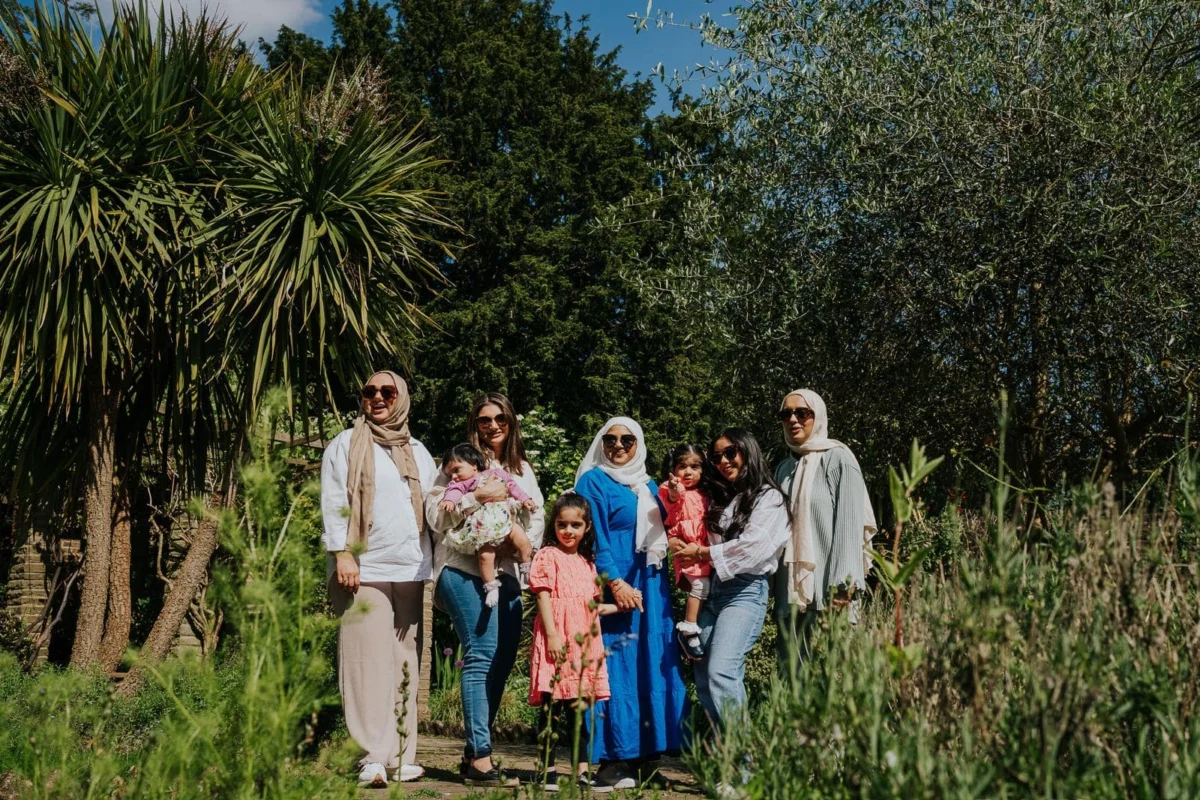
Zarina Ayyub, a formidable advocate for maternal health and an experienced Doula based in Tooting, London, has dedicated her life to challenging entrenched cultural and systemic barriers to breastfeeding. Her personal odyssey, spanning over three decades and five children, serves as a poignant testament to the struggles faced by many South Asian women in the UK, while simultaneously charting a path towards greater understanding and acceptance of natural infant feeding practices. Her story is one of profound resilience, demonstrating how individual determination can ignite a generational shift within a community often bound by tradition and societal expectations.
Early Struggles and Systemic Gaps (1990s)
Ayyub’s journey began in 1990, just shy of her 20th birthday, when she gave birth to her first child. The experience was marked by a profound lack of support and information, mirroring the challenges her own mother had faced decades earlier. Born in Birmingham, Ayyub’s mother arrived in England from Pakistan in the late 1960s, a pioneer within her community. Despite attempting to breastfeed her older son, Ayyub’s mother encountered significant obstacles, including receiving formula and milk-drying medication in hospital—a practice common during an era when formula companies heavily influenced hospital policies, often without adequately informing mothers of alternatives or benefits of breastfeeding. This early trauma deeply impacted Ayyub’s mother, who, having lived in a multi-generational household with discouraging in-laws, advised her daughter against breastfeeding to spare her similar pain.
The historical context of the late 20th century in the UK saw a decline in breastfeeding rates, influenced by a confluence of factors including aggressive formula marketing, a medicalised approach to childbirth, and a lack of consistent, evidence-based breastfeeding support for new mothers. For ethnic minority communities, these systemic issues were often compounded by cultural beliefs and language barriers. Ayyub recounts that her mother’s family, consistent with certain traditional beliefs in parts of India and Pakistan, considered colostrum—the vital first milk rich in antibodies—to be "dirty." Instead, new mothers were often advised to feed newborns a concoction of cooled boiled water with fennel and other seeds, intended to clear meconium, overlooking the critical nutritional and immunological benefits of colostrum. This cultural misunderstanding further isolated mothers like Ayyub’s mother from effective breastfeeding practices.
Ayyub’s first birth experience was similarly disempowering. Her tiny baby, weighing 4 lbs 13 oz, was immediately taken to a special nursery and tube-fed formula, while Ayyub was left alone, engorged and uninformed. "No one in the hospital explained anything to me or gave me any choices," she recalls, highlighting a systemic failure to provide basic education on colostrum or expressing milk. This early separation and lack of guidance, combined with her mother’s cautionary tales, left her feeling scared and overwhelmed, unable even to hold her newborn initially. This period underscores the critical need for immediate, culturally sensitive postnatal support, particularly for young, first-time mothers who may lack an existing support network.
Overcoming Adversity: The First Steps Towards Advocacy
The initial days at home after her first daughter’s birth were fraught with pain and confusion. Ayyub’s nipples became severely sore, cracked, and bleeding. Her husband, unfamiliar with Birmingham’s limited late-night shopping, struggled to find suitable infant supplies, underscoring the practical challenges faced by new parents without adequate preparation or community support.
Following her return home, Ayyub and her husband moved into their own flat in London after two weeks at her mother’s. However, the move did not immediately alleviate the pressures. Living within her husband’s extended Pakistani family, which included his aunt, uncle, and grandparents, meant navigating a different set of cultural expectations. Her in-laws, even her mother-in-law who had breastfed her own sons, struggled to understand Ayyub’s desire to breastfeed. There was a strong community emphasis on maintaining a "spotless house" and contributing to household chores, often viewing the act of sitting down to feed a baby as "laziness." This societal pressure to prioritise domestic duties over infant feeding time created immense conflict for Ayyub, who instinctively understood her baby’s need for touch and closeness. Her husband, influenced by family comparisons to larger, formula-fed babies, also expressed concerns about their children being "too skinny" and encouraged bottle feeding.
These experiences are not isolated. Data from Public Health England and other research consistently highlight lower breastfeeding initiation and continuation rates among South Asian mothers in the UK compared to the general population, with cultural norms, lack of family support, and misconceptions often cited as significant barriers. A 2018 report by the National Centre for Social Research found that while breastfeeding initiation rates have risen nationally, disparities persist, with ethnic minority women often facing unique challenges rooted in cultural practices and access to appropriate support. The implicit pressure to conform to family expectations, particularly regarding household duties and public modesty, often overrides individual maternal choices.
Empowerment Through Knowledge and Persistence
A turning point arrived for Ayyub with her third child. By this time, her household had expanded to include her mother-in-law and two brothers-in-law, intensifying the pressures. Yet, something within her solidified. She discovered "The Womanly Art of Breastfeeding," a seminal publication by La Leche League, borrowing it from the library and reading it cover-to-cover during her pregnancy. This extensive reading provided her with crucial, evidence-based information that directly contradicted the misinformation she had encountered. "Colostrum is not dirty, if you lose your milk, you can relactate… I felt that now I had all this information, no one was going to mess with me!" she declared. This newfound knowledge empowered her to breastfeed her third child for two years, despite continued critical comments from her extended family.
This period marked a significant shift in Ayyub’s approach. Her determination to breastfeed, despite pervasive disapproval, laid the groundwork for her future advocacy. When her third baby developed mastitis, she sought help from a La Leche League (LLL) Leader and attended a group in Wimbledon. This experience, though initially awkward as she was the only woman in traditional shalwar kameez, exposed her to a supportive community and demonstrated the power of peer support.
From Personal Struggle to Public Service: The Birth of an Advocate
Even from the birth of her first child, Ayyub had harboured the idea of becoming a breastfeeding peer supporter. Just weeks after her own traumatic first birth, she found herself helping her husband’s aunt, who was also struggling with engorged breasts in a household similarly devoid of breastfeeding knowledge. This early experience ignited her passion for helping others. She also successfully supported her younger sister in breastfeeding all her children, a testament to her innate ability to guide and empower. Over time, seeing her sister’s "big, happy babies," even Ayyub’s mother, initially traumatised by her own experience, became a staunch supporter of breastfeeding for her last two grandchildren. This intergenerational shift within her immediate family provided powerful validation for Ayyub’s chosen path.
The opportunity to formalise her passion arose after the birth of her fifth child, who was born prematurely at 35 weeks and suffered from severe reflux. Following unhelpful advice from a breastfeeding counsellor, Ayyub visited a local breastfeeding café, where she saw an advertisement for La Leche League’s 12-week peer supporter training course, run by the NHS. "Thank God I came today!" she recalls thinking, recognising the chance to transform her painful experiences into a source of support for other mothers. She successfully completed the course, becoming a certified peer supporter.
For two to three years, Ayyub served as the only Muslim peer supporter in her area, highlighting the critical need for diverse representation in healthcare support roles. She observed that many Asian women were reluctant to attend mainstream groups, often due to cultural modesty and a preference for relatable support. "It’s easier to relate to people who look like you, even when there isn’t a language barrier," she notes. Her presence as a culturally sensitive supporter made a profound difference, leading many mothers to seek her continued guidance.
Current Impact and Future Directions: A Doula’s Legacy
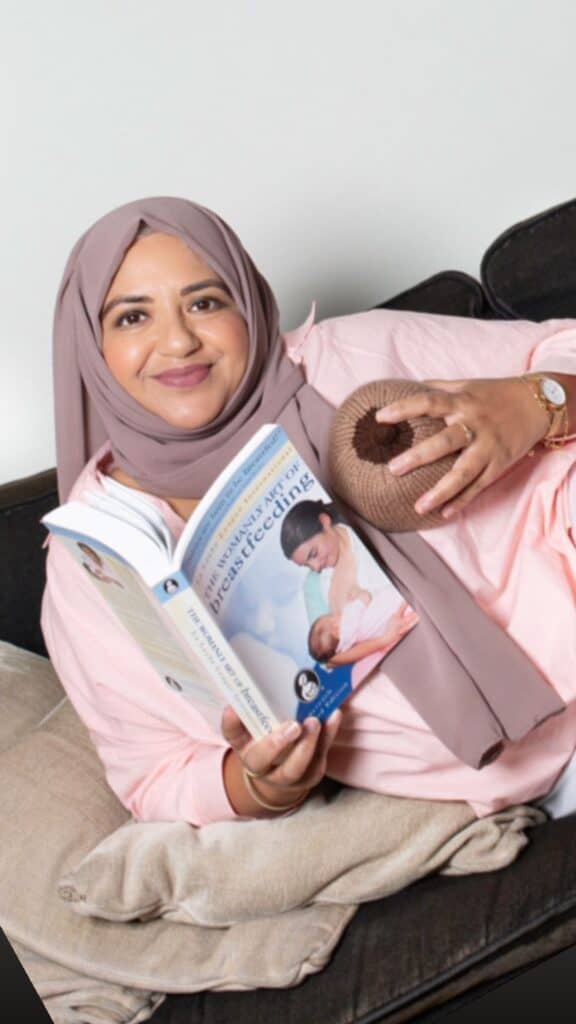
Today, Zarina Ayyub works as a Doula, providing invaluable physical, emotional, and informational support to mothers during birth and the postnatal period. Her journey from an uninformed, unsupported young mother to a knowledgeable and compassionate professional underscores the transformative power of education and advocacy. Her work now extends beyond individual support, engaging with broader initiatives aimed at addressing health inequalities. Last year, she participated in a project with The Raham Project in Peterborough and the charity BLISS, focusing on neonatal intensive care units and premature babies. Her willingness to share her deeply personal and often painful birth stories contributes vital qualitative data to these critical areas of maternal and infant health.
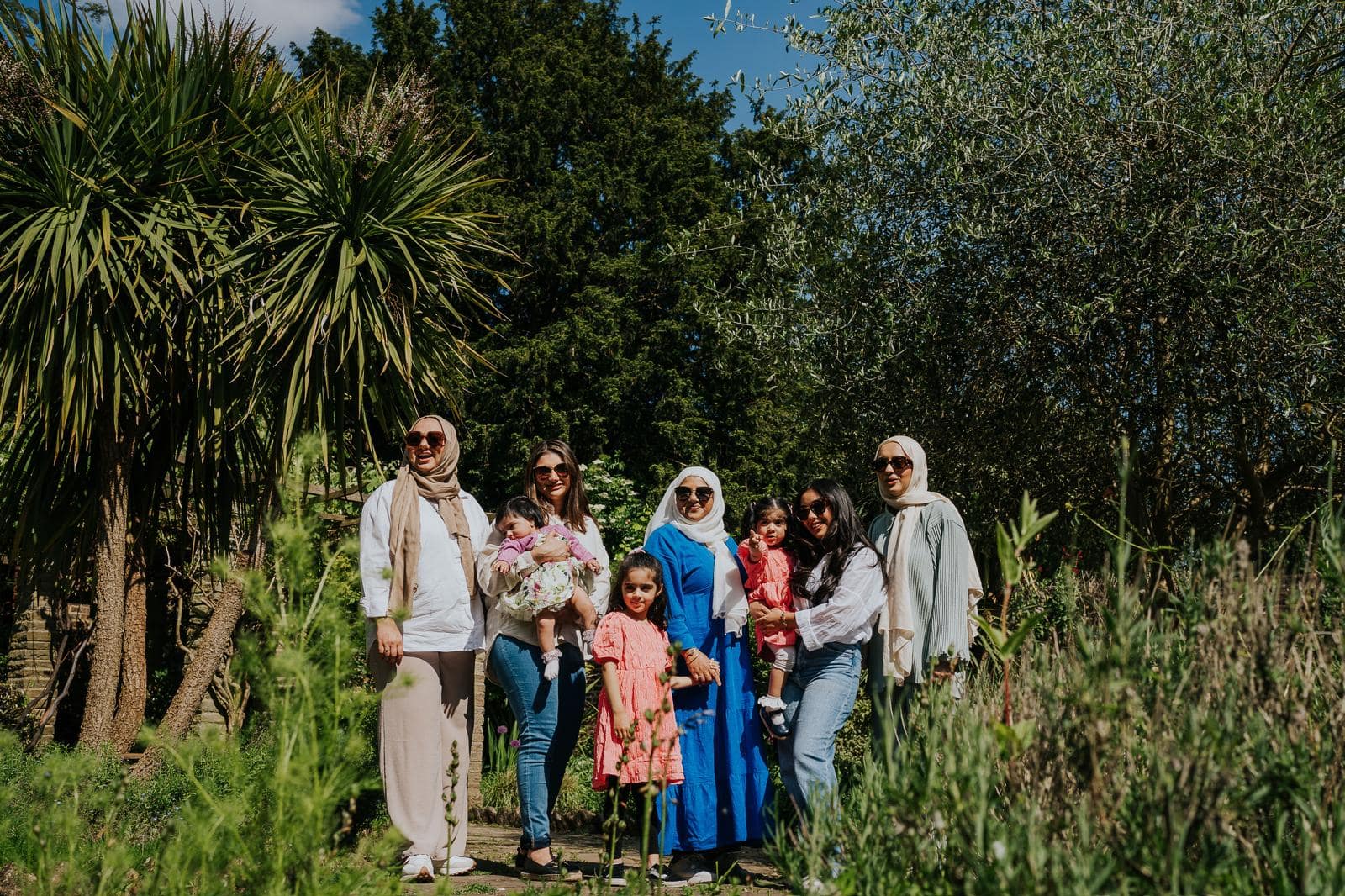
The impact of Ayyub’s unwavering commitment is evident in her own family. Her five children are now grown, aged 18 to 34. Her daughters, living nearby, exemplify the intergenerational shift she has spearheaded. One daughter has three children under four, successfully breastfeeding her first for two years, tandem feeding her first two, and continuing to breastfeed her youngest at eight months. This success story is a direct result of the normalisation of breastfeeding within their household, influenced by Ayyub’s persistent advocacy. Her son-in-law, despite his family’s initial discomfort, has become a supportive partner in his wife’s breastfeeding journey. Ayyub also provided crucial support to her sister-in-law, who has had a similarly successful breastfeeding experience.
Addressing Cultural Barriers and Fostering Open Dialogue
Ayyub’s work highlights the persistent "shame surrounding breastfeeding in the Asian community." Many families remain "quite prudish," and cultural interpretations can often be confused with religious tenets. She clarifies that while some Muslims believe breastfeeding should ideally last two years, the Muslim faith fundamentally teaches that "the baby has a right to be breastfed for however long they wish." The reluctance of South Asian women to lift their tops in a room full of people, even other women, is primarily a cultural modesty issue, not a religious one.
The Ayyub household stands out as an "unusual Pakistani household" where open dialogue about breastfeeding, periods, and other traditionally taboo subjects has been normalised. This openness, she believes, has spread to her children’s spouses and friends, creating a ripple effect of acceptance and understanding. Her daughters are even exploring home births, a radical departure from conventional practices within their community, further demonstrating the profound cultural shift.
Ayyub passionately advocates for more South Asian women to share their experiences and access available support. She stresses the importance of building "relationships of trust" to address fears and normalise breastfeeding, reiterating that it is a "normal and natural process that is so beneficial for your baby and your own health, too."
The Path Forward: Culturally Competent Support
Zarina Ayyub’s journey serves as a powerful case study for the critical need for culturally competent breastfeeding support in the UK. While national breastfeeding rates show gradual improvement, significant disparities and challenges remain, particularly for ethnic minority communities. Organisations like La Leche League, the NHS, and community-led initiatives such as The Raham Project are crucial in bridging these gaps. The LLLGB Podcast "Breastfeeding Matters," which featured Zarina Ayyub in January 2025, further amplifies these discussions, emphasising the importance of creating safe, supportive environments for new mothers and drawing parallels with ancient traditions like the "fourth trimester" practiced globally.
The implications of Ayyub’s work are far-reaching. By openly discussing her struggles and triumphs, she not only empowers individual mothers but also challenges deeply ingrained cultural norms, paving the way for a more inclusive and supportive maternal healthcare landscape. Her legacy is one of courage, education, and the unwavering belief that every mother deserves the information and support necessary to make informed choices about feeding her baby, free from shame and cultural constraint. Her advocacy is a call to action for all stakeholders to collaborate in making breastfeeding the natural and normalised way of life it is intended to be.
