

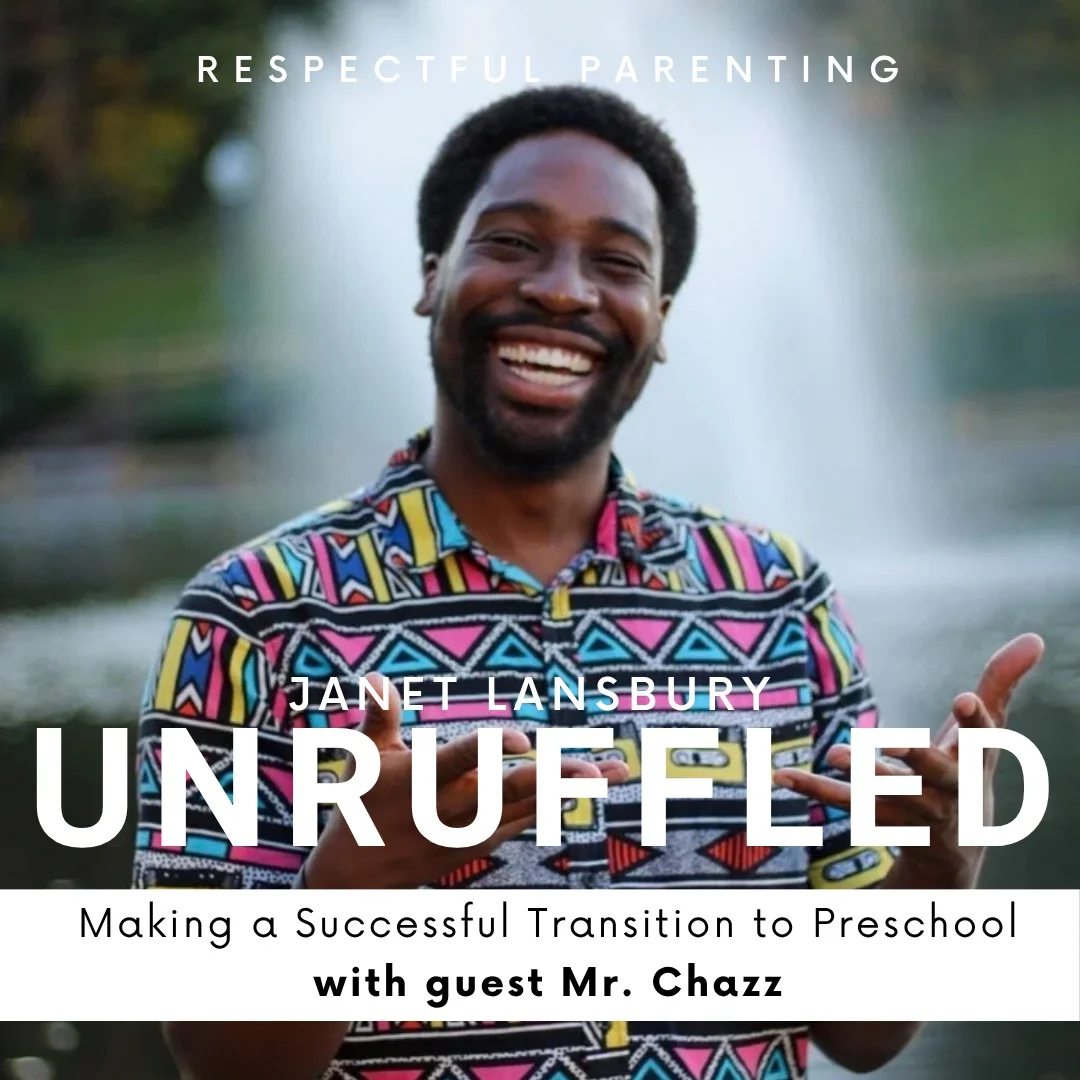
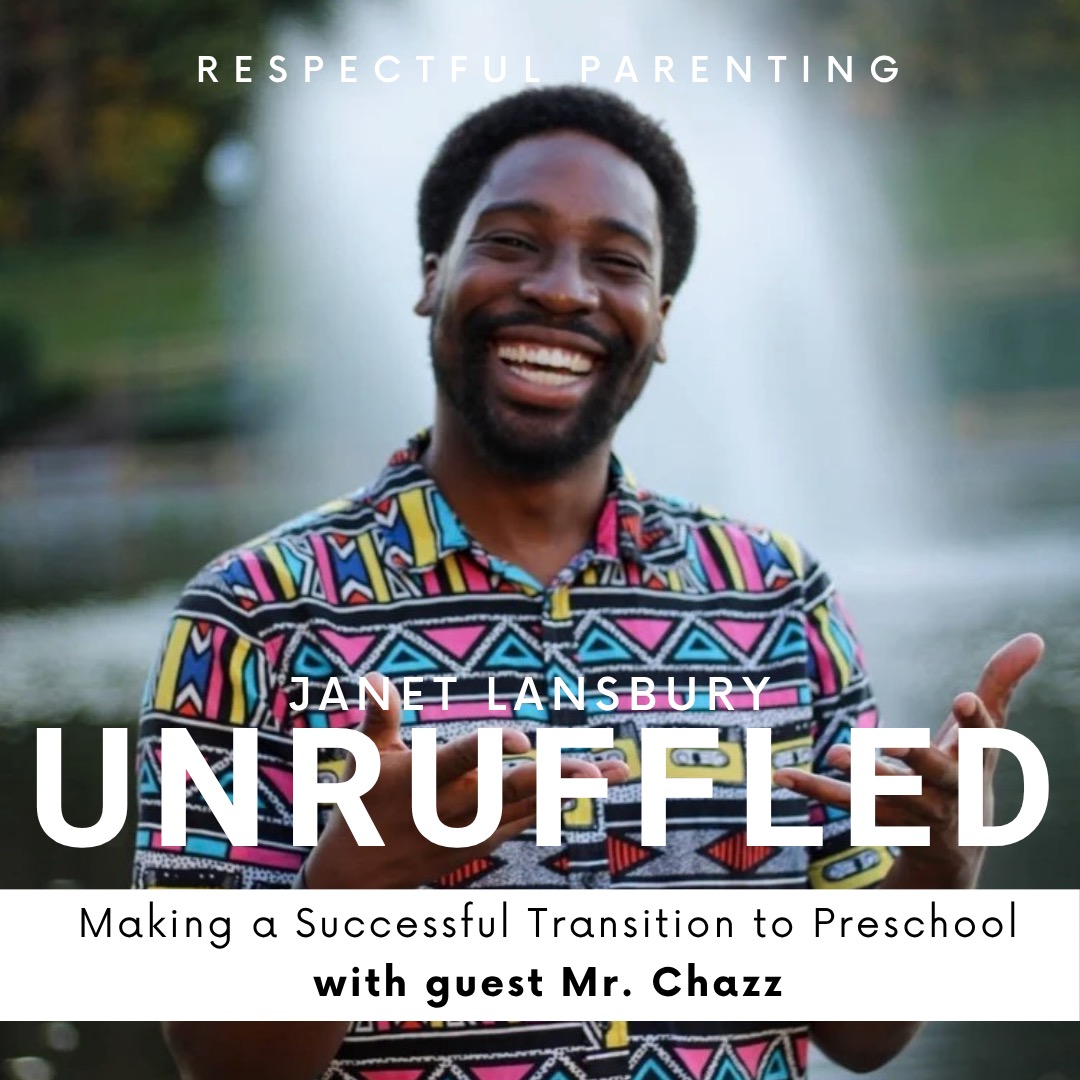
In a significant discussion aimed at easing the often-challenging entry into preschool and childcare settings, renowned educator Mr. Chazz joined Janet Lansbury on her platform to share insights into fostering a smooth and positive transition for young children. The conversation, which took place on October 5, 2025, highlighted Mr. Chazz’s innovative approach at his Brooklyn-based childcare center, Birdhouse, and offered practical advice for parents and educators navigating this crucial developmental stage.
Mr. Chazz, widely recognized as "America’s favorite teacher" and celebrated for his engaging presence on social media platforms like TikTok and Instagram, as well as his podcast "Learning Curve with Mr. Chazz," emphasized the foundational role of trust and connection in successful separations. His philosophy centers on creating environments where both children and adults feel secure and understood, thereby facilitating confidence during times of change. This interview comes at a critical juncture for many families, as the autumn months typically see a surge in children beginning new educational journeys.
The Birdhouse Model: A New Paradigm for Early Childhood Education
A key focus of the discussion was Mr. Chazz’s new venture, Birdhouse, an in-home childcare facility designed to serve as a model for future early childhood programs. Birdhouse distinguishes itself through a holistic approach that prioritizes the well-being of its staff as much as its young charges.
Prioritizing Educators’ Well-being
One of the most striking innovations at Birdhouse is the housing arrangement for its head teacher, who lives upstairs from the facility. This arrangement aims to alleviate the financial burdens of rent, allowing educators to operate from a place of security rather than survival. "Any parent can very much relate that it is much harder to care for children when you are not cared for yourself," Mr. Chazz stated, underscoring the direct correlation between staff well-being and the quality of care provided to children. This initiative directly addresses the persistent issue of high turnover in the early childhood education sector, a challenge often attributed to low wages and demanding working conditions. By investing in their staff’s stability, Birdhouse seeks to foster a dedicated and committed team, thereby ensuring continuity and consistency for the children and families they serve.
Rethinking Arrival and Reunion
Mr. Chazz also introduced a fundamental shift in language and practice concerning child drop-offs and pick-ups. He advocates for replacing the terms "drop-off" and "pick-up" with "arrival" and "reunion." This linguistic adjustment is more than a semantic change; it reflects a deeper commitment to honoring the emotional significance of separation and the establishment of new connections.
At Birdhouse, "arrival" is an intentional process. Parents and children are encouraged to engage in activities that facilitate integration into the classroom environment, such as washing hands and connecting with Mr. Chazz or other "safekeepers" (a term he prefers over "teachers"). This structured approach, though more time-consuming than traditional quick drop-offs, aims to create a sense of safety and belonging, making it easier for children to transition into learning and play.
Strategies for a Positive Transition
Mr. Chazz outlined several practical strategies for parents and educators to foster successful transitions, applicable both within his innovative model and in more traditional childcare settings.
Visual Routines and Predictability
A cornerstone of Mr. Chazz’s approach is the use of visual aids to map out the arrival process. These visual routine cards, presented left-to-right, clearly outline each step, from greeting to putting away belongings and washing hands. This predictability is invaluable for young children, providing them with a clear understanding of what to expect and empowering them to participate actively in the routine. "Introducing it, I point to each thing like, ‘Oh, you’re here.’ The first thing we do is we greet each other and say hello," he explained, detailing how children gradually internalize the routine. For parents, these visuals offer a sense of reassurance, confirming they have followed a thoughtful plan, even if the child experiences challenging emotions.
Building Connection Before Separation
Birdhouse also offers prospective attendees the opportunity to visit the center for a week or two prior to their official start. This "arrival and do some circle time" program allows children to connect with the space and the educators before the actual separation from their parents. This proactive measure ensures that when a parent does leave, the child has established a safe person to turn to, significantly aiding in their ability to process the emotions of separation. This aligns with child development research indicating that a strong attachment to a primary caregiver in a new environment is crucial for emotional regulation and successful adaptation.
The Power of Observation and Receptivity
Mr. Chazz emphasized the importance of educators being receptive to a child’s cues and interests. Instead of trying to actively engage or entertain, he advocates for observing what a child is drawn to and responding to those interests. This might involve handing a child a toy they are looking at or acknowledging their observations. "It’s these little moments we look for, just these windows of playing and as soon as I see them peek through the window, I’m there to kind of open the window so that they can go and explore their curiosity," he described. This approach fosters a sense of being seen and understood, building trust and connection. This method is supported by attachment theory, which posits that responsive caregiving is essential for healthy emotional development.
Utilizing Cameras for Reflection and Learning
Birdhouse employs cameras not for surveillance, but as powerful tools for reflection and professional development. Educators can review footage of interactions, allowing for insightful discussions about strategies and approaches. This facilitates continuous learning and improvement among the staff, ensuring they are consistently refining their ability to connect with and support children. This practice can be invaluable in identifying subtle interactions that might otherwise be missed, leading to a deeper understanding of individual children’s needs.
Navigating Difficult Emotions and Transitions
The conversation delved into the inevitable challenges that arise during transitions, particularly the emotional responses of children when separating from their parents.
Acknowledging and Validating Emotions
Mr. Chazz stressed that it is natural for children to experience sadness, disappointment, or even anger when separating from their loved ones. Rather than trying to suppress these emotions, he advocates for acknowledging and validating them. In a poignant example, he recounted a situation where a child cried throughout circle time, missing his mother. The educators did not dismiss the child’s feelings but acknowledged them openly, with the other children participating in a collective deep breath for their classmate. This approach not only supports the child experiencing distress but also teaches other children empathy and emotional regulation. This aligns with research on emotional intelligence, which highlights the importance of recognizing and managing one’s own emotions and understanding the emotions of others.
The Role of "Safekeepers" in Co-Regulation
The term "safekeepers" highlights the educator’s role in providing a secure base from which children can explore and process their emotions. When children cry, they are encouraged to turn to these safekeepers for comfort and safety. Because a connection has already been established, educators are better equipped to help children co-regulate their emotions and transition into play. This mirrors the concept of scaffolding in learning, where an adult provides support to help a child achieve a task they couldn’t accomplish alone.
Parental Belief and Support
A crucial element in successful transitions is the parent’s belief in their child’s ability to cope. Mr. Chazz encouraged parents to trust that their child can handle the separation, especially when they know a supportive caregiver is present. He noted that a child’s strong emotions are a testament to their deep love and connection, not a sign of weakness. This perspective helps alleviate parental guilt and empowers them to leave with greater confidence.
Practical Tools for Home and Traditional Settings
While Birdhouse offers a unique environment, Mr. Chazz provided actionable advice for parents and educators in more conventional settings.
Creating Visual Routine Cards
For parents whose children are entering traditional preschools or childcare centers, Mr. Chazz recommended creating simple visual routine cards. These can be used at home to role-play the entire process, from arriving at school to saying goodbye. This preparation can significantly reduce friction and anxiety for the child, making the actual transition smoother. This strategy is supported by the principles of behavioral psychology, which emphasize the effectiveness of practice and predictability in managing new situations.
The Importance of Open Communication with Teachers
Mr. Chazz also stressed the value of detailed communication between parents and teachers. He encourages parents to share as much information as possible about their child’s preferences, routines, and any specific needs, particularly concerning nap times or comfort objects. He acknowledges that teachers in larger settings have a significant challenge in getting to know each child individually. Providing detailed insights helps teachers build a more comprehensive understanding of the child, enabling them to offer more personalized and effective support. This collaborative approach between home and school is vital for a child’s holistic development.
The Profound Reward of Early Childhood Education
Both Mr. Chazz and Janet Lansbury shared a deep appreciation for the work of early childhood educators, emphasizing its profound impact and inherent rewards.
A Calling Beyond the Classroom
Mr. Chazz spoke passionately about his choice to return to the classroom, viewing it as a commitment to "mile deep" engagement rather than "mile wide" influence. He described the emotional labor involved as immense but ultimately unparalleled in its reward. The opportunity to witness children’s growth, support their development, and guide parents is, for him, the most fulfilling aspect of his career. This perspective resonates with many in the education field who find deep meaning in their work, despite its challenges.
Continuous Learning and Growth
The conversation underscored that early childhood education is a continuous journey of learning for both children and adults. Children teach invaluable life lessons, and educators are constantly challenged to grow, adapt, and refine their skills. The ability to remain present, observant, and responsive in the face of complex emotional situations is a hallmark of effective early childhood practice.
In conclusion, the discussion with Mr. Chazz provided a comprehensive and compassionate guide to navigating the complexities of preschool and childcare transitions. His innovative approach at Birdhouse, coupled with practical strategies for parents and educators, offers a roadmap for fostering a sense of security, connection, and confidence in young children as they embark on new educational adventures. The emphasis on prioritizing educators, validating children’s emotions, and building strong relationships serves as a powerful reminder of the foundational importance of a nurturing and understanding environment in early childhood development.
