

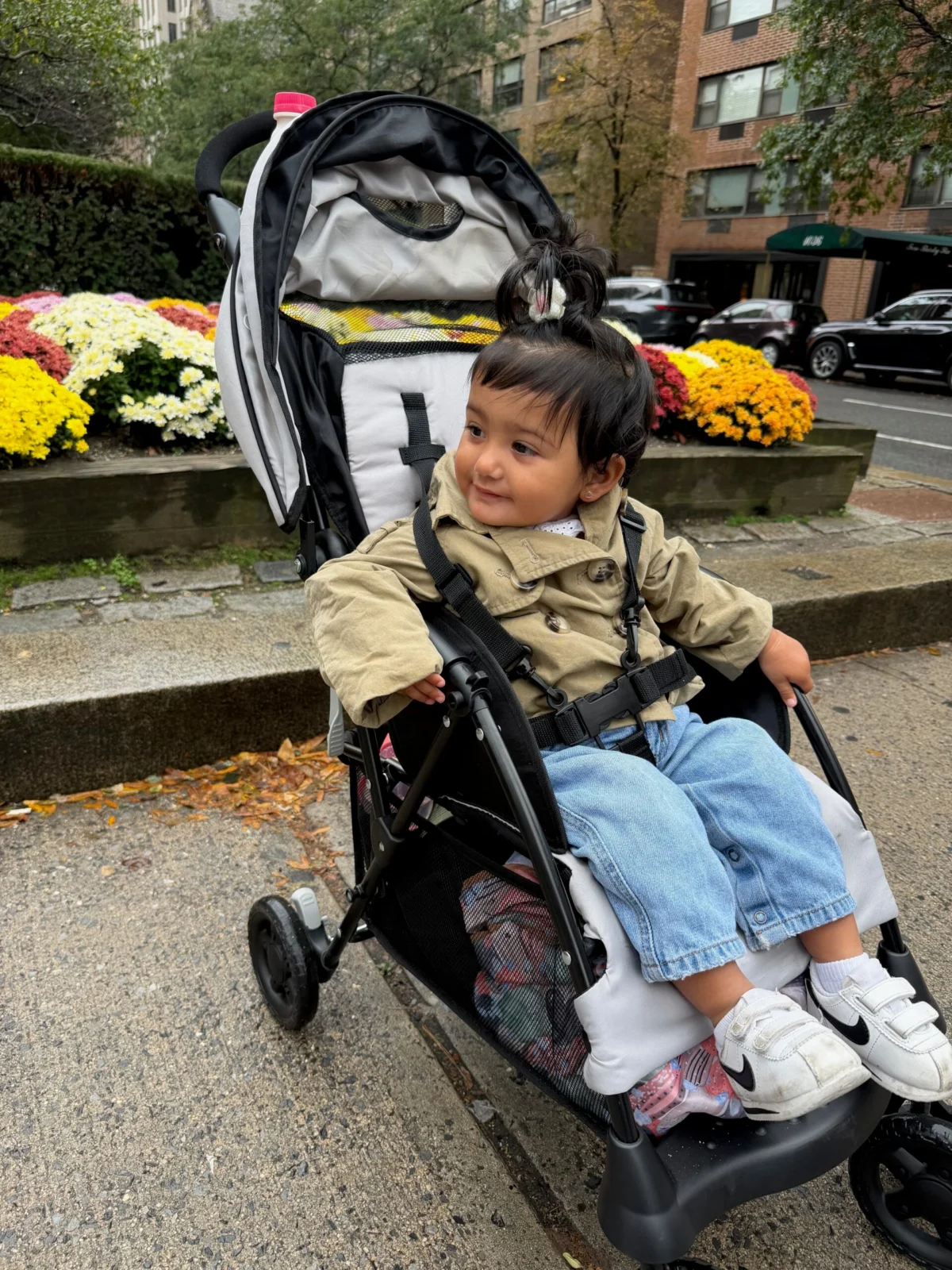
In the high-pressure environment of urban centers like New York City, the logistical challenges of balancing professional obligations with childcare often reach a critical mass, revealing a resilient, informal support network among parents frequently referred to as the "invisible village." A recent series of events involving a traveling mother and a one-year-old child in the Upper East Side neighborhood has highlighted the vital role that spontaneous communal support plays in mitigating the "mental load" of modern parenting. This phenomenon, while often documented through personal anecdotes, reflects broader sociological trends regarding how mothers navigate the complexities of career-related travel, childcare shortages, and the psychological stressors of raising children in a fast-paced metropolitan setting.
The Chronology of the Upper East Side Incident
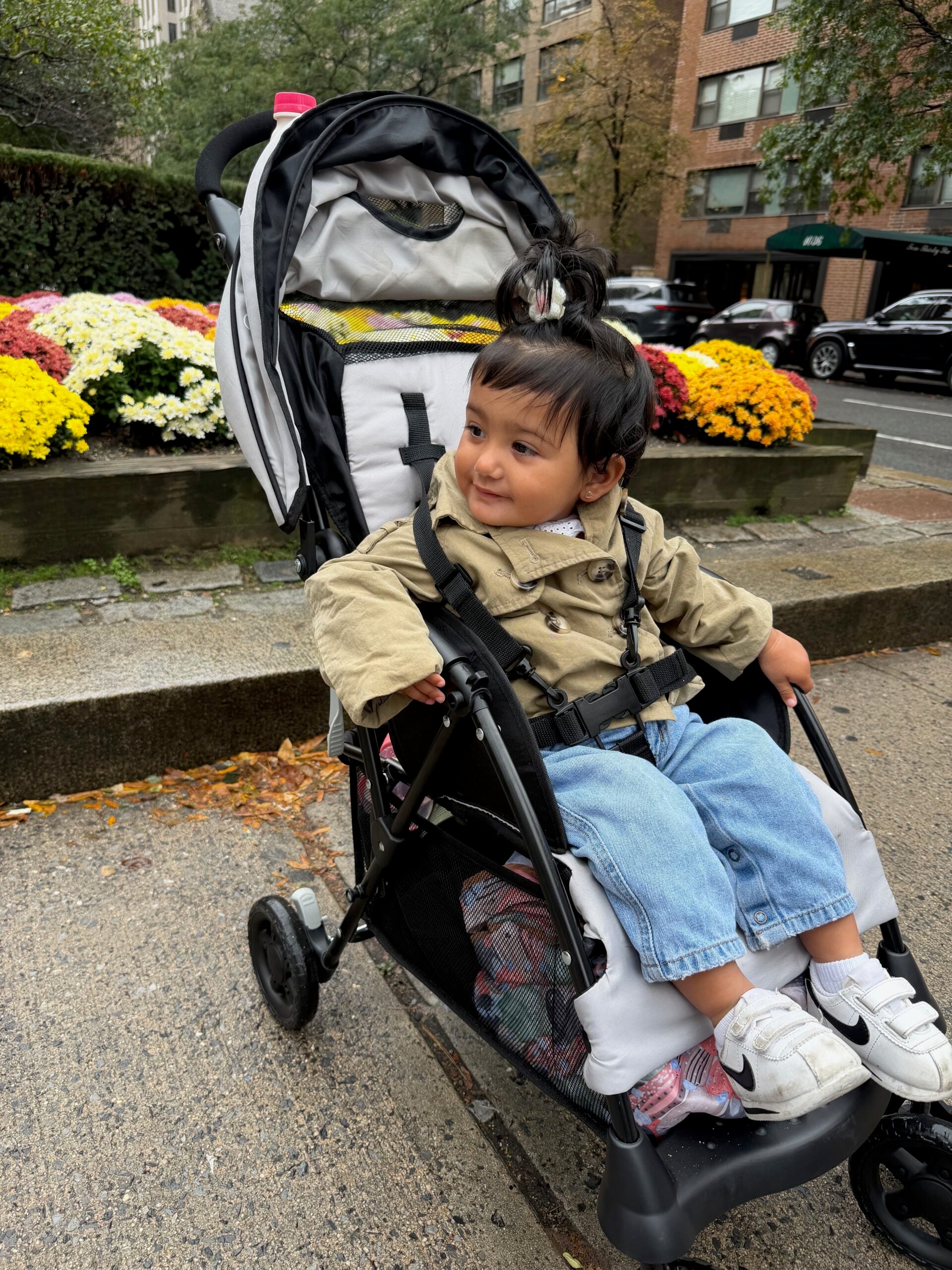
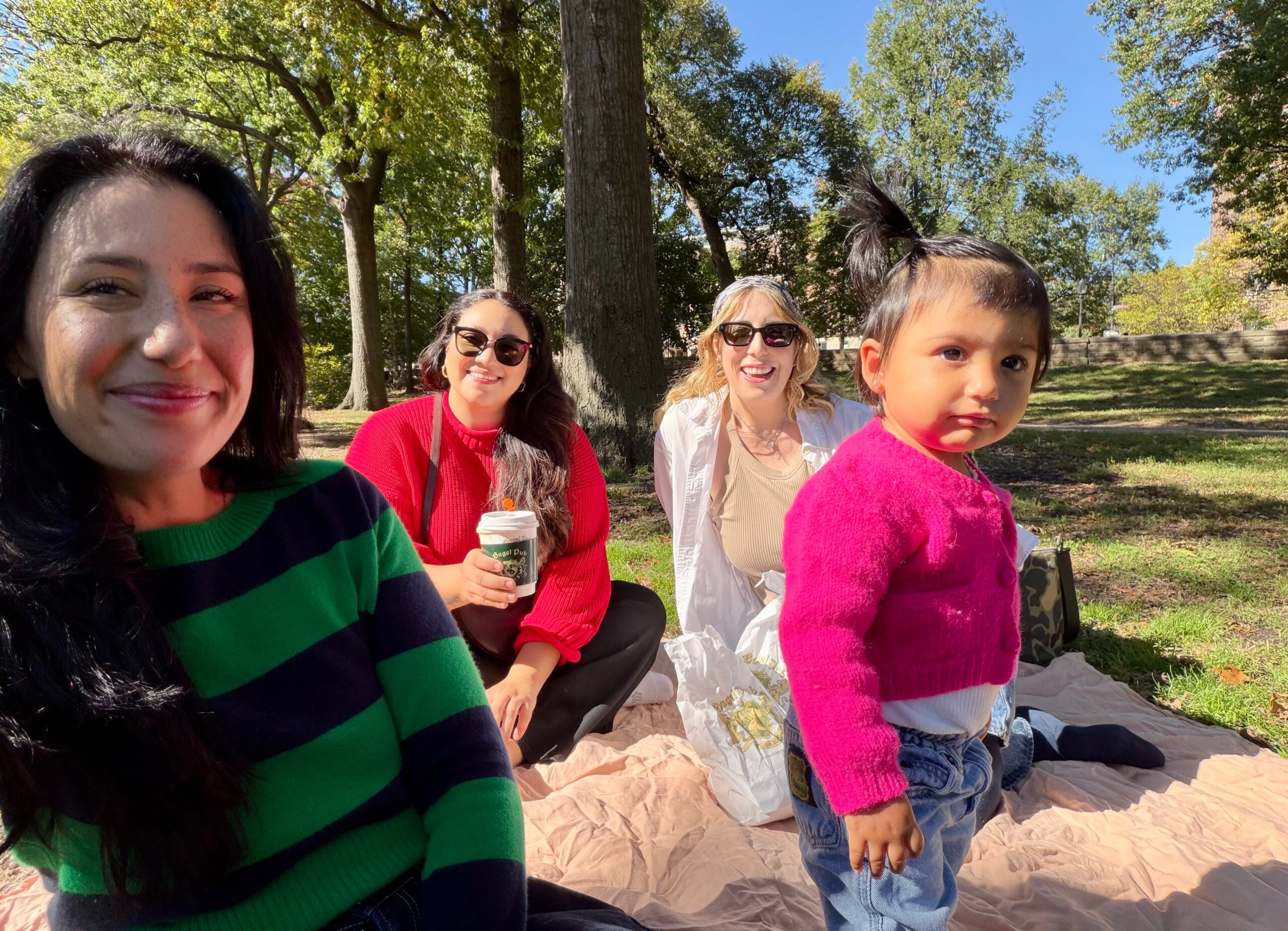
The narrative began earlier this month when a professional traveler arrived in New York City for a multi-day work assignment. Accompanied by her one-year-old daughter, Evelynn, the mother had arranged a temporary childcare structure involving two close associates, Angela and Ally, who volunteered to manage the infant’s needs during work hours. The itinerary for the trip was dense, involving high-profile meetings and media engagements, including a lunch at the Brooklyn-based restaurant Sailor, a series of interviews with newlywed couples at New York City Hall, and a scheduled wellness appointment at Blissful Spa.
On the second morning of the trip, the routine transitioned from domestic preparation to a localized crisis. While walking toward a neighborhood park—a standard ritual intended to acclimate the child before the mother’s work day began—the mother discovered a significant oversight in her preparation. Upon searching her bag for a pacifier, a critical tool for infant self-regulation, she realized the entire supply had been left at the hotel.
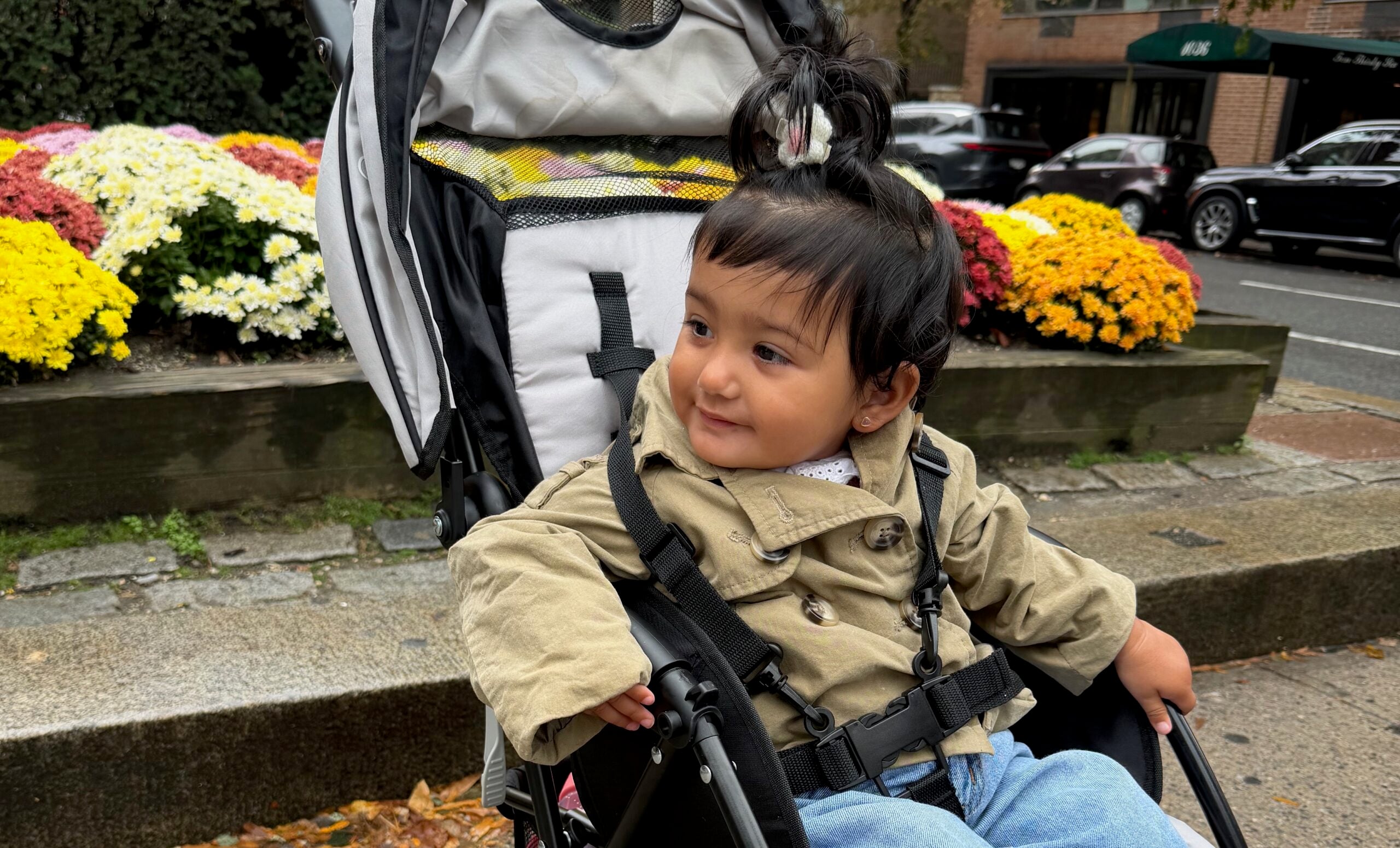
The ensuing situation serves as a textbook example of the "parental panic" response, a physiological state triggered by the realization that a primary soothing mechanism for a child is unavailable in a public setting. The mother entered a local drugstore to rectify the situation but found the infant care aisle depleted of the specific necessary items. It was at this juncture that a stranger, identified only as a fellow mother with an infant in a stroller, intervened. After a brief, unsuccessful joint search of the shelves, the stranger offered a clean, spare pacifier from her own personal supplies. This act of micro-philanthropy resolved the immediate crisis and allowed the mother to proceed with her professional schedule, illustrating the efficiency of peer-to-peer support in urban environments.
The Psychological and Sociological Framework of Alloparenting
The interaction observed in the New York drugstore is a modern iteration of "alloparenting," a term used by anthropologists and sociologists to describe a system where individuals other than the biological parents provide care and resources for a child. While traditional alloparenting usually occurs within kin groups, modern urban alloparenting is increasingly characterized by interactions between strangers who share the common identity of "parent."
According to sociological research, the "mental load"—the invisible labor involved in managing a household and childcare—often leads to cognitive "blind spots," such as forgetting essential items like pacifiers, sunscreen, or wipes. When these failures occur, the informal network of other mothers acts as a safety net. This is not merely a matter of convenience; it is a critical component of maternal mental health. Studies have shown that mothers who perceive a high level of community support report lower levels of cortisol (the stress hormone) and higher levels of parental self-efficacy.
Abbey Nova, a prominent voice in the parenting community, has previously articulated this necessity, noting that the "generosity of other women" is often the only thing standing between a parent and a total logistical collapse. Nova’s observations suggest that motherhood functions as a "powerful shared experience" that transcends social and economic boundaries, creating a temporary but robust bond between strangers in public spaces.
Data on Working Mothers and Professional Travel
The incident also brings to light the increasing prevalence of mothers traveling for work with young children. Data from the Bureau of Labor Statistics and various travel industry reports indicate a shift in how professional women manage the "work-life integration" model.
- Travel Frequency: Approximately 30% of business travelers are women, many of whom are in their primary child-rearing years.
- Childcare Logistics: The "nanny-share" or "friend-supported" childcare model used during the New York trip is becoming more common as traditional childcare costs in major cities continue to rise. In New York City, the average cost of full-time center-based infant care can exceed $21,000 per year, leading many to rely on informal networks.
- The "Mom Guilt" Factor: Surveys conducted by parenting platforms like Cup of Jo suggest that a significant majority of working mothers experience "mom guilt" when balancing career milestones—such as interviewing subjects at City Hall or attending professional luncheons—with the needs of their children. The intervention of a stranger provides not just a physical resource (the pacifier), but also a form of social validation that mitigates this guilt.
The Role of Digital Communities in Fostering Real-World Kindness
The dissemination of this story through digital platforms has sparked a wider conversation about the "village" in the 21st century. The original account of the New York trip garnered over 170 comments within a short period, with other parents sharing similar experiences of receiving unexpected help. This digital echo chamber serves to reinforce the social norms of kindness and mutual aid.
Journalistic analysis suggests that media outlets focusing on the "good enough mother" philosophy and the "home as a haven" concept play a vital role in setting the stage for these real-world interactions. By normalizing the struggles of parenting—such as forgetting supplies or feeling overwhelmed—these platforms lower the barrier for mothers to ask for, and offer, help.
Broader Implications for Urban Infrastructure and Policy
While individual acts of kindness are transformative on a personal level, they also highlight the gaps in urban infrastructure for families. The panic of the "missing pacifier" is exacerbated by the lack of family-friendly amenities in many commercial districts.
- Retail Accessibility: The difficulty in finding basic infant supplies in a metropolitan drugstore points to inventory challenges that can disrupt the daily lives of urban parents.
- Public Spaces: The park where the mother was heading serves as a crucial "third space" for parents to congregate. These spaces are where the "invisible village" is most active, allowing for the exchange of advice, resources, and emotional support.
- Corporate Support: The fact that the mother had to bring her child on a work trip suggests a need for more robust corporate travel policies that account for breastfeeding, childcare, and the unique needs of working parents.
Expert Reactions and Community Impact
Child development experts suggest that these moments of community intervention have a secondary benefit: they model prosocial behavior for the children involved. When a child like Evelynn witnesses a stranger helping her mother, it reinforces the concept of community trust.
In response to the viral nature of such stories, parenting advocates have called for a "pay it forward" mentality. The prevailing sentiment among the 170+ commenters on the original report was one of solidarity. One respondent noted, "Even if you’re having an off day, some mother somewhere remembered to pack the snack, the sunscreen, and the wipes." This collective memory serves as a distributed inventory for the entire parenting community.
Conclusion: The Resilience of the Maternal Network
The events that took place on the Upper East Side serve as a poignant reminder that while the modern world may often feel isolating, the shared bond of parenthood creates an enduring, albeit informal, social infrastructure. The "angel" in the drugstore—the woman who reached into her bag to provide a clean pacifier—represents a vital link in a chain of support that allows working mothers to navigate the dual demands of professional excellence and attentive parenting.
As urban environments continue to evolve, the reliance on the kindness of strangers will likely remain a cornerstone of the parenting experience. The "invisible village" is not a relic of the past; it is a contemporary necessity, fueled by empathy and the recognition that, in the complex landscape of raising a child, no one can truly do it alone. The success of the trip, the thriving of young Evelynn, and the completion of professional milestones at City Hall and beyond are all, in part, a testament to the power of a single, well-timed act of generosity.
