

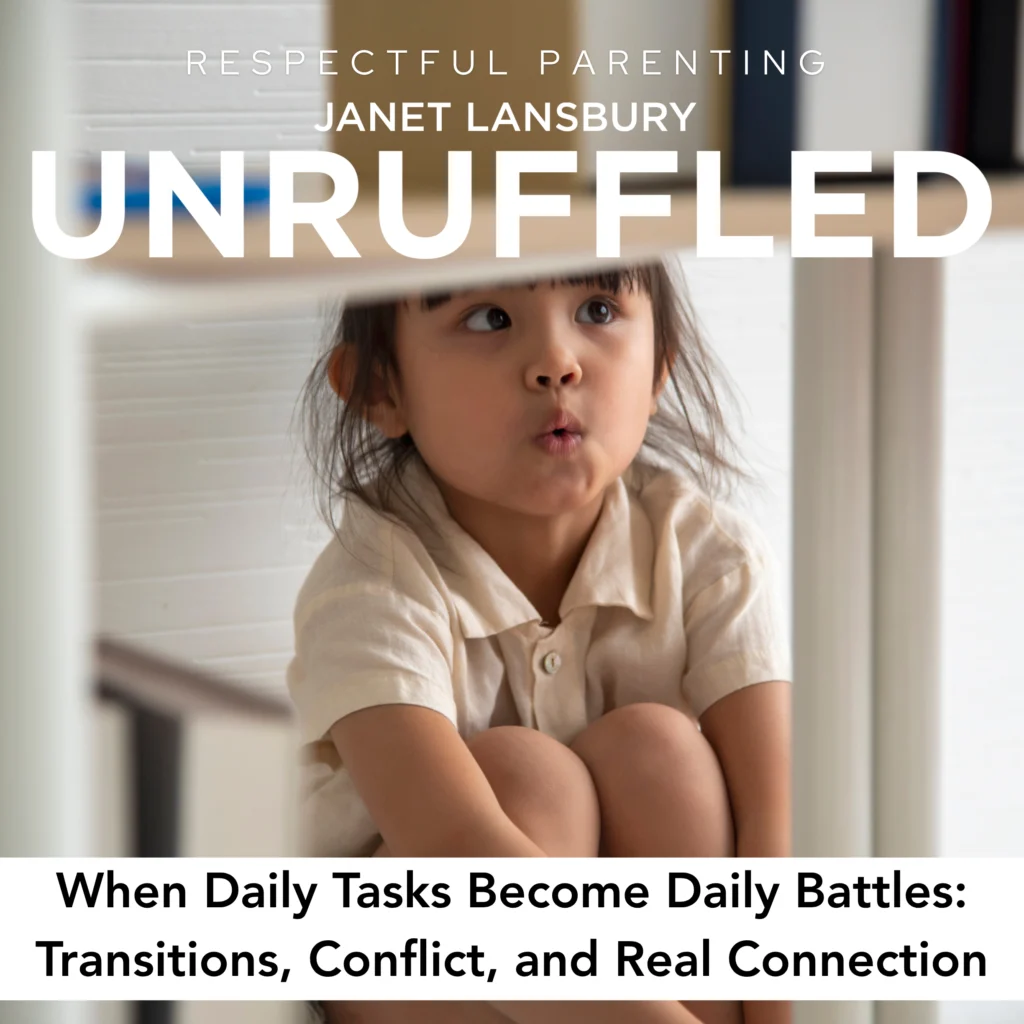
A concerned parent’s plea for guidance regarding her five-year-old daughter’s persistent resistance to daily routines has ignited a conversation on navigating the complex terrain of childhood development, parental strategies, and the enduring power of genuine connection. The parent, a single mother working in a demanding profession, described a recurring struggle where simple transitions like dressing, hair brushing, bathing, and teeth brushing escalate into hour-long battles, leaving both mother and child exhausted and tasks incomplete. Despite employing a range of well-intentioned methods—from timers and countdowns to reward charts and even punishments—none have yielded lasting positive results. This situation highlights a common dilemma faced by many parents: how to foster independence and cooperation while preserving a strong, trusting relationship, especially when traditional disciplinary or motivational tactics prove ineffective.
The Parent’s Dilemma: Seeking Balance in Daily Routines
The parent, who has been a long-time listener of parenting expert Janet Lansbury’s podcast, expressed deep admiration for Lansbury’s insights, which have previously provided her with "relief and confidence." However, the persistent challenges with her daughter, a "sweet, affectionate, social butterfly, beautifully bossy" five-year-old preparing for first grade, have led her to question her approach. She notes that her daughter’s resistance, which began around age three, seems to intensify, with the child appearing almost compelled to fight transitions, even when seemingly ready to move on.
"I often say, ‘I see you don’t want to get dressed right now. Let me help you,’" the parent wrote, detailing her attempts to apply principles of "less pressure, more connection, acceptance, and leadership." Yet, the outcome remains a protracted conflict. This has prompted a critical self-reflection: "I’m wondering if I’m missing something. Her resistance doesn’t seem to be improving with age." The parent articulates a core concern shared by many: "How do we know when a child needs more support moving through discomfort versus when a parent needs to hold a firmer boundary? Is it possible to be so focused on staying connected and respectful that we inadvertently get stuck in a pattern that isn’t helping our child grow?"
Her reflections also touch upon the intergenerational impact of parenting styles. As a millennial, she observes how her own upbringing, while loving, often emphasized "stuffing uncomfortable emotions and correcting behavior," a "behavior-focused lens." She consciously desires to offer her daughter a different internal dialogue, one that is "encouraging and compassionate even when things are hard." Yet, the daily battles around transitions ironically seem to trigger the very patterns she aims to avoid, leading to moments of self-doubt and questioning the efficacy of the parenting principles she cherishes.
Expert Insight: Reframing Conflict as Connection
Janet Lansbury, in response to the parent’s detailed account, offered a perspective that reframes these daily struggles not as failures of parenting, but as opportunities for deeper connection and understanding. Lansbury emphasizes that the child’s resistance is not necessarily a direct defiance of the task itself, but rather an expression of the overwhelming feelings associated with navigating transitions.
"What your daughter’s sharing here, what children share in these moments, is not that brushing their teeth is the most painful, horrible thing or that getting dressed is this giant, awful thing," Lansbury explained. "It feels overwhelming right then because they’re filled with the deeper feelings of having to face these transitions." The child, in essence, is communicating, "I need to be a mess with transitions. This is where it’s coming out. Can you gather me through these overwhelmed feelings? Can you stay confident in the face of my overwhelmed feelings?"
Lansbury critically examines the common strategies employed by parents, such as timers, countdowns, reward charts, and even punishments. She argues that these external fixes, while often well-intentioned, can inadvertently create a barrier to genuine connection. They tend to focus on managing behavior rather than addressing the underlying emotions, sending a subtle message to the child that their discomfort is not acceptable or manageable. "These are all of those things that are kind of outside fixes rather than getting the practice that we need and that our child needs from us, really, that we’re being real right now together," she stated.
The Role of Transitions in Child Development
The developmental stage of a five-year-old is inherently characterized by significant internal and external transitions. As children move towards school age, they are not only navigating the physical and cognitive demands of learning but also the social and emotional complexities of a broader world. For children experiencing parental separation or divorce, as this parent’s daughter does, the act of transitioning between two households and two distinct environments can be particularly challenging. Research in child psychology consistently points to the difficulties children face with inconsistency and the emotional toll of divided loyalties or routines.
This parent’s daughter, described as a "social butterfly" and "beautifully bossy," already demonstrates a high degree of social competence and assertiveness. Her readiness for first grade signifies a major life transition, often accompanied by a mixture of excitement and apprehension. Lansbury suggests that the child’s strong reactions to daily routines might be a way of processing these larger life changes, using the familiar and relatively safe context of home to express feelings that might otherwise be suppressed in more public or academic settings.
Rethinking Connection and Leadership
Lansbury’s framework suggests that true connection is not the absence of conflict, but the ability to navigate conflict with honesty, empathy, and unwavering support. The parent’s definition of connection—"feeling confident in my role while being on the same team as my daughter. I want to communicate in a way that respects her, shows that her voice matters, and teaches her that she deserves respect so we can move through life with confidence"—aligns with this philosophy.
However, Lansbury gently guides the parent to recognize that the strategies she has employed, despite their positive intent, might be inadvertently reinforcing a pattern of avoiding or fixing the child’s discomfort, rather than allowing and guiding her through it. "It’s like a storm that we’re trying to stop. It’s a frustrating experience that takes way too much time, much more time than it does to really lean in with confidence and enough momentum, just in your attitude, to do your best to make it work," she explained.
The concept of "leadership" in this context, as Lansbury describes it, is not about enforcing compliance through force or external rewards, but about providing a steady, confident presence that can contain the child’s overwhelming emotions. It’s about saying, "This is hard, and I’m here with you. You can be a mess, and I won’t be intimidated." This approach fosters a sense of safety and trust, allowing the child to gradually develop the internal capacity to manage her own feelings and transitions.
The Implications for Parental Confidence and Growth
The parent’s expressed struggle with self-doubt and second-guessing the principles she values highlights a crucial aspect of this discussion: the interconnectedness of parental confidence and child well-being. When parents feel insecure or unsure of their approach, it can inadvertently translate into a less assured demeanor, which children are highly attuned to.
Lansbury’s core message is that the parent already possesses the necessary qualities. Her thoughtful analysis of her own parenting history and her deep desire to offer her daughter a different experience are significant strengths. The "conflicts" are not undermining the relationship; rather, the way they are navigated can either strengthen or weaken it. By embracing the "messy, messy connection," parents can build a more resilient and authentic bond with their children.
The implications of this shift in perspective are far-reaching. For parents who find themselves in similar daily battles, the understanding that these moments are not failures but rather invitations to deepen connection can be profoundly liberating. It suggests that the focus should shift from "fixing" the child’s behavior to "being with" the child’s experience, offering validation and a secure base from which they can learn to navigate their own challenges.
Moving Forward: Embracing Honest Connection
The path forward for this parent, and others facing similar challenges, involves a conscious effort to let go of external strategies and embrace a more authentic, albeit sometimes messier, form of connection. Lansbury encourages open communication, directly acknowledging the difficulty of transitions with the child. Phrases like, "Ugh, this is life, right? We have to do these things and it’s a big old drag. Cry about it with me and let me help you pick up the pieces here," can be powerful in validating the child’s experience.
This approach does not negate the need for boundaries, but rather redefines them. A boundary is not about forcing a child to comply, but about holding firm in the commitment to support them through a necessary process, even when it is difficult. It is about being the leader who can say, "We need to do this, and I will help you get there, even if you are upset about it."
Ultimately, the goal is to cultivate a dynamic where children feel safe to express their full range of emotions, knowing that their parents can hold that space with confidence and love. This, Lansbury asserts, is the foundation for genuine growth and resilience, enabling children to move through life’s inevitable challenges with a secure sense of self and a strong connection to those who support them. The parent’s initial query about knowing when to offer support versus enforce a boundary is answered by this principle: true support is the boundary, a confident presence that allows the child to feel their discomfort without being overwhelmed by it, knowing they are not alone. This is the essence of "confident momentum" – moving forward, not by stopping the waves of emotion, but by learning to ride them with a trusted guide.
