


For individuals and couples embarking on the challenging journey of conception, the aspiration to start or expand a family can often be met with unexpected hurdles. When natural conception proves elusive, understanding the indicators for seeking medical assistance and the array of available fertility treatments becomes paramount. The American Society for Reproductive Medicine (ASRM) provides clear guidelines, recommending that women under 35 years old consult a healthcare provider if they have been trying to conceive for more than 12 months. For women over 35, this timeframe is shortened to over 6 months, reflecting the age-related decline in fertility. These recommendations underscore the importance of timely intervention to maximize the chances of a successful pregnancy.
The Landscape of Infertility: A Global Challenge

Infertility, defined as the inability to achieve pregnancy after a year or more of regular, unprotected sexual intercourse, affects a significant portion of the global population. Current estimates suggest that approximately 1 in 6 couples worldwide experience some form of infertility, impacting millions of lives and often leading to profound emotional distress. Contrary to historical assumptions, infertility is not solely a female issue; male factors contribute to approximately 30-40% of cases, female factors account for another 40-50%, and the remaining cases are attributed to a combination of factors or remain unexplained. This widespread prevalence highlights the critical need for accessible and comprehensive fertility care.
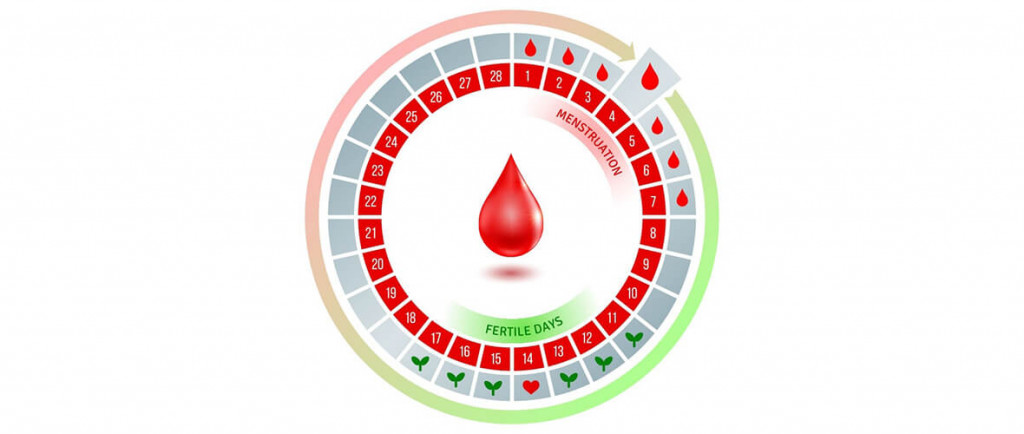
The journey to diagnosing infertility typically begins with a thorough medical history review for both partners, encompassing past health issues, lifestyle habits, and reproductive history. For women, initial diagnostic tests often include blood tests to evaluate hormone levels such as Follicle-Stimulating Hormone (FSH), Luteinizing Hormone (LH), estrogen, and thyroid hormones, which provide insights into ovarian function and ovulation. An Anti-Müllerian Hormone (AMH) test is frequently performed to assess ovarian reserve, indicating the number of eggs remaining in the ovaries. Ovulation tracking methods, including basal body temperature charting or ovulation predictor kits, can help identify if and when ovulation occurs. Structural assessments like a hysterosalpingography (HSG) are used to check for blockages in the fallopian tubes and abnormalities in the uterus, while transvaginal ultrasounds can detect conditions such as uterine fibroids, polyps, or ovarian cysts.

For men, the primary diagnostic tool is a semen analysis, which evaluates sperm count, motility (movement), and morphology (shape). Further tests may include hormone level checks, genetic screening, or specialized sperm function tests if initial results are abnormal. These comprehensive diagnostic steps are crucial for identifying the underlying causes of infertility, which can range from ovulatory disorders like Polycystic Ovary Syndrome (PCOS), structural issues such as endometriosis or blocked fallopian tubes, to male factor infertility, including low sperm count or poor sperm quality. In some cases, despite extensive testing, no specific cause can be identified, leading to a diagnosis of unexplained infertility.
A Spectrum of Hope: Fertility Treatment Options

Fortunately, advancements in reproductive medicine have led to a diverse array of fertility treatments, offering hope to many struggling couples. These treatments are tailored to the specific diagnosis and can range from conservative lifestyle adjustments to highly advanced assisted reproductive technologies.
Lifestyle Modifications and Nutritional Support: Before or in conjunction with medical interventions, lifestyle changes can significantly improve fertility outcomes. Adopting a balanced diet rich in fruits, vegetables, lean proteins, and whole grains, coupled with regular moderate exercise, can help optimize reproductive health. Maintaining a healthy body weight is crucial, as both obesity and being underweight can disrupt hormonal balance and ovulation. Stress reduction techniques, such as yoga, meditation, or counseling, are also vital, as chronic stress can negatively impact fertility. Furthermore, avoiding smoking, excessive alcohol consumption, and illicit drugs is essential for both partners.

Vitamins and supplements can play a supportive role, though they should always be discussed with a healthcare provider. Folic acid is widely recommended for women trying to conceive to prevent neural tube defects. Other supplements like Vitamin D, Coenzyme Q10 (CoQ10), and Myo-inositol have shown promise in improving egg quality and ovarian function in certain populations. For men, antioxidants like Vitamin C and E, zinc, and selenium may improve sperm health.
Medication-Based Therapies: For many, particularly those with ovulatory disorders, fertility medications are the first line of treatment.

- Clomiphene Citrate (Clomid): This oral medication stimulates the pituitary gland to release more FSH and LH, prompting the ovaries to produce and release eggs. It is commonly used for women with irregular or absent ovulation.
- Letrozole (Femara): Another oral medication, often used off-label for ovulation induction, especially in women with PCOS. It works by temporarily lowering estrogen levels, which in turn signals the pituitary to release more FSH.
- Gonadotropins: These injectable hormones (FSH, LH, or a combination) directly stimulate the ovaries to produce multiple eggs. They are often used in conjunction with intrauterine insemination (IUI) or in vitro fertilization (IVF) cycles and are reserved for cases where oral medications are ineffective or for specific ART protocols.
Surgical Interventions: In some instances, surgical procedures can address anatomical issues hindering conception.
- For Women: Procedures may include laparoscopic surgery to remove endometriosis implants, uterine fibroids, or ovarian cysts. Hysteroscopy can be used to remove polyps or correct uterine septa. Tubal surgery can repair blocked or damaged fallopian tubes, although this is less common now due to the high success rates of IVF.
- For Men: Varicocelectomy, a procedure to repair varicoceles (enlarged veins in the scrotum), may improve sperm quality in some men with male factor infertility. Other surgeries might address ejaculatory duct obstruction or retrieve sperm directly from the testes (e.g., TESE/TESA).
Assisted Reproductive Technologies (ART): These advanced procedures involve handling eggs and sperm outside the body to facilitate conception.

- Intrauterine Insemination (IUI): Often referred to as artificial insemination, IUI involves placing a concentrated sample of washed sperm directly into the uterus around the time of ovulation. It is typically used for mild male factor infertility, cervical factor infertility, or unexplained infertility, often in combination with ovulation-inducing medications.
- In Vitro Fertilization (IVF): IVF is the most common and effective form of ART. The process involves several steps:
- Ovarian Stimulation: Medications are administered to stimulate the ovaries to produce multiple mature eggs.
- Egg Retrieval: Once the eggs are mature, they are retrieved from the ovaries using a minor surgical procedure.
- Fertilization: The retrieved eggs are then fertilized with sperm in a laboratory dish. This can be conventional IVF or Intracytoplasmic Sperm Injection (ICSI), where a single sperm is injected directly into each egg, particularly useful in cases of severe male factor infertility.
- Embryo Culture: The fertilized eggs (embryos) are cultured in the lab for several days, allowing them to develop.
- Embryo Transfer: One or more selected embryos are then transferred into the woman’s uterus.
IVF is indicated for a wide range of infertility causes, including blocked fallopian tubes, severe male factor infertility, advanced maternal age, endometriosis, and unexplained infertility after other treatments have failed.
- Other ARTs: These include egg donation, where eggs from a donor are fertilized and the resulting embryos are transferred to the recipient; sperm donation; and surrogacy, where another woman carries the pregnancy for the intended parents.
The Emotional and Financial Dimensions of Fertility Treatment
The journey through infertility and treatment is often emotionally taxing. Couples frequently report experiencing high levels of stress, anxiety, depression, and grief. The repeated cycles of hope and disappointment can strain relationships and impact mental well-being. Recognizing this, many fertility clinics offer psychological support services, including counseling, support groups, and stress management programs. The American Pregnancy Association (APA) emphasizes the importance of emotional well-being throughout the fertility journey, offering resources like helplines and chat services to ensure individuals feel supported and never alone.

Financial considerations are also a significant factor. Fertility treatments, particularly ARTs like IVF, can be expensive, with a single IVF cycle potentially costing thousands of dollars. Insurance coverage for infertility varies widely, with many plans offering limited or no coverage. This financial burden can add another layer of stress to an already challenging situation, often leading couples to make difficult decisions about their treatment paths. Advocacy efforts continue to push for broader insurance coverage for fertility services.
Official Responses and Broader Implications

Organizations like the American Society for Reproductive Medicine (ASRM) and the American Pregnancy Association (APA) play pivotal roles in guiding both patients and healthcare providers. The ASRM regularly updates its evidence-based guidelines for diagnosis and treatment, ensuring that clinical practices reflect the latest scientific advancements. The APA, in its commitment to providing comprehensive and validated information, maintains resources that empower individuals with knowledge about fertility, pregnancy, and parenting. The article referencing a revision date of February 20, 2026, highlights the ongoing commitment of such organizations to continually update and verify information to reflect evolving medical understanding and best practices.
The increasing visibility of infertility and the availability of treatments have broader societal implications. It challenges traditional notions of family formation, promotes dialogue about reproductive health, and encourages a more inclusive understanding of parenthood. The development of new diagnostic tools and less invasive treatment options continues to expand possibilities for those facing fertility challenges. Research into genetic causes of infertility, personalized medicine approaches, and novel reproductive technologies promises even greater hope for the future.
In conclusion, while the path to parenthood can be arduous for those experiencing infertility, numerous options are available to help. From essential lifestyle adjustments and targeted medications to advanced surgical techniques and sophisticated assisted reproductive technologies, the landscape of fertility treatment offers diverse pathways to conception. Adhering to expert recommendations, such as those from the ASRM regarding when to seek professional help, is crucial. Moreover, acknowledging and addressing the significant emotional and financial aspects of this journey, alongside leveraging the invaluable support and evidence-based resources provided by organizations like the American Pregnancy Association, can empower individuals and couples to navigate their fertility journey with resilience and informed hope.
