

The logistical and emotional complexities of raising multiples—twins, triplets, and beyond—have increasingly become a focal point of sociological study and community discourse, as parents navigate a landscape defined by "survival mode" and the eventual transition into structured enrichment. While the birth of multiples represents a significant biological event, the long-term management of these families requires a unique set of strategies that differ fundamentally from those used in "singleton" parenting. Recent community reflections and parenting data suggest that the journey from the newborn phase through school age involves a high-stakes evolution of routine, particularly concerning public outings, the distribution of parental attention, and the management of postpartum mental health.
The Statistical Reality of Multiples in the United States
To understand the scope of the challenges faced by these families, one must first look at the demographic data. According to the Centers for Disease Control and Prevention (CDC), the twin birth rate in the United States remains significant, occurring in approximately 31.1 out of every 1,000 live births. While the rate of triplets and higher-order births has declined since its peak in the late 1990s—largely due to changes in assisted reproductive technology (ART) guidelines—there are still thousands of families each year who enter a parenting reality where the infant-to-adult ratio is at least one-to-one or higher.
This statistical reality creates an immediate "logistics tax" on the family unit. From the requirement of specialized equipment, such as double strollers and triple-seated grocery carts, to the literal doubling or tripling of caloric and medical needs, the entry into parenthood for these families is characterized by an intense period of isolation. Data from various parenting cooperatives suggest that parents of multiples are significantly more likely to utilize grocery delivery services and curbside pickup, as the physical act of transporting multiple infants into a retail environment can be prohibitive.
The Grocery Store as a Microcosm of Parental Stress
For many parents of multiples, the grocery store serves as the primary arena where the difficulties of their situation are most visible to the public. The narrative of the "grocery store project" is a common theme among these families. In the early years, the requirements for a simple shopping trip often involve two adults and two carts: one to house the children and another to hold the actual provisions.
The developmental stage of toddlerhood introduces further complications. When three children reach the age of three, the "six little hands" phenomenon—where children grab items from shelves simultaneously—creates a high-stimulus environment that often leads to sensory overload for both the children and the parents. Public meltdowns in these settings are frequently met with a mix of sympathy and judgment from bystanders, contributing to a sense of social anxiety for the caregivers.
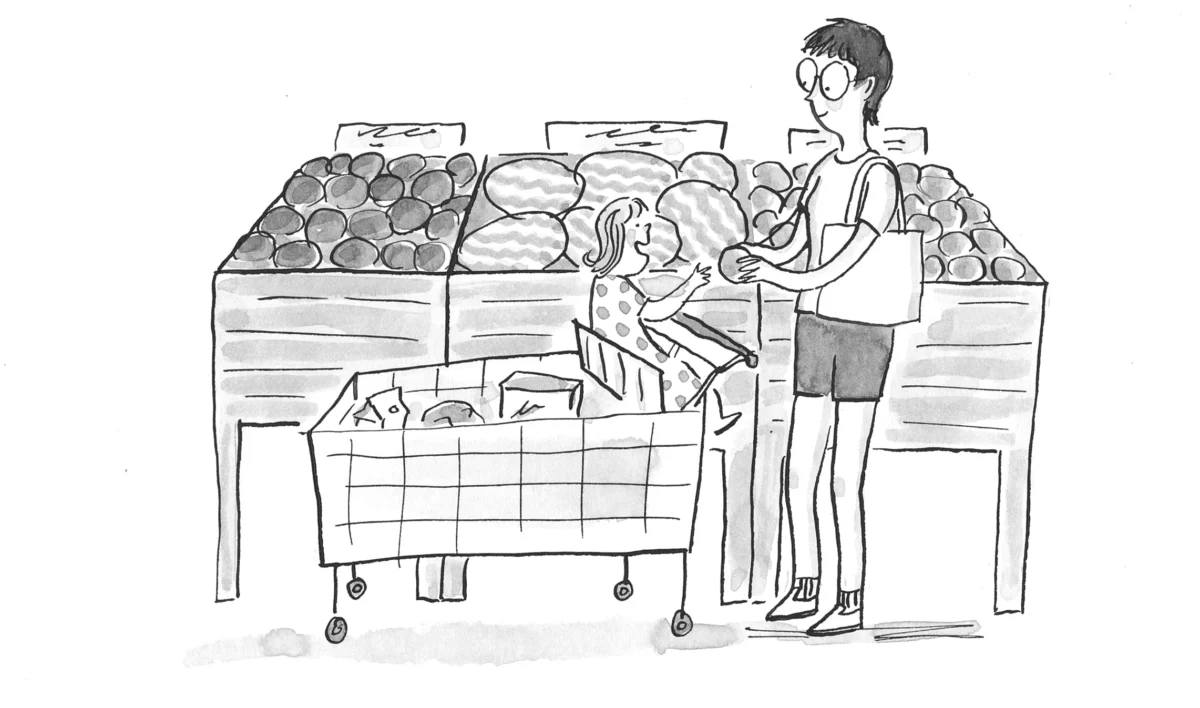
However, as children age, these outings undergo a psychological shift. Many parents report that taking only one child from a set of multiples on an errand feels like a "vacation." This phenomenon, often referred to in parenting circles as "singleton time," allows the parent to engage in a level of one-on-one interaction that is physically impossible when the entire brood is present. It highlights the stark difference in "mental load" between managing a group and nurturing an individual.
Chronology of Development: From Survival to "Splitting"
The trajectory of raising multiples can be divided into distinct chronological phases, each with its own set of hurdles and strategic pivots.
Phase I: The Newborn Fog (0–12 Months)
During the first year, the focus is almost entirely on synchronized scheduling. Survival depends on the babies eating, sleeping, and being changed at the same time. During this phase, public outings are rare and usually involve a "tag-team" approach with a partner or extended family member.
Phase II: The Toddler Chaos (1–3 Years)
As multiples gain mobility, the difficulty peaks. This is the era of the "car cart" and the "double stroller." Parents often report that this is the stage where they are most likely to avoid public spaces entirely. The "split" strategy—where parents divide the children to run separate errands—begins to emerge as a preferred method for maintaining sanity.
Phase III: The Individualization Era (4–9 Years)
As children reach school age, the focus shifts toward recognizing their individual identities. This is when "dates" or "splits" become more intentional. For example, some families implement "Tuesday Night Splits," where each parent takes one child for an evening adventure, switching the following week. This allows the children to experience the world without their siblings for the first time, fostering independent social skills and reducing the "herd mentality" that often develops in multiples.
The Mental Health Implications: Postpartum Anxiety and Separation
While much of the discourse around new parenthood focuses on Postpartum Depression (PPD), parents of multiples are at a heightened risk for Postpartum Anxiety (PPA). The sheer volume of responsibility can trigger a state of hyper-vigilance. Interestingly, this anxiety can manifest in unexpected ways, such as an intense inability to be away from the children.
Clinical observations indicate that some parents experience "separation anxiety" that mirrors that of a child. When finally granted a moment of solitude or a solo errand, these parents may feel "alien" or "fog-brained," finding it difficult to make simple decisions without the presence of their children. This speaks to the deep neurological and emotional "intertwining" that occurs when a parent is forced into a high-intensity caregiving role for multiple infants simultaneously.
Support systems, such as those found in online communities like "Cup of Jo" or local "Moms of Multiples" clubs, provide a vital outlet for normalizing these feelings. The "Oh Honey" phase—a term used to describe the supportive interventions of older, experienced mothers—serves as a form of informal mentorship that helps younger parents realize that their current "survival mode" is a temporary, albeit grueling, stage of life.
The Role of Retailers and Community Design
The experience of parenting multiples is also heavily influenced by the built environment. Retailers like Costco have gained a loyal following among these families because of their infrastructure. Costco’s oversized carts, which feature two child seats side-by-side, are a rarity in the retail world. Furthermore, the wide aisles and efficient checkout processes reduce the time-sensitive pressure that often triggers child meltdowns.
Conversely, the lack of such facilities in smaller, "singleton-focused" stores can make those environments feel hostile to larger families. The move toward "curbside pickup" during the COVID-19 pandemic was a significant boon for parents of multiples, effectively removing the logistical barrier of the "store project" entirely. However, as some parents have noted, this convenience comes at the cost of the child’s social exposure. Outings to the store provide children with opportunities to observe social cues, interact with community members, and learn about the economy of the household.
Broader Impact and Societal Implications
The way a society supports—or fails to support—families with multiples is a reflection of its broader values regarding childcare and the "village" concept. In many cases, the "village" has been replaced by digital communities and paid services. While these are effective, they do not replace the need for physical infrastructure and empathetic social interaction.
The transition of multiples into the education system also presents unique challenges. Schools must decide whether to keep multiples together for emotional support or separate them to foster individual growth. This mirrors the internal struggle parents face during those early grocery store trips: the desire for the ease of the group versus the necessity of the individual connection.
Conclusion: The Resilience of the Multiples Unit
Ultimately, the narrative of raising multiples is one of extreme resilience. The parents who navigate the "circus" of the grocery store, the anxiety of the first solo flight, and the logistics of the "Tuesday Night Split" are developing high-level management and emotional regulation skills.
As these children grow into "singletons" in their own right—heading off to college or starting their own lives—the parents are left with a unique perspective on the human experience. They have witnessed, in real-time and in duplicate or triplicate, the fascinating process of human development. The chaos of the early years eventually gives way to a "shocking ease," but the bond formed in the "survival mode" of the grocery store aisles remains a foundational element of the family’s history. The evolution from "two carts and six hands" to independent young adults is a testament to the enduring power of structured, empathetic parenting in the face of overwhelming odds.
