

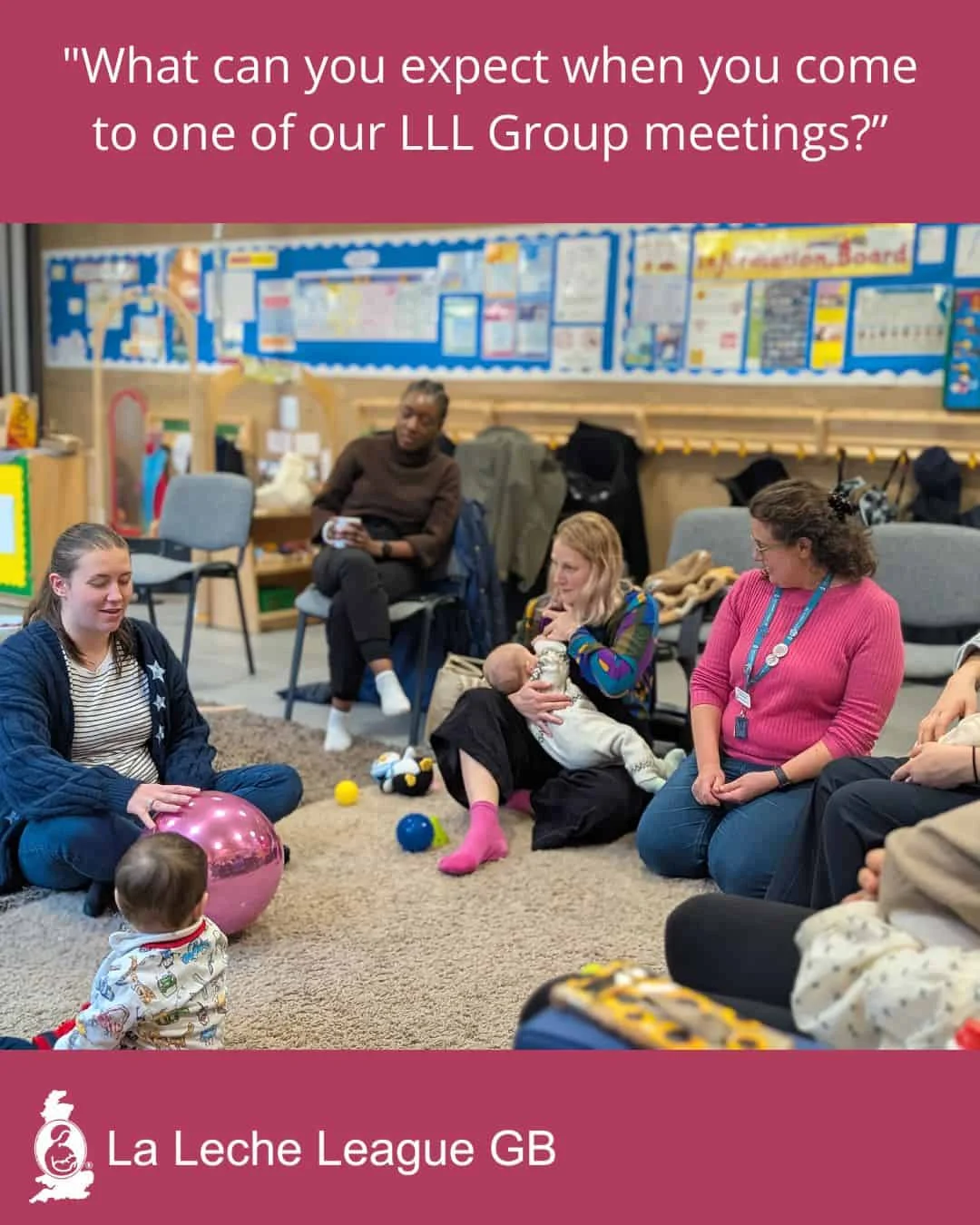
A recent gathering of La Leche League (LLL) Barnet members illuminated the profound complexities and shared anxieties faced by breastfeeding mothers transitioning back into the workforce. The circle, composed of mothers with infants ranging from three to 20 months, including solo parents and those with older children, served as a poignant microcosm of a wider national and international challenge. Despite their varied personal circumstances and stages of motherhood, a unifying thread of experience emerged: the deeply rooted biological imperative to care for their infants, clashing with the practical and often emotional demands of re-entering professional life. This session underscored the vital role of community support networks in helping mothers navigate one of the most significant transitions in early parenthood.
The La Leche League Barnet Circle: A Sanctuary for Shared Experience
La Leche League International, founded in 1956, is a global non-profit organization dedicated to providing information, encouragement, and support to mothers who want to breastfeed their babies. Through local groups like LLL Barnet, volunteers facilitate peer-to-peer discussions, offering evidence-based information and a non-judgmental space for mothers to share their experiences. The recent Barnet meeting exemplified this mission, offering a diverse group of mothers a platform to articulate their concerns. The collective experience ranged from new mothers contemplating their first return to work to those navigating the complexities with multiple children. This diversity highlighted that while individual journeys vary, the core emotional and logistical hurdles for breastfeeding mothers remain remarkably consistent, fostering a grounding sense of solidarity among participants.
The Emotional Landscape of Re-entering the Workforce
The dominant theme of the LLL Barnet discussion was the significant anxiety accompanying a breastfeeding mother’s return to employment. This anticipatory stress is not merely practical; it is profoundly biological and emotional. Human mothers, like many mammals, are biologically wired for constant proximity and responsiveness to their infants. The prospect of extended separation, whether for part-time or full-time work, triggers a natural apprehension about the baby’s well-being and the potential distress their absence might cause. This emotional journey often precedes the practical one, shaping mothers’ perceptions and preparations long before their first day back.
Research consistently supports these anecdotal observations. A 2022 study published in the Journal of Maternal-Fetal & Neonatal Medicine found that over 60% of new mothers reported moderate to high levels of anxiety regarding their return to work, with breastfeeding mothers experiencing slightly higher rates of distress. Factors contributing to this include concerns about maintaining milk supply, managing pumping schedules, and ensuring their baby’s nutritional and emotional needs are met by alternative caregivers. The emotional toll can manifest as guilt, sadness, and an overwhelming sense of responsibility, highlighting the need for comprehensive mental health support alongside practical advice.
Navigating the Logistics: Breastfeeding in a Professional Environment
Beyond the emotional challenges, the practicalities of exclusively breastfeeding (EBF) while working present significant logistical hurdles. Many mothers at the LLL Barnet meeting discussed planning for nursery days, typically three per week, to manage the transition. However, the intricacies of milk expression and feeding away from the breast emerged as a major point of concern.
Pumping and Milk Expression: For many, expressing breast milk during work hours is crucial. This involves not only the equipment—pumps, storage bottles, coolers—but also dedicated time and a suitable private space. One mother’s reflection on the stress of pumping, ultimately deciding her baby thrived without it, offered a gentle but critical reminder that there are multiple successful paths. While pumping can be a lifeline for maintaining supply and providing breast milk, it can also become an additional source of pressure, impacting a mother’s mental well-being and potentially leading to early cessation of breastfeeding if not adequately supported. Workplace policies in many countries, including the UK, stipulate that employers must provide reasonable breaks and a private, sanitary space (not a toilet) for mothers to express milk. However, implementation varies, and cultural acceptance in the workplace can still be a barrier. Data from the Office for National Statistics indicates that while 78% of mothers return to work within a year of childbirth, only 25% of workplaces formally offer dedicated pumping rooms, often leaving mothers to improvise.
Childcare and Feeding Methods: The choice of childcare—be it a nursery, a grandparent, or another caregiver—is intrinsically linked to feeding strategies. The discussion at the LLL Barnet circle touched upon introducing bottles later in infancy, or even bypassing them entirely in favor of a cup. This decision often hinges on the baby’s developmental stage, particularly how established they are with solid foods. Between six and twelve months, milk remains a central source of nourishment, and experts emphasize the importance of continued breast milk intake. The World Health Organization recommends exclusive breastfeeding for the first six months, followed by continued breastfeeding with complementary foods up to two years and beyond. This recommendation places additional pressure on mothers to ensure adequate milk intake even when separated from their infants. Childcare providers, particularly nurseries, often adapt to these varied feeding methods, but clear communication between parents and staff is paramount.
Infant Adaptability and Developmental Milestones
A key insight from the LLL Barnet discussion was the rapid pace of infant development and their surprising adaptability. As one mother noted, a baby can undergo "radical growth and development" in just two to four months, often feeling like a "different child" in that short span. This inherent changeability means that it’s often impossible to fully predict how an infant will adjust to a new routine or caregiver. Reassuringly, transitions frequently unfold more smoothly than anticipated.
Reverse Cycling: A common adaptive behavior observed in breastfed babies is "reverse cycling," where infants naturally compensate for daytime separations by taking more of their milk feeds at night, when reunited with their mothers. This physiological response is normal and demonstrates the baby’s innate ability to maintain their milk intake and connection with their primary caregiver. For mothers, understanding reverse cycling can alleviate concerns about daytime milk intake and help normalize increased night feeds, reframing them as a natural part of their baby’s adjustment.
Settling into Routine: While some babies may initially refuse milk unless directly from the breast, many adapt remarkably well to the predictable rhythms of nursery life—play, snack, nap, home. This structured environment often provides a sense of security that aids in their transition. Child development specialists confirm that consistency and routine are crucial for young children, helping them feel safe and understand their environment.
Trust and Reassurance in External Care
Entrusting the intimate care of a baby to others, especially when the mother has been the primary caregiver, can feel incredibly vulnerable. Mothers often possess an unparalleled intuitive understanding of their own child’s cues and needs. The LLL Barnet group acknowledged this deep-seated concern. However, one mother’s positive experience with nursery staff offered a valuable perspective: she was "pleasantly surprised by the knowledge and attunement" of the caregivers. This highlights the critical importance of high-quality childcare and open communication.
Childcare experts and pediatricians consistently advocate for parents to engage actively with their chosen childcare providers. This includes asking detailed questions about feeding, sleeping, and comfort strategies, and seeking regular updates. Such proactive engagement not only ensures the baby’s needs are met but also provides crucial reassurance for the mother, helping to calm her "nervous system" during this period of adjustment. Building a relationship of trust with caregivers can significantly ease the transition for both mother and child.
Preparing for Transition: Practical Strategies and Emotional Resilience
The LLL Barnet meeting also delved into practical strategies for preparing babies for nursery and fostering maternal resilience. One mother shared her plan to prepare her baby for nursery by arranging an evening out with her partner, allowing a grandparent to manage bedtime. This gradual introduction to alternative caregivers and routines can be immensely beneficial. It allows the baby to experience separation in a familiar environment with a trusted adult, easing the shock of a full-time nursery transition.
This approach aligns with advice from child psychologists who recommend phased introductions to new environments and caregivers. Such steps help children build resilience and adaptability. The shared sentiment among the mothers was a gradual letting go of some anxiety and a developing trust in the experience. While there might be initial disruptions, such as a baby playing longer or sleeping later, the ultimate outcome is usually positive: "everyone survives." More importantly, carving out time for personal enjoyment, as the mother planning an evening out suggested, is crucial for maternal well-being and can help mothers reclaim a sense of self beyond their caregiving role. This act of self-care is not selfish; it is essential for sustaining the energy and emotional capacity needed for both parenting and working.
Broader Implications: Societal Support and Policy Needs
The experiences shared at the LLL Barnet meeting are not isolated incidents; they reflect systemic challenges that impact public health, economic productivity, and gender equality.
Public Health Impact: Continued breastfeeding offers significant health benefits for both mother and child, including reduced risk of infections, allergies, and chronic diseases for infants, and lower risks of certain cancers and postpartum depression for mothers. When mothers face insurmountable barriers to combining breastfeeding with work, these public health benefits are undermined. Policies that support breastfeeding mothers’ return to work, such as extended paid parental leave, mandatory workplace accommodations, and affordable, breastfeeding-friendly childcare, are investments in population health.
Economic Impact: The ability of mothers to return to work while continuing to breastfeed has significant economic implications. For individual families, it impacts household income and financial stability. For employers, supporting breastfeeding mothers can lead to higher employee retention, reduced absenteeism (as breastfed babies tend to be healthier), and improved morale. Conversely, a lack of support can lead to mothers leaving the workforce prematurely, representing a loss of skilled labor and experience. A 2021 report by the London School of Economics estimated that inadequate breastfeeding support costs the UK economy hundreds of millions of pounds annually in healthcare costs and lost productivity.
Policy Recommendations: The challenges articulated by the LLL Barnet mothers underscore the urgent need for robust policy frameworks. This includes:
- Enhanced Parental Leave: Providing longer periods of adequately paid maternity and paternity leave, allowing mothers more time to establish breastfeeding and bond with their infants before returning to work.
- Workplace Protections and Accommodations: Strict enforcement of laws requiring employers to provide reasonable breaks and private, sanitary spaces for expressing milk, along with flexible work arrangements.
- Affordable, High-Quality Childcare: Subsidized or universal childcare options that are supportive of breastfeeding and offer trained staff who understand the needs of breastfed infants.
- Public Awareness Campaigns: Challenging societal norms and promoting a culture where breastfeeding in public and in the workplace is normalized and supported.
- Healthcare Provider Training: Ensuring healthcare professionals are equipped to provide consistent, evidence-based advice and support on combining breastfeeding with work.
The tenderness and honesty prevalent in the LLL Barnet circle serve as a powerful reminder that while transitions can feel monumental, mothers are not alone in navigating them. The collective sharing of experiences, anxieties, and triumphs fosters a vital sense of community and empowerment. As Rosella Picciuto of LLL Barnet concluded, such open-hearted sharing is invaluable. It not only provides immediate support to individual mothers but also shines a light on the broader societal changes needed to truly support women in balancing their roles as caregivers and professionals. The journey of modern motherhood, particularly when intertwined with professional ambitions, requires not just personal resilience but also comprehensive, empathetic systemic support.
