

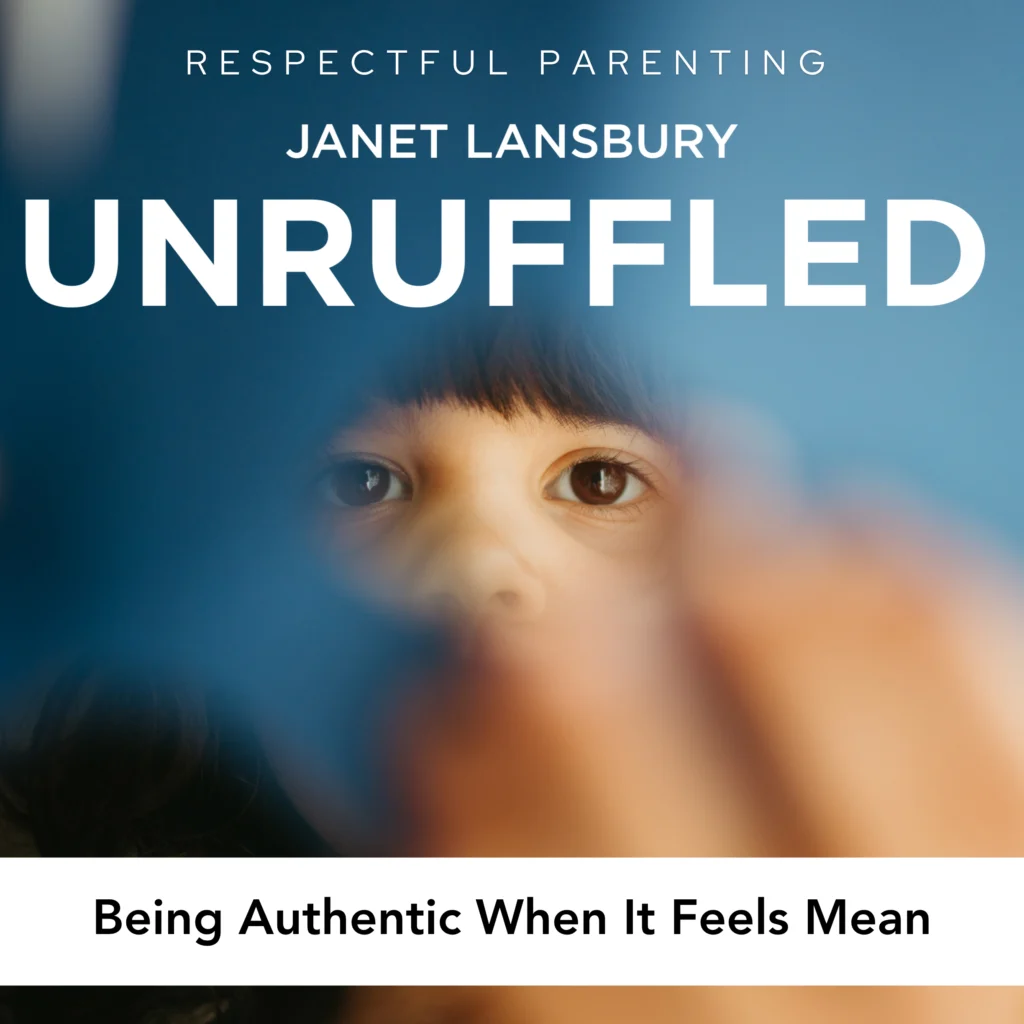
A recent discussion hosted by parenting expert Janet Lansbury has ignited a conversation among parents grappling with the complex emotions that arise when setting boundaries with young children. The core of the discourse, sparked by an email from a parent named "Sarah" (name changed for privacy), centers on the challenge of maintaining authenticity in parenting without making children feel rejected or unloved. Sarah’s poignant query, “Is it wrong to say ‘I don’t want a hug right now’ when I’m feeling angry or annoyed?” highlights a prevalent parental dilemma: how to express genuine feelings, particularly negative ones, in a way that is both honest and constructive for a child’s emotional development.
The discussion, which took place on Lansbury’s popular podcast "Unruffled," delved into the intricate dynamics of parent-child relationships, focusing on the often-unseen emotional landscape of both parties. Lansbury, known for her RIE (Resources for Infant Educarers) inspired approach, emphasized the importance of understanding a child’s behavior through the lens of their developmental stage and emotional needs, rather than solely as a reflection of their character or intent. This perspective, she argued, is crucial for parents to respond with confidence and foster a deeper connection with their children.
The Parent’s Dilemma: Authenticity vs. Perceived Rejection
Sarah’s email detailed a specific scenario involving her three-year-old son. After tidying up toys, the child began throwing them around "for fun." Sarah’s initial response was to calmly state, "I won’t let you throw these things around because I’ve just been tidying them and I want the house neat. I’m going to move them away from you." While her son appeared to accept this boundary, he soon thereafter requested a hug. This request presented Sarah with a significant internal conflict.
"I don’t feel like giving him a hug on the couch because I’m still annoyed that he’s making my day more difficult," Sarah confessed in her email. "Is it wrong to say ‘I don’t really want to hug you right now because I’m annoyed with you, I didn’t like it when you threw the things around and made the house untidy’?" she questioned. Her fear was that such a direct, albeit honest, expression of her feelings would damage her relationship with her son, potentially making him feel that her affection was conditional on his "good" behavior. This concern, she explained, stems from her own childhood experiences where expressing emotions was discouraged, leading her to constantly work on identifying and allowing her own feelings.
Sarah articulated a profound struggle with setting boundaries that feel "mean" or rejecting, particularly when they stem from her own emotional state. She worried about projecting her "baggage" onto her three-year-old and questioned how to be authentic without causing emotional harm. This dilemma touches upon fundamental aspects of child development and parental responsibility, including the concept of consent and bodily autonomy, which Sarah felt would be undermined by hugging when she didn’t genuinely feel like it.
Understanding the Child’s Perspective: Beyond Surface Behavior
Janet Lansbury addressed Sarah’s concerns by first contextualizing the underlying emotional drivers of children’s behavior. She posited that a child’s actions, such as throwing toys after they have just been tidied, are rarely purely for amusement, especially when a parent has just invested effort in tidying. Instead, Lansbury suggested that such behaviors often serve as an unconscious cry for attention or a way for the child to communicate underlying distress or unmet needs.
"Children don’t enjoy making us annoyed and they don’t do things like this for fun," Lansbury stated. "Our children are highly aware. From the moment they’re born, they are soaking everything up, and there’s no way in the world that our child is just having a good time doing something that they’re very aware is upsetting to us." This awareness, she elaborated, is often underestimated by parents because children lack the verbal capacity to articulate their observations and feelings.
Lansbury theorized that the three-year-old’s behavior might be amplified by the presence of a younger sibling. The introduction of a baby into the family dynamic can trigger feelings of insecurity, jealousy, and a need for parental attention in the older child. The act of throwing toys could be a way for him to regain his mother’s focus, especially if he feels his mother’s energy and attention are being diverted to the new baby. This perspective reframes the child’s actions not as defiance, but as a vulnerable attempt to communicate his internal state.
The Nuances of Authenticity in Parenting
Lansbury then delved into the concept of authenticity in parenting, distinguishing it from simply expressing every fleeting emotion. True authenticity, she explained, lies in the congruence between a parent’s inner feelings and their outward actions, particularly in how they respond to their child’s needs. It is not about unloading one’s emotional burdens onto a child but about being genuine in the interaction.
Regarding Sarah’s desire to withhold a hug, Lansbury affirmed that it is perfectly acceptable for a parent to not feel like hugging at a given moment. Forcing a hug when one doesn’t feel genuine can be more unsettling for a child than a clear, albeit gentle, boundary. Instead of an elaborate explanation of why she felt annoyed, Lansbury suggested a simpler, more direct approach: "I’m not going to hug right now, sweetie, but I love you. I’m going to hug you when I can." This statement acknowledges the child’s need for connection while respecting the parent’s current emotional capacity, promising a future moment of reconnection.
Lansbury also addressed Sarah’s concern about her son feeling that her affection is conditional. She emphasized that by offering a future hug and reiterating her love, Sarah is demonstrating that her affection is unwavering, even if the immediate physical expression is delayed. This approach, she argued, is far more authentic and beneficial than a disingenuous hug.
The Role of Parental Triggers and Self-Compassion
A significant part of the discussion focused on Sarah’s personal history with emotions. Her admission of leaning on anger as a "crutch emotion" and her past experiences of being told that "having emotions was not welcome" are critical pieces of information. Lansbury acknowledged that many parents share similar backgrounds, having learned to suppress their feelings to gain parental approval. This learned behavior, she noted, can create a cycle where parents struggle to accept their own emotions, leading to discomfort when expressing them to their children.
Lansbury encouraged Sarah to practice self-compassion, recognizing that her triggers are a part of her own journey of emotional processing. She stressed that while it’s important for parents to be aware of their emotional triggers, they don’t need to burden their children with the full weight of their adult struggles. The goal is not perfection, but progress and a striving towards greater emotional attunement.
Re-framing Boundaries and Connection
Lansbury suggested that Sarah’s initial response to her son’s toy-throwing was perhaps too verbose. "All of that is so much energy she’s putting into this explanation and these words that aren’t necessary," she commented. Lansbury advocated for more concise, action-oriented responses, such as physically moving the toys away while stating a clear boundary like, "I can’t let you do that." This approach, she argued, conserves parental energy and avoids inadvertently giving too much attention to minor transgressions.
The implication of this is that by reducing unnecessary verbal explanations, parents can conserve their emotional resources, making it easier to manage their own annoyance and respond more calmly. This, in turn, can help de-escalate the child’s behavior and foster a more peaceful interaction.
Broader Implications for Parenting
The conversation highlighted several key takeaways for parents:
- Understanding Underlying Needs: Children’s challenging behaviors are often expressions of unmet needs or emotional distress. Recognizing this can shift a parent’s response from frustration to empathy.
- Authenticity vs. Oversharing: True authenticity with children means being genuine in your responses and actions, not necessarily sharing every internal thought or feeling.
- The Power of Concise Boundaries: Clear, brief boundaries are often more effective than lengthy explanations, especially with very young children.
- Self-Compassion is Crucial: Parents are encouraged to be kind to themselves as they navigate their own emotional triggers and learn to parent authentically.
- Reconnection is Key: When boundaries are set, especially those that involve emotional distance, offering future opportunities for connection is vital for maintaining a secure attachment.
Lansbury’s advice empowers parents to trust their instincts, set boundaries with respect, and cultivate a more authentic and connected relationship with their children. The discussion serves as a reminder that parenting is a continuous learning process, and embracing imperfections is part of the journey towards becoming a more attuned and responsive caregiver. The overarching message is one of hope and encouragement, assuring parents that they possess the capacity to navigate these complex emotional landscapes with honesty, integrity, and deep love for their children.
