

The digital parenting resource Yummy Toddler Food (YTF) has officially released its latest comprehensive meal planning guide, designated as the July Meal Plan Week 5, aimed at mitigating the logistical and nutritional challenges faced by families during the summer season. This strategic release serves as the centerpiece of the YTF Community, a subscription-based digital ecosystem designed to facilitate efficient household management through curated recipes, adjustable grocery lists, and interactive community support. By integrating seasonal ingredients with time-saving preparation methods, the new plan seeks to address the "mental load" of parenting—a term used by sociologists to describe the invisible labor involved in managing a household’s daily needs.
Strategic Response to Summer Schedule Volatility
The release of the July Week 5 plan comes at a critical juncture for families as they navigate the transition between mid-summer activities and the impending back-to-school season. Research into domestic labor patterns suggests that nutritional planning often becomes more fragmented during the summer months due to a lack of routine, increased travel, and higher temperatures that discourage traditional indoor cooking. The YTF initiative directly counters this trend by providing a structured framework that emphasizes simplicity without compromising nutritional density.
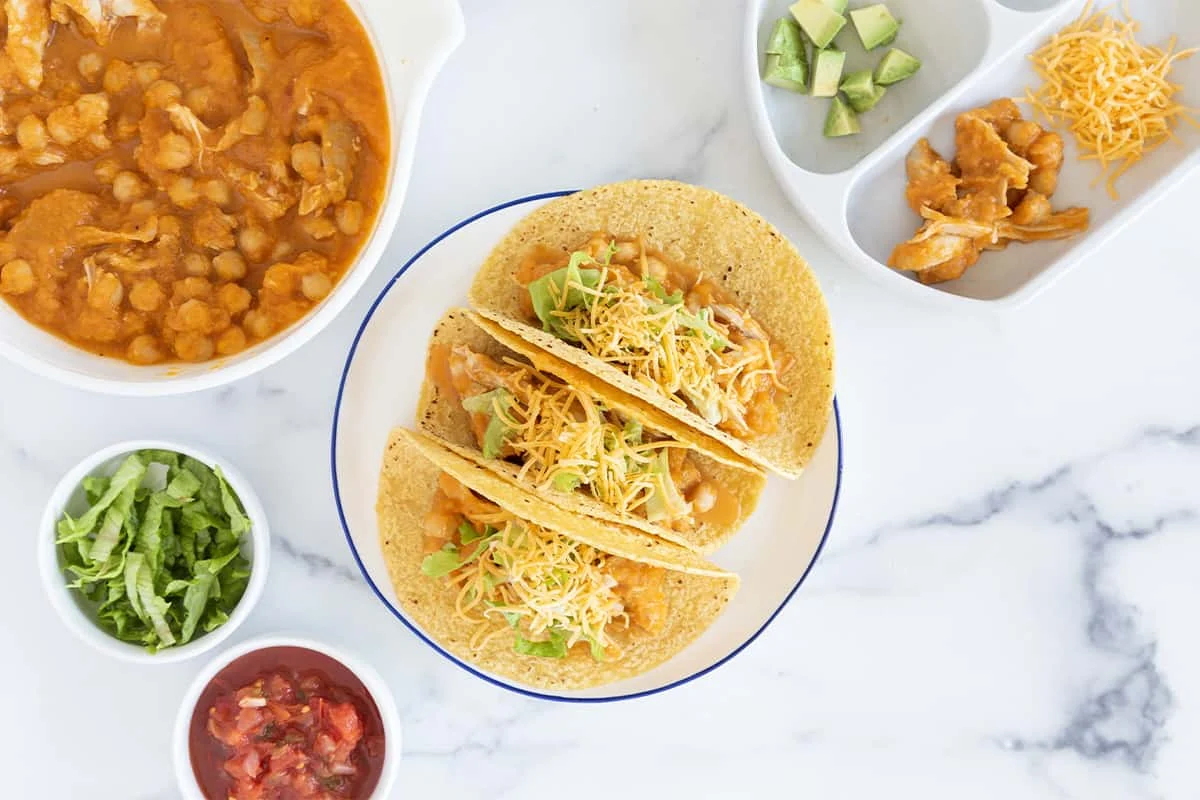
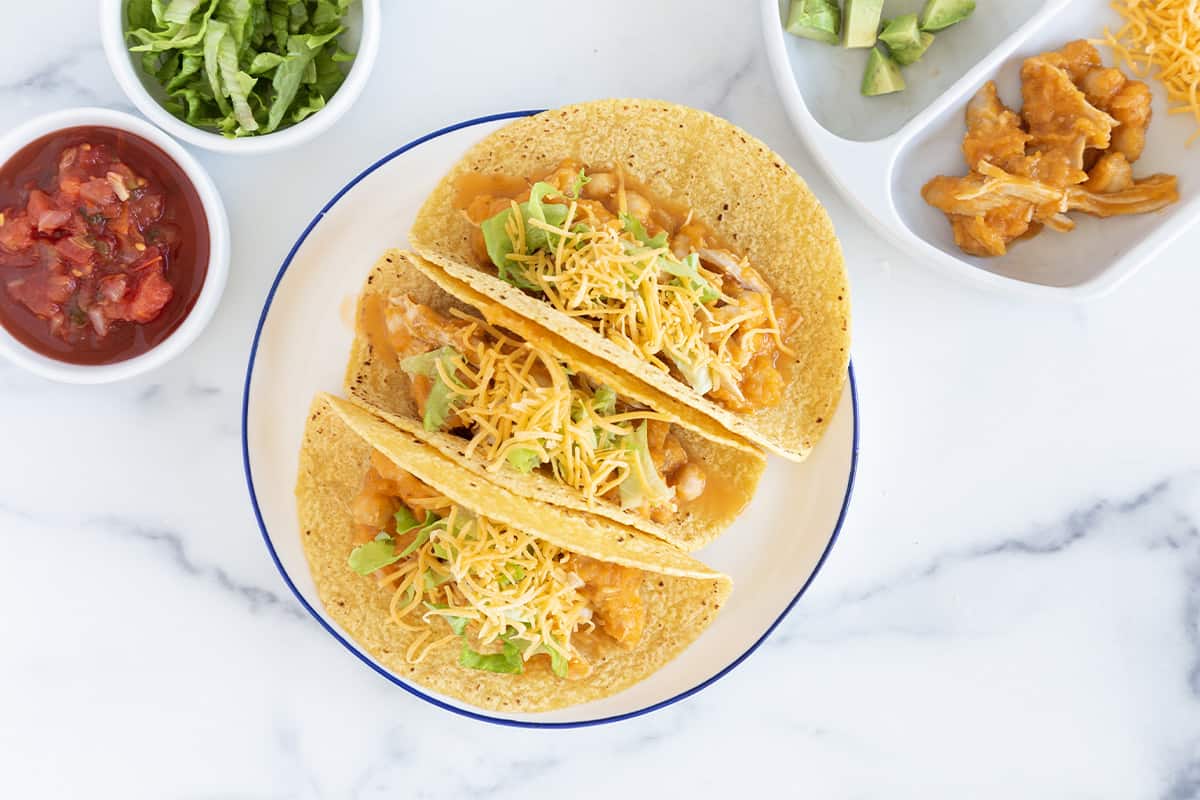
Central to the new plan is a collection of recipes designed for various times of day, including breakfast, lunch, and snack intervals. Key featured items include Broccoli Muffins, which prioritize hidden vegetable intake, and Watermelon Popsicles, which serve as a hydration-focused alternative to processed snacks. The inclusion of slow-cooker chicken tacos highlights a shift toward "heat-free" cooking methods, which are increasingly popular among consumers during peak summer heatwaves as a means of reducing home energy consumption and maintaining indoor comfort.
Technological Integration and Customization Features
A distinctive element of the latest YTF offering is its emphasis on technological utility. Unlike static PDF meal plans, the YTF Community platform utilizes dynamic tools that allow users to modify serving sizes based on family requirements. This functionality automatically updates an editable grocery list, a feature that industry analysts suggest can significantly reduce household food waste.
According to data from the Natural Resources Defense Council (NRDC), the average American family of four loses approximately $1,500 per year to uneaten food. Structured meal planning with integrated shopping lists is cited by environmental economists as one of the most effective interventions for reducing this waste. By providing a digital interface that reconciles recipe requirements with inventory management, the YTF platform aligns with broader consumer trends favoring "smart" kitchen solutions and sustainable living practices.
Chronology of the YTF Community Evolution
The development of the YTF Community reflects a broader shift in the digital media landscape, moving from ad-supported free content toward premium, value-added subscription models.
- Phase I: Foundation (Early 2010s): The platform began as a repository for free, toddler-focused recipes, establishing a brand identity centered on "picky eater" solutions and realistic parenting.
- Phase II: Expansion of Utility (2018–2021): Recognizing the need for more than just recipes, the platform began experimenting with basic meal planning guides and PDF downloads.
- Phase III: The Digital Community Launch (2022–Present): The transition to a membership-based model allowed for the integration of proprietary software tools, such as the custom meal plan creator and interactive forums.
- Phase IV: Seasonal Specialization (Current): The July Week 5 plan represents the current focus on hyper-seasonal, schedule-specific content, including specialized "Vacation Meal Plans" designed for families traveling to rental properties with limited kitchen equipment.
Economic and Sociological Context of Subscription-Based Cooking
The YTF Community’s reliance on a paid subscription model for its full suite of tools—including the July Week 5 plan—mirrors the "Substack-ification" of niche expertise. While a majority of the platform’s general recipe content remains free to the public, the highly labor-intensive organizational tools are reserved for paid members. This tiered approach is increasingly common among digital creators who provide specialized domestic advice.
Sociologists noting the rise of these communities point to the "outsourcing" of decision-making. In an era of "choice overload," where a simple search for "toddler lunch ideas" can yield millions of results, parents are increasingly willing to pay for a curated, trusted source that removes the need for independent research. The YTF model provides a pre-vetted selection of recipes that adhere to specific nutritional and safety standards for young children, thereby streamlining the domestic decision-making process.
Nutritional Analysis and Recipe Selection
The July Week 5 plan is structured around the principles of "responsive feeding," a framework encouraged by pediatric nutritionists. This approach emphasizes providing a variety of healthy options while allowing children to determine their own level of intake. The specific recipes chosen for this week reflect a balance of macronutrients and sensory textures:
- Broccoli Muffins: These serve as a high-fiber, iron-rich breakfast or snack option. The muffin format is strategically used to present vegetables in a familiar, non-threatening texture for toddlers experiencing food neophobia.
- Slow-Cooker Chicken Tacos: This dish provides lean protein and can be deconstructed for younger children, allowing them to engage with different food components (tortilla, meat, cheese, avocado) separately.
- Watermelon Popsicles: Utilizing seasonal fruit, these provide a source of Vitamin C and hydration without the added sugars found in commercial frozen treats.
By focusing on "real life" lunches and snacks, the plan avoids the elaborate "food art" often found on social media, which many parents find unattainable and stressful. Instead, the focus remains on functional nutrition that can be prepared within the time constraints of a standard working household.
Broader Impact on Household Management and Mental Health
The implications of such meal plans extend beyond nutrition into the realm of parental mental health. Clinical psychologists have identified "decision fatigue" as a significant contributor to parental burnout. By providing a weekly roadmap, the YTF July Week 5 plan reduces the number of daily decisions a caregiver must make regarding food procurement and preparation.
Furthermore, the community aspect of the platform—where members can share challenges and joys—serves as a digital support group. This social integration is crucial in an era where traditional village-style support systems for parents are often absent. The ability to comment on recipes, ask for substitutions, and interact with peers creates a sense of collective efficacy in managing the complexities of family feeding.
Market Implications for Digital Food Media
The success of structured, customizable meal plans like those offered by YTF indicates a shift in how consumers interact with food media. There is a declining interest in isolated recipes and a growing demand for holistic systems. Competitors in the space, including large-scale apps and traditional cookbook authors, are increasingly forced to adopt similar "system-based" approaches to remain relevant.
Industry data suggests that the global meal planning app market is expected to grow significantly over the next decade. The YTF Community’s focus on a specific demographic—parents of young children—gives it a competitive edge through specialized knowledge and targeted community engagement. As the platform continues to refine its "July Meal Plan" series and other seasonal offerings, it sets a benchmark for how digital creators can monetize organization and convenience in the domestic sphere.
Future Outlook and Conclusion
As the YTF Community continues to roll out its summer programming, the focus remains on adaptability. The upcoming "May recipe" release and the ongoing "Week of Real Life Summer Lunches" series suggest a robust pipeline of content intended to keep subscribers engaged through the change of seasons.
In conclusion, the launch of the July Meal Plan Week 5 is more than a simple list of recipes; it is a calculated intervention into the modern domestic experience. By leveraging technology to solve the logistical hurdles of grocery shopping and meal prep, and by fostering a community to address the emotional hurdles of parenting, Yummy Toddler Food is positioning itself as an essential utility for the modern family. The move toward paid, high-value, customizable content represents the future of the digital food industry, where the primary product is no longer just the recipe, but the time and peace of mind returned to the consumer.
