

The onset of February often heralds a period of diminished seasonal charm, following the festive exuberance of the preceding holidays. Characterized by plummeting temperatures and persistently abbreviated daylight hours, this phase of winter frequently precipitates a phenomenon colloquially known as the "winter blues," or in more severe instances, Seasonal Affective Disorder (SAD). This annual downturn in mood and energy levels prompts a widespread search for effective coping mechanisms, ranging from psychological strategies to carefully curated consumer products designed to enhance comfort and well-being.

The Seasonal Doldrums and the Quest for Comfort
The post-holiday lull, particularly as winter deepens into February, marks a significant shift in public sentiment and daily routines. The initial excitement of celebrations gives way to the stark realities of colder weather, reduced outdoor activity, and often, a pervasive sense of malaise. This period is a recognized challenge for mental well-being across many temperate regions. The "winter blues" is a common, milder form of seasonal mood change, distinct from but related to Seasonal Affective Disorder (SAD), a clinically recognized form of depression linked to seasonal changes in light exposure. According to the National Institute of Mental Health (NIMH), SAD affects an estimated 5% of adults in the U.S. annually, with milder forms of winter blues impacting a much larger proportion of the population. Symptoms typically include low energy, fatigue, increased appetite (particularly for carbohydrates), increased desire to sleep, and social withdrawal.
In response to these pervasive seasonal challenges, individuals and communities often seek various avenues for mitigation. One increasingly prevalent strategy involves the deliberate acquisition of goods and services aimed at fostering comfort, engagement, and a sense of personal upliftment. This practice, often termed "retail therapy," serves not merely as an indulgence but as a psychological tool to inject novelty and positive reinforcement into otherwise monotonous or challenging periods. Content platforms and lifestyle publications frequently respond to this demand by compiling "love lists" or curated recommendations, offering a structured approach to identifying products that promise to alleviate winter’s gloom and promote a sense of happiness. These lists, while inherently commercial, reflect a broader societal recognition of the need for intentional self-care during the colder months.
Psychological and Physiological Underpinnings of Winter Well-being
The scientific basis for seasonal mood fluctuations is well-established, primarily revolving around the impact of reduced natural light. During winter, shorter days and increased cloud cover lead to decreased exposure to sunlight. This diminished light input affects the brain’s hypothalamus, which regulates sleep, mood, and appetite. Specifically, it can disrupt the body’s circadian rhythm, leading to symptoms akin to jet lag. Furthermore, reduced sunlight is thought to cause a drop in serotonin levels, a neurotransmitter associated with feelings of well-being and happiness. Conversely, melatonin production, a hormone that regulates sleep, may increase, leading to feelings of lethargy and an increased desire for sleep.
Mental health professionals consistently recommend a multi-faceted approach to combating SAD and the winter blues. Key strategies include maximizing exposure to natural light (or using light therapy), maintaining a regular exercise regimen, engaging in social activities, pursuing engaging hobbies, and prioritizing self-care routines. The products featured in contemporary "winter love lists" often align directly with these expert recommendations, albeit through a consumer-oriented lens. For instance, items promoting indoor fitness directly address the need for physical activity. Engaging puzzles or books offer mental stimulation and a distraction from negative thought patterns, serving as a form of cognitive self-care. Comfort wear and home goods contribute to creating a more inviting and soothing personal environment, which can positively influence mood. Even vibrant clothing can play a role in "color therapy," a concept that suggests certain colors can evoke specific emotional responses, counteracting the drabness often associated with winter.
The Economics of Seasonal Self-Care: Consumer Trends in Winter
The period immediately following the peak holiday shopping season in December typically sees a dip in overall retail activity. However, specific categories of consumer spending demonstrate resilience, or even growth, as individuals redirect their purchasing power towards items that enhance personal well-being and indoor living. This phenomenon underscores the economic dimension of seasonal self-care. Data from various market research firms indicate a sustained interest in home improvement, personal fitness equipment, hobby supplies, and comfort-focused apparel during the first quarter of the year. For example, Statista reported that online sales of home and garden products in the U.S. alone reached over $100 billion in 2022, a trend that sees particular emphasis during months when outdoor activities are limited.
The concept of "retail therapy," while sometimes viewed skeptically, has psychological roots. The act of purchasing can provide a temporary mood boost, a sense of control, and a distraction from stressors. During winter, when external factors like weather and shorter days can contribute to feelings of helplessness, the ability to choose and acquire items that promise comfort or enjoyment can be particularly appealing. The rise of e-commerce has further facilitated this trend, allowing consumers to engage in purchasing activities from the comfort of their homes, thereby circumventing the challenges of inclement weather and reduced motivation to venture outdoors. This accessibility has fueled the market for products that cater to an indoor-centric lifestyle, from sophisticated kitchen gadgets to specialized self-care items. The demand for products that promise convenience, efficiency, and a touch of luxury in daily routines becomes more pronounced, reflecting a collective desire to make the most of extended periods spent indoors.
Curated Solutions for Enhancing Winter Living
The "Winter Love List" exemplifies how lifestyle publications curate product recommendations to address the specific needs and desires that arise during the colder months. These selections are typically grounded in personal experience but resonate with broader consumer trends and psychological insights.
Culinary Convenience and Home Comfort
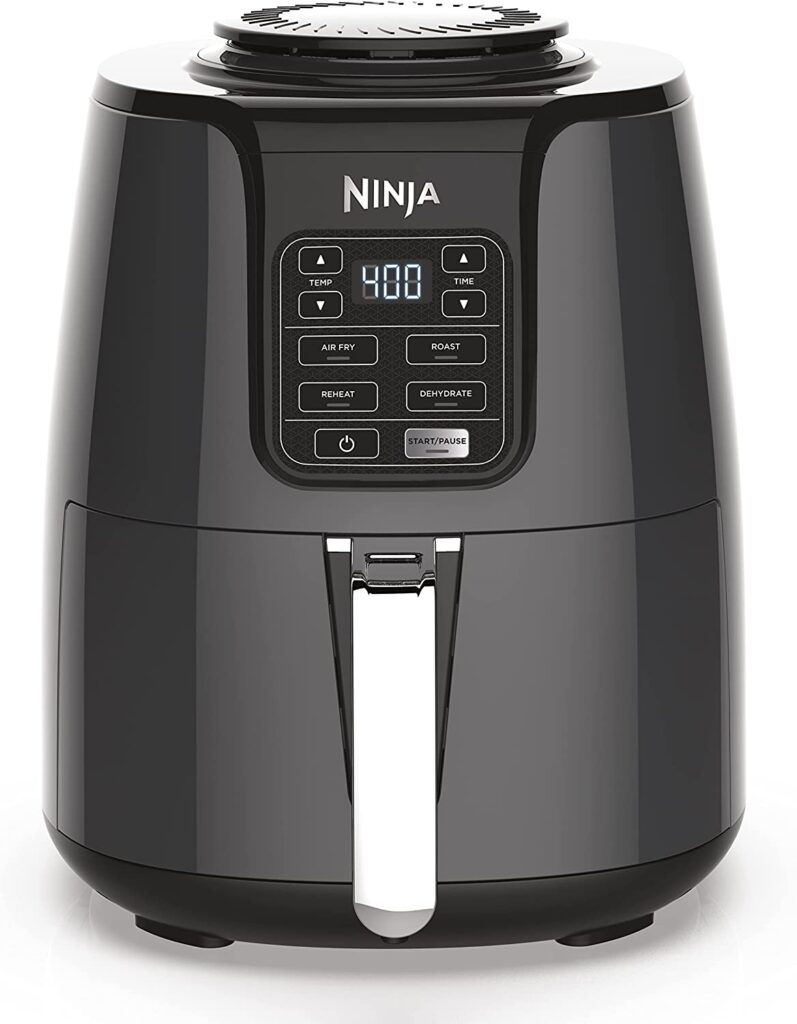
The Air Fryer ($varies), championed for its ability to significantly reduce cooking times and mess, represents a significant trend in modern kitchen appliances. Much like the Instant Pot before it, the air fryer has revolutionized meal preparation by offering a quick, efficient, and often healthier alternative to traditional frying. Its appeal in winter stems from the desire for comforting, warm meals without extensive preparation or cleanup, allowing more time for relaxation indoors. The convenience of preparing dishes like chicken nuggets in 10 minutes, as opposed to 35, speaks to a broader consumer demand for efficiency in daily tasks, particularly when motivation may be lower.
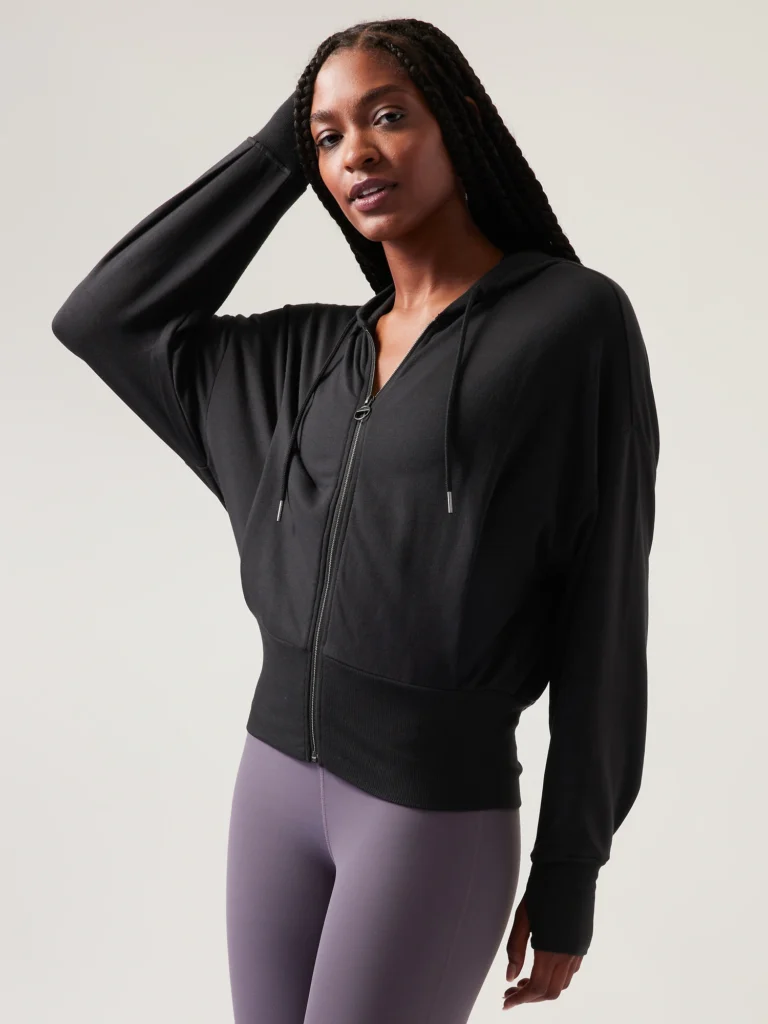
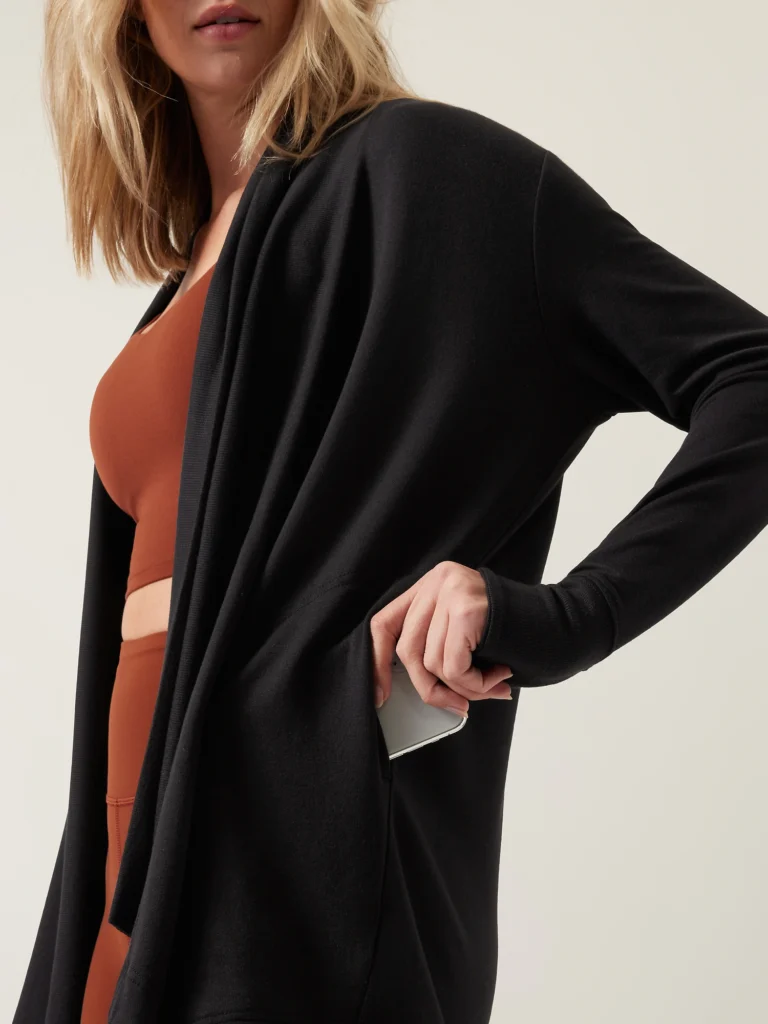
Similarly, comfortable and versatile loungewear emerges as a winter essential. The Athleta Balance Jacket ($119) and Rhone Loungewear for Men ($79) highlight the importance of soft, adaptable clothing for both indoor relaxation and casual outdoor excursions. The Athleta jacket, described as a "soft zip-up," caters to the need for a lightweight, yet cozy layer that integrates seamlessly into an existing wardrobe. Rhone’s loungewear, noted for its "butter soft and roomy" qualities, underscores the growing market for premium comfort wear that offers both tactile pleasure and aesthetic appeal. Notably, Rhone’s commitment to sustainability, evidenced by its reusable packaging and partnership with Olive for waste-free shipping, reflects an increasing consumer consciousness towards environmental impact, even in the realm of comfort retail.
Engaging the Mind and Body
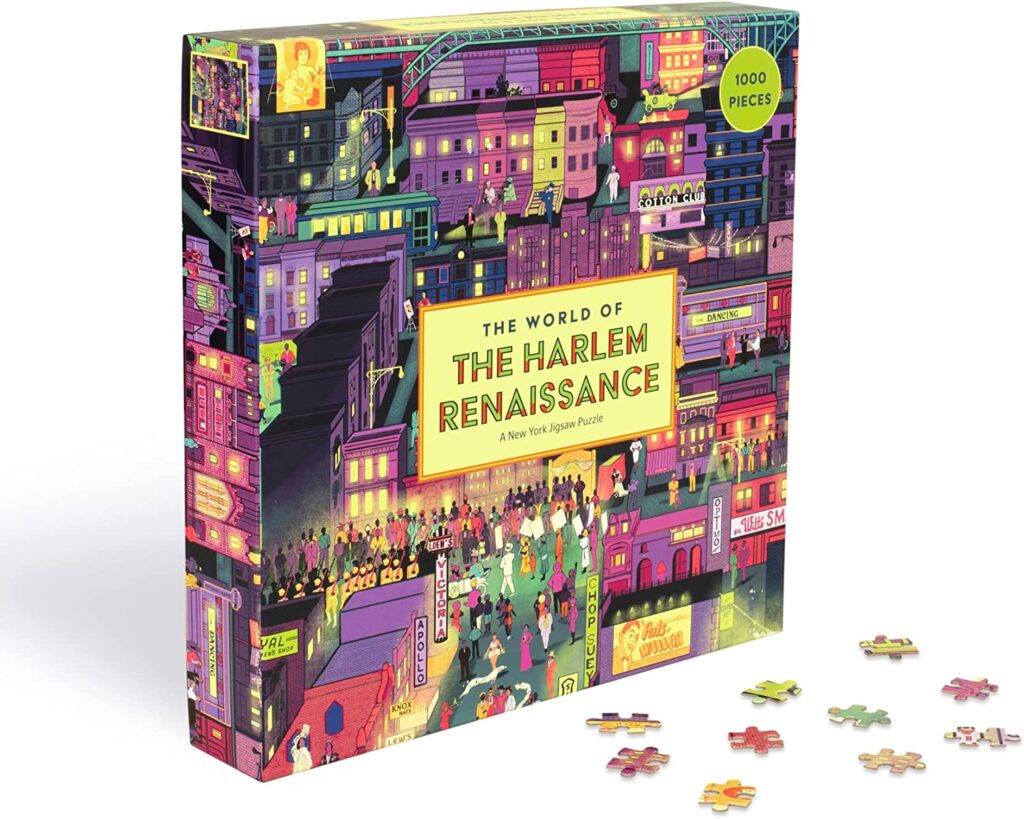
To combat the mental lethargy often associated with winter, activities that stimulate cognitive function and physical well-being are crucial. Jigsaw Puzzles ($21), as highlighted by a renewed appreciation, offer a compelling alternative to screen-based entertainment. The act of assembling a puzzle is not only mentally engaging but can also be deeply relaxing and meditative, providing a focused, screen-free activity for snowy or rainy afternoons. This trend aligns with a broader movement towards mindfulness and digital detox.
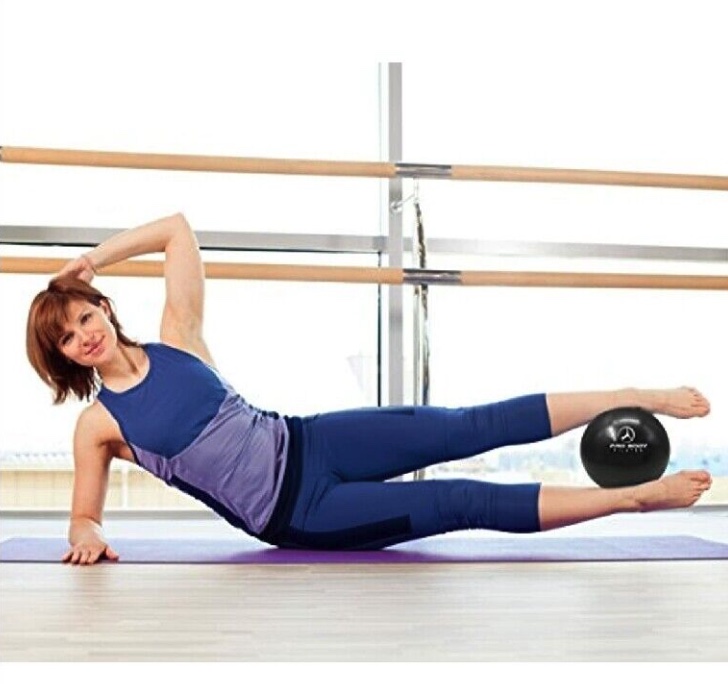
Physical well-being remains paramount, even with reduced outdoor activity. The Mini Pilates Ball ($12) serves as an accessible and affordable tool for at-home fitness, targeting core strength, abdominal muscles, and pelvic floor engagement. Its compact size and low cost make it an ideal addition to a home workout routine. For muscle recovery and targeted relief, the Theragun Mini ($159) addresses common winter ailments like stiffness and soreness. Its portable design allows for convenient self-massage, mitigating discomfort that might arise from reduced mobility or increased time spent in static positions. The focus on at-home fitness tools reflects a sustained shift in consumer behavior, driven by convenience and the desire to maintain physical health regardless of external conditions.
Personal Expression and Mood Elevation
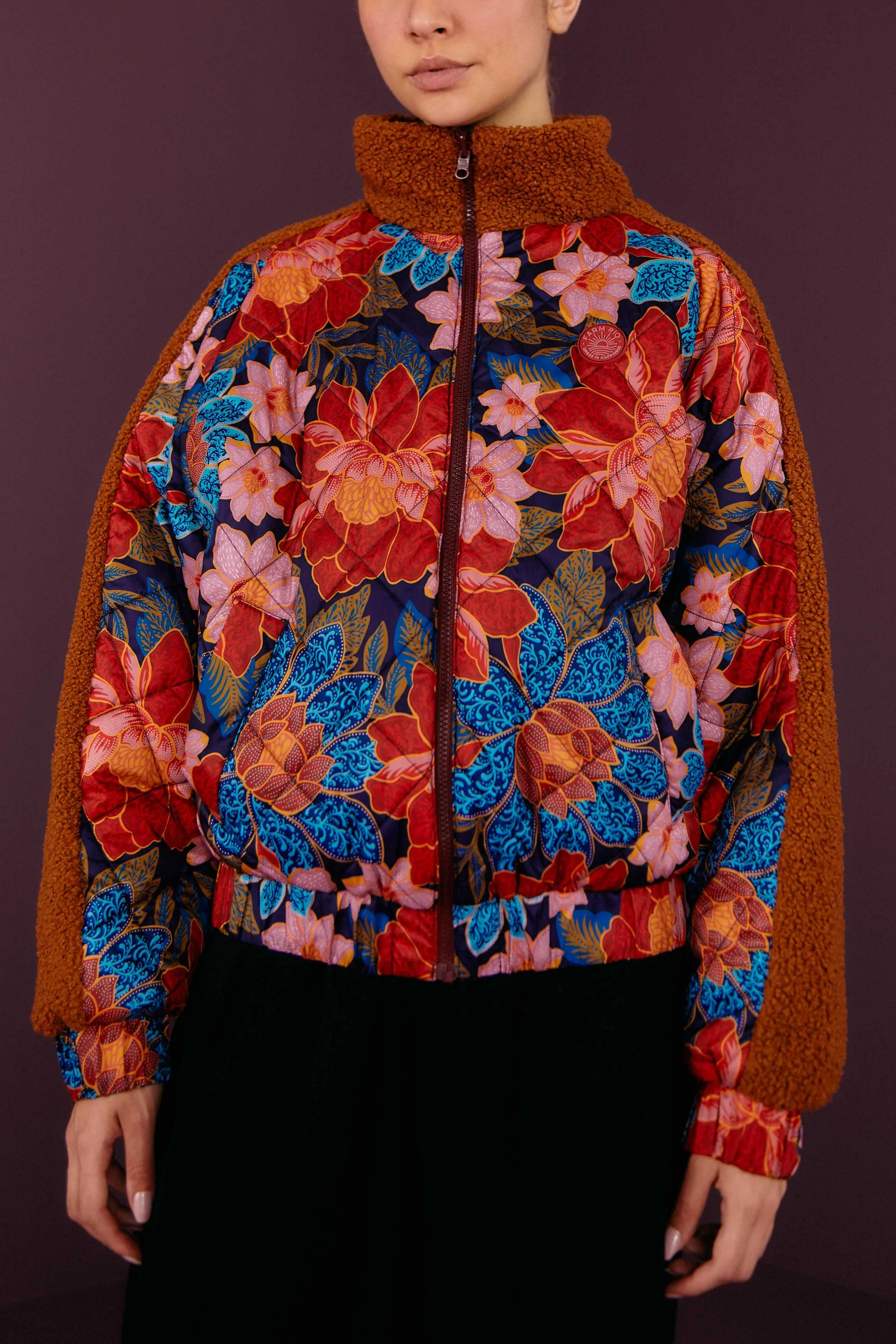
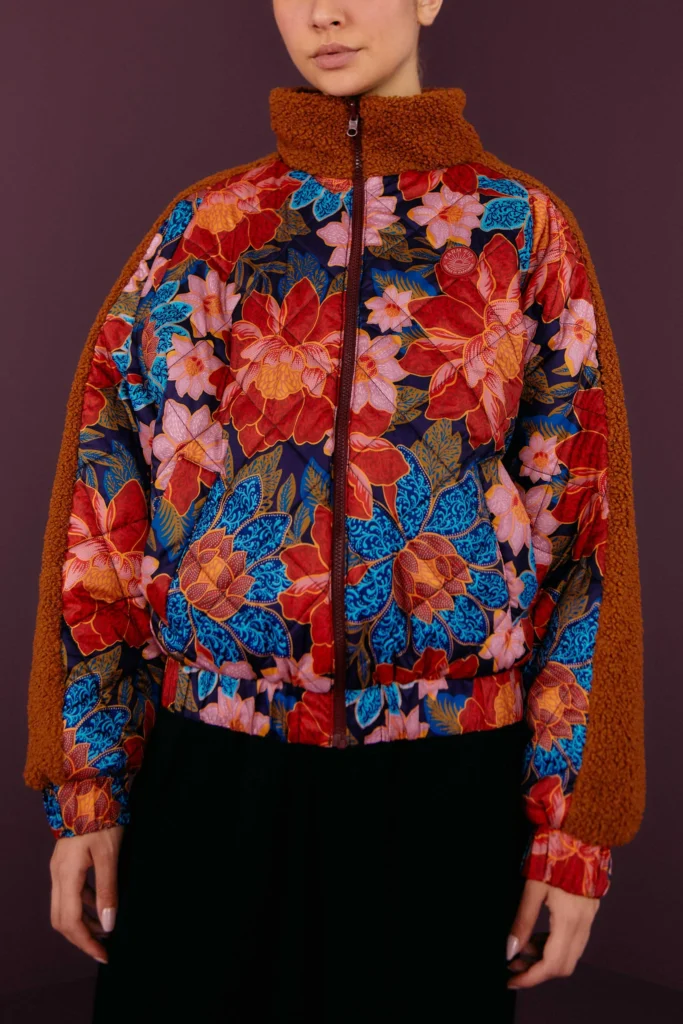
Fashion and personal care products also play a significant role in elevating mood and fostering a sense of self-worth during winter. Farm Rio Clothing ($varies) exemplifies the psychological impact of color and vibrant patterns. This Brazilian brand’s ethos, "dress in happiness," directly addresses the desire to counteract winter’s drabness with cheerful, exotic, and life-affirming designs. The use of bright colors and bold prints can have a positive effect on mood, a concept rooted in color psychology.
In the realm of personal grooming, the Tower 28 Mascara ($20) and Olaplex Hair Repair Treatment ($62) illustrate the importance of self-care routines. The mascara, lauded for its defining, elongating, non-toxic, and sensitive-eye-friendly properties, contributes to a sense of put-togetherness and confidence. The Olaplex treatment, described as a "game changer" for hair health, particularly for restoring bounce to curls, speaks to the broader desire for effective personal care solutions that address specific concerns and boost self-esteem. These products are not merely cosmetic; they contribute to a holistic approach to self-care that positively impacts mental and emotional states.
Practicality and Organization
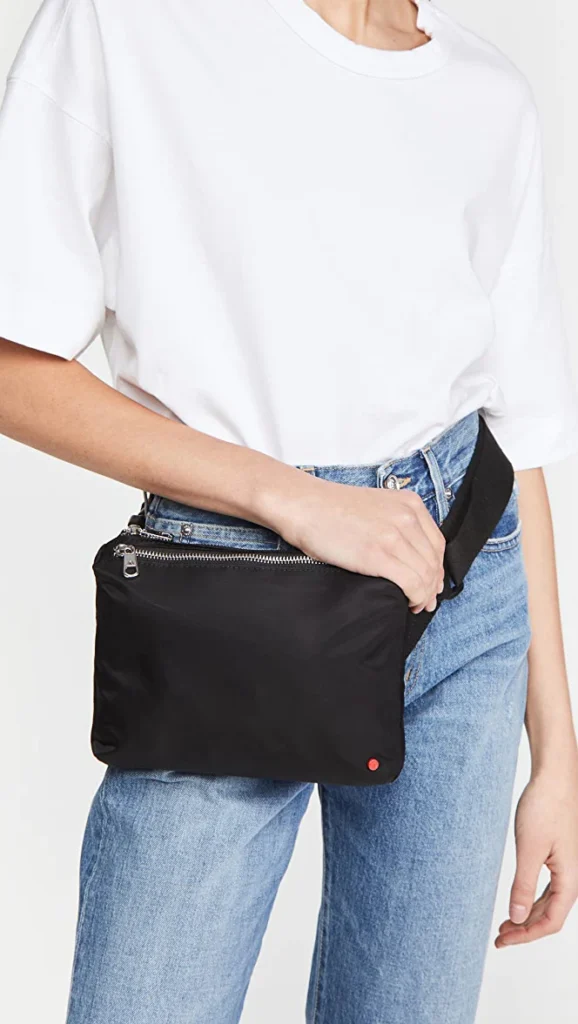
Functional accessories and versatile apparel also contribute to a smoother, more organized winter experience. The Lorimer State Bag Fanny Pack ($90) highlights the demand for practical, yet stylish, carrying solutions. Its dual-compartment design and versatility (cross-body or fanny pack) cater to the need for efficient organization, particularly for individuals managing personal essentials alongside items for children. This emphasis on functional design reflects a lifestyle where convenience and hands-free mobility are highly valued. The Vuori Joggers ($98) further exemplify functional fashion, serving as an "ultra-comfy" and stylish daily uniform. Their appeal lies in their fit, feel, and versatility, easily paired with casual tops and sneakers for various activities, from lounging to light exercise.
Broader Implications and Future Outlook
The consistent demand for "winter love lists" and similar curated recommendations underscores an evolving understanding of seasonal well-being and mental health. There is a growing societal recognition that winter presents unique challenges, and proactive strategies are necessary to maintain mental and physical equilibrium. The market has responded by offering a diverse array of products designed to support these efforts.
The implications extend beyond mere consumerism. The emphasis on self-care, whether through engaging hobbies, mindful movement, or personal grooming, reflects a broader cultural shift towards prioritizing mental health and personal resilience. While the term "retail therapy" can imply impulsive spending, the curation of thoughtful lists encourages intentional purchasing that aligns with genuine well-being objectives.
Looking ahead, the integration of technology, sustainability, and personalized wellness is likely to further shape the landscape of seasonal coping mechanisms. We may see more AI-driven product recommendations tailored to individual preferences and climate zones, alongside a continued push for eco-friendly and ethically sourced goods. The focus on creating inviting home environments, maintaining physical health, and engaging in mentally stimulating activities will likely remain central. The enduring human need for comfort, joy, and effective coping strategies during the challenging winter months ensures that such "love lists" will continue to evolve, offering new ways to navigate the doldrums until the arrival of brighter days.
