

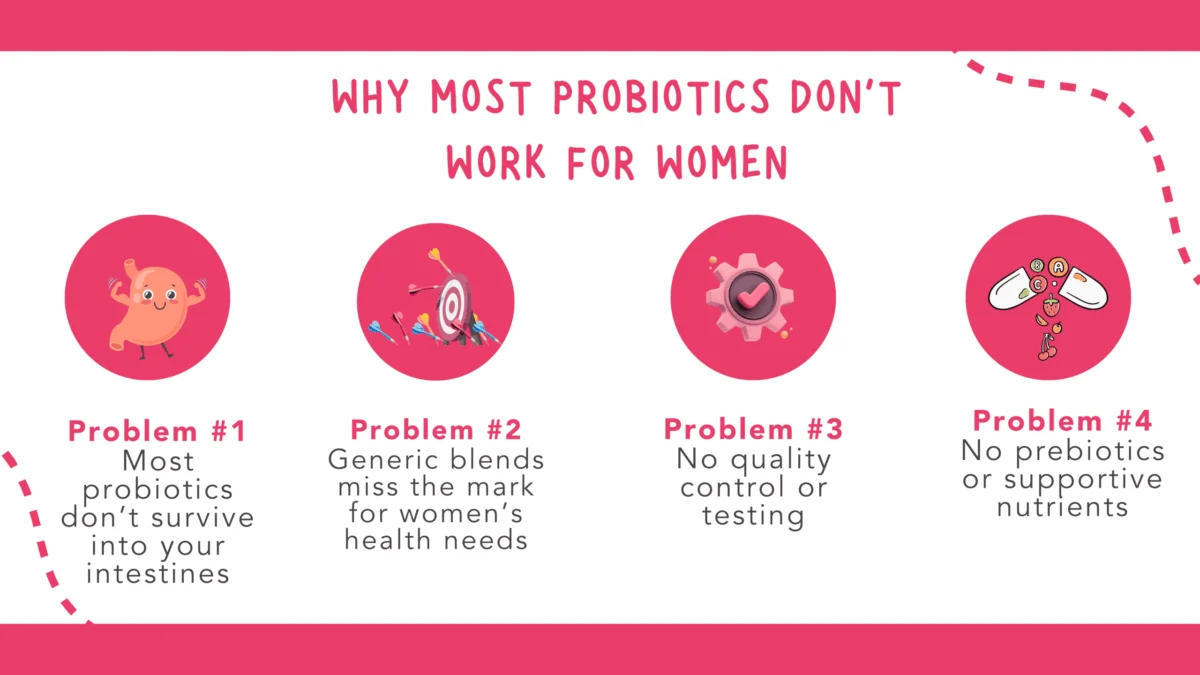
The global probiotic market, valued at approximately $70 billion in 2023, continues to expand as consumers increasingly prioritize gut health for its systemic benefits, including immune support, mental clarity, and metabolic regulation. However, a growing body of clinical evidence and consumer reports suggest a significant "probiotic paradox": despite the proliferation of these supplements, many users—particularly women—report a lack of tangible health improvements. Medical researchers and industry experts point to several systemic issues, ranging from biological survival barriers and generic formulations to a lack of stringent quality control within the supplement industry.
The Biological Gauntlet: Survival in the Gastric Environment
The primary obstacle for any oral probiotic is the human digestive system’s natural defenses. The stomach is designed to be a highly acidic environment, with a pH typically ranging from 1.5 to 3.5. This acidity serves as a critical evolutionary mechanism to break down proteins and neutralize harmful pathogens ingested through food. Unfortunately, this hostile environment does not distinguish between beneficial bacteria and harmful microbes.
Traditional probiotic capsules often fail because the live microorganisms they contain are destroyed by gastric acid and bile salts before they can reach the small and large intestines. For a probiotic to be effective, it must arrive in the lower gastrointestinal tract in a viable state, where it can then colonize the "gut garden"—the complex microbial ecosystem where nutrient absorption and immune signaling occur.
To counter this, high-end formulations have moved toward a strategy known as "potent overage." This manufacturing process involves packing a capsule with significantly higher Colony Forming Units (CFUs) than the amount guaranteed on the label at the time of expiration. By over-delivering on initial bacterial counts, manufacturers aim to ensure that even after the inevitable attrition caused by stomach acid, a sufficient therapeutic dose remains active to provide physiological benefits.
The Gender Gap in Microbiome Research
A significant factor in the perceived failure of probiotics for female consumers is the historical reliance on "generic" bacterial blends. Until recently, much of the research into the human microbiome was conducted without specific regard for sex-based biological differences. However, the female body presents unique physiological demands, including fluctuating hormonal cycles, different immune system responses, and the existence of the vaginal microbiome.
Women are statistically more prone to certain health challenges that are deeply linked to microbial balance, such as Urinary Tract Infections (UTIs), yeast overgrowth (Candidiasis), and hormonal acne. Furthermore, the "estrobolome"—a collection of bacteria in the gut specifically tasked with metabolizing and recirculating estrogen—plays a vital role in female health. When generic probiotic blends lack the specific strains required to support these functions, they often fail to address the primary concerns of the female consumer.
Clinical focus has shifted toward identifying specific strains that offer targeted support. For example, Lactobacillus reuteri and Lactobacillus rhamnosus have been extensively studied for their ability to migrate from the digestive tract to the vaginal canal, helping to maintain an acidic pH that inhibits the growth of pathogens. Similarly, Bifidobacterium longum has shown promise in modulating the stress response, which is often tied to digestive distress in women.
Quality Control and the Labeling Discrepancy
The dietary supplement industry in the United States operates under the Dietary Supplement Health and Education Act of 1994 (DSHEA), which classifies supplements more like food than drugs. This means the Food and Drug Administration (FDA) does not approve supplements for safety or efficacy before they hit the market. This regulatory environment has led to significant discrepancies in product quality.
An independent study published in the journal Nutrients highlighted a concerning trend: a substantial percentage of commercially available probiotics did not contain the quantity or the specific species of bacteria listed on their labels. In some instances, products were found to contain zero live bacteria by the time they reached the consumer. Factors such as heat exposure during shipping, improper storage in warehouses, and poor encapsulation technology contribute to the "die-off" of these sensitive organisms.
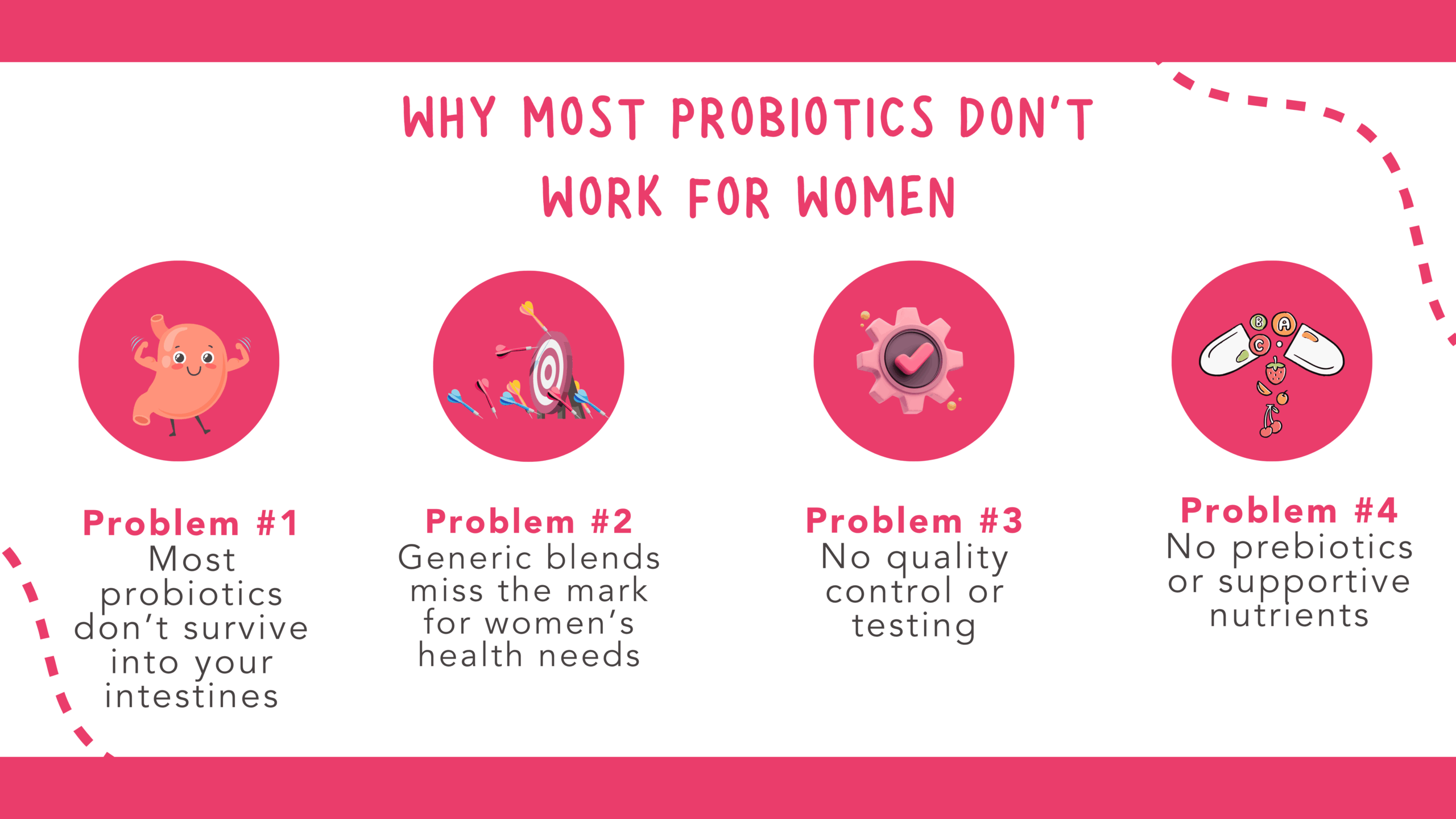
Furthermore, many products use broad genus names like "Lactobacillus" without specifying the exact strain. Journalistic investigations into the supplement supply chain suggest that without strain-level identification (e.g., Lactobacillus gasseri SBT2055), consumers cannot be certain they are receiving the specific version of the bacteria that was used in successful clinical trials.
The Prebiotic Synergy: Nourishing the Microbiome
A third reason for the failure of many probiotic regimens is the absence of prebiotics—non-digestible fibers that act as "fuel" for beneficial bacteria. Introducing probiotics into a gut that lacks prebiotic fiber is often compared to planting seeds in barren soil. Without the necessary nutrients to thrive, the introduced bacteria are unable to colonize effectively and are simply passed through the system.
Recent innovations in gut health have highlighted the use of whole-food prebiotic sources, such as fiber from the Baobab tree (Adansonia digitata). Native to Africa and often called the "Tree of Life," the Baobab produces a fruit pulp that is exceptionally high in soluble fiber and antioxidants. Data suggests that 100 mg of baobab fruit fiber can significantly enhance the proliferation of Bifidobacteria in the gut.
For women, the inclusion of prebiotics is particularly critical. Health organizations, including the American Heart Association, recommend that women consume approximately 25 grams of fiber daily, yet data from the National Health and Nutrition Examination Survey (NHANES) indicates that the average intake is closer to 15 grams. Integrating prebiotics directly into probiotic supplements helps bridge this nutritional gap while ensuring the survival and efficacy of the live cultures.
A Chronology of Probiotic Evolution
To understand the current state of gut health science, one must look at the timeline of its development:
- Early 1900s: Nobel laureate Élie Metchnikoff proposes that consuming fermented milk could "seed" the gut with healthy bacteria, noticing the longevity of Bulgarian peasants.
- 1950s-1990s: Probiotics are largely relegated to the health food niche, primarily found in unpasteurized yogurt and sauerkraut.
- 1994: The passage of DSHEA in the US leads to an explosion in the supplement market, though quality varies wildly.
- 2007: The National Institutes of Health (NIH) launches the Human Microbiome Project, revolutionizing our understanding of how bacteria influence human health.
- 2015-Present: The shift toward "Precision Probiotics" begins, with researchers focusing on strain-specific benefits and gender-specific formulations.
Analysis of Implications: The Shift Toward Precision Health
The transition from generic probiotics to targeted, high-quality formulations represents a broader shift in the wellness industry toward precision medicine. As consumers become more educated, the demand for transparency—such as third-party testing and COAs (Certificates of Analysis)—is forcing manufacturers to improve their standards.
For women, the implications are profound. Effective gut health support is no longer just about "regularity." It is increasingly recognized as a pillar of endocrine health, skin clarity, and mental wellness. The "gut-brain axis," a bidirectional communication network between the enteric and central nervous systems, suggests that a balanced microbiome can mitigate symptoms of anxiety and depression, which disproportionately affect women.
Expert Recommendations for Consumers
In light of the data, health experts suggest that consumers looking for a probiotic that "actually works" should adhere to the following criteria:
- Strain Specificity: Ensure the label lists the full genus, species, and strain designation.
- Clinical Dosage: Look for products that provide CFU counts backed by clinical research, typically ranging from 10 billion to 50 billion for daily maintenance.
- Clean Labeling: Avoid products with unnecessary fillers, binders, or common allergens (soy, gluten, dairy) that may trigger inflammation in sensitive individuals.
- Shelf Stability vs. Refrigeration: While some strains require refrigeration, modern "freeze-drying" technology allows many potent strains to remain stable at room temperature, provided the packaging is moisture-resistant.
- Consistency: Microbiome rebalancing is a physiological process that requires time. Clinical studies typically measure results over a 4-to-12-week period of consistent daily use.
As the industry moves forward, the focus remains on closing the gap between the "promises" of probiotic marketing and the biological reality of the human body. By addressing the specific needs of the female anatomy and ensuring the survival of beneficial bacteria through the digestive tract, the next generation of supplements aims to finally deliver the results that have eluded many for decades.
