

The global probiotic market, valued at approximately $70.2 billion in 2023 and projected to reach over $100 billion by 2030, has moved beyond a niche health trend into a cornerstone of modern preventative medicine. As consumers increasingly prioritize gut health, the complexity of available options—ranging from shelf-stable capsules to high-potency refrigerated liquids—has created a significant information gap. Selecting the appropriate probiotic is no longer a matter of choosing the highest Colony Forming Unit (CFU) count; rather, it requires a nuanced understanding of strain specificity, delivery mechanisms, and individual physiological needs. Medical professionals and nutritional scientists emphasize that the human microbiome is as unique as a fingerprint, necessitating a targeted approach to supplementation that aligns with specific health objectives, such as digestive regularity, immune modulation, or the burgeoning field of psychobiotics for mental well-being.
The Evolution of Microbiome Research: A Historical Chronology
The scientific journey toward understanding the gut-health connection began in the early 20th century, though the commercial application of this knowledge is a relatively recent phenomenon.
- 1907 – The Metchnikoff Hypothesis: Nobel Prize-winning scientist Élie Metchnikoff proposed that consuming beneficial bacteria found in fermented milk could delay senility and improve health. This marked the birth of the probiotic concept.
- 1980s – Strain Identification: Researchers began to differentiate between various genera, such as Lactobacillus and Bifidobacterium, realizing that different bacteria performed distinct roles within the human host.
- 2007 – The Human Microbiome Project (HMP): Launched by the National Institutes of Health (NIH), this initiative aimed to characterize the microbial communities found at several different sites on the human body. This project revolutionized the industry by proving that the microbiome influences everything from metabolic function to the immune system.
- 2010-2020 – The Rise of Targeted Probiotics: Clinical trials shifted focus from general wellness to specific conditions, leading to the discovery of "psychobiotics" (probiotics that affect the brain) and specialized strains for women’s urogenital health.
- 2024 – Personalized Nutrition Era: The current market is moving toward "precision probiotics," where supplements are tailored based on individual stool analysis and genetic markers.
Strain Specificity: The Science of Targeted Efficacy
A common misconception among consumers is that all probiotics provide universal benefits. However, clinical data suggests that the efficacy of a probiotic is entirely dependent on the specific strain, not just the genus or species. For instance, while Lactobacillus is a well-known genus, Lactobacillus rhamnosus GG has very different clinical applications compared to Lactobacillus reuteri.
Digestive Health and Gastrointestinal Homeostasis
For individuals suffering from irritable bowel syndrome (IBS), bloating, or chronic constipation, specific strains have shown superior performance in clinical meta-analyses. Bifidobacterium infantis and Lactobacillus acidophilus are frequently cited for their ability to strengthen the intestinal barrier and modulate the gut’s inflammatory response. These strains assist in the production of short-chain fatty acids (SCFAs), which serve as the primary energy source for colon cells and help maintain a healthy pH balance in the gut.
The Vaginal and Urinary Microbiome
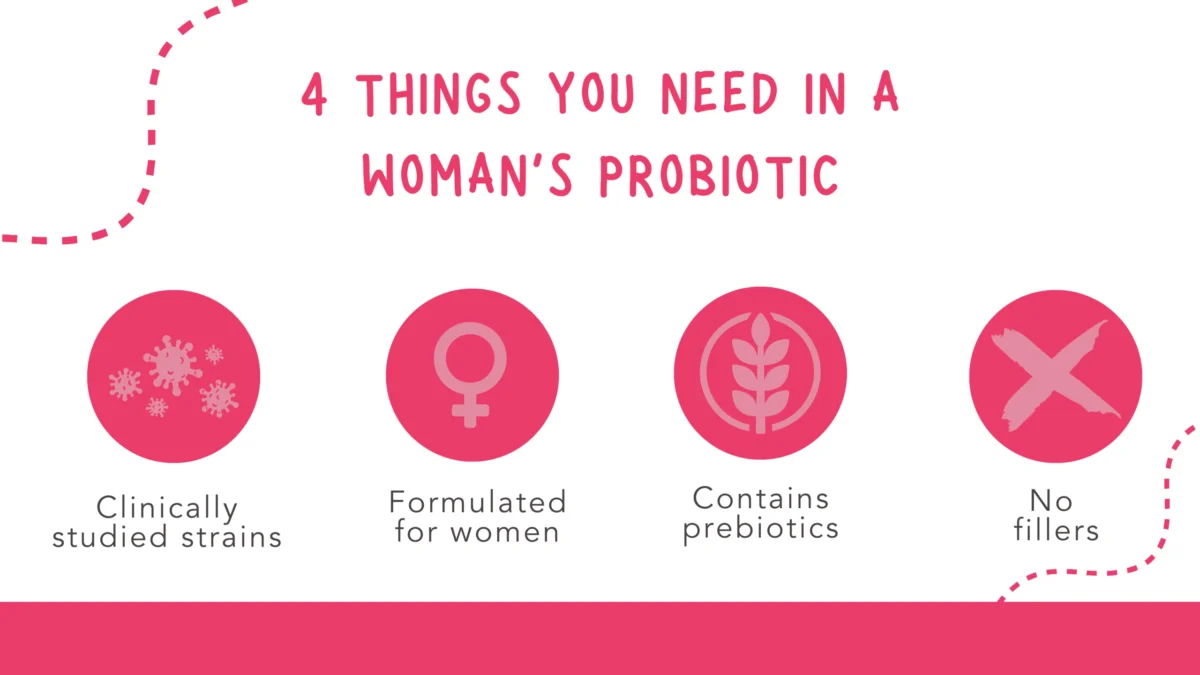
Women’s health represents one of the fastest-growing sectors in the probiotic industry. The vaginal microbiome is naturally dominated by Lactobacillus species, which produce lactic acid to prevent the overgrowth of pathogenic bacteria. Strains such as Lactobacillus rhamnosus and Lactobacillus reuteri have been clinically proven to migrate from the digestive tract to the vaginal canal, helping to restore balance after antibiotic treatments or hormonal fluctuations.
Immunomodulation and Pathogen Defense
Approximately 70% to 80% of the human immune system is located in the gut. Strains like Bifidobacterium lactis and Lactobacillus casei interact with the Gut-Associated Lymphoid Tissue (GALT). By stimulating the production of antibodies and enhancing the activity of natural killer cells, these probiotics train the immune system to respond more effectively to viral and bacterial threats without triggering excessive inflammation.
The Gut-Brain Axis and Mental Health
The emergence of psychobiotics has introduced strains like Lactobacillus helveticus and Bifidobacterium longum into the conversation regarding mental health. These bacteria influence the production of neurotransmitters, including serotonin and gamma-aminobutyric acid (GABA). Research indicates that consistent supplementation with these strains can lower cortisol levels and mitigate symptoms of anxiety and depression by communicating via the vagus nerve.
Quality Metrics and Regulatory Oversight
As the probiotic industry is classified under the dietary supplement category by the U.S. Food and Drug Administration (FDA), it does not undergo the same rigorous pre-market approval process as pharmaceutical drugs. This regulatory environment places the burden of quality verification on the manufacturer and the consumer.
Understanding CFU Counts and Potency
The potency of a probiotic is measured in Colony Forming Units (CFUs), which indicate the number of viable bacteria per dose. While a higher CFU count—typically ranging from 10 billion to 50 billion—is often associated with higher quality, potency at the time of manufacture does not always equal potency at the time of consumption. Reputable brands now provide "guaranteed potency at expiration" rather than "at time of manufacture."
Bioavailability and Survival Rates
The primary obstacle for any oral probiotic is the highly acidic environment of the human stomach. Without protective delivery systems, such as enteric coatings or delayed-release capsules, a significant portion of the beneficial bacteria may be destroyed before reaching the small and large intestines. Technological advancements in shelf-stability have also reduced the necessity for refrigeration, making high-quality probiotics more accessible for modern lifestyles.
Third-Party Testing and Transparency
The absence of strict FDA oversight has led to the rise of third-party certifications. Organizations such as NSF International, USP (U.S. Pharmacopeia), and Informed Choice provide independent verification that a product contains the ingredients listed on the label and is free from contaminants like heavy metals, mold, or unlisted allergens (gluten, soy, and dairy).
The Role of Prebiotics and Synbiotics in Colonization
For probiotics to effectively colonize the gut, they require adequate nourishment. This has led to the development of prebiotics—non-digestible fibers that serve as "food" for beneficial bacteria. Common prebiotics include inulin, fructooligosaccharides (FOS), and galactooligosaccharides (GOS).
When a supplement combines both probiotics and prebiotics, it is referred to as a "synbiotic." This combination is designed to enhance the survival rate of the probiotic strains during their passage through the upper gastrointestinal tract and ensure they have the resources necessary to thrive upon reaching the colon. However, clinical experts warn that individuals with Small Intestinal Bacterial Overgrowth (SIBO) or high sensitivity to FODMAPs should exercise caution with prebiotics, as they can occasionally exacerbate bloating.
Broader Implications and Future Outlook
The shift toward specialized probiotics reflects a broader trend in healthcare toward personalized medicine. As genomic sequencing becomes more affordable, the industry is expected to move toward "designer probiotics" tailored to an individual’s specific genetic predispositions and existing microbial deficiencies.
Industry analysts suggest that the integration of artificial intelligence in microbiome mapping will further refine strain selection. By analyzing vast datasets of microbial interactions, AI can predict which combinations of strains will be most effective for specific demographics, such as pregnant women, elderly populations, or elite athletes.
Furthermore, the environmental impact of probiotic production is becoming a point of discussion. As demand scales, manufacturers are looking for sustainable ways to culture bacteria and package products, moving toward biodegradable materials and reduced carbon footprints in the supply chain.
Conclusion for the Informed Consumer
Selecting the right probiotic is a multifaceted decision that involves analyzing health goals, verifying strain specificity, and ensuring product quality through third-party data. While products like the Mama Natural Women’s Probiotic—which offers 50 billion CFUs and 10 targeted strains—provide a comprehensive solution for many, the foundational principle remains consistency. Clinical benefits typically manifest after three to four weeks of daily use, provided the supplementation is supported by a diet rich in fiber, adequate hydration, and stress management.
As the science of the microbiome continues to unfold, the consensus among the medical community is clear: a healthy gut is not merely the absence of digestive distress, but a proactive state of microbial balance that supports every system in the human body. For the modern consumer, the "best" probiotic is not the one with the most aggressive marketing, but the one whose strains are backed by clinical evidence and whose manufacturing standards ensure those strains reach their destination alive.
