

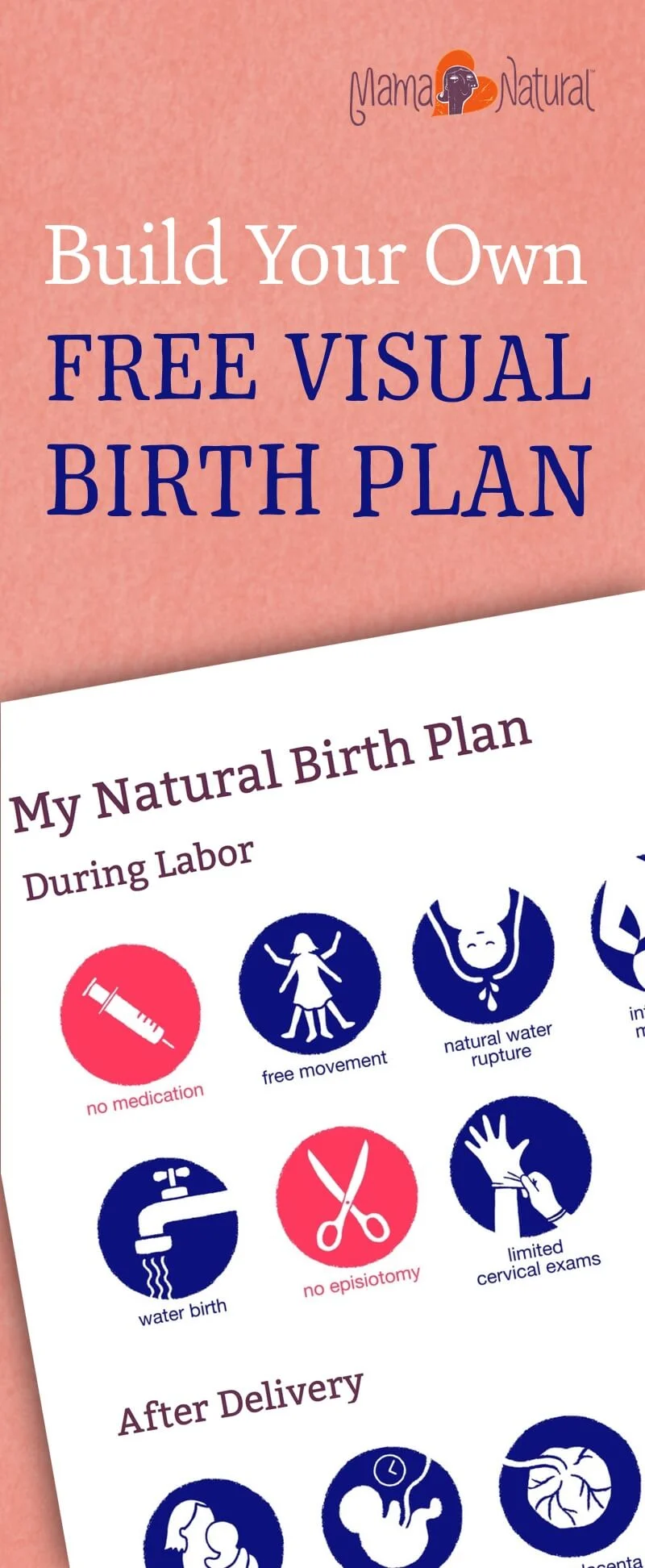
The release of a newly updated visual birth plan template for 2025 marks a significant shift in how expectant parents communicate their medical preferences to healthcare providers, addressing long-standing friction between patient autonomy and clinical efficiency. As maternal healthcare continues to move toward a model of shared decision-making, the transition from multi-page narrative documents to streamlined, icon-based visual aids represents a tactical response to the high-pressure environment of modern labor and delivery wards. By utilizing color-coded icons and concise layouts, these templates aim to ensure that a patient’s preferences—ranging from pain management to immediate postpartum care—are understood at a glance by rotating shifts of nurses, midwives, and obstetricians.
The Shift Toward Visual Communication in Clinical Settings
For decades, the "birth plan" has been a staple of prenatal preparation, originally conceived in the 1980s as a tool to help women reclaim agency in an increasingly medicalized birthing environment. However, the traditional format—often consisting of several pages of typed text—frequently met with resistance from hospital staff. Clinical reports have long indicated that over-burdened nursing staff often view lengthy documents as impractical during the fast-moving stages of active labor.
The 2025 visual birth plan template addresses these systemic challenges by prioritizing "scannability." The template utilizes a two-color system: blue icons represent proactive requests (what the patient desires), while red icons signify "do not" preferences (interventions the patient wishes to avoid unless medically necessary). This binary visual language allows a provider to assess a patient’s primary goals in seconds, reducing the likelihood of communication breakdowns during shift changes or emergency transitions.
Historical Context and the Birth Plan Backlash
To understand the necessity of modern visual templates, one must examine the history of maternal advocacy. In the mid-20th century, hospital births were largely paternalistic, with patients often having little say in interventions such as episiotomies, the use of forceps, or the immediate separation of mother and newborn. The birth plan emerged as a counter-movement, championed by figures like Penny Simkin, to re-establish the mother as a central decision-maker.
By the early 2000s, however, a "birth plan backlash" emerged within the medical community. Some clinicians began to associate detailed birth plans with "difficult" patients or an inability to adapt to the unpredictable nature of childbirth. A 2016 study published in the Journal of Perinatal Education noted that while birth plans can improve a woman’s sense of control, they can also create an adversarial relationship if the clinical team perceives them as a rejection of their medical expertise. The move toward visual templates is a strategic evolution intended to bridge this gap, presenting preferences as a collaborative "blueprint" rather than a list of demands.
Data on Maternal Outcomes and Informed Choice
The push for standardized, clear communication tools is supported by a growing body of data regarding maternal satisfaction and safety. According to the American College of Obstetricians and Gynecologists (ACOG) in their Committee Opinion on "Approaches to Limit Intervention During Labor and Birth," patient-centered care that respects the preferences of the laboring woman can lead to improved outcomes and higher satisfaction rates.
Research indicates that when patients feel their voices are heard, they report lower levels of birth trauma and postpartum depression. Furthermore, data from the Centers for Disease Control and Prevention (CDC) highlights a significant disparity in maternal health outcomes, particularly for women of color. Advocacy groups have pointed to tools like the "Black Birthing Bill of Rights" as essential components of the birth planning process, helping to mitigate implicit bias by establishing clear expectations for respectful and equitable care before labor begins.
Features of the 2025 Visual Template
The updated 2025 template includes several key updates reflecting current trends in obstetric care. Most notably, the inclusion of "Gentle Cesarean" icons acknowledges that surgical births can still incorporate elements of a natural birth experience.
During Labor Preferences:
- Mobility: Icons indicating a preference for walking or using a birthing ball during the first stage of labor.
- Intervention Limits: Requests for intermittent fetal monitoring rather than continuous monitoring, where medically appropriate.
- Environment: Preferences for low lighting, limited vaginal exams, and the presence of a doula.
Post-Delivery and Newborn Care:
- Delayed Cord Clamping: A practice now widely supported by medical evidence for its hematological benefits to the newborn.
- Skin-to-Skin Contact: The "Golden Hour" preference for immediate bonding.
- Feeding Choices: Clear icons for exclusive breastfeeding or the avoidance of pacifiers and glucose water.
The "Gentle Cesarean" Expansion:
The 2025 update specifically adds icons for "Family-Centered Cesarean" options. This includes requests for the clear drape (allowing the mother to see the birth), the placement of EKG leads on the mother’s back to allow for immediate skin-to-skin contact in the operating room, and keeping the mother’s arms free from restraints.

Professional and Clinical Reactions
The reception of visual birth plans among medical professionals has been increasingly positive. Midwives and labor and delivery nurses have noted that visual aids function similarly to "surgical checklists," which are standard safety protocols in other medical fields.
"I just went to the hospital to put this in my chart, and my midwife absolutely loves it," noted one user, Stephanie, in a feedback testimonial. "She said it’s the best and clearest way to keep everyone on the same page."
Clinicians argue that the primary benefit of the visual format is that it does not require the provider to stop their clinical workflow to read a narrative. Instead, the document can be posted on the room’s whiteboard or kept at the bedside as a quick reference guide. This reduces the cognitive load on the medical team, allowing them to focus on the patient’s physical safety while remaining mindful of their emotional and procedural preferences.
Analysis of Implications for Hospital Policy
The proliferation of these templates may eventually influence hospital policy at a broader level. As more patients arrive with standardized visual plans, hospitals may be encouraged to adopt these formats into their electronic health record (EHR) systems. Currently, most EHRs are structured around clinical data—vital signs, cervical dilation, and medication dosages—with little room for "soft" data regarding patient preferences.
There is also a brief but important analysis to be made regarding the "red icon" versus "blue icon" psychology. By explicitly labeling certain interventions in red (such as episiotomies or routine IV fluids), the template empowers the patient to exercise their right to informed refusal. This shift is critical in an era where "obstetric violence"—defined as the performance of medical procedures without explicit consent—has become a topic of international human rights discussion.
Addressing the "High Maintenance" Stigma
One of the most significant hurdles for expectant parents is the fear of being labeled "high maintenance" by hospital staff. The visual birth plan attempts to neutralize this stigma by adopting a professional, almost clinical aesthetic. By stripping away the emotional language often found in traditional birth plans and replacing it with universal medical icons, the document presents as a professional summary of care.
Journalistic investigation into nursing forums and medical journals suggests that the "stigma" often stems from a lack of time. A nurse managing multiple patients in active labor may find a three-page letter overwhelming. A single-page visual aid, however, respects the nurse’s time while asserting the patient’s rights. This mutual respect is foundational to the "Triple Aim" of healthcare: improving the patient experience, improving the health of populations, and reducing the per capita cost of healthcare.
Conclusion and Future Outlook
As we move further into 2025, the use of visual birth plan templates is expected to become a standard recommendation from both holistic and traditional prenatal educators. The goal of these tools is not to create a rigid script for an unpredictable event, but to provide a framework for communication.
The simplicity of the visual birth plan is its greatest strength. In the high-stakes environment of a delivery room, where seconds can matter and communication is the most frequent point of failure, a clear, one-page visual guide serves as a vital bridge between the patient’s desires and the provider’s expertise. By keeping the plan "simple and to the point," as advocates suggest, the healthcare industry moves one step closer to a truly patient-centered model of maternity care that honors the complexity of birth while respecting the realities of medical practice.
