

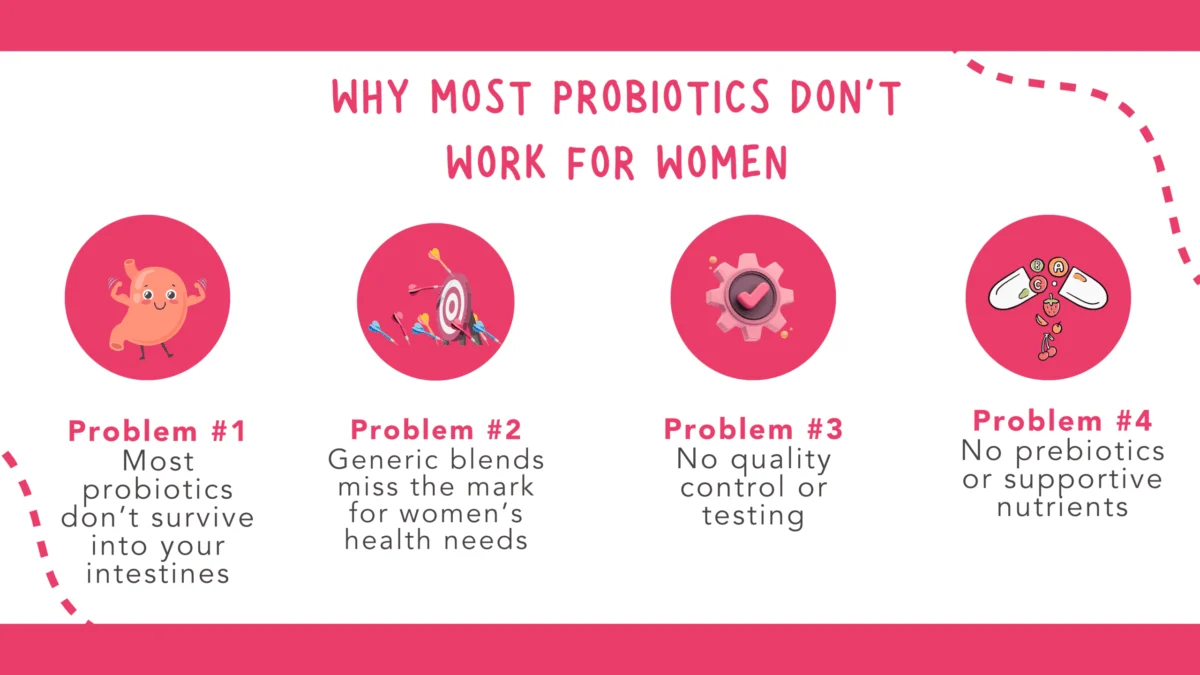
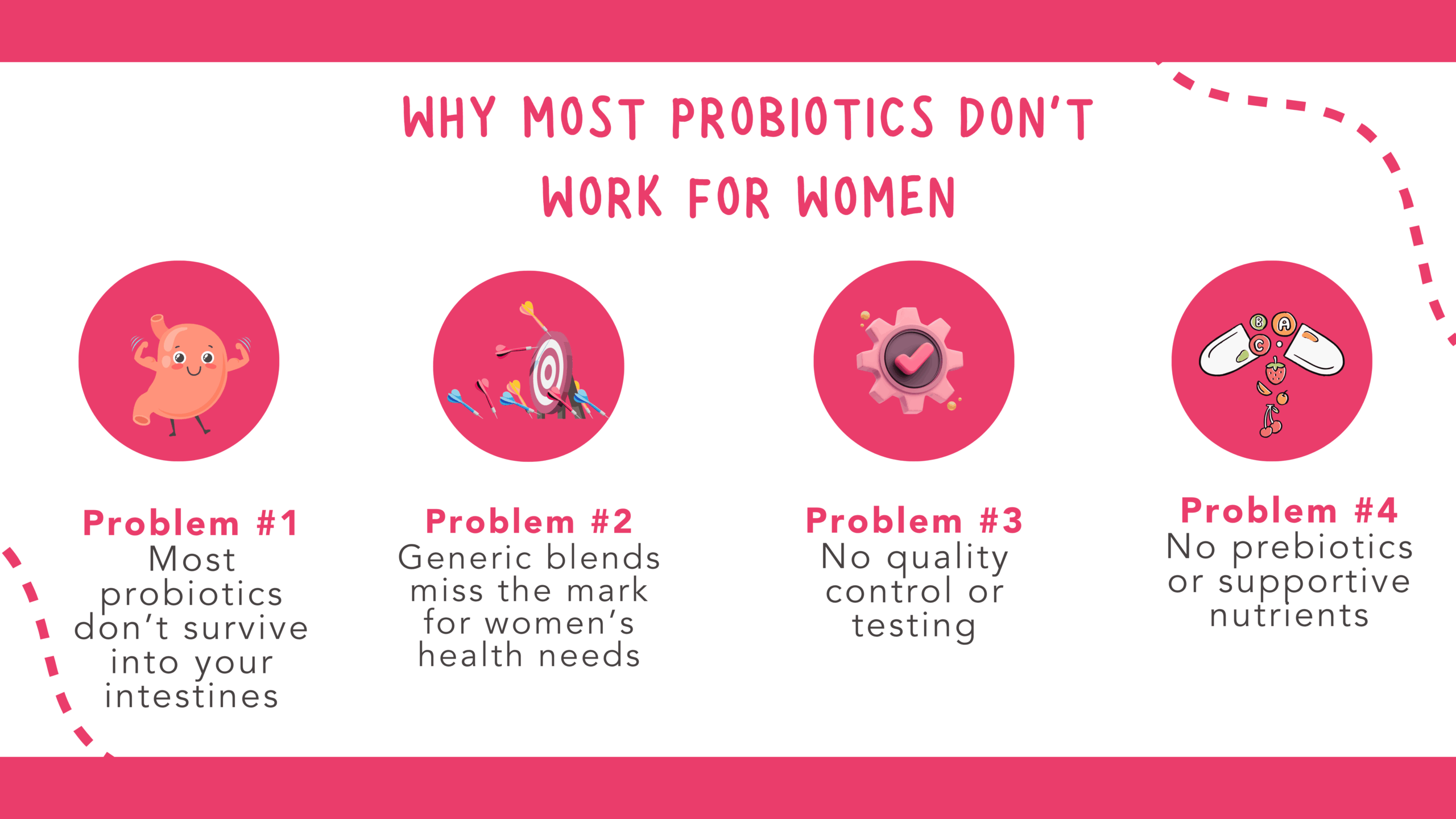
The global probiotic market, valued at over $70 billion as of 2023, has long promised a panacea for digestive issues, skin conditions, and mood regulation; however, a growing body of clinical evidence and consumer reports suggests that a significant percentage of these supplements fail to deliver measurable results, particularly for the female demographic. This discrepancy is largely attributed to a lack of gender-specific formulation, poor survival rates of live cultures during gastrointestinal transit, and insufficient regulatory oversight regarding labeling accuracy. As the scientific understanding of the human microbiome evolves, researchers and high-quality manufacturers are shifting their focus toward precision probiotics that address the unique physiological requirements of women, including hormonal fluctuations and the specific needs of the vaginal microbiome.
The Biological Barrier: Gastrointestinal Transit and Survival
The primary challenge facing any oral probiotic is the hostile environment of the human stomach. Gastric acid, with a pH typically ranging from 1.5 to 3.5, is designed to break down proteins and neutralize potentially harmful pathogens. Unfortunately, this acidic barrier does not distinguish between beneficial and detrimental bacteria. Most generic probiotics utilize delicate strains that are decimated before they reach the small or large intestines, where they are intended to colonize.
To counter this, advanced formulations have moved toward a "potent overage" strategy. This manufacturing process involves incorporating a significantly higher number of Colony Forming Units (CFUs) than the amount stated on the label for the end of the product’s shelf life. By over-packing the initial dosage, manufacturers can ensure that even after the inevitable attrition caused by stomach acid and bile salts, a therapeutic dose remains viable to reach the "gut garden." This approach bypasses the need for synthetic enteric coatings, which some health-conscious consumers prefer to avoid, focusing instead on the inherent resilience of the selected strains and the sheer volume of the initial inoculation.
The Gender Gap in Microbiome Research
Historically, medical research has often defaulted to the male physiology as the "standard," a bias that has extended into the development of nutritional supplements. Women’s bodies, however, operate under different hormonal mandates. The fluctuations of estrogen and progesterone throughout the menstrual cycle, during pregnancy, and into menopause significantly impact gut motility, immune response, and the composition of the microbiome.
Generic probiotic blends often focus on general digestive health, utilizing a narrow range of Bifidobacterium and Lactobacillus strains that may not address female-specific concerns such as urinary tract infections (UTIs), yeast overgrowth, or hormonal acne. For instance, the vaginal microbiome is dominated by specific Lactobacillus species that produce lactic acid to maintain a low pH, preventing the overgrowth of pathogens. A probiotic that does not include strains specifically researched for their ability to migrate to or support the vaginal tract often leaves women without the targeted support they require.
Chronology of Probiotic Development and the Shift to Specificity
The evolution of probiotic science has moved through several distinct phases over the last century:
- The Discovery Phase (Early 1900s): Nobel laureate Élie Metchnikoff first proposed that consuming beneficial bacteria (in the form of fermented milk) could improve health and longevity.
- The Commercialization Boom (1990s–2000s): Probiotics entered the mainstream market, primarily through yogurts and basic supplements, often with vague health claims and little strain-specific data.
- The Human Microbiome Project (2007–2016): This landmark initiative provided the first comprehensive map of the microbial communities inhabiting the human body, revealing the vast complexity and site-specific nature of these organisms.
- The Precision Era (2020–Present): Current trends favor "precision probiotics," where specific strains are selected for their clinically proven effects on specific conditions, such as the use of Lactobacillus rhamnosus for skin health or Lactobacillus reuteri for vaginal balance.
Analysis of Quality Control and Labeling Inaccuracy
A significant factor in the perceived failure of probiotics is the lack of stringent quality control within the supplement industry. Unlike pharmaceutical drugs, probiotics in the United States are largely regulated as dietary supplements under the Dietary Supplement Health and Education Act of 1994 (DSHEA). This means they do not require FDA approval before going to market.
Independent studies have highlighted the consequences of this regulatory environment. A notable study published in the journal Pediatric Research examined several commercial probiotic products and found that many did not contain the quantity of live bacteria claimed on the label. In some instances, the products contained entirely different species than those listed. Furthermore, without third-party testing certifications (such as NSF or USP), there is no guarantee that a product is free from contaminants or that the bacteria remain viable through the expiration date. The industry is currently seeing a push for "transparency labeling," where companies provide access to third-party lab results for every batch produced.
The Role of Prebiotics: Nourishing the Microbiome
A probiotic’s efficacy is also dependent on the presence of prebiotics—non-digestible fibers that serve as the primary food source for beneficial bacteria. Without adequate "fuel," even the highest quality probiotic strains may fail to colonize effectively.
Recent innovations have seen the introduction of whole-food prebiotics, such as fiber derived from the baobab tree (Adansonia). Known in many African cultures as the "Tree of Life," the baobab fruit provides a potent source of soluble and insoluble fiber, as well as antioxidants. Clinical data suggests that women require approximately 25 grams of fiber daily for optimal digestive and hormonal health, yet the average intake in Western diets often falls below 15 grams. By integrating prebiotics like baobab fiber directly into the probiotic capsule, manufacturers create a symbiotic environment that enhances the survival and proliferation of the bacteria.
Strategic Strains for Female Health
Modern formulations that successfully support women’s health typically feature a "powerhouse blend" of at least 10 well-researched strains. Key among these are:
- Lactobacillus gasseri: Researched for its role in metabolic health and vaginal flora balance.
- Bifidobacterium longum: Known for its ability to support the intestinal barrier and modulate the immune system.
- Lactobacillus reuteri: Extensively studied for its benefits in reducing the incidence of yeast infections and supporting skin clarity.
- Lactobacillus rhamnosus: Often cited for its resilience and effectiveness in preventing antibiotic-associated diarrhea and supporting the urogenital tract.
The absence of fillers—such as dairy, gluten, soy, and synthetic binders—is also a hallmark of modern, high-quality formulations. As many women deal with undiagnosed food sensitivities that contribute to gut inflammation, a "clean" label is often as important as the bacterial strains themselves.
Broader Implications and Future Outlook
The shift toward gender-specific probiotics reflects a broader movement in medicine toward personalized nutrition. As the link between the gut microbiome and the "gut-brain axis" becomes clearer, the implications for women’s mental health, particularly concerning anxiety and depression, are significant. The microbiome’s role in "estrobolome" function—the collection of bacteria capable of metabolizing estrogens—suggests that gut health is inextricably linked to hormonal balance, fertility, and even the management of conditions like PCOS (Polycystic Ovary Syndrome) and endometriosis.
Experts recommend that consumers maintain consistency when starting a new probiotic regimen, as the rebalancing of a microbial ecosystem typically requires two to four weeks of daily use. Furthermore, clinicians emphasize that supplements should be part of a holistic approach that includes a diet rich in fermented foods, bone broths, and high-fiber vegetables, while minimizing the intake of processed sugars that feed pathogenic bacteria.
In conclusion, the failure of many probiotics to meet the needs of women is a multifaceted issue involving biological hurdles, industry-wide quality gaps, and a historical lack of targeted research. However, through the implementation of potent overages, strain-specific selections, and the inclusion of high-quality prebiotics, the next generation of probiotics is demonstrating a significantly higher rate of efficacy. For the female consumer, the path to gut health lies in moving away from generic, one-size-fits-all products and toward scientifically backed, transparently manufactured, and gender-focused formulations.
